
Minimalistisk stueinnredning: En trinn-for-trinn veiledning

Forstå minimalistisk styling av stue
Minimalistisk styling av stue handler om å skape et rolig, rotfritt miljø som føles både funksjonelt og innbydende. Filosofien fokuserer på enkelhet, rene linjer og gjennomtenkte designvalg. Ved å omfavne en mindre-er-mer-mentalitet kan du få oppholdsrommet til å føles åpent, luftig og stilfullt uten anstrengelse.

Minimalisme betyr ikke at stuen din må se kald eller nøytral ut. Det oppmuntrer deg heller til å fokusere på kvalitet fremfor kvantitet, og velge elementer som har en funksjon og gir deg glede. Med en gjennomtenkt tilnærming kan du forvandle stuen til et rolig tilfluktssted som gjenspeiler din personlige stil.
Trinn 1: Rydd og definer plassen din
Det første steget i minimalistisk styling av stue er å rydde bort rot. Fjern unødvendige gjenstander, utdatert dekor eller møbler som ikke lenger tjener deg. Start med å sortere hyller, salongbord og medieenheter. Behold bare det du virkelig elsker eller bruker daglig. Denne prosessen åpner umiddelbart opp rommet og skaper et blankt lerret for ditt nye uttrykk.

Når du har ryddet, definer layouten i stuen din. Tenk på hvordan du beveger deg gjennom rommet og hvilke områder du bruker mest. Plasser møbler slik at det støtter naturlig flyt og samtale, og la det være nok åpent rom for en lys og luftig følelse. Dette grunnlaget er essensielt for et minimalistisk design.
Trinn 2: Velg en nøytral fargepalett
Minimalistiske stuer har ofte nøytrale fargepaletter—tenk hvitt, grått, beige og myke jordtoner. Disse nyansene får rommet til å føles romslig og helhetlig. Velg en hovedfarge for vegger og store møbler, og legg deretter til subtile variasjoner for dybde. Hvis du ønsker et fargeinnslag, kan du tilføre dempede aksenter gjennom puter eller kunst.
Naturlig lys fremhever den minimalistiske estetikken, så hold vindusbehandlingene lette og enkle. Tynne gardiner eller persienner fungerer godt, og lar sollyset strømme inn og fremheve dine valgte farger.
Trinn 3: Velg funksjonelle, strømlinjeformede møbler
Når det gjelder møbler, prioriter funksjonalitet og rene linjer. Velg møbler med enkle silhuetter og minimal dekorasjon. Modulsofaer, slanke salongbord og åpne hyllesystemer er gode valg. Se etter møbler som tilbyr lagringsplass eller flerbruksfunksjoner for å opprettholde et ryddig miljø.
Plasser møblene dine for å maksimere åpen plass. Unngå overfylte områder; la hvert møbel få puste. Denne tilnærmingen forbedrer ikke bare det minimalistiske uttrykket, men gjør også rommet mer komfortabelt og brukervennlig.

Trinn 4: Inkluder gjennomtenkt dekor
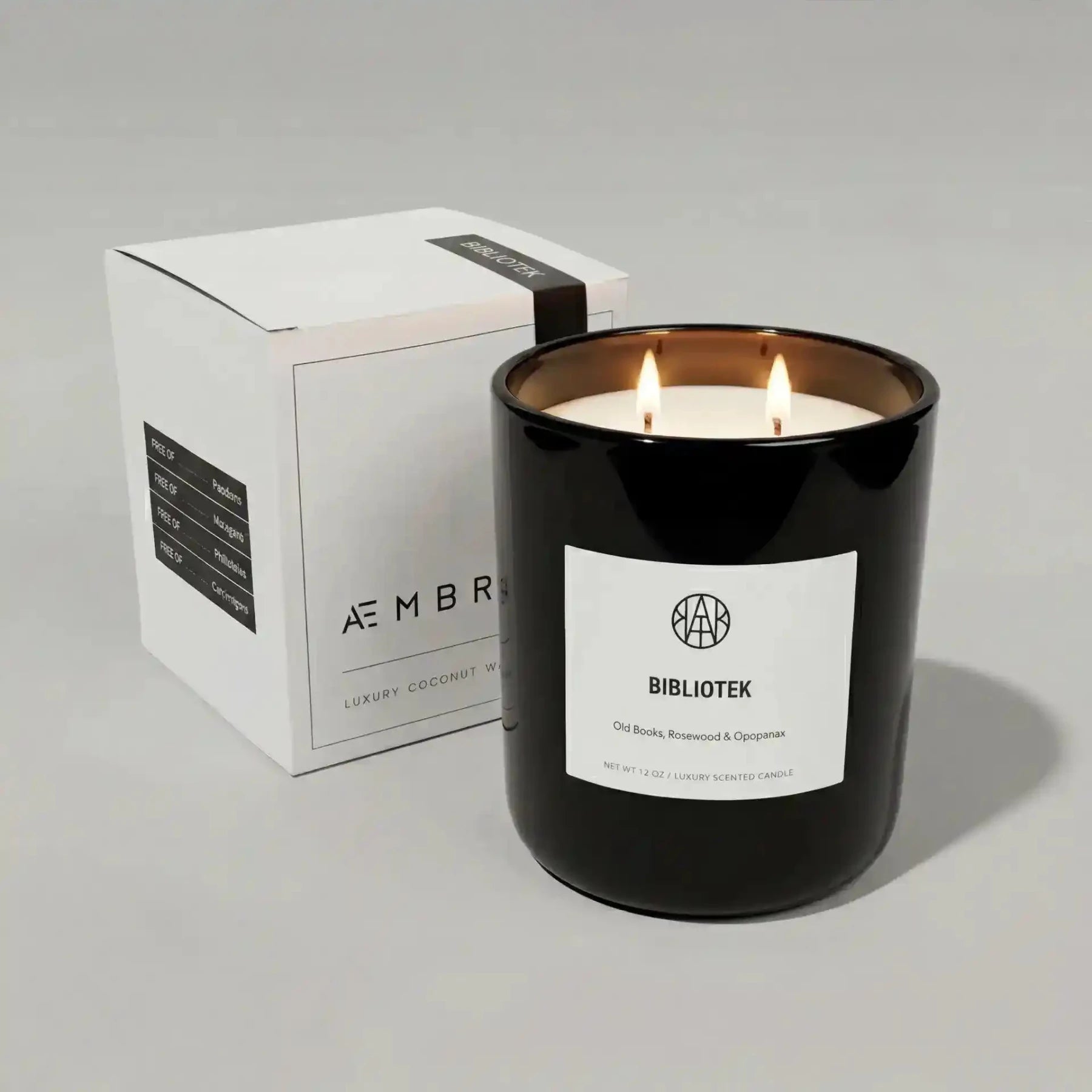
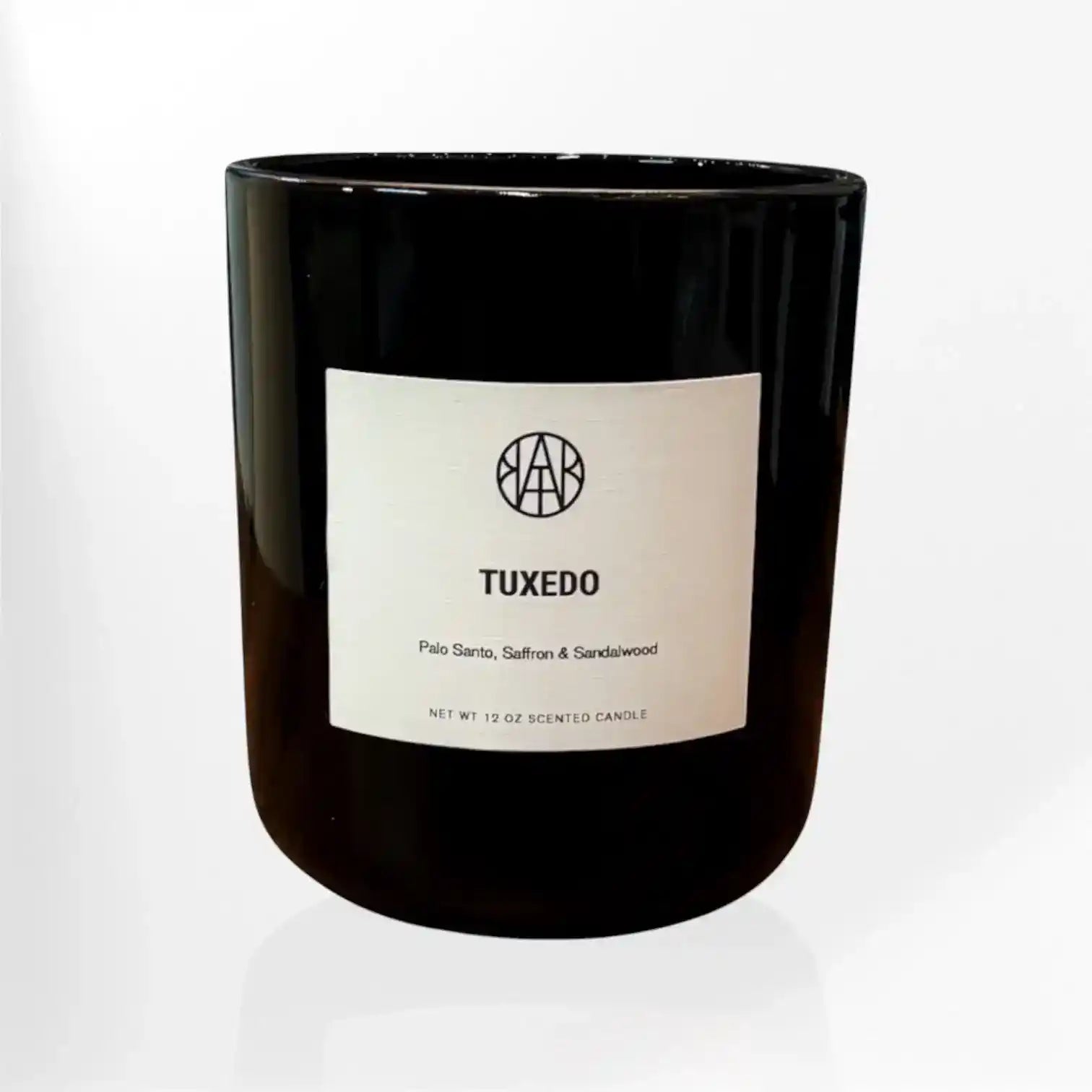
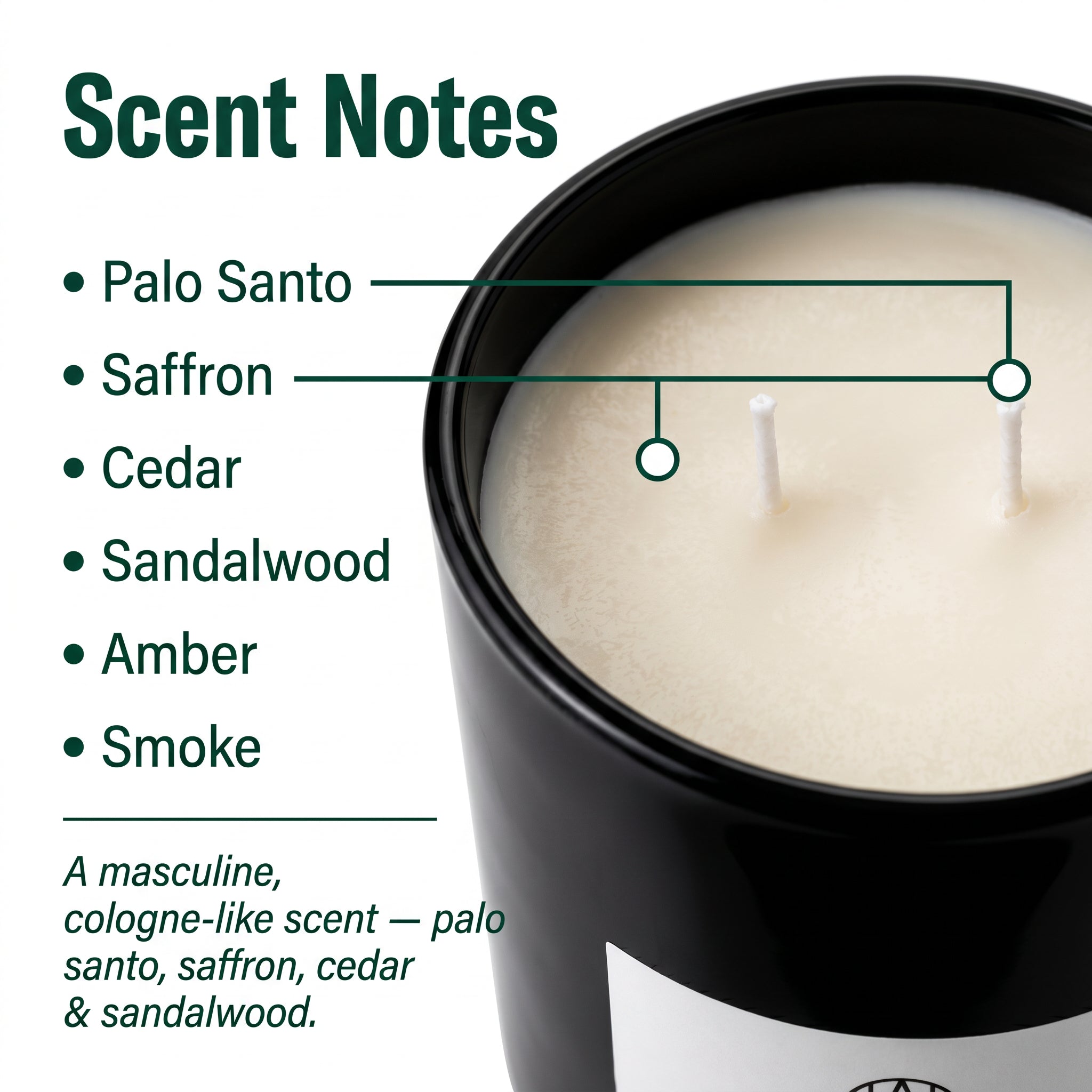
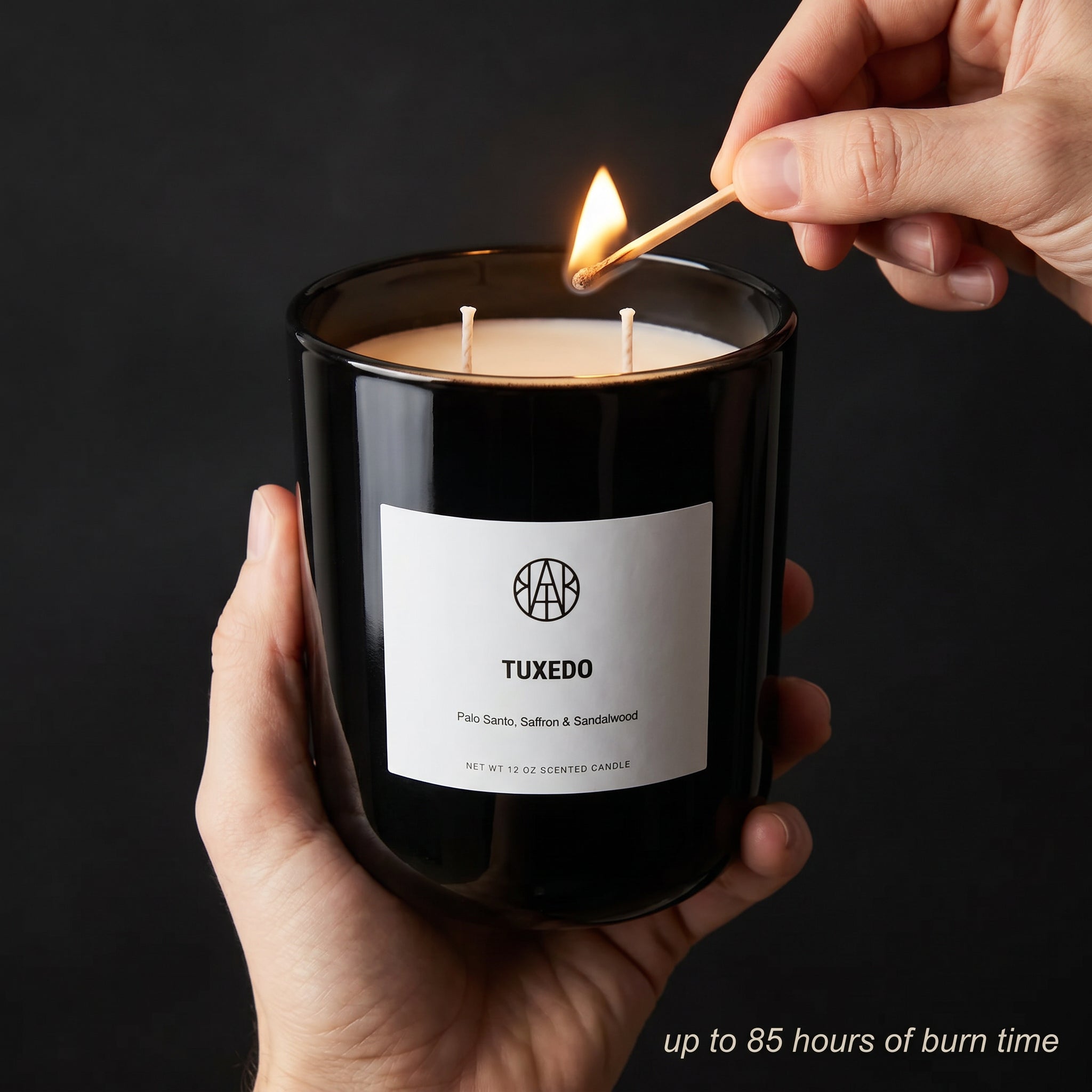
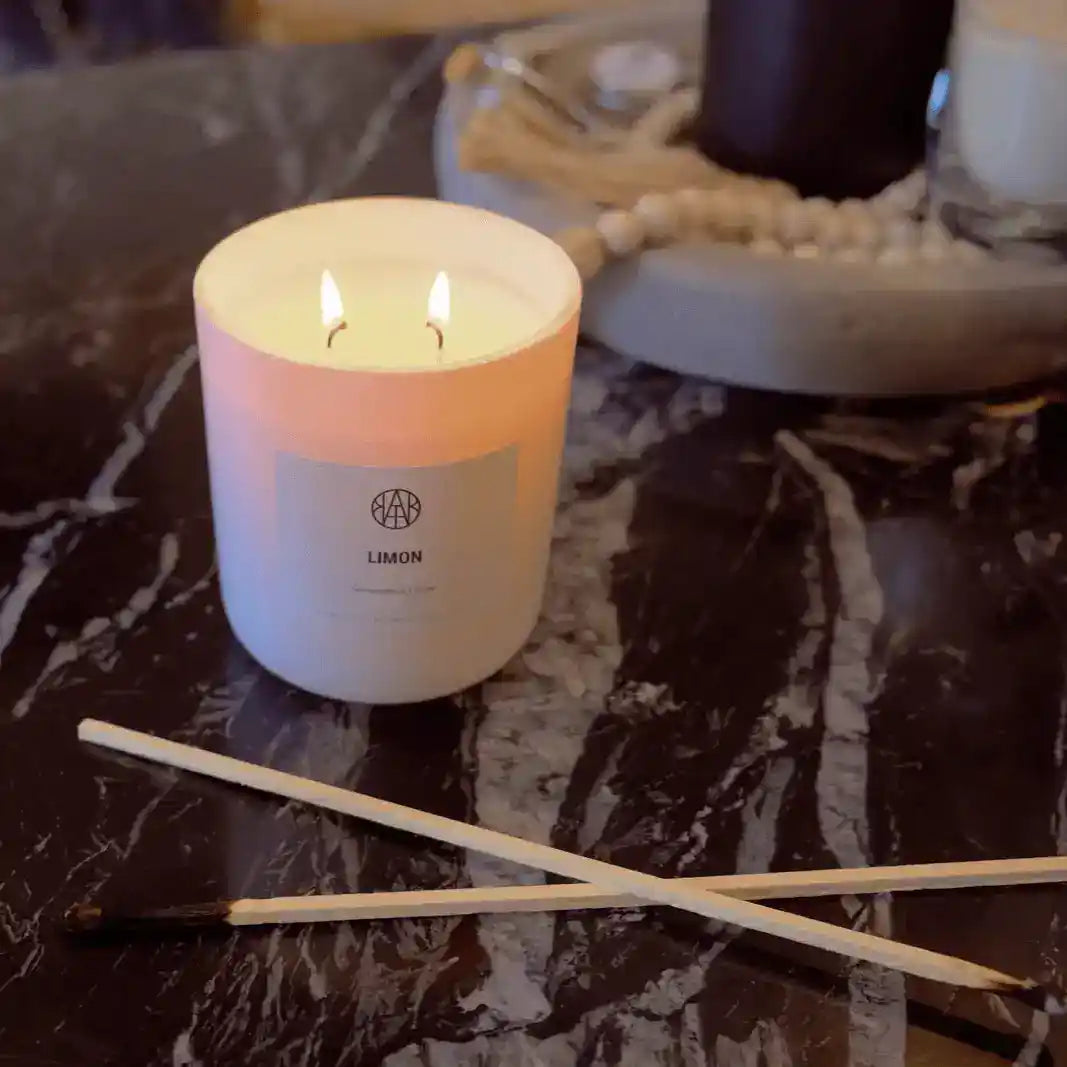
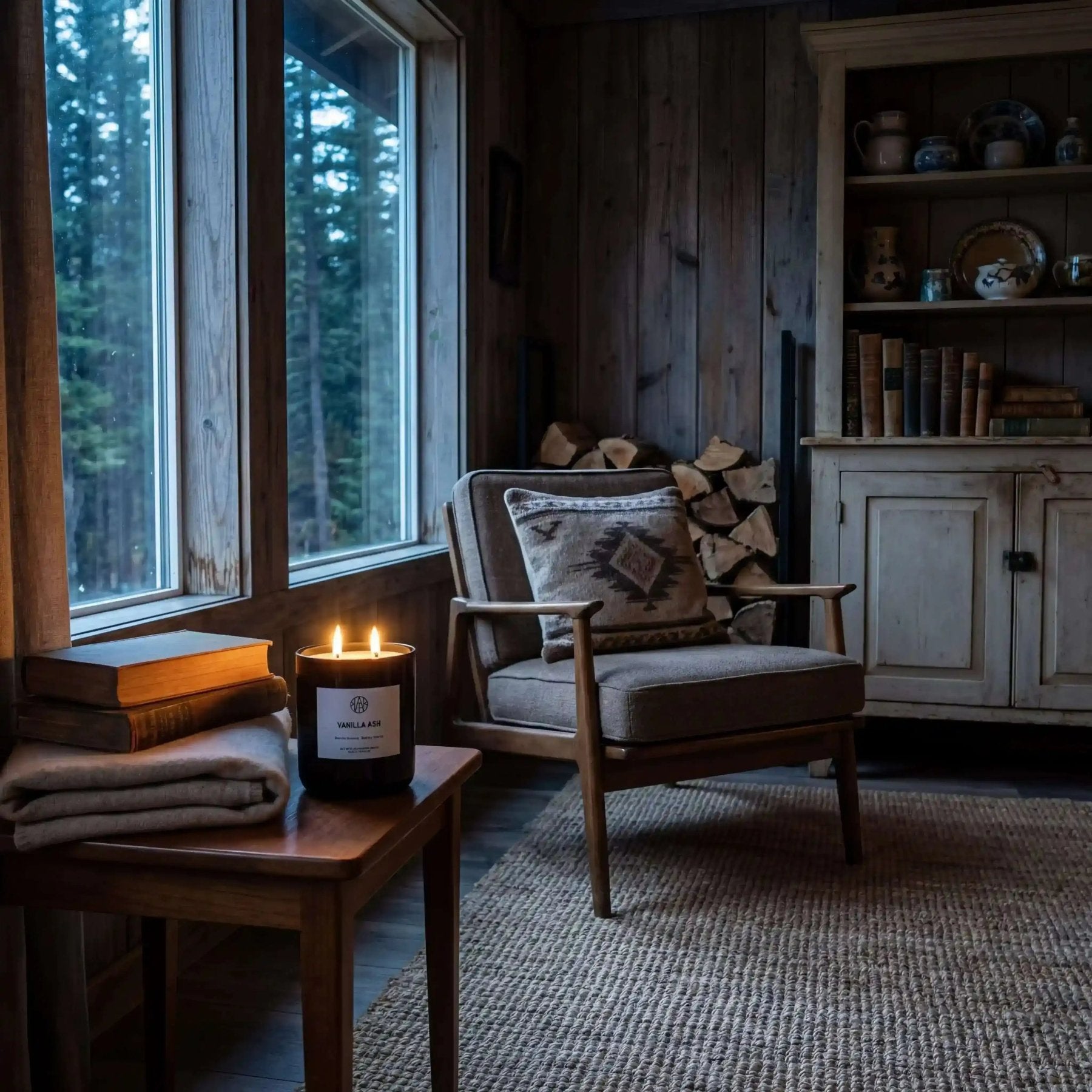
Dekor i en minimalistisk stue bør være gjennomtenkt og kuratert. Velg noen få blikkfang—som et stort innrammet trykk, et skulpturelt lys eller et teksturert teppe—for å tilføre interesse uten å overvelde rommet. Planter er en flott måte å tilføre liv og farge på, samtidig som den minimalistiske stilen opprettholdes.
Hold overflater ryddige, og vis kun frem dine favorittobjekter. Bruk negativ plass strategisk; tomme områder kan være like effektfulle som dekorerte. Denne tilbakeholdenheten er nøkkelen til å oppnå et balansert, harmonisk uttrykk.
Trinn 5: Vedlikehold din minimalistiske stue
For å holde den minimalistiske stuen frisk, bør du jevnlig vurdere rommet på nytt. Fjern gjenstander som samler seg over tid, og motstå trangen til å legge til unødvendig dekor. Omfavn kontinuerlig enkelhet ved å fokusere på kvalitet, funksjonalitet og din personlige følelse av ro.

Minimalistisk stueinnredning er en pågående prosess. Ved å følge disse trinnene og ta bevisste valg, vil du skape et tidløst, innbydende rom som støtter avslapning og samvær.