
Estilismo Minimalista para Salas de Estar: Un Tutorial Paso a Paso

Comprendiendo el estilo minimalista para salas de estar
El estilo minimalista para salas de estar consiste en crear un ambiente tranquilo y sin desorden que sea funcional y acogedor. La filosofía se centra en la simplicidad, líneas limpias y decisiones de diseño con propósito. Al adoptar una mentalidad de menos es más, puedes hacer que tu espacio se sienta abierto, aireado y con estilo sin esfuerzo.

El minimalismo no significa que tu sala de estar tenga que verse austera o fría. En cambio, te anima a enfocarte en la calidad sobre la cantidad, seleccionando piezas que tengan un propósito y te brinden alegría. Con un enfoque cuidadoso, puedes transformar tu sala en un refugio sereno que refleje tu estilo personal.
Paso 1: Despeja y define tu espacio
El primer paso para estilizar una sala de estar minimalista es despejar. Elimina objetos innecesarios, decoraciones anticuadas o muebles que ya no te sirven. Comienza revisando estantes, mesas de centro y unidades multimedia. Conserva solo lo que realmente amas o usas a diario. Este proceso abre instantáneamente la habitación y crea un lienzo en blanco para tu nuevo estilo.

Una vez despejada, define la distribución de tu sala de estar. Considera cómo te mueves por el espacio y qué áreas usas más. Organiza los muebles para favorecer el flujo natural y la conversación, dejando suficiente espacio abierto para una sensación ligera y aireada. Esta base es esencial para un diseño minimalista.
Paso 2: Elige una paleta de colores neutros
Las salas de estar minimalistas suelen presentar paletas de colores neutros—piensa en blancos, grises, beige y tonos tierra suaves. Estos tonos hacen que la habitación se sienta espaciosa y coherente. Elige un color principal para las paredes y los muebles grandes, luego añade variaciones sutiles para dar profundidad. Si quieres un toque de color, incorpora acentos apagados a través de cojines o arte.
La luz natural realza la estética minimalista, así que mantén los tratamientos de ventana ligeros y simples. Las cortinas translúcidas o persianas funcionan bien, permitiendo que la luz del sol entre y resalte los tonos que has elegido.
Paso 3: Elige muebles funcionales y depurados
Cuando se trata de muebles, prioriza la funcionalidad y las líneas limpias. Opta por piezas con siluetas simples y ornamentación mínima. Sofás modulares, mesas de centro elegantes y estanterías abiertas son excelentes opciones. Busca artículos que ofrezcan almacenamiento o uso multifuncional para mantener un ambiente sin desorden.
Organiza tus muebles para maximizar el espacio abierto. Evita el hacinamiento; en cambio, permite que cada pieza respire. Este enfoque no solo realza el estilo minimalista, sino que también hace que la habitación sea más cómoda y funcional.

Paso 4: Incorpora decoración pensada
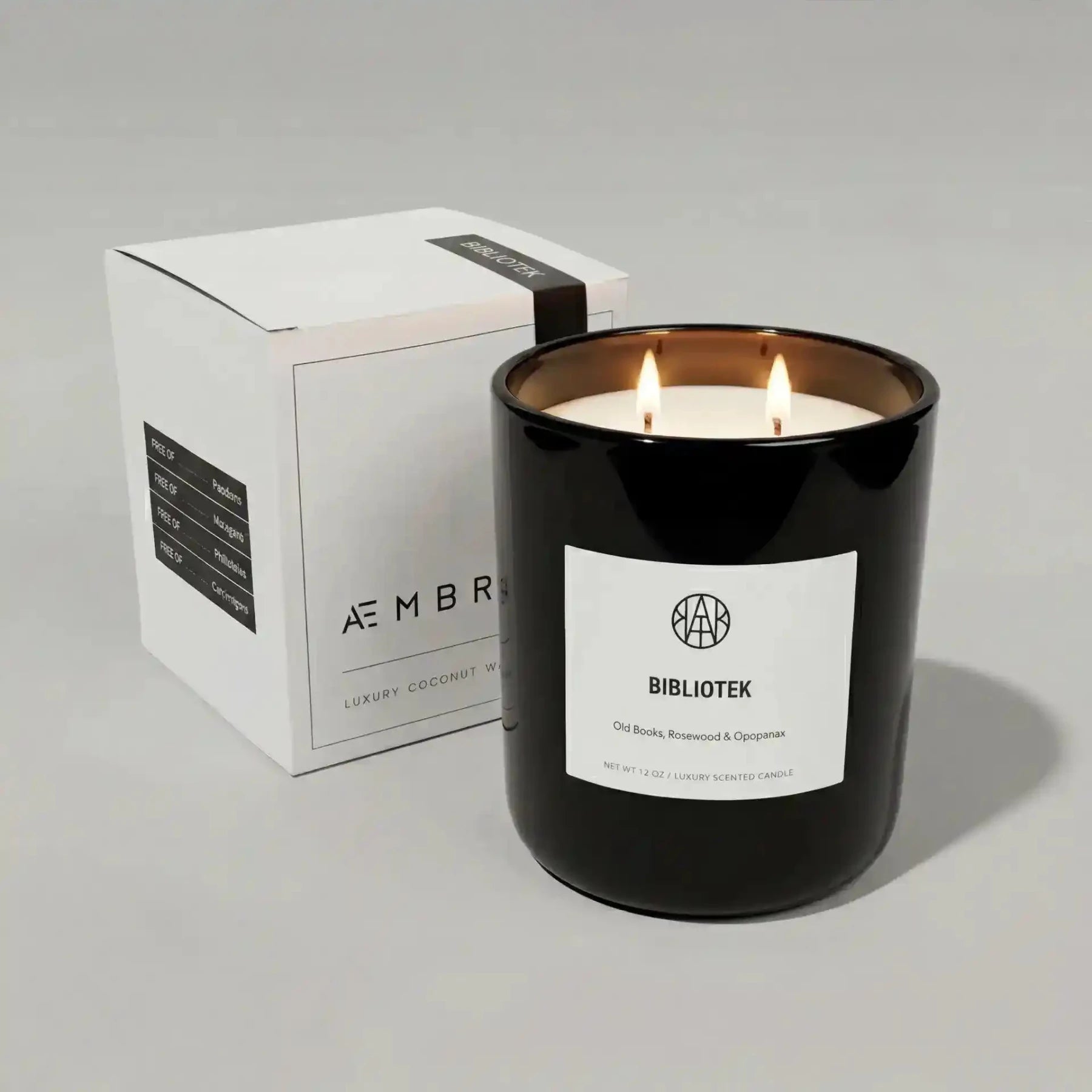
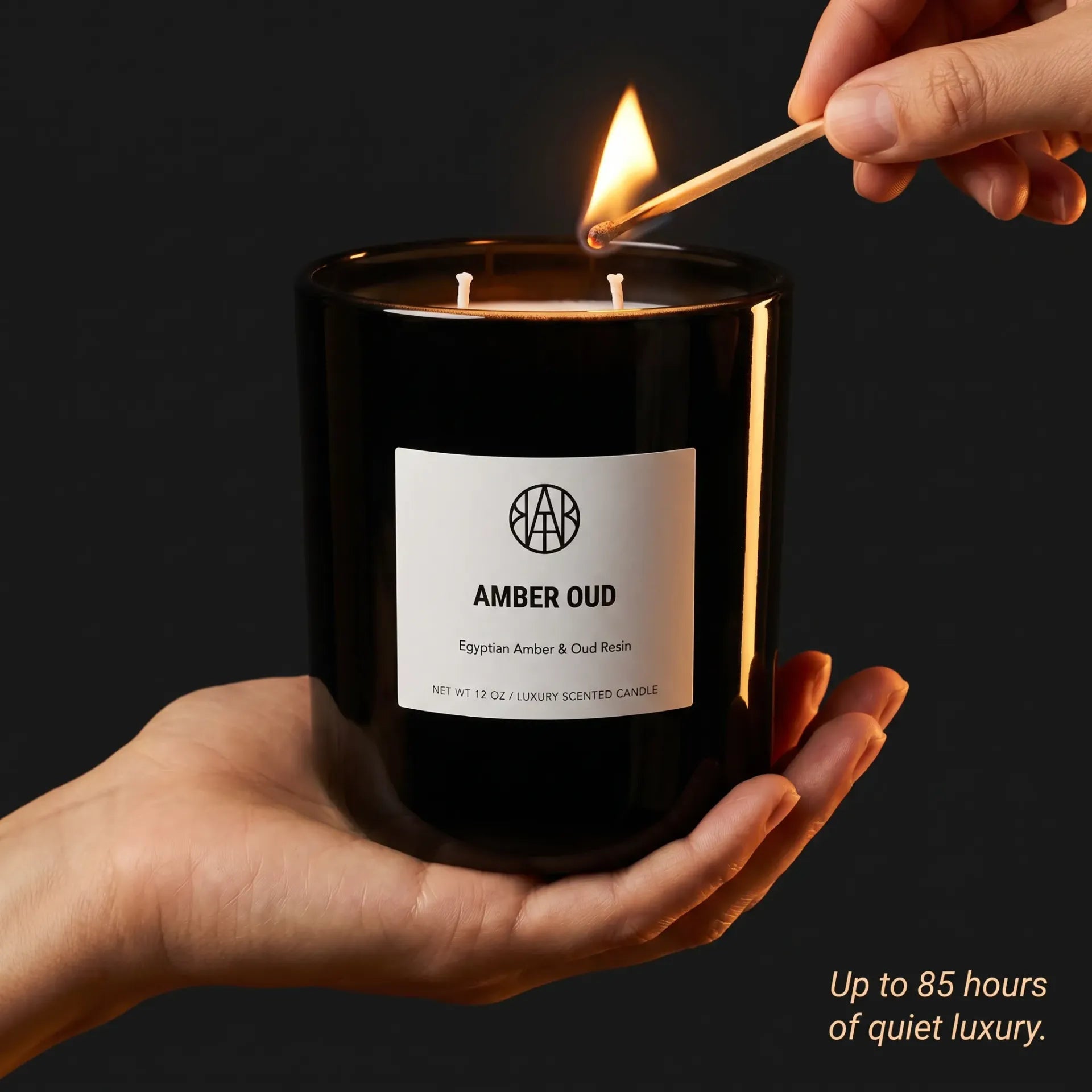
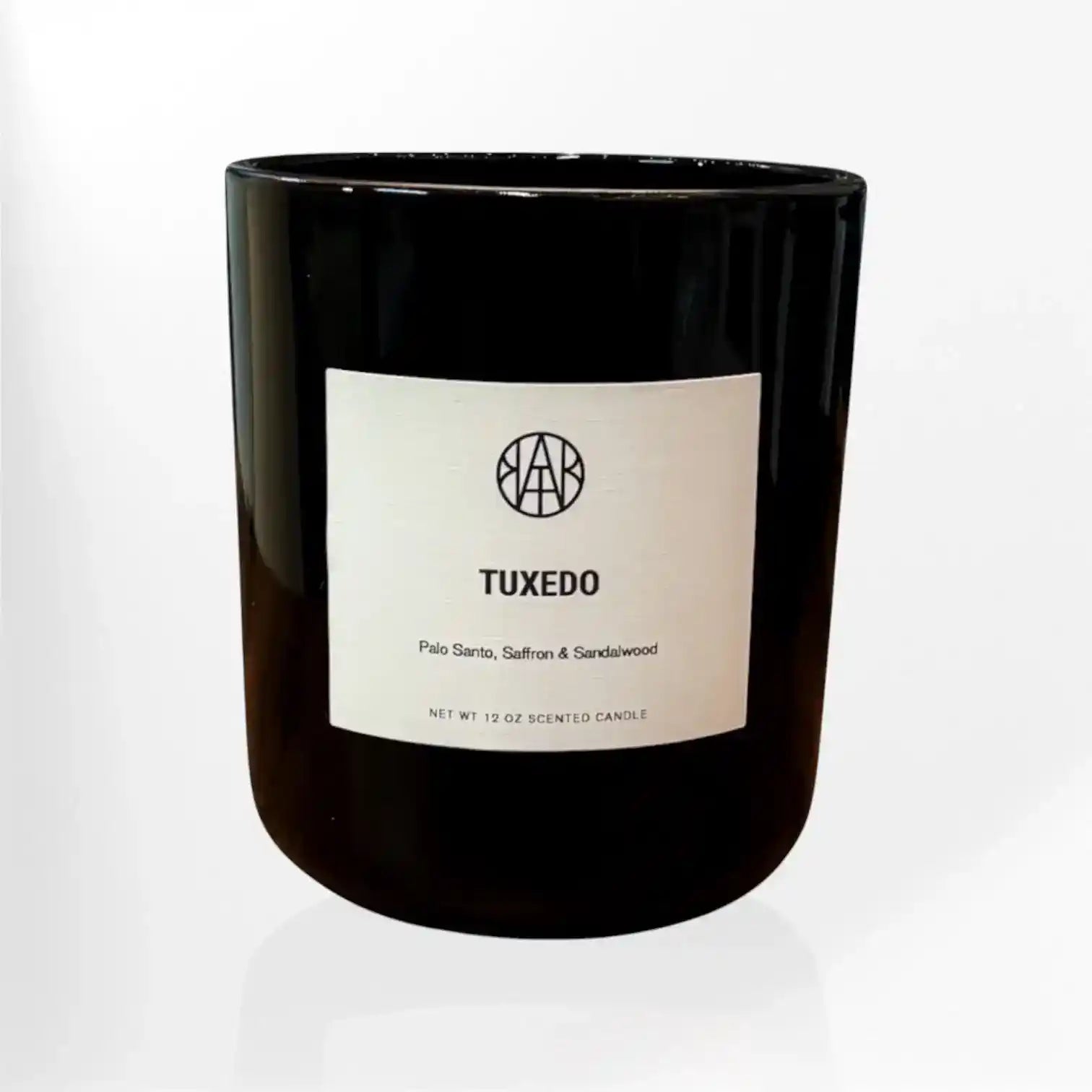
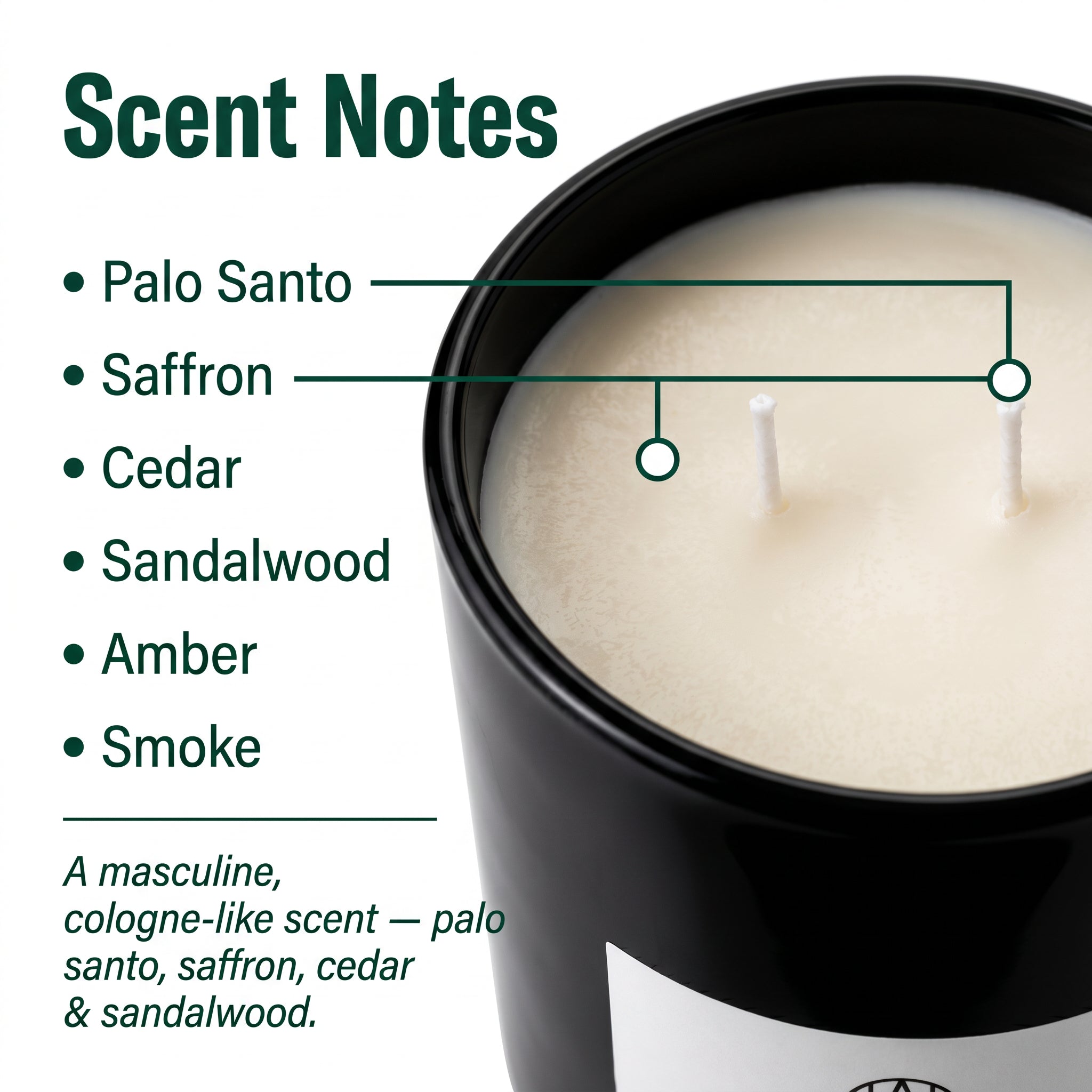
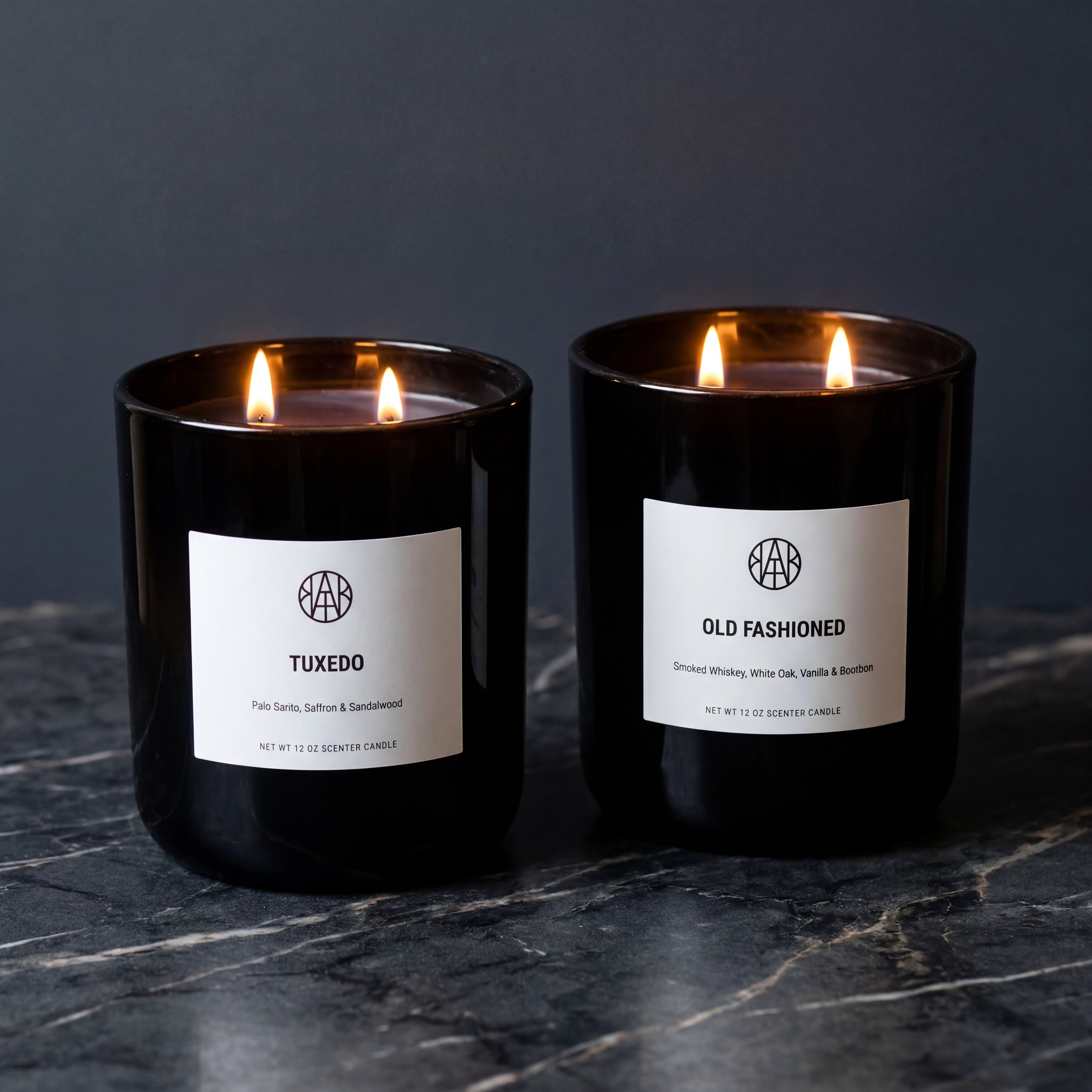
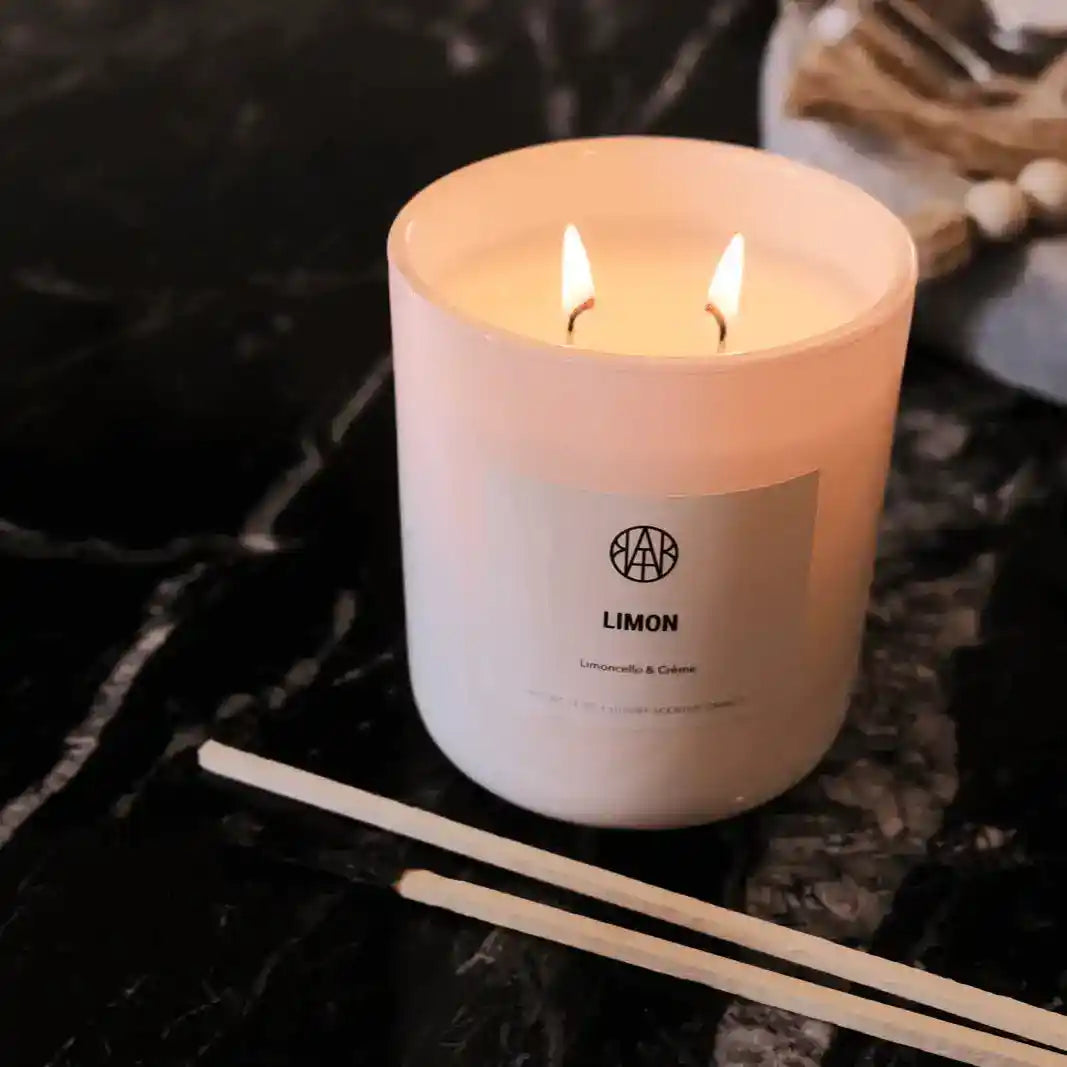
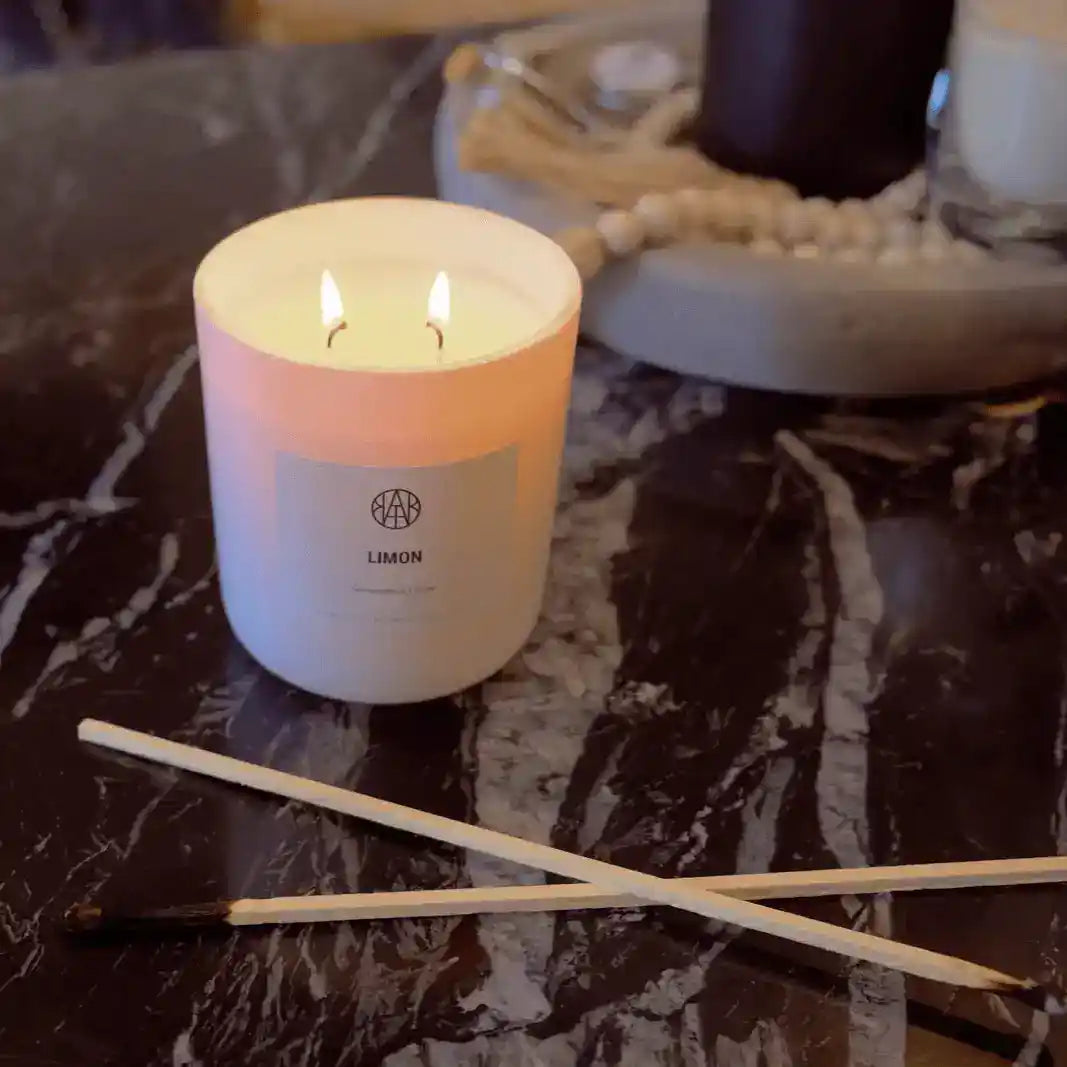
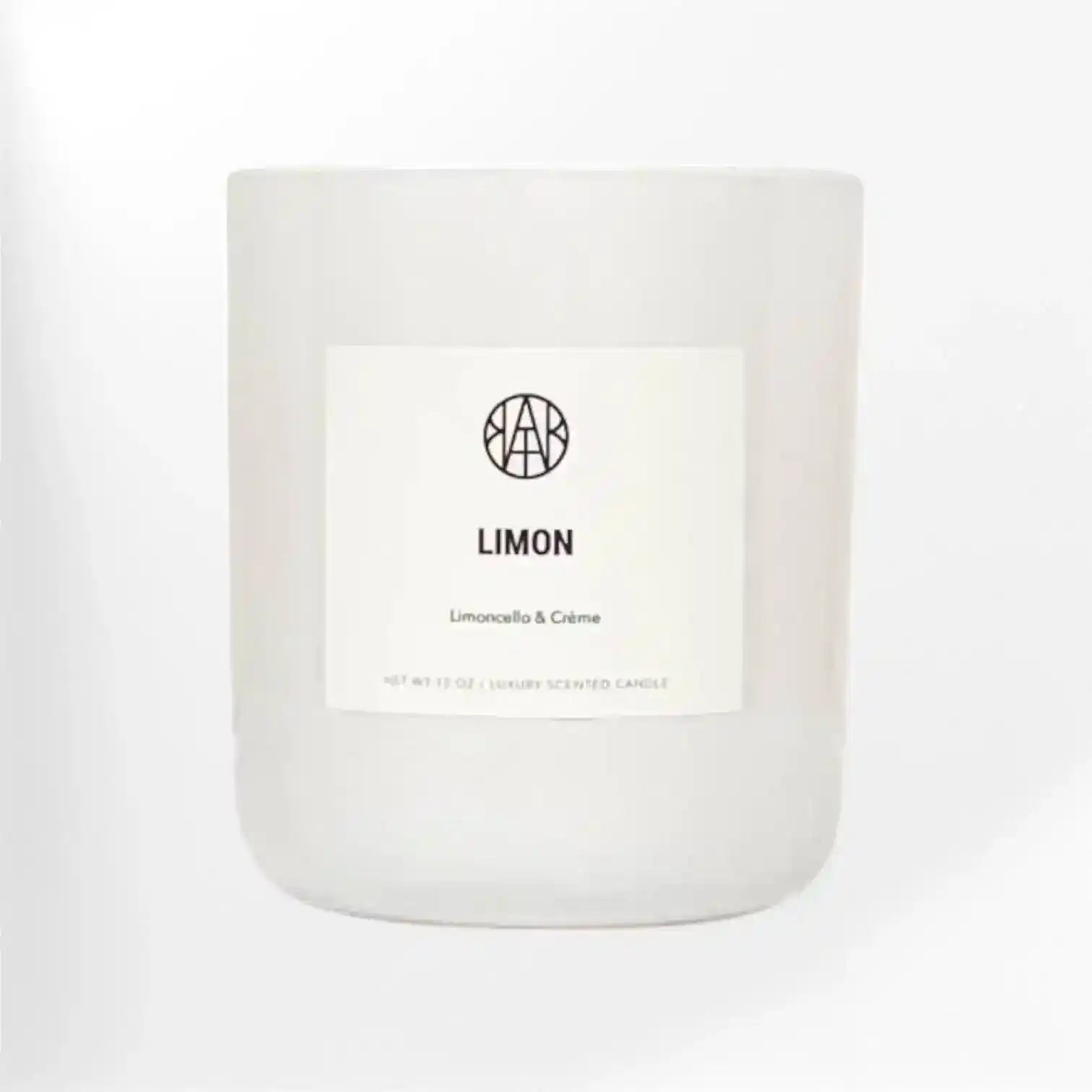
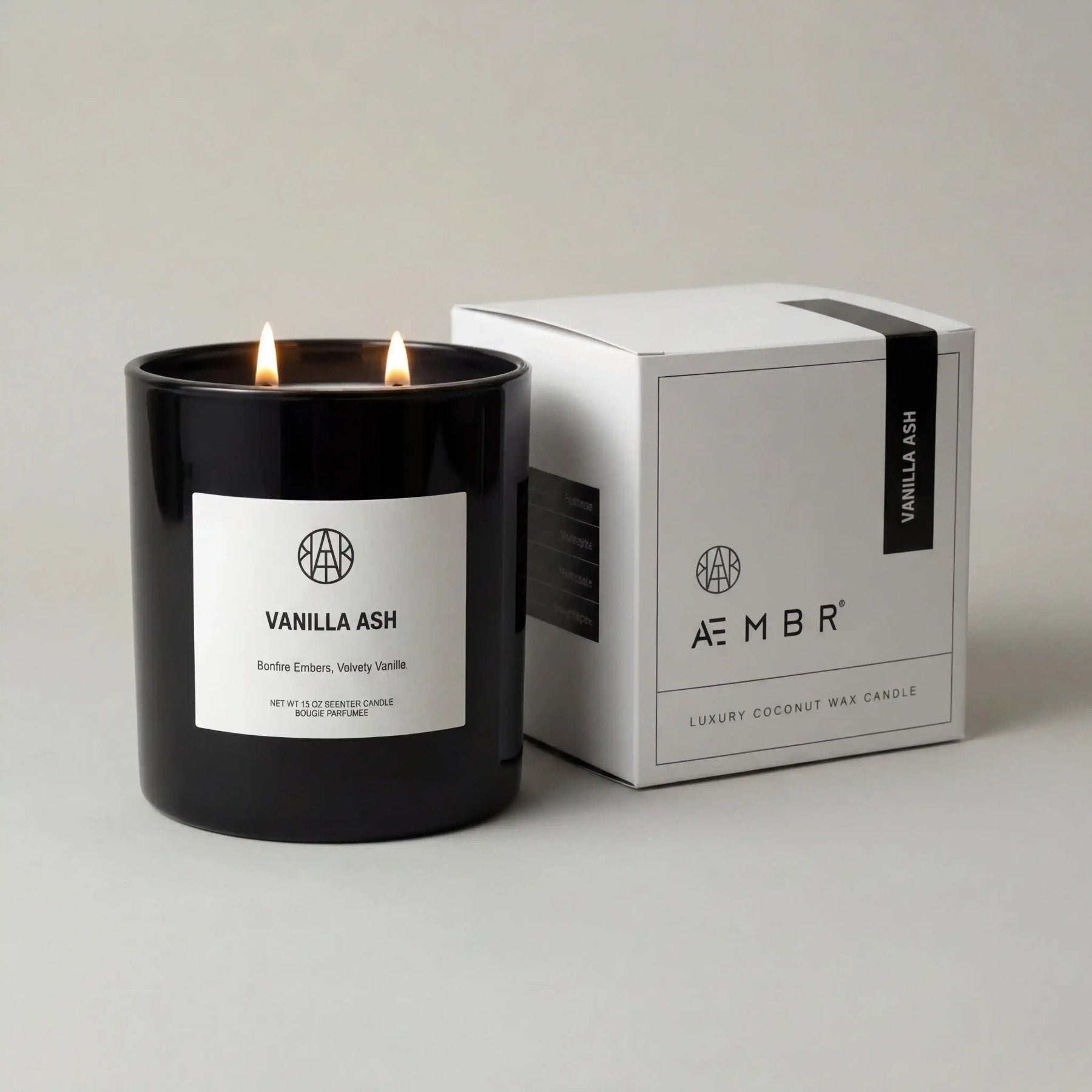
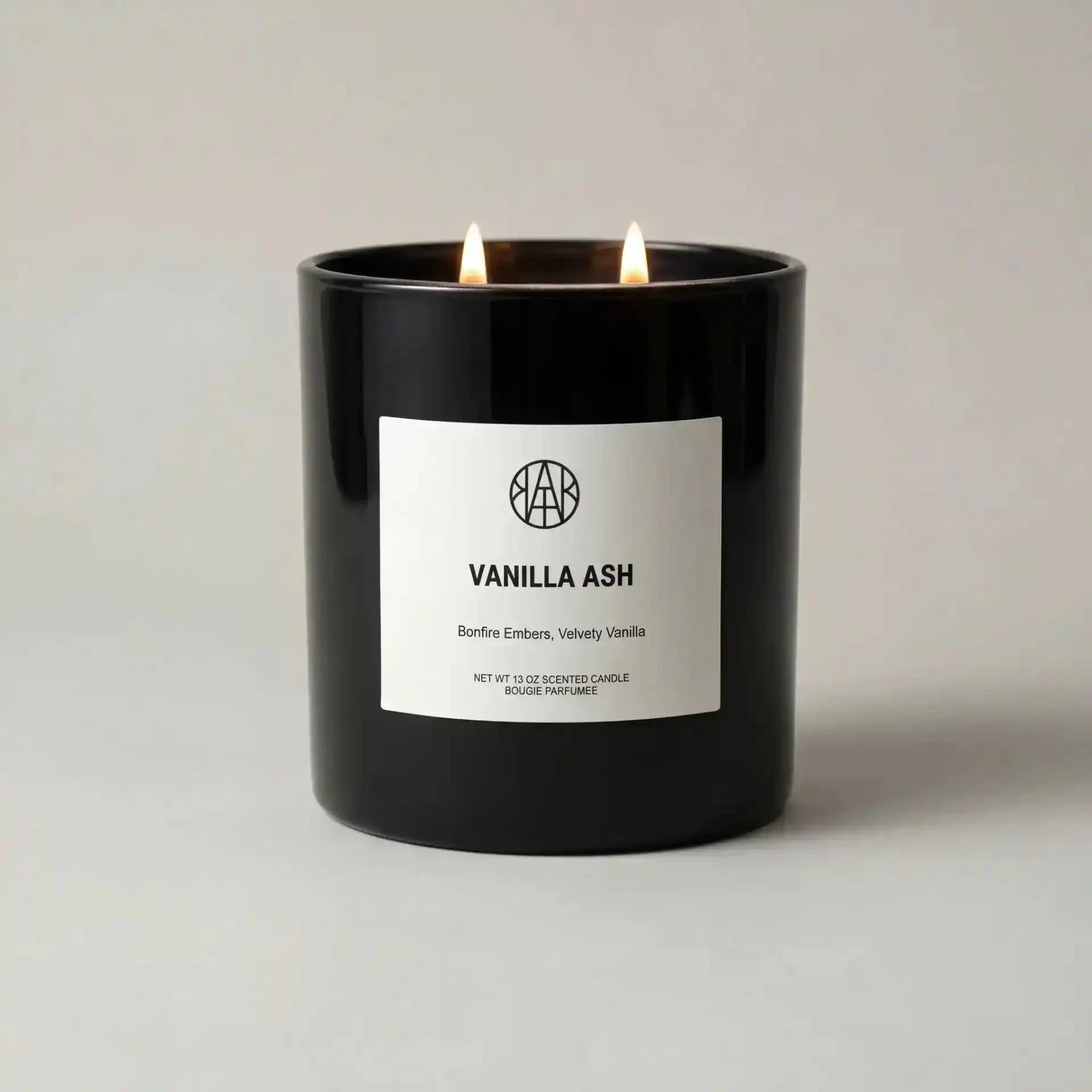
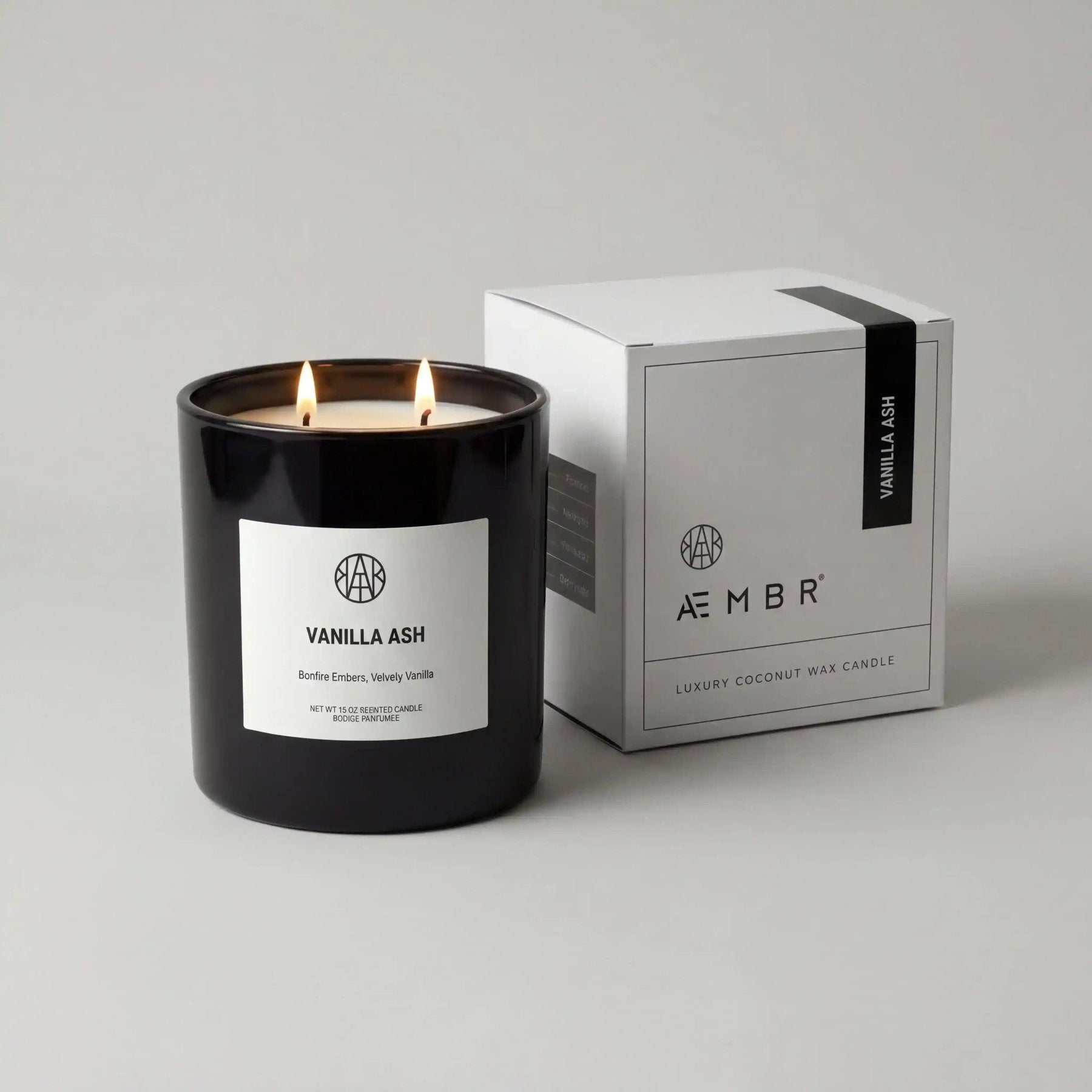
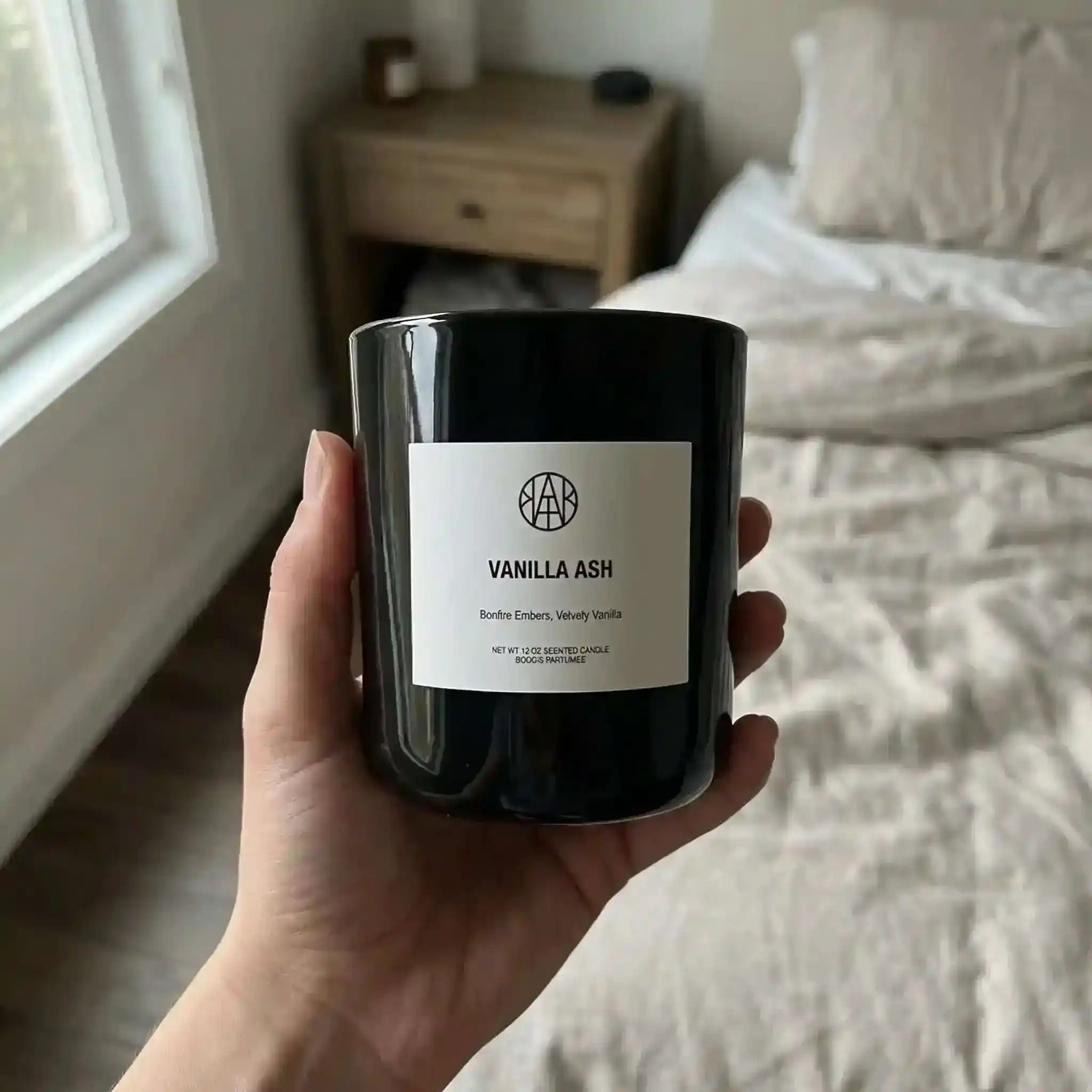
La decoración en una sala de estar minimalista debe ser intencional y seleccionada. Elige algunas piezas destacadas, como una gran impresión enmarcada, una vela escultórica o una alfombra texturizada, para añadir interés sin saturar el espacio. Las plantas son una excelente manera de introducir vida y color manteniendo la vibra minimalista.
Mantén las superficies despejadas, mostrando solo tus objetos favoritos. Usa el espacio negativo de manera estratégica; las áreas vacías pueden ser tan impactantes como las decoradas. Esta moderación es clave para lograr un aspecto equilibrado y armonioso.
Paso 5: Mantén tu sala de estar minimalista
Para mantener tu sala de estar minimalista con una sensación fresca, reevalúa regularmente tu espacio. Elimina los objetos que se acumulan con el tiempo y resiste la tentación de añadir decoraciones innecesarias. Abraza la simplicidad continua enfocándote en la calidad, la funcionalidad y tu sensación personal de calma.

El estilo minimalista en la sala de estar es un proceso en evolución. Siguiendo estos pasos y tomando decisiones conscientes, crearás un espacio atemporal y acogedor que favorece la relajación y la conexión.