
Mejor detergente natural para ropa: Una guía para soluciones de lavandería efectivas y más seguras

¿Por qué elegir detergente natural para ropa?
Elegir el mejor detergente natural para ropa puede parecer un cambio pequeño, pero a menudo tiene un gran impacto en la comodidad diaria y la tranquilidad. Muchas mujeres que manejan hogares ocupados quieren ropa limpia sin olores químicos persistentes, piel irritada o preocupación por lo que queda en la tela. Las opciones naturales se enfocan en fórmulas más simples que aún limpian bien, mientras reducen la exposición a ingredientes que pueden irritar la piel o provocar sensibilidades. Si alguna vez has vuelto a lavar toallas porque olían “demasiado perfumadas,” o notaste sequedad después de usar ropa recién lavada, un enfoque natural puede ayudarte a reiniciar tu rutina.

Comprendiendo los químicos agresivos en detergentes convencionales
Los detergentes convencionales pueden contener ingredientes diseñados para maximizar el aroma, el blanqueo y la eliminación de manchas en muchas condiciones. Algunas fórmulas dependen de fragancias fuertes, agentes ópticos y ciertos conservantes que pueden molestar a usuarios sensibles. Aunque no todos reaccionan, las personas con eczema, alergias o sensibilidad a las fragancias suelen notar problemas primero. Otra preocupación es la acumulación. Algunos aditivos pueden adherirse a las fibras, especialmente en lavados en frío o ciclos rápidos, lo que puede dejar la ropa rígida o menos transpirable. Si buscas detergentes para ropa sin químicos agresivos, el objetivo no es una “limpieza débil.” Es elegir una fórmula que limpie eficazmente evitando ingredientes que comúnmente causan irritación o dejan residuos pesados.
Beneficios del detergente para ropa de origen vegetal
Un detergente para ropa de origen vegetal típicamente utiliza surfactantes derivados del coco, maíz u otras fuentes renovables para eliminar aceites y suciedad de las telas. Estos surfactantes pueden ser muy efectivos, especialmente cuando se combinan con enzimas que atacan manchas de proteínas y aceites corporales. Muchas fórmulas naturales también evitan los perfumes fuertes y se enfocan en aromas ligeros, con bajo potencial alergénico o en opciones sin fragancia. Para hogares que lavan muchas cargas diarias—ropa de trabajo, ropa de gimnasio, uniformes de niños, sábanas—los detergentes de origen vegetal pueden ofrecer una limpieza constante sin fragancias abrumadoras. Cuando buscas el mejor detergente natural para ropa, busca un equilibrio entre agentes limpiadores y opciones amigables con la piel en lugar de una larga lista de “extras.”
Quién debería considerar un detergente seguro para piel sensible
Un detergente seguro para piel sensible vale la pena considerarlo si alguien en tu hogar sufre de picazón, enrojecimiento, desencadenantes de asma o irritación recurrente que parece empeorar después del día de lavado. También puede ayudar si lavas ropa de bebé, ropa interior, sujetadores o ropa de cama que permanece en contacto cercano con la piel durante horas. Muchas mujeres entre 35 y 65 años también notan cambios en la piel con el tiempo, incluyendo mayor sequedad o reactividad. Cambiar al mejor detergente natural para ropa puede ser un paso práctico, especialmente si se combina con un ciclo extra de enjuague y hábitos de secado sin fragancia. No se trata de perfección. Se trata de reducir los desencadenantes comunes en un lugar que puedes controlar.
Cómo funcionan realmente los detergentes naturales para ropa
El mejor detergente natural para ropa funciona usando surfactantes para aflojar la suciedad, enzimas para descomponer las manchas y el movimiento del agua para eliminar la suciedad. Natural no significa “solo jabón”. Muchas fórmulas modernas están diseñadas para funcionar en agua fría y en máquinas de alta eficiencia. La diferencia suele estar en lo que se omite: menos solventes agresivos, menos fragancias fuertes y menos aditivos innecesarios. Entender lo básico te ayuda a elegir con confianza y usar la cantidad correcta, que es uno de los factores más importantes para obtener resultados.

Ingredientes clave en el jabón ecológico para ropa
Los jabones y detergentes ecológicos para ropa suelen incluir surfactantes derivados de plantas, enzimas (como proteasa o amilasa) y suavizantes de agua como el citrato. Algunos usan carbonato de sodio o bicarbonato de sodio para controlar olores y mejorar la limpieza en aguas duras. También puedes encontrar agentes quitamanchas a base de oxígeno, que pueden aclarar sin cloro. Si prefieres un detergente seguro para piel sensible, busca opciones sin fragancia o claramente etiquetadas como hipoalergénicas, y evita los colorantes. Una lista corta de ingredientes puede ser útil, pero el rendimiento también importa. El mejor detergente natural para ropa suele combinar algunos ingredientes probados en lugar de depender de un solo componente “milagroso”.
Cómo se logra el poder de limpieza sin químicos agresivos
La limpieza ocurre cuando los tensioactivos rodean las manchas grasas y las levantan de las fibras, permitiendo que se enjuaguen. Las enzimas añaden poder específico al descomponer tipos de manchas particulares, como sudor, comida o césped. La temperatura del agua y la agitación también influyen. Si has probado productos naturales antes y te han parecido insuficientes, la dosificación pudo ser el problema. Usar muy poco puede dejar manchas, mientras que usar demasiado puede causar residuos. Una buena opción de detergente natural para ropa debe ofrecer instrucciones claras de dosificación según el tamaño de la carga, nivel de suciedad y dureza del agua. Combinarlo con una clasificación adecuada y pretratamiento de manchas suele cerrar la brecha con las fórmulas convencionales.
Errores comunes sobre los productos naturales para ropa
Un error común es pensar que los productos naturales no pueden controlar los olores. En realidad, el control de olores depende de eliminar los aceites y bacterias que causan los malos olores, no de enmascararlos con perfume. Otro error es creer que “jabón” y “detergente” son lo mismo. El jabón verdadero puede reaccionar con el agua dura y crear residuos, mientras que los tensioactivos de detergente están diseñados para enjuagar mejor. Además, “sin fragancia” no siempre significa libre de fragancia. Algunos productos usan fragancias enmascarantes para neutralizar olores. Si buscas detergentes para ropa sin químicos agresivos, lee las etiquetas con cuidado y elige productos que indiquen claramente “sin fragancia” si eso es tu prioridad. El mejor detergente natural para ropa debe dejar la tela limpia, no cubierta.
Encontrar el mejor detergente natural para ropa para tu familia
Encontrar el mejor detergente natural para ropa es más fácil cuando adaptas la fórmula a las necesidades reales de tu hogar. Piensa en lo que lavas más: ropa de ejercicio, toallas de cocina, telas delicadas o mucha ropa de cama. Considera también la dureza del agua, porque el agua dura puede reducir el rendimiento de limpieza y causar que los blancos se vean opacos. Para muchas familias, la opción “mejor” no es la más cara. Es la que limpia de forma constante, enjuaga bien y no causa irritación. Un poco de planificación al principio puede ahorrarte dinero y frustración después.

Qué buscar en la etiqueta
Comienza con lo básico: divulgación clara de ingredientes, instrucciones de dosificación y compatibilidad con tu tipo de lavadora. Busca tensioactivos de detergente para ropa a base de plantas, soporte enzimático y transparencia en la fragancia. Si quieres detergentes para ropa sin químicos agresivos, evita tintes fuertes, perfumes intensos y blanqueadores innecesarios. Si tienes agua dura, busca agentes suavizantes como el citrato, o planea añadir un potenciador diseñado para agua dura. También revisa la concentración. Una fórmula concentrada puede reducir el embalaje y durar más, pero solo si dosificas correctamente. El mejor detergente natural para ropa facilitará medir y usar de forma constante.
Características principales para piel sensible y alergias
Para un detergente seguro para piel sensible, prioriza opciones sin fragancia, reclamos dermatológicamente probados (cuando estén disponibles) y con pocos aditivos. Las enzimas pueden ayudar en la limpieza, pero algunas personas son sensibles a ellas, así que presta atención a cómo responde la piel después de unos lavados. Elige productos que enjuaguen bien y evita suavizantes si hay irritación, ya que suelen dejar una capa. Si quieres mayor seguridad, realiza un ciclo de enjuague adicional para ropa interior, pijamas y sábanas. El mejor detergente natural para hogares sensibles es el que limpia bien sin dejar rastro de fragancia ni residuos.
Comparando polvo, líquido y cápsulas
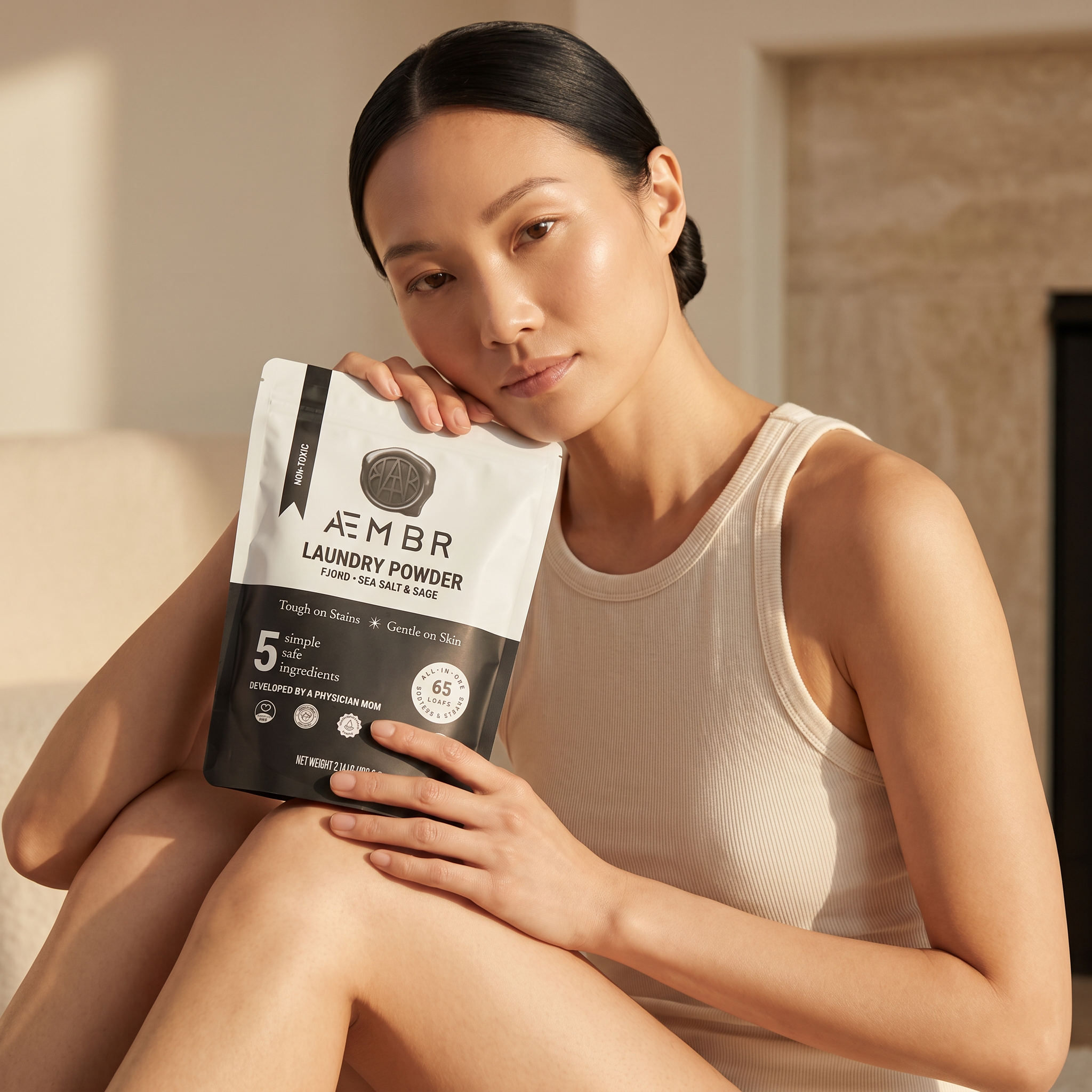
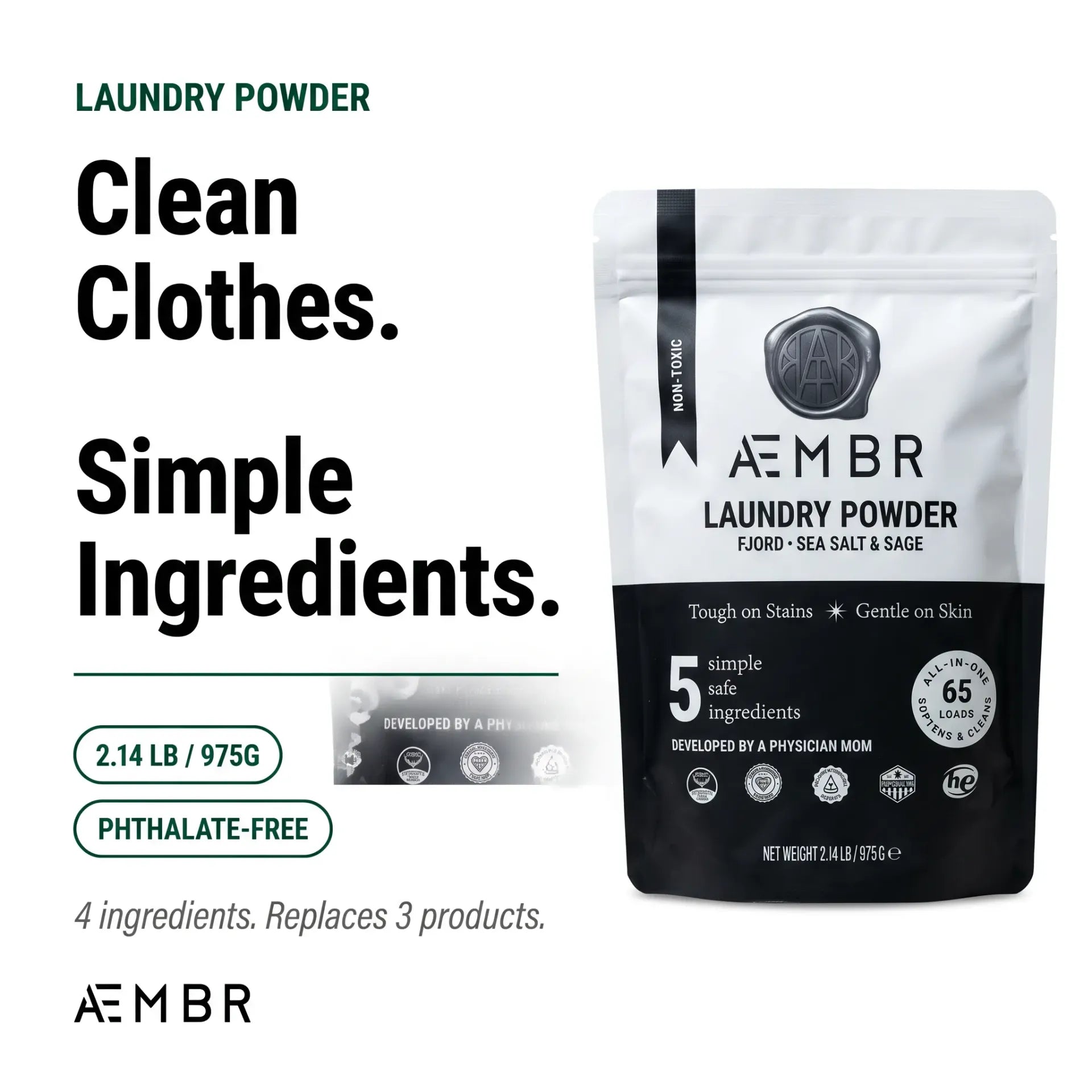
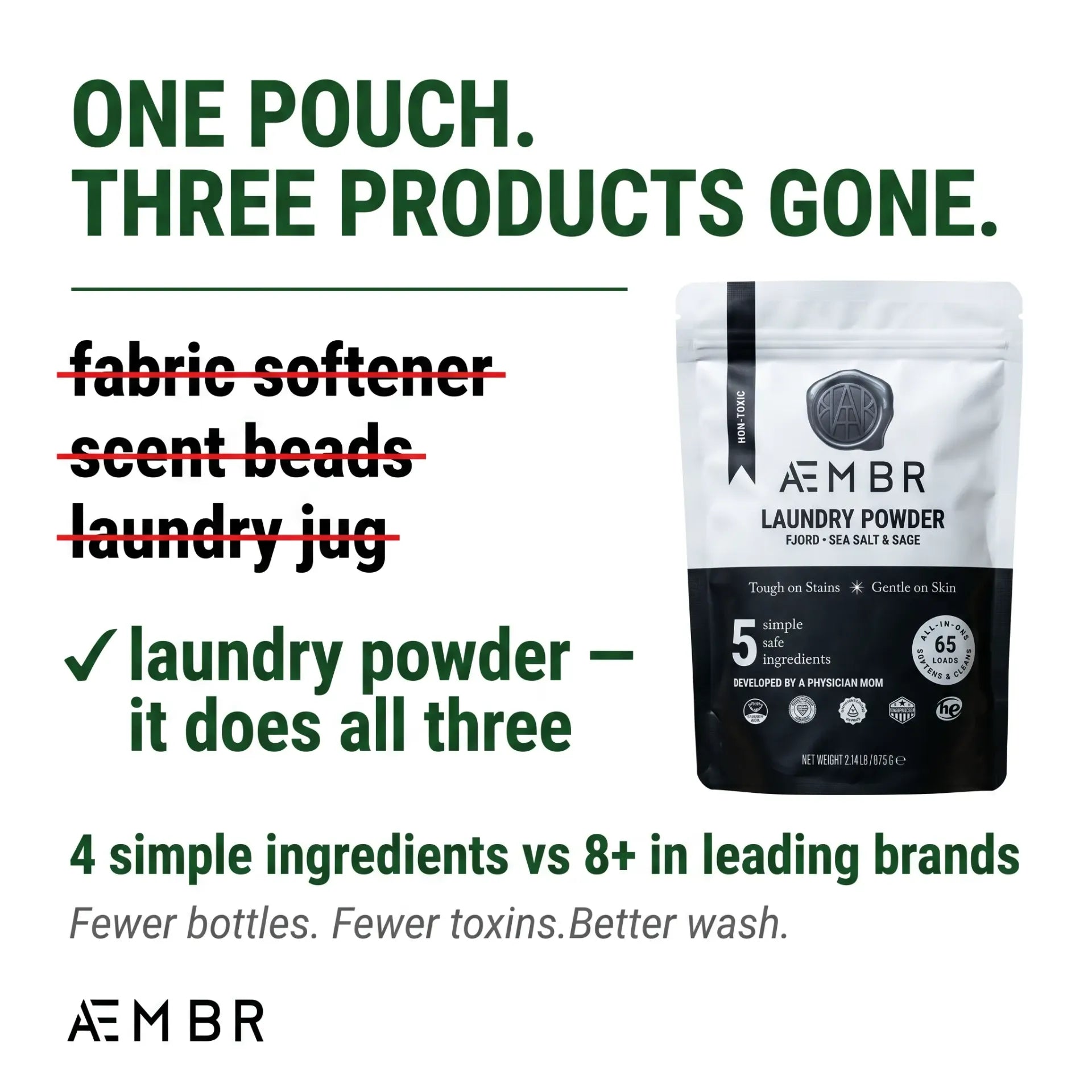
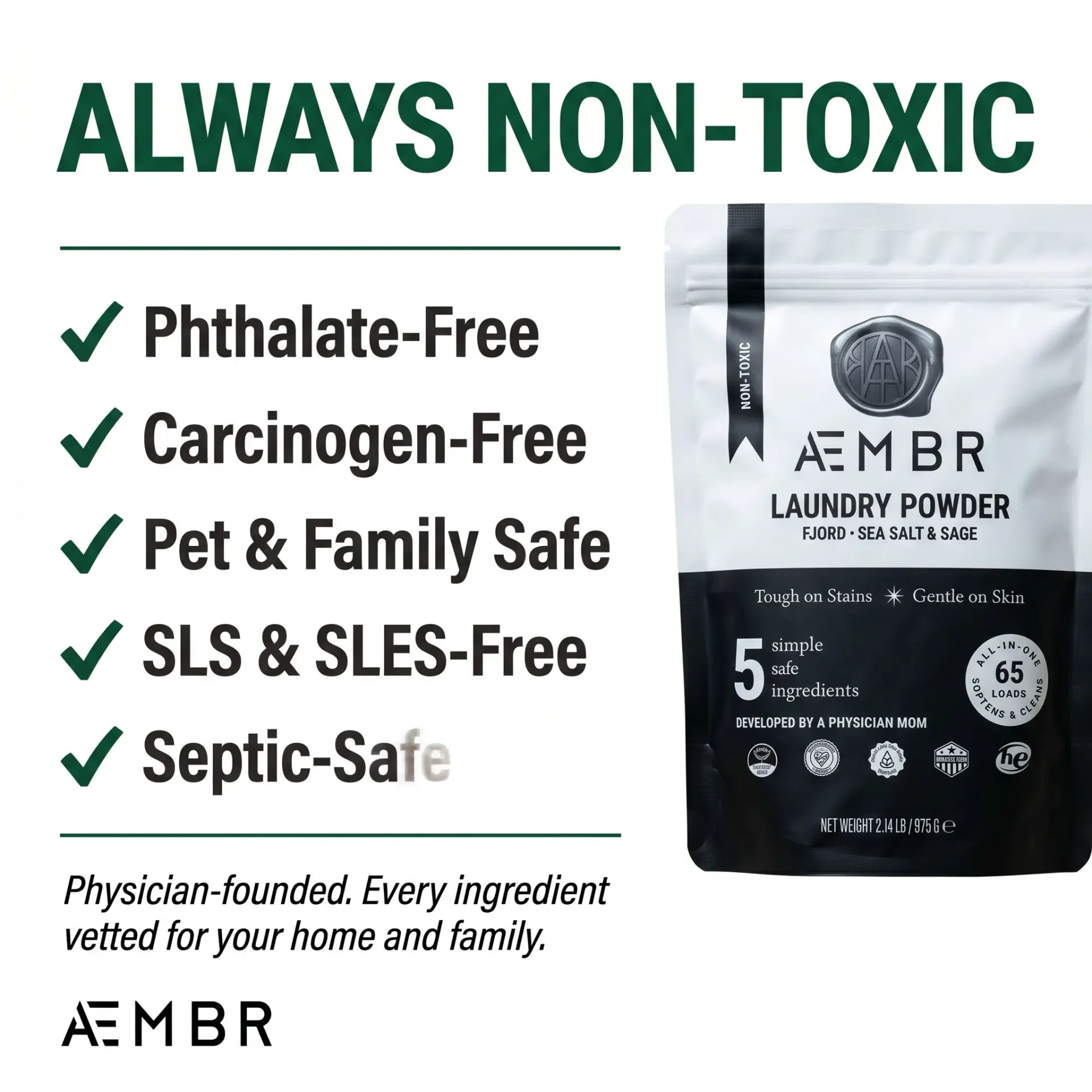
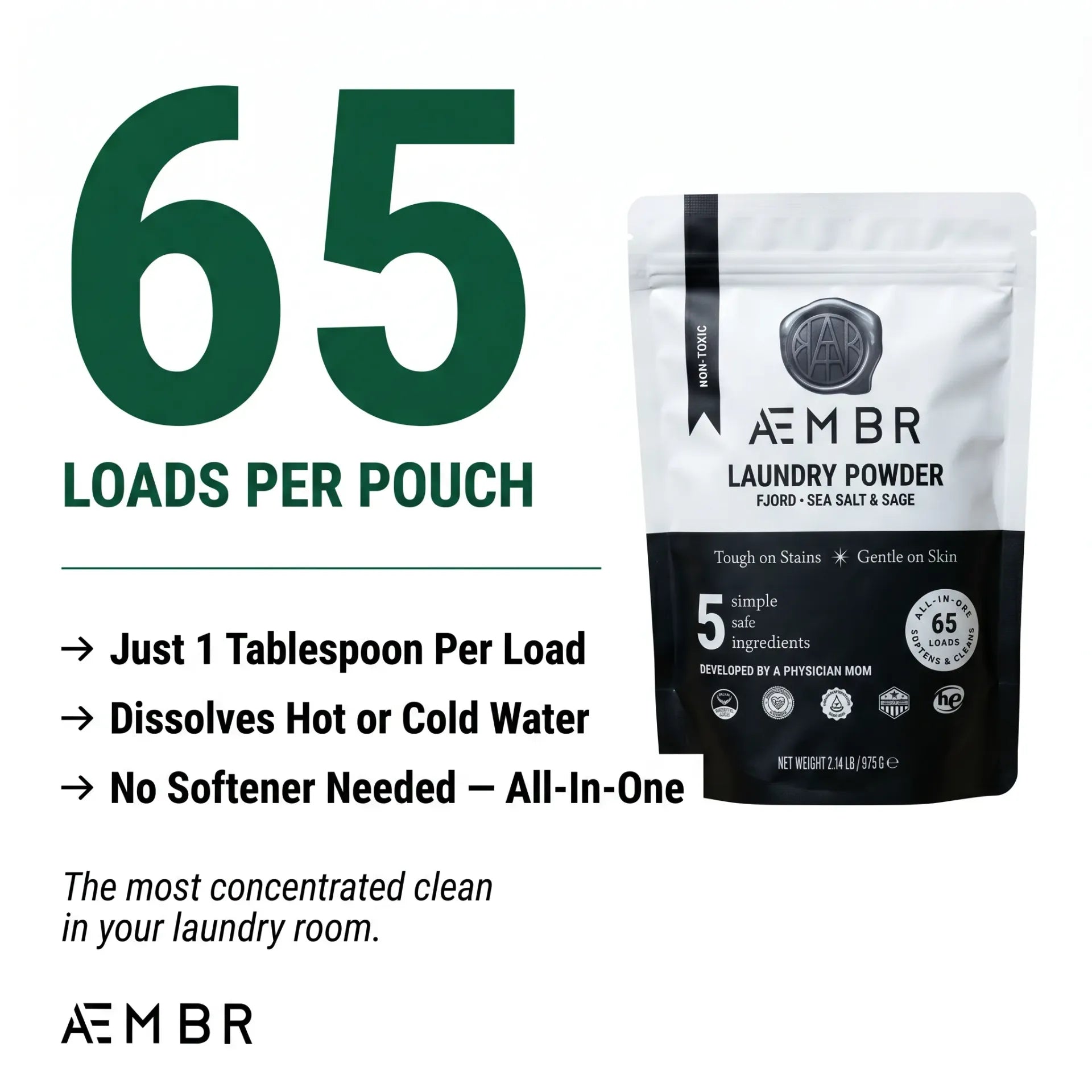
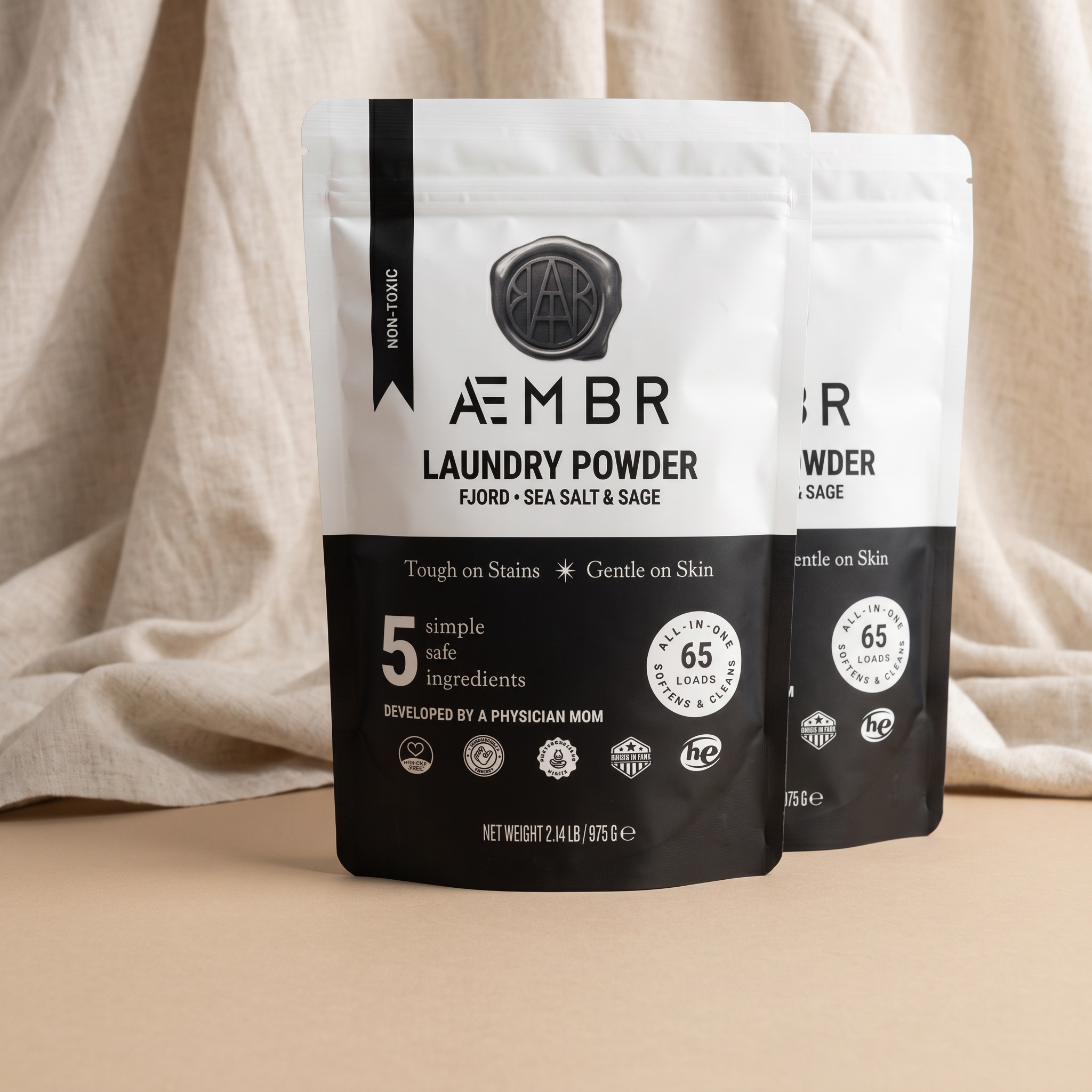
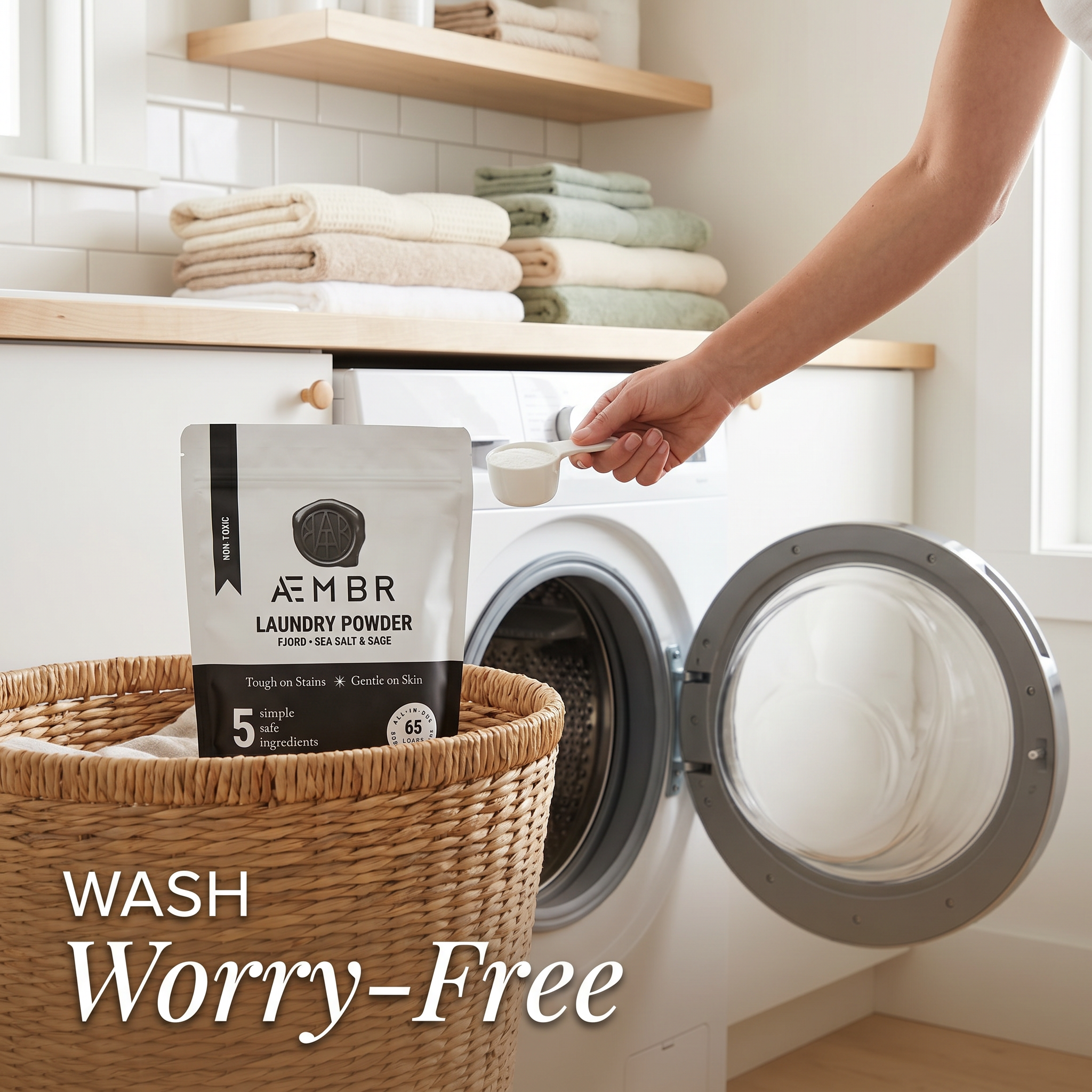
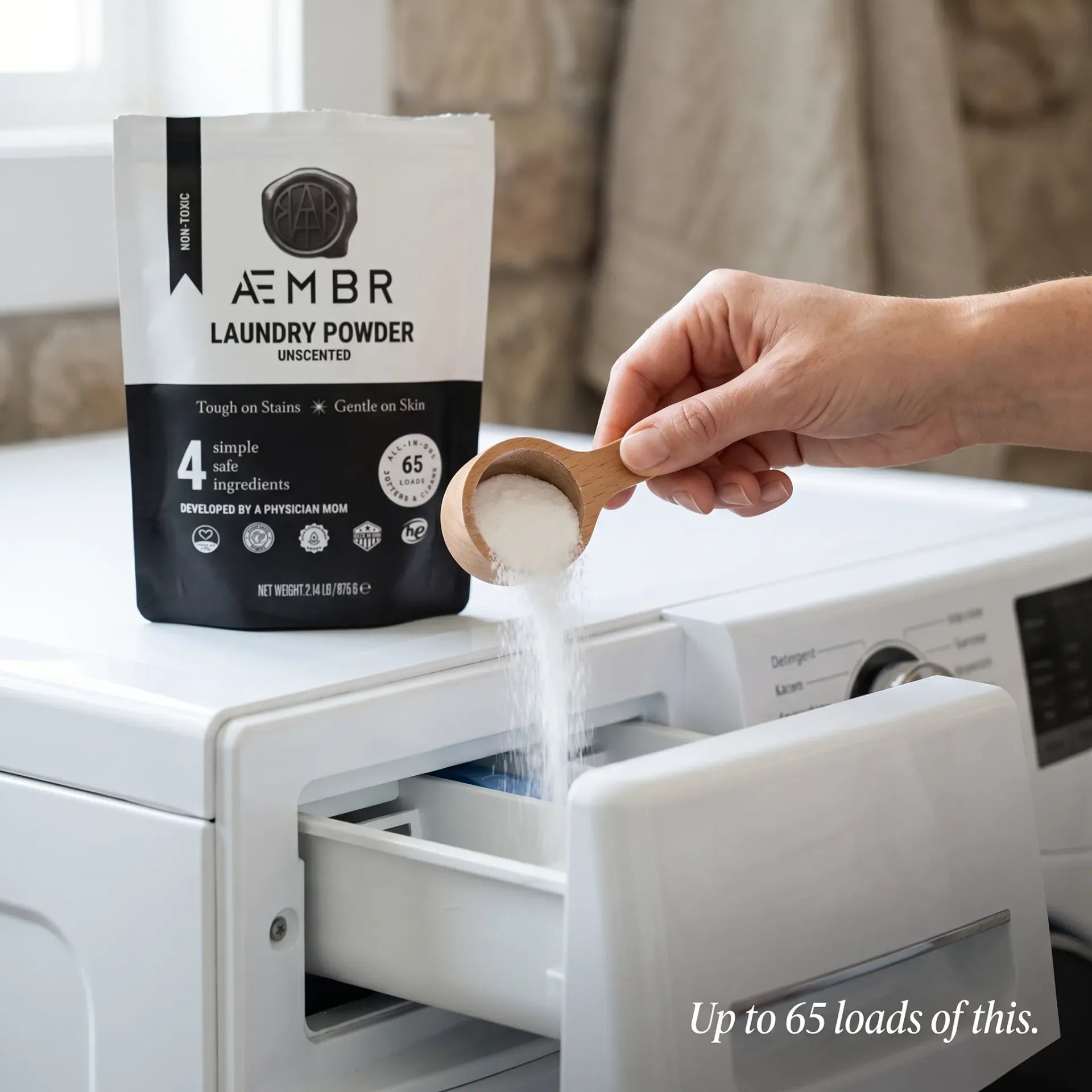
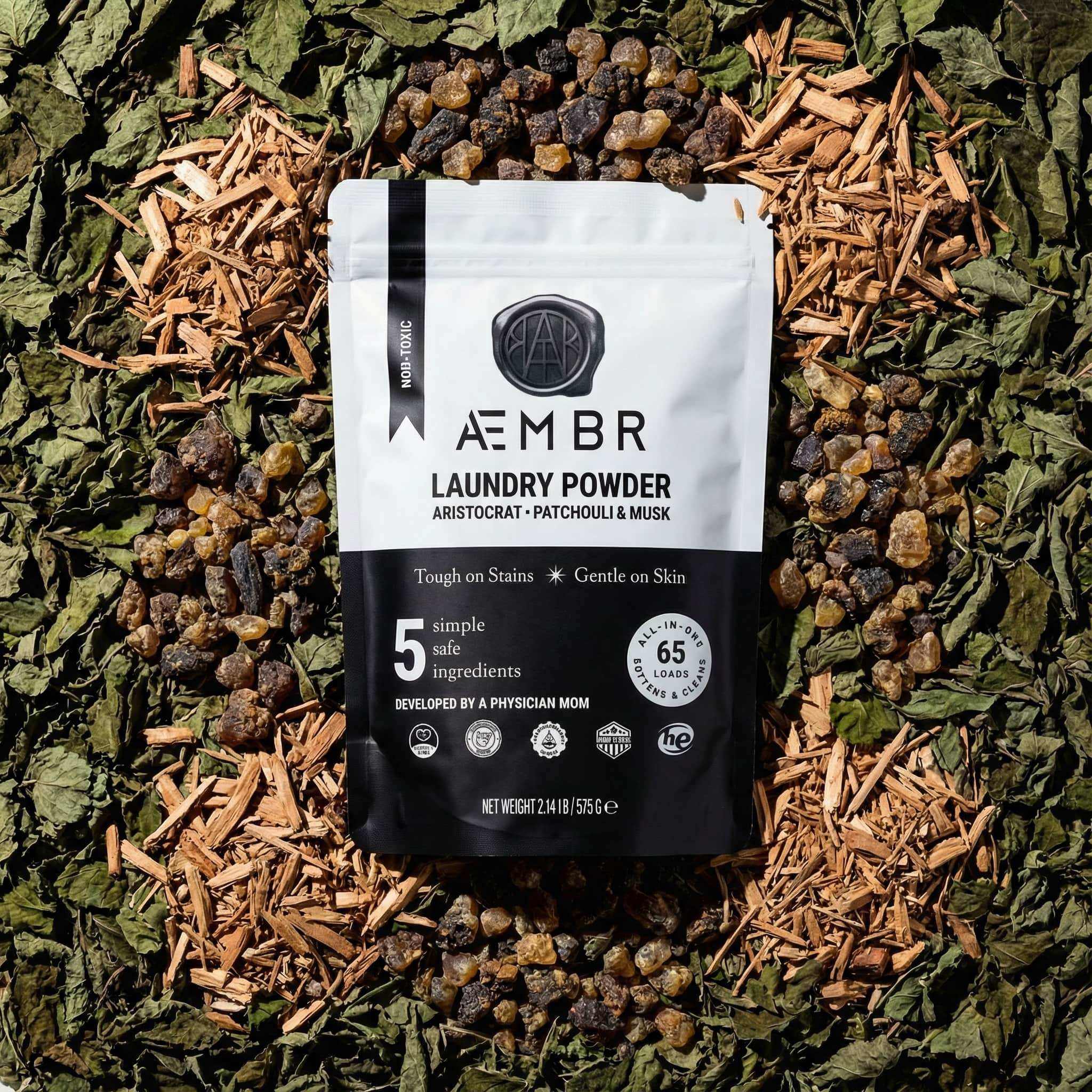
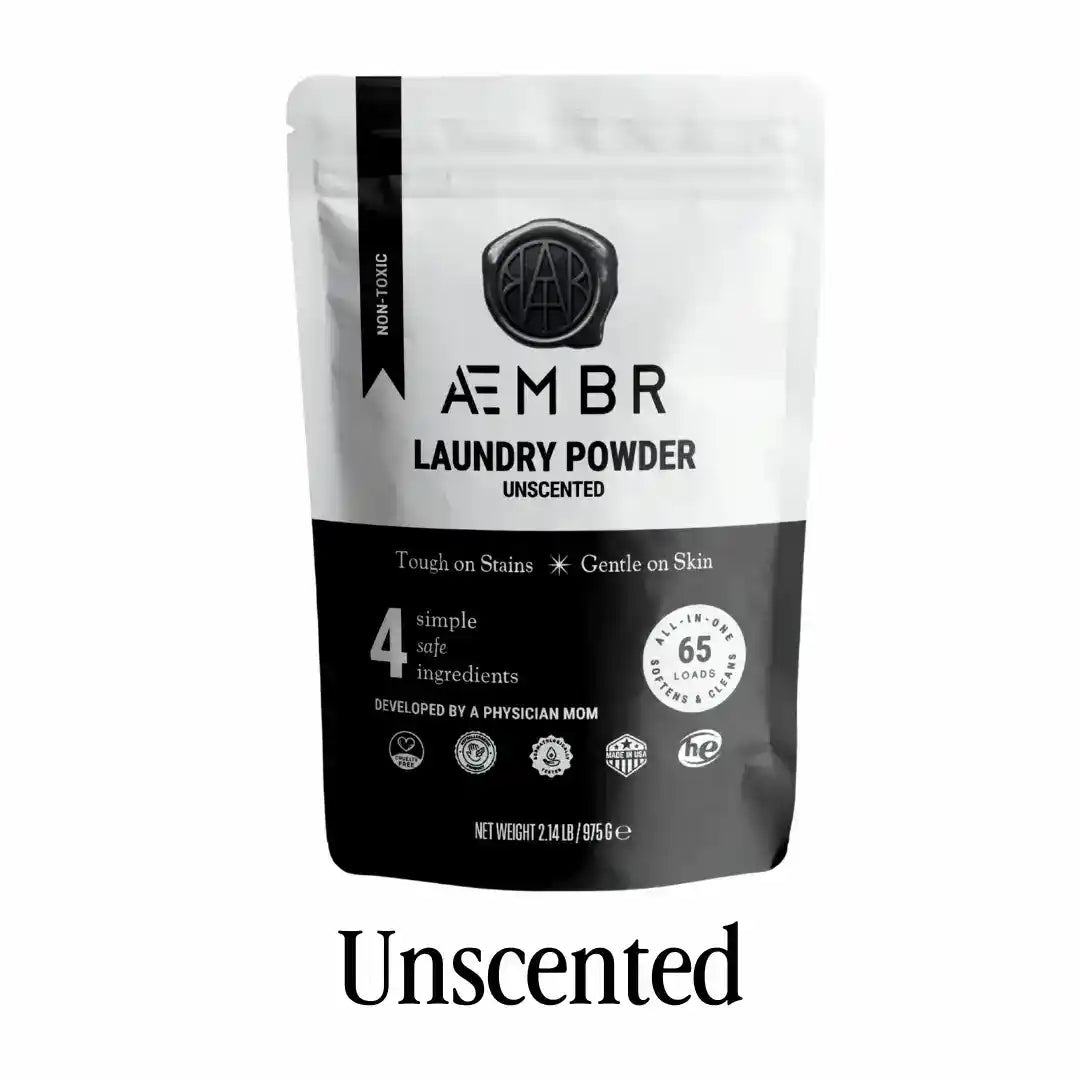
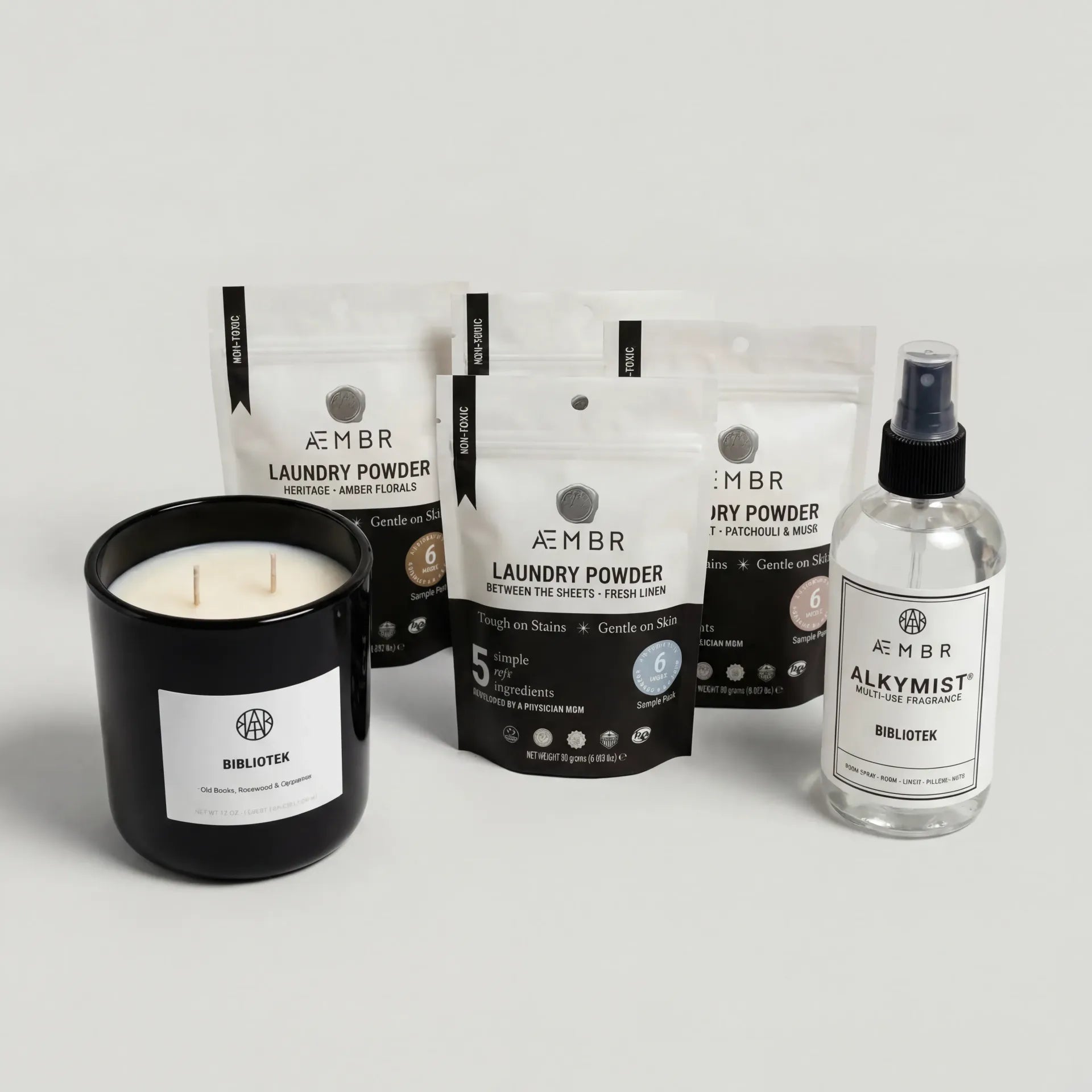
Los polvos suelen funcionar bien contra olores y pueden ser ideales para rutinas ecológicas de lavado, especialmente en agua tibia. Pueden tener dificultad para disolverse en lavados muy fríos a menos que estén formulados para ello (por ejemplo, el Polvo para Lavar de AEMBR). Los líquidos se disuelven fácilmente y funcionan bien para pretratar manchas, pero es común excederse en la cantidad y eso puede causar acumulación. Las cápsulas son convenientes y reducen errores de medición, pero pueden ser más difíciles de ajustar para cargas pequeñas o ropa poco sucia. Si te enfocas en el mejor detergente natural para ropa, elige el formato que usarás correctamente cada vez. La consistencia supera la complejidad, especialmente en hogares ocupados.
Detergentes para ropa recomendados sin químicos agresivos
Cuando estés reduciendo opciones, enfócate en señales de rendimiento en lugar de palabras de moda publicitarias. El mejor detergente natural para ropa debe limpiar la suciedad diaria, controlar los olores y enjuagar sin dejar la tela con sensación cerosa. Busca productos posicionados como detergentes para ropa sin químicos agresivos, con agentes limpiadores derivados de plantas y opciones claras de fragancia. Muchos compradores también prefieren empaques reciclables o sistemas de recarga, que pueden reducir residuos con el tiempo. Tu elección “principal” dependerá de si priorizas cuidado sin fragancia, fuerte soporte contra manchas o recargas económicas.

Marcas de detergentes para ropa a base de plantas con alta valoración
En lugar de nombrar competidores específicos, usa una lista simple para identificar opciones bien valoradas en cualquier tienda o en línea. Busca un detergente para ropa a base de plantas con: surfactantes derivados de plantas, soporte enzimático para manchas y etiquetado transparente sobre fragancias y colorantes. Reseñas que mencionen “enjuaga bien”, “sin residuos” y “ayudó con la picazón” pueden ser más útiles que reseñas enfocadas solo en el aroma. Si en tu hogar hay piel sensible, prioriza primero sin fragancia y luego prueba una versión ligeramente perfumada si lo deseas. El mejor detergente natural para ropa suele ser el que funciona discretamente en segundo plano, carga tras carga.
Consejos para elegir un jabón ecológico para lavar ropa según tus necesidades
Comienza con la categoría más difícil: toallas, sábanas o ropa deportiva. Si un producto funciona bien con esas, usualmente manejará la ropa diaria sin problema. Para cargas propensas a olores, elige fórmulas con enzimas y considera lavar con agua tibia cuando el tejido lo permita. Para telas delicadas, elige una fórmula más suave y evita sobredosificar. Si buscas opciones ecológicas para lavar ropa, considera productos concentrados, bolsas de recarga o empaques de cartón. También considera tu agua. En agua dura, incluso el mejor detergente natural puede necesitar un potenciador o una dosis ligeramente mayor para evitar que la ropa se vea opaca y rígida.
Opciones económicas vs. premium
Los detergentes naturales económicos pueden funcionar muy bien si incluyen surfactantes efectivos y una guía clara de dosificación. Las opciones premium pueden ofrecer mejor control de fragancia, aromas más refinados o fórmulas más concentradas que reducen el costo por carga. La clave es el costo por lavado, no el precio en etiqueta. Si estás probando un detergente seguro para piel sensible, puede valer la pena pagar un poco más por fórmulas sin fragancia ni colorantes que enjuagan bien. Sin importar el rango de precio, el mejor detergente natural para ropa no debería requerir que uses el doble de dosis para cargas normales. Si lo hace, puede que no sea la mejor opción.
Cómo hacer la transición al detergente natural para ropa de manera efectiva
Cambiar al mejor detergente natural para ropa suele ser sencillo, pero unos pocos pasos simples pueden evitar frustraciones comunes. El mayor problema que enfrentan las personas es el residuo que queda de productos anteriores, lo que puede hacer que la ropa huela “raro” durante los primeros lavados. Otro problema son los hábitos de dosificación. Muchos aprendimos a echar más detergente para una “limpieza extra”, pero eso a menudo provoca acumulación. Una transición cuidadosa te ayuda a evaluar el nuevo detergente de forma justa y obtener los resultados limpios y frescos que deseas.

Guía paso a paso para cambiar
Primero, limpia tu lavadora si no se ha hecho recientemente. Ejecuta un ciclo caliente con un limpiador para lavadoras o una rutina de limpieza simple recomendada por el fabricante de tu máquina. Luego, lava unas cuantas cargas de toallas o sábanas usando el nuevo detergente en la dosis recomendada. Añade un enjuague extra en las primeras cargas para ayudar a eliminar residuos antiguos. Si cambias por irritación, comienza con uno sin fragancia. Después de una o dos semanas, evalúa cómo se sienten las telas y cómo responde la piel. El mejor detergente natural para ropa debería hacer que la ropa se sienta limpia y transpirable, no recubierta.
Maximizando resultados: consejos y trucos para lavar
Usa la cantidad correcta de detergente según el tamaño de la carga y el nivel de suciedad. Más no siempre es mejor. Separa la ropa por nivel de suciedad, no solo por color, para que las prendas muy sucias reciban el ciclo adecuado. Pretrata las manchas rápidamente con una pequeña cantidad de detergente líquido o un quitamanchas que se ajuste a tus preferencias de ingredientes. Para los olores, no dejes la ropa húmeda en la lavadora. Pásala a la secadora rápidamente o cuélgala para que se seque. Si usas opciones de jabón ecológico para ropa, recuerda que un buen enjuague es parte del rendimiento. El mejor detergente natural para ropa funciona mejor cuando tu rutina lo apoya.
Problemas comunes y cómo superarlos
Si la ropa se ve opaca, el agua dura puede ser la causa. Añade un potenciador para ablandar el agua o elige un detergente formulado para agua dura. Si los olores persisten, reduce la sobredosificación de detergente y usa ciclos más calientes para las toallas cuando sea posible. Si ves residuos en ropa oscura, reduce la dosis y añade un enjuague extra. Si la irritación de la piel continúa, revisa si hay fragancias ocultas, tintes o sensibilidad a ciertas enzimas. Un detergente seguro para piel sensible debería reducir los desencadenantes, pero puede que necesites simplificar toda la rutina, incluyendo evitar suavizantes perfumados y hojas para secadora. El mejor detergente natural para ropa debería hacer que lavar sea más fácil, no un proyecto de química.
Preguntas frecuentes sobre detergentes seguros para ropa
¿Funcionan los detergentes naturales para ropa en manchas difíciles?
Sí, muchos lo hacen, especialmente cuando incluyen enzimas y agentes quitamanchas a base de oxígeno. Para mejores resultados, trate las manchas temprano y ajuste la temperatura del lavado según la etiqueta de cuidado de la tela. Las manchas de grasa suelen responder bien al pretratamiento con una pequeña cantidad de detergente aplicada en la zona. Las manchas de proteínas como la sangre funcionan mejor con agua fría al principio. Si eliges el mejor detergente natural para ropa pero omites el pretratamiento, es posible que las manchas incrustadas persistan. La limpieza natural funciona mejor como un sistema: buena fórmula, dosis correcta y hábitos inteligentes para tratar manchas.
¿Se puede usar detergente para ropa a base de plantas en máquinas HE?
La mayoría de las opciones de detergente para ropa a base de plantas son compatibles con máquinas HE, pero debes confirmar que la etiqueta indique que es seguro para HE. Las lavadoras HE usan menos agua, por lo que las fórmulas de baja formación de espuma son importantes. Usar demasiado detergente en una máquina HE puede causar acumulación y olores con el tiempo. Mide con cuidado y considera un enjuague extra si estás cambiando de productos muy perfumados. El mejor detergente natural para ropa para máquinas HE enjuagará bien y mantendrá tu lavadora con un olor fresco sin depender de perfumes fuertes.
Cómo almacenar y usar jabón ecológico para ropa
Guarda el jabón y detergentes ecológicos para ropa en un lugar fresco y seco, especialmente los polvos y cápsulas. Mantén las tapas bien cerradas para evitar que se apelmacen y la exposición a la humedad. Usa herramientas de medición limpias y evita verter sobre el tambor de la lavadora donde las salpicaduras pueden contaminar el envase. Si compras concentrados, sigue las líneas de dosificación exactamente. Los productos concentrados pueden ser muy rentables si se usan correctamente. El mejor detergente natural para ropa debe durar tanto como indica la etiqueta, sin necesidad de usar más producto para “sentir” limpieza.
Conclusión: Tomando decisiones limpias y seguras para tu hogar
Resumen de puntos clave
El mejor detergente natural para ropa combina surfactantes efectivos para la limpieza, un soporte inteligente contra manchas y una fórmula que enjuaga bien. Si quieres detergentes sin químicos agresivos, enfócate en la transparencia de fragancias, opciones sin colorantes y ingredientes que se adapten a las necesidades de tu hogar. Para un detergente seguro para piel sensible, sin fragancia suele ser el punto de partida más sencillo. La dureza del agua, la dosificación y los hábitos de la lavadora pueden hacer la diferencia en los resultados, incluso con un gran producto.
Motivación para hacer el cambio
Si has estado pensando en cambiar tu rutina de lavado, comienza con un solo cambio de producto y dale dos semanas. Presta atención a cómo se sienten las prendas, cómo huelen las toallas después de secarse y cómo reacciona tu piel. Las pequeñas mejoras se acumulan, especialmente cuando el lavado es una constante semanal. El mejor detergente natural para ropa debe apoyar tu hogar de manera práctica: limpiar las telas, menos irritantes y menos olor químico persistente.
Próximos pasos: Dónde comprar y qué probar primero
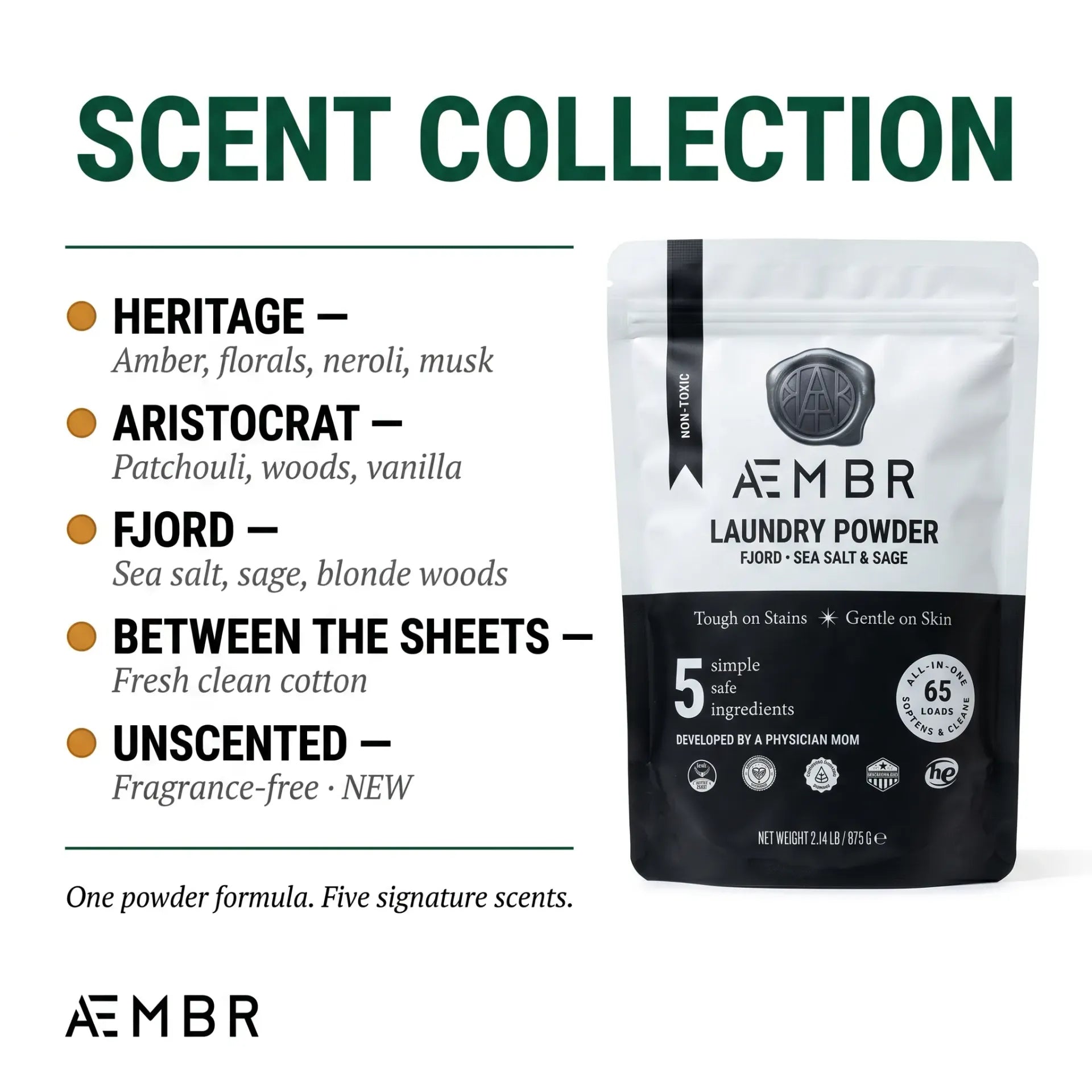
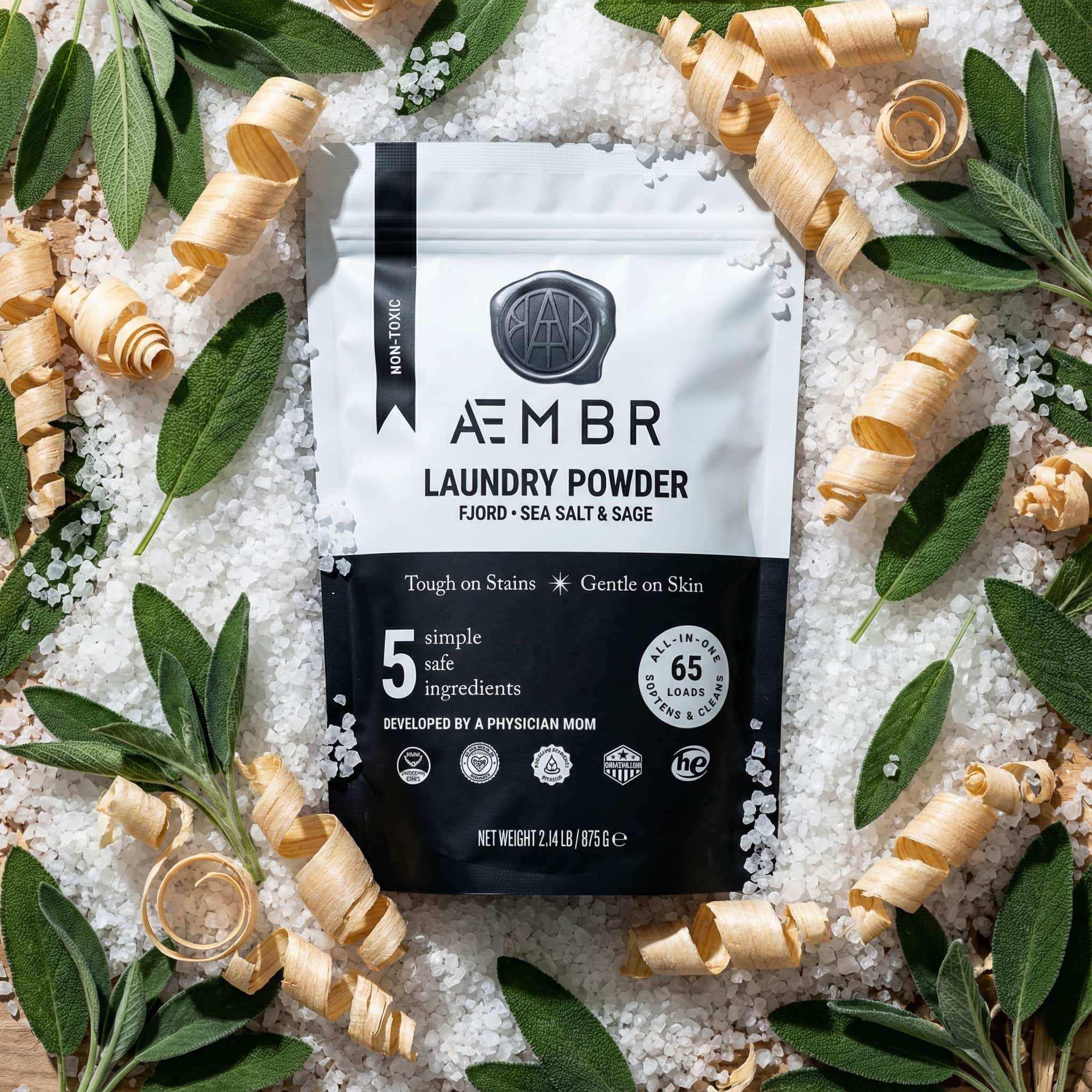
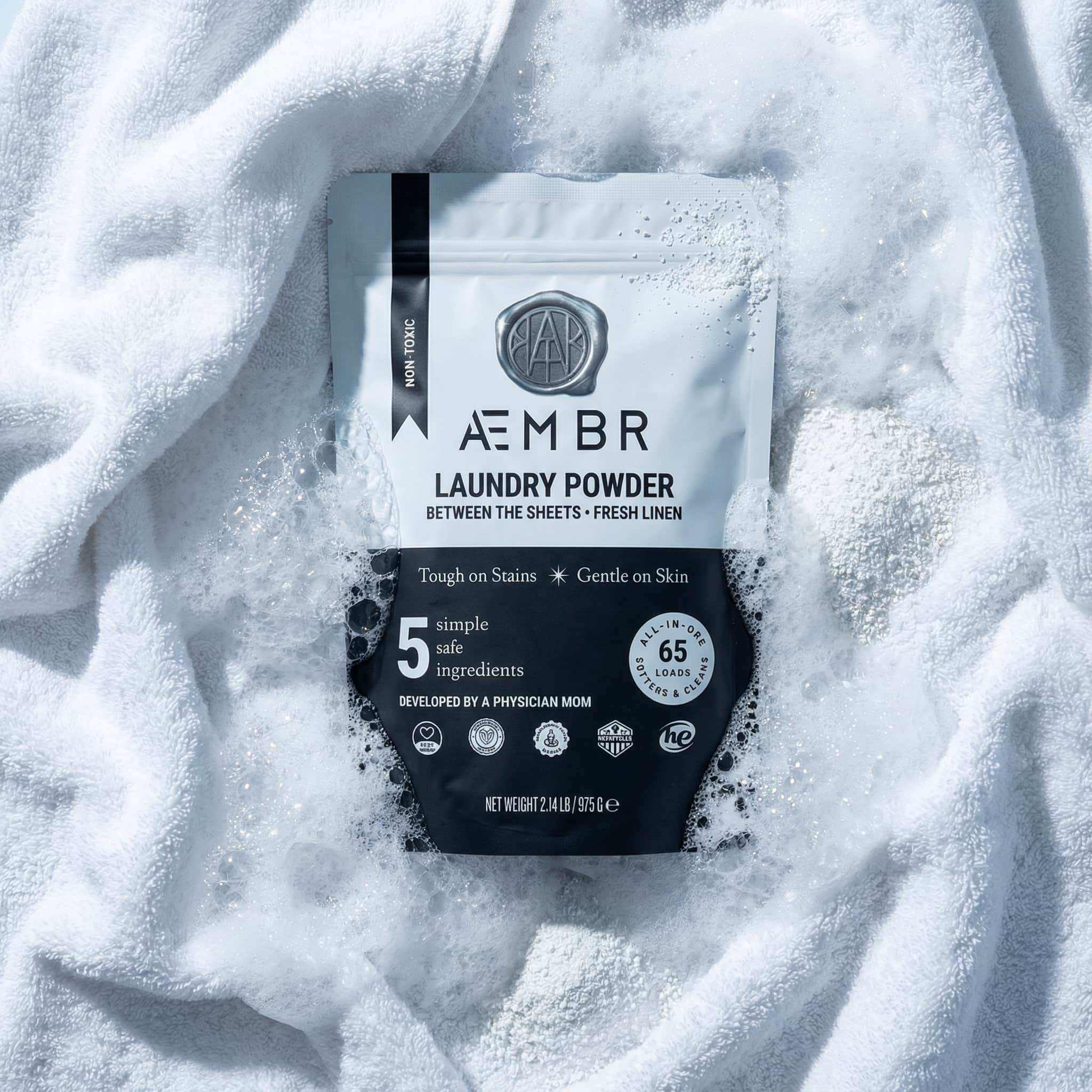
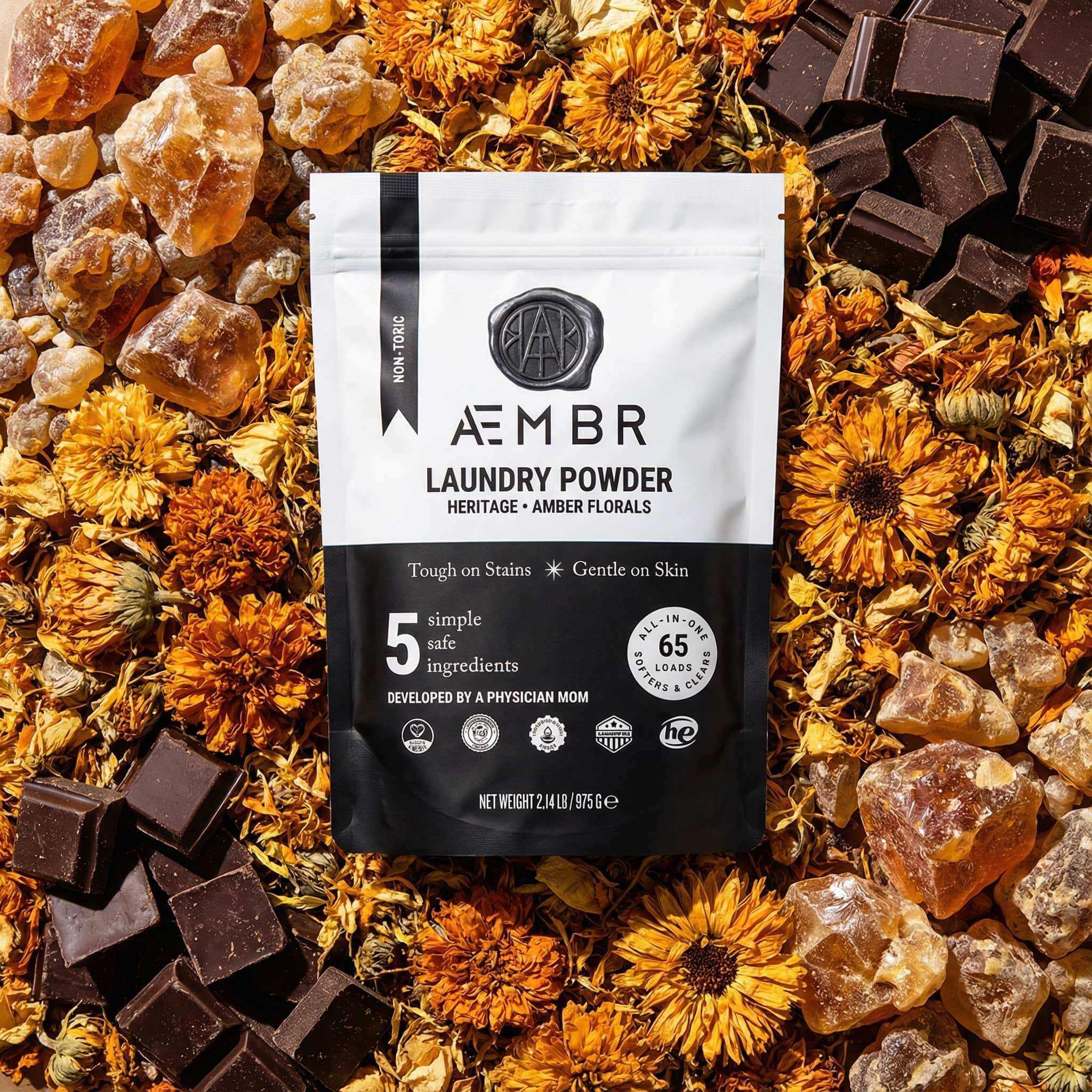
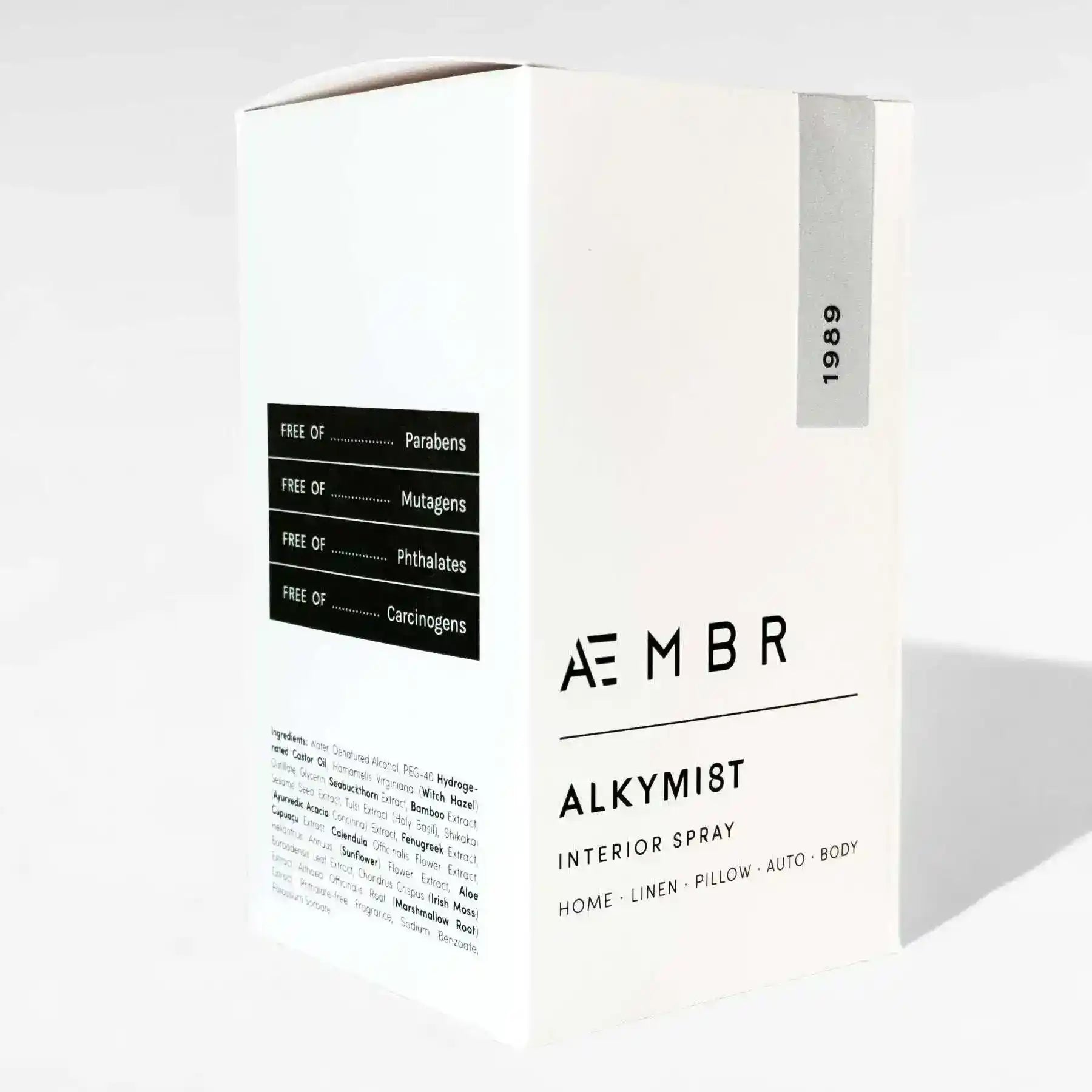
Puedes encontrar las mejores opciones de detergente natural para ropa en muchos supermercados, grandes tiendas y tiendas en línea. Comienza con un detergente para ropa sin fragancia y a base de plantas si tienes sensibilidad, o una opción ligeramente perfumada si aún quieres un aroma fresco sutil. AEMBR ofrece una variedad de opciones con fragancias seguras, así como una opción sin fragancia. Elige un tamaño que te permita probar sin comprometerte demasiado, luego ajusta según la dureza del agua y tus hábitos de lavado. Una vez que encuentres una fórmula que funcione, considera concentrados o opciones de recarga para simplificar la reposición y reducir residuos.