



The Difference Between Clean, Green, Natural, and Non-Toxic (They Are Not the Same)

The Difference Between Clean, Green, Natural, and Non-Toxic (They Are Not the Same)
By Kristina Braly, MD — Founder, AEMBR
Walk the cleaning products aisle — physical or digital — and you'll encounter some version of these four words on nearly every label: clean, green, natural, non-toxic. They feel like they mean something similar. They often get used interchangeably in marketing copy. They do not mean the same thing, and in most cases, they don't mean anything at all in a regulatory sense.
This is worth understanding clearly, because the confusion serves brands more than it serves you.
"Natural": The Most Meaningless of the Four
"Natural" is an unregulated term in both cosmetics and household cleaning products under US law. The FDA has explicitly stated it has not defined the term "natural" for cosmetic labeling. The EPA does not define it for cleaning products. The FTC's Green Guides address environmental marketing claims but don't establish a definition for "natural" either.
In practice, "natural" on a label can mean anything from "contains one plant-derived ingredient" to "the entire formula is plant-derived" to "we feel like this product has a natural vibe." There is no third-party verification requirement. There is no minimum plant-derived content threshold. There is no restriction on what other ingredients can accompany the "natural" ones.
Additionally, natural origin does not equal safety. Arsenic is natural. Ricin is natural. Many essential oil components are potent sensitizers at common use concentrations. The implied equivalence between "natural" and "safe" is not supported by toxicology and exploits a conflation that marketing copy actively cultivates.
When you see "natural" on a cleaning or home fragrance product, set it aside entirely as a signal. It tells you almost nothing about what's in the product.
"Green": An Environmental Claim, Not a Safety Claim
"Green" is primarily an environmental positioning term — it signals (or implies) reduced environmental impact rather than ingredient safety. The FTC's Green Guides do apply here: environmental marketing claims must be specific, substantiated, and not misleading. Broad unqualified "green" claims without specific environmental benefit are technically in FTC guidance territory for scrutiny.
In practice, enforcement is limited and the term remains widely used without substantiation. "Green" products may use biodegradable surfactants, recycled packaging, reduced-water formulas, or renewable ingredient sourcing — all of which are genuine environmental distinctions. Or "green" may be a visual design choice involving a leafy logo.
More importantly: "green" says nothing about ingredient safety for human exposure. A product can use highly biodegradable surfactants and still contain undisclosed fragrance compounds, synthetic dyes, or optical brighteners. Environmental profile and human safety profile are related but distinct questions.
When you see "green," ask what specific environmental claims are being made and whether they're substantiated. Don't read it as a safety signal.
"Non-Toxic": A Safety Claim With No Legal Definition
"Non-toxic" sounds like the most meaningful of the four terms — it's a direct safety claim. But like "natural," it is not defined or regulated for consumer cleaning or home fragrance products under US law.
The Consumer Product Safety Commission has a definition of "toxic" for labeling purposes under the Federal Hazardous Substances Act — a product is "toxic" if it can produce personal injury or illness to humans when inhaled, swallowed, or absorbed through the skin. "Non-toxic" on a label means only that the brand believes the product doesn't meet that definition. There's no independent verification requirement, no threshold for constituent ingredient safety, and no prohibition on using "non-toxic" alongside ingredients with documented chronic exposure concerns.
EWG's Verified program and MADE SAFE certification both require ingredient disclosure and ingredient-level safety evaluation against a defined hazard list. Products carrying those certifications have cleared a substantive review process. The certification mark is meaningful. The word "non-toxic" alone, without a certification, is not.
I wrote about this in more detail in the post on what "non-toxic" actually means.
"Clean": The Most Variable of All
"Clean" is perhaps the most contextually variable term in the group. In clean beauty and clean home spaces, it has an informal meaning that's evolved within the industry: products formulated without a specific list of ingredients that have been flagged by advocacy organizations, independent researchers, or brand standards. Sephora's Clean at Sephora program, for instance, maintains a published list of excluded ingredients. That list is their standard — not a regulatory standard, but a defined and published one you can evaluate.
The problem is that different brands and retailers define "clean" differently. There is no unified "clean" standard. One brand's "clean" formulation might exclude 10 ingredients; another's might exclude 1,500. Without knowing whose clean standard is being applied, the word conveys minimal information.
"Clean" does signal something meaningful when: (1) the brand publishes their specific "free from" list and you can evaluate it, or (2) the brand carries a third-party certification with a known and published standard. On its own, as an uncontextualized marketing term, it's not a reliable signal of anything specific.
What to Look for Instead
Rather than using any of these four terms as a purchasing shortcut, here's what actually tells you something:
Full ingredient disclosure. A brand that lists every ingredient — including fragrance components — on their product page has made a transparency choice that none of these four marketing terms require. You can then evaluate the ingredient list directly using resources like EWG's Skin Deep database, ChemSec's SIN List, or published toxicology literature.
Third-party certifications with published standards. EWG Verified, MADE SAFE, and EPA Safer Choice all have published criteria and independent review processes. A label claim substantiated by one of these certifications is a different kind of claim than an unverified marketing term.
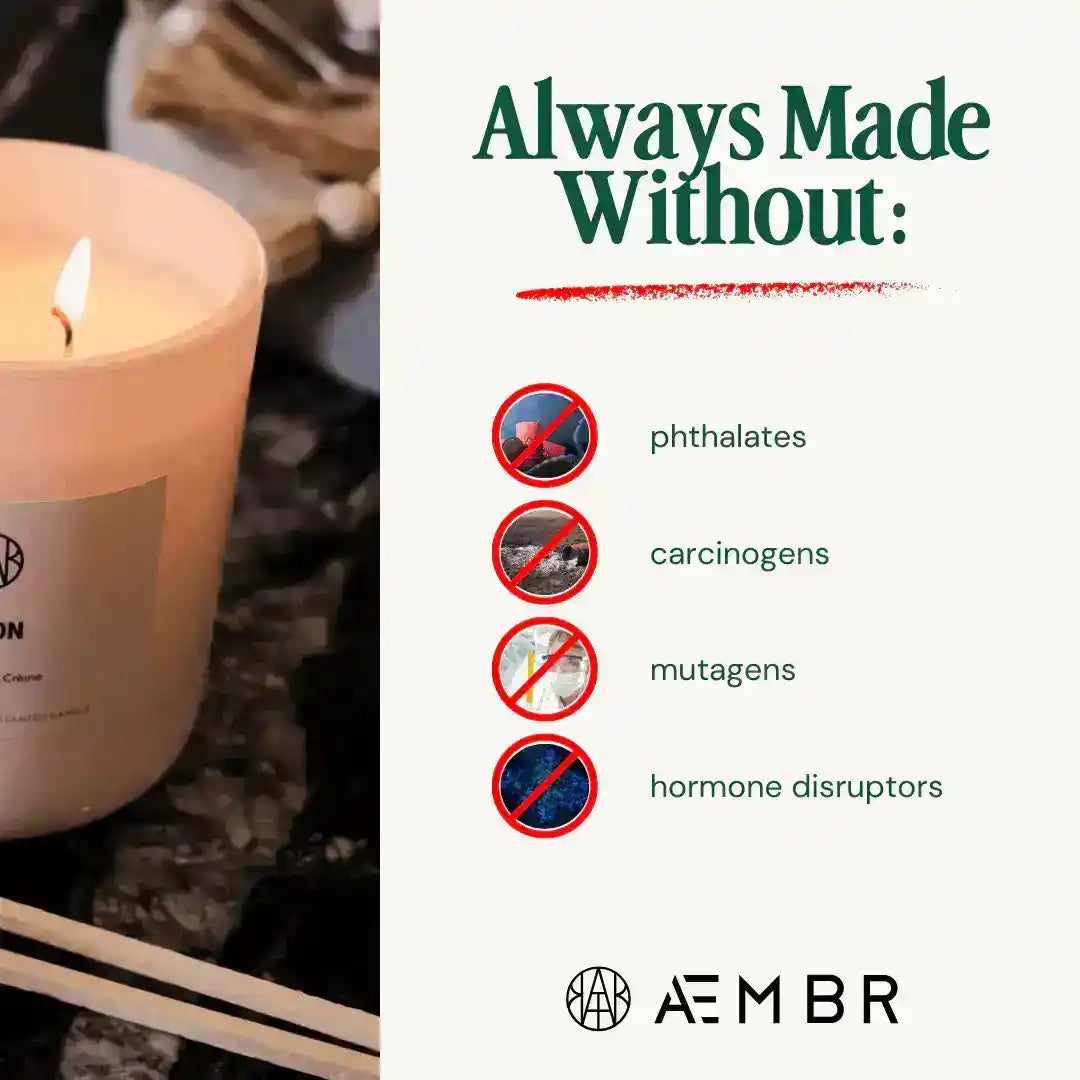
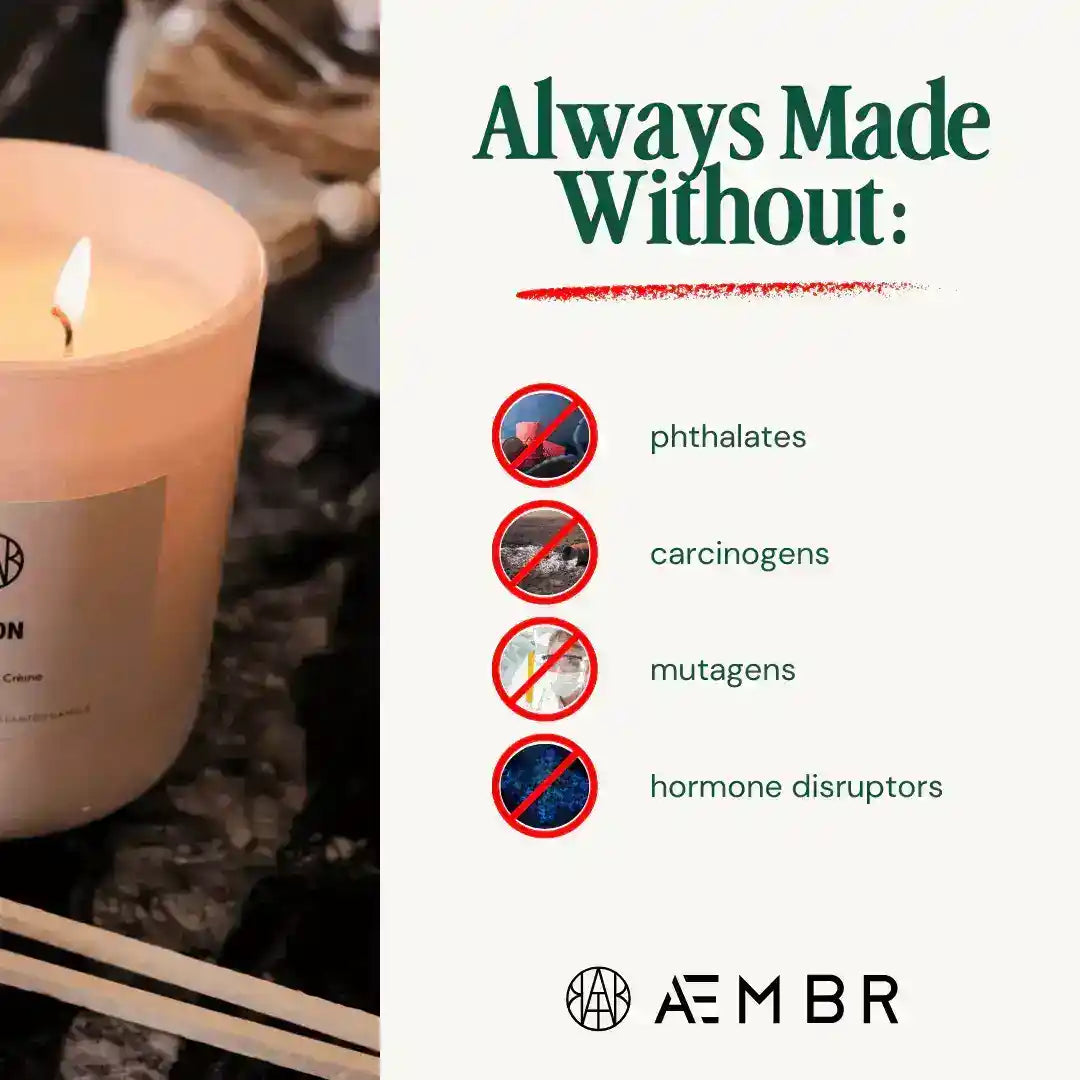
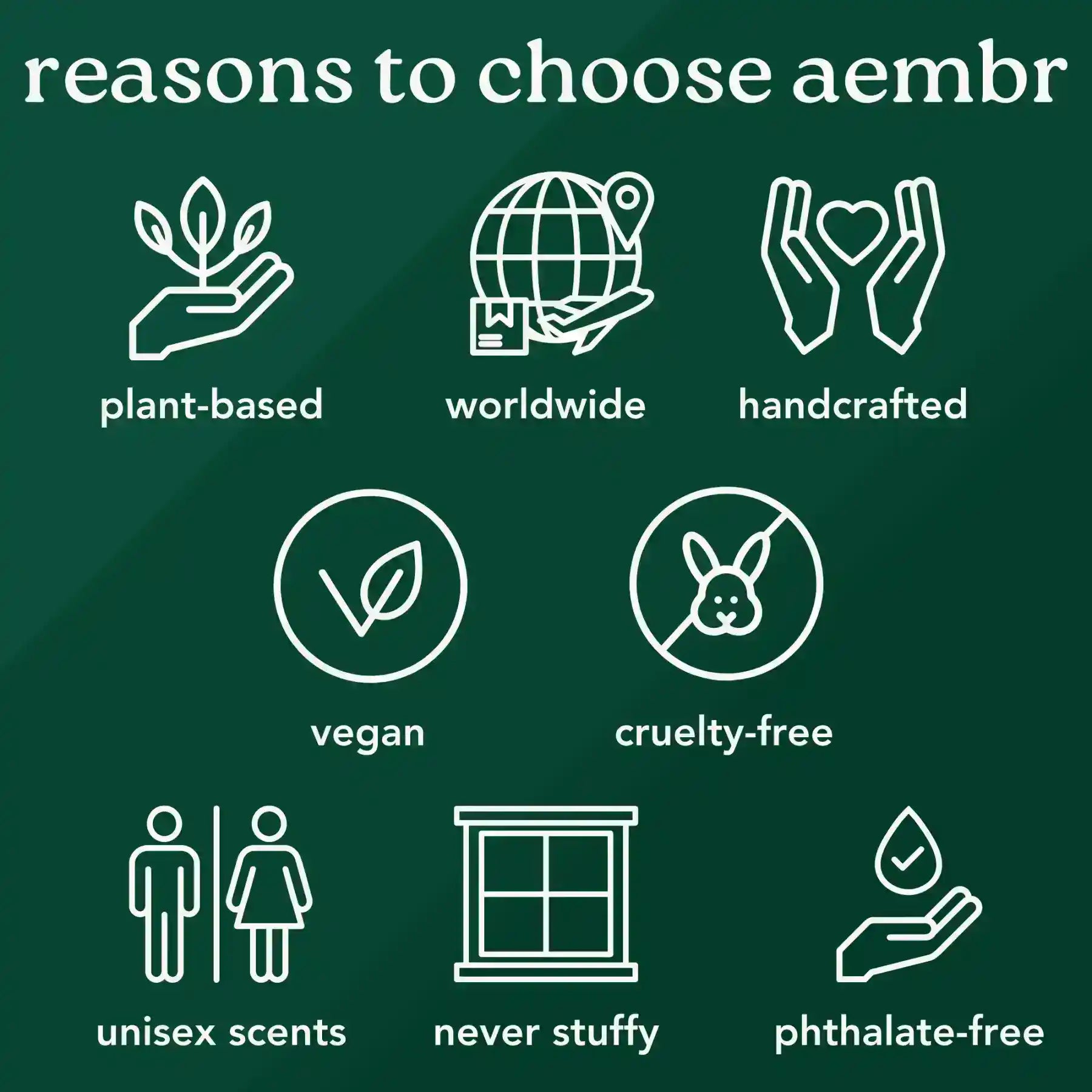
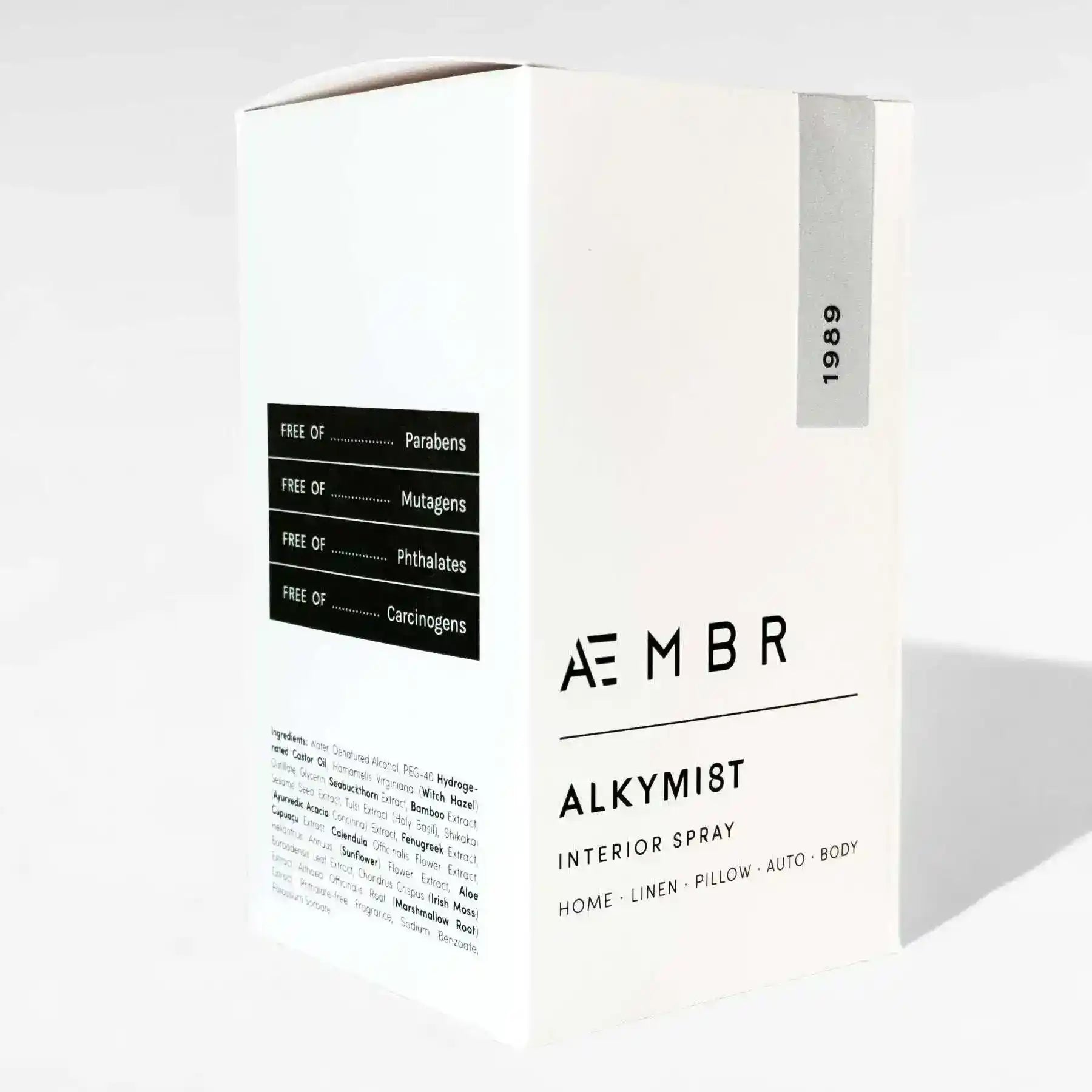
Specific "free from" lists. "Free from phthalates, optical brighteners, and SLS" is more useful than "non-toxic" because it's specific, evaluable, and can be verified against the ingredient list if one is provided.
Ingredient list legibility. A product whose ingredient list you can actually read and evaluate — ideally with third-party database support — is more trustworthy than one that relies on marketing language to substitute for transparency. How to read that list is covered in the label-reading guide here.
Brand transparency practices. Does the brand respond to ingredient questions? Do they publish Safety Data Sheets? Do they explain formulation decisions? Transparency behaviors are more predictive of product safety than any label term.
Where AEMBR Stands on This
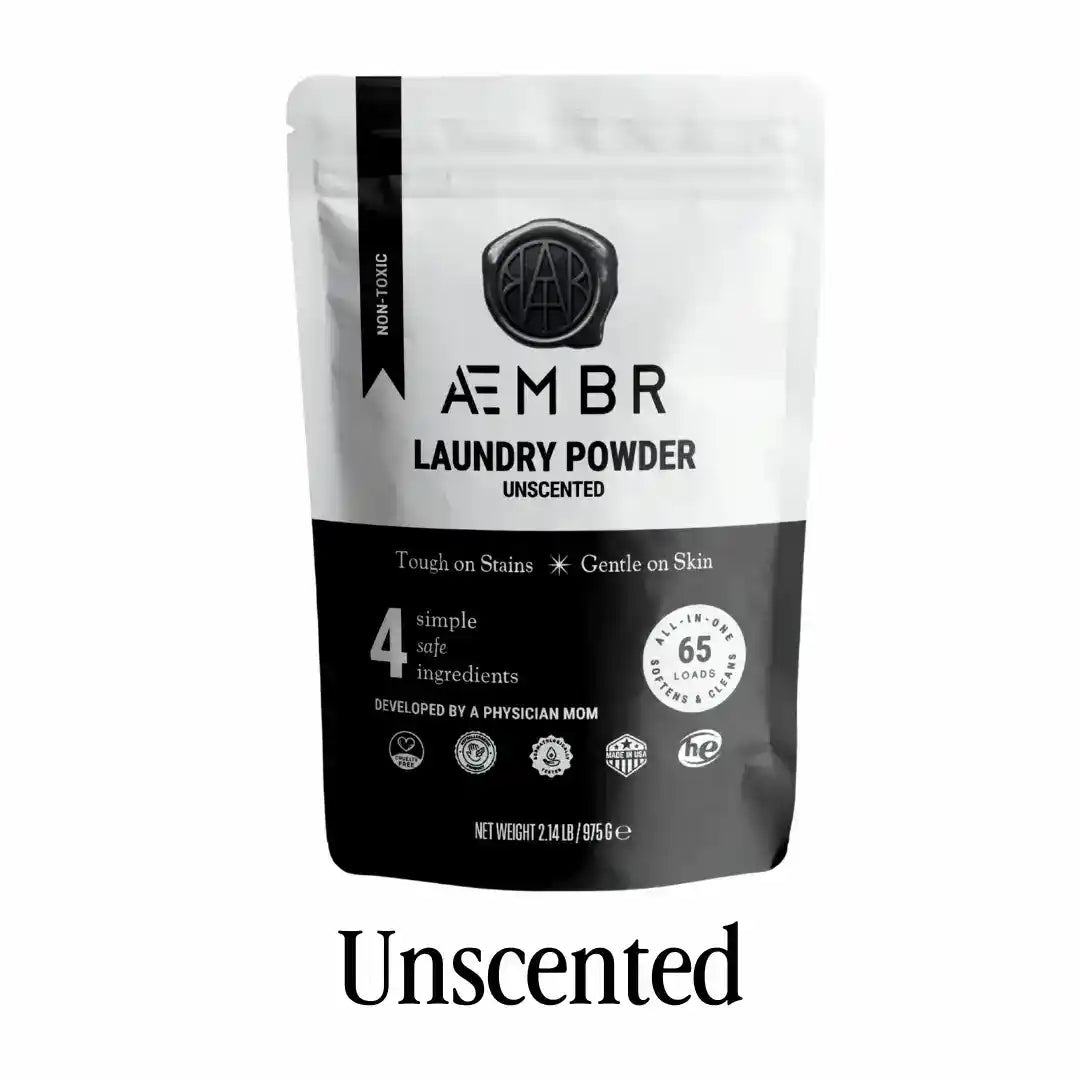
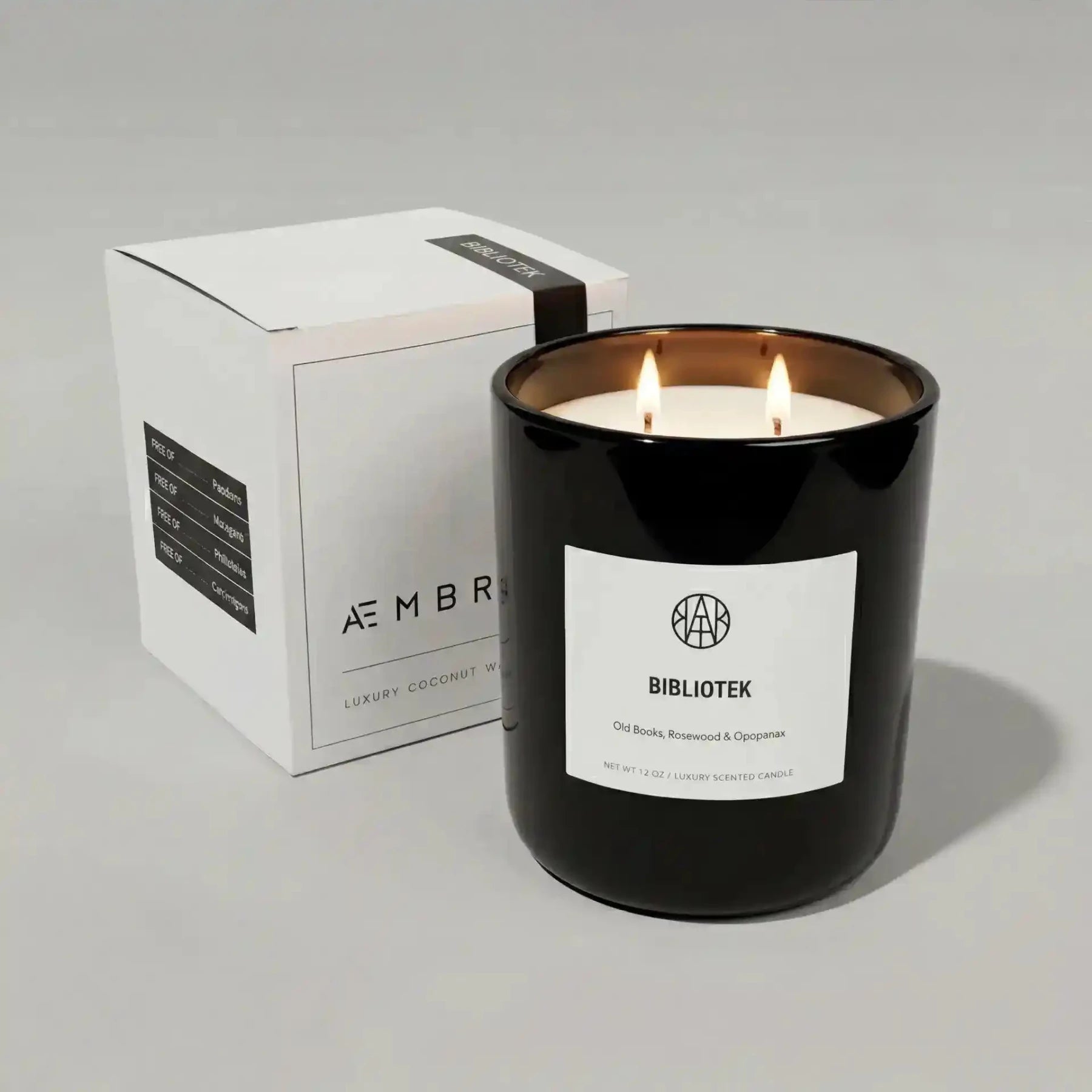
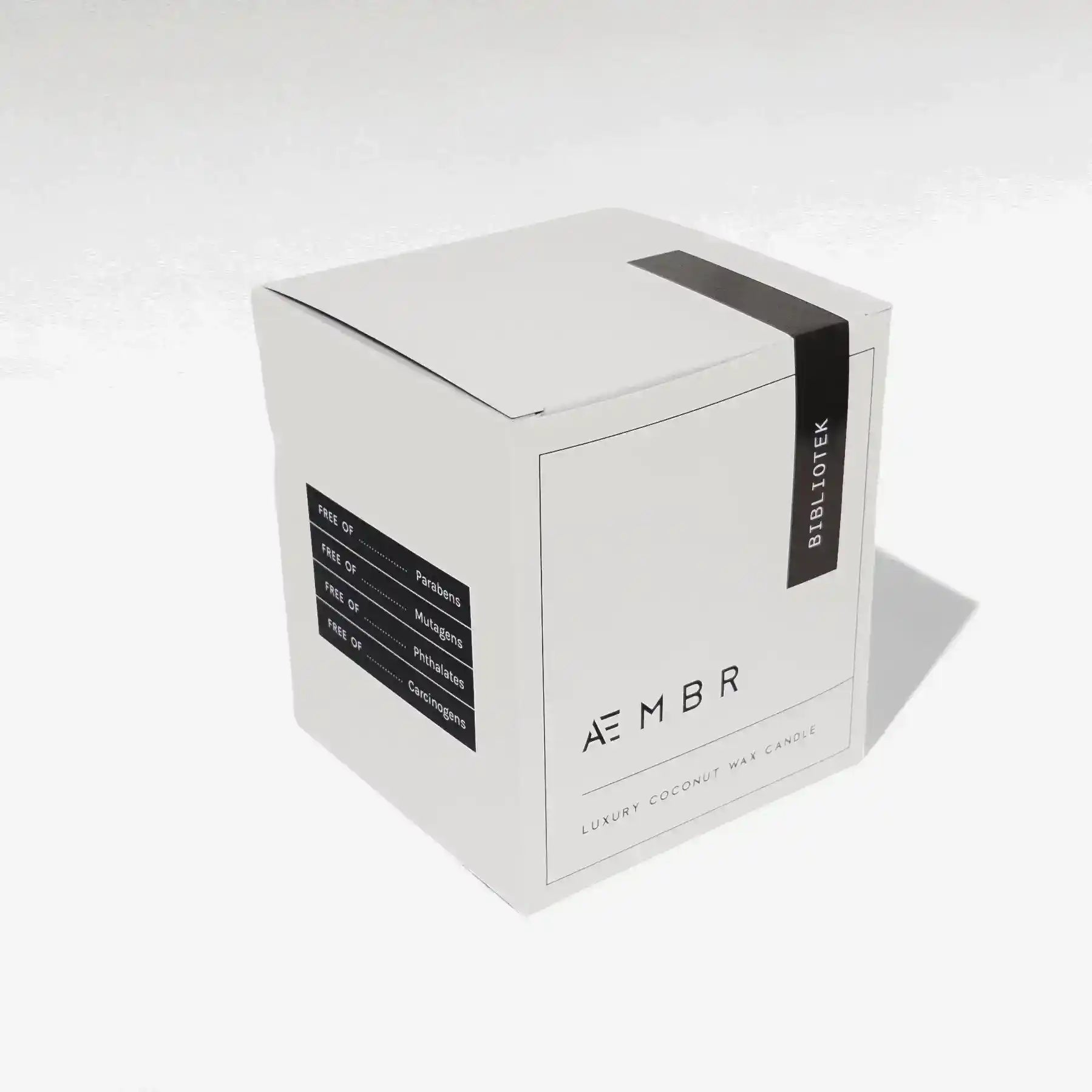
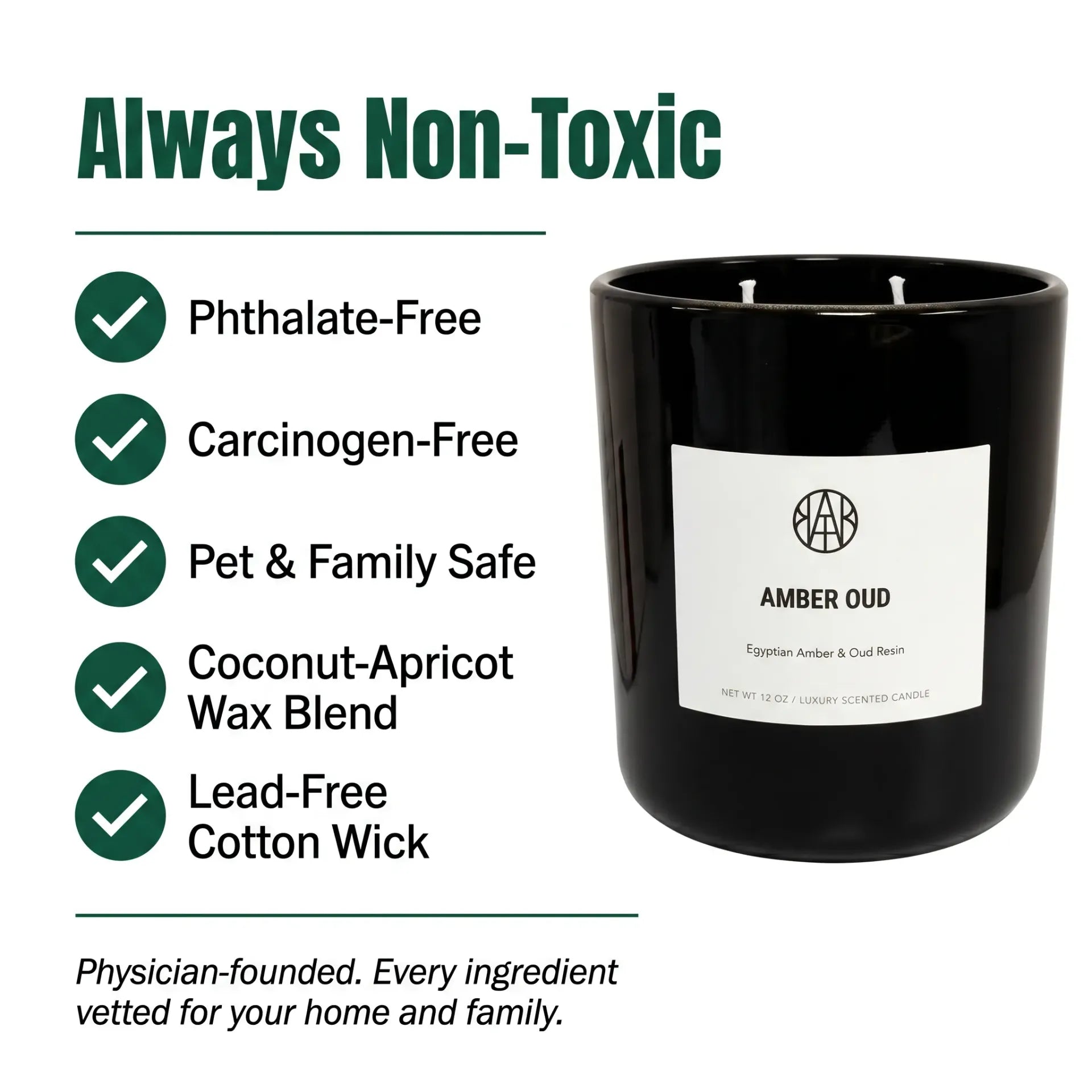
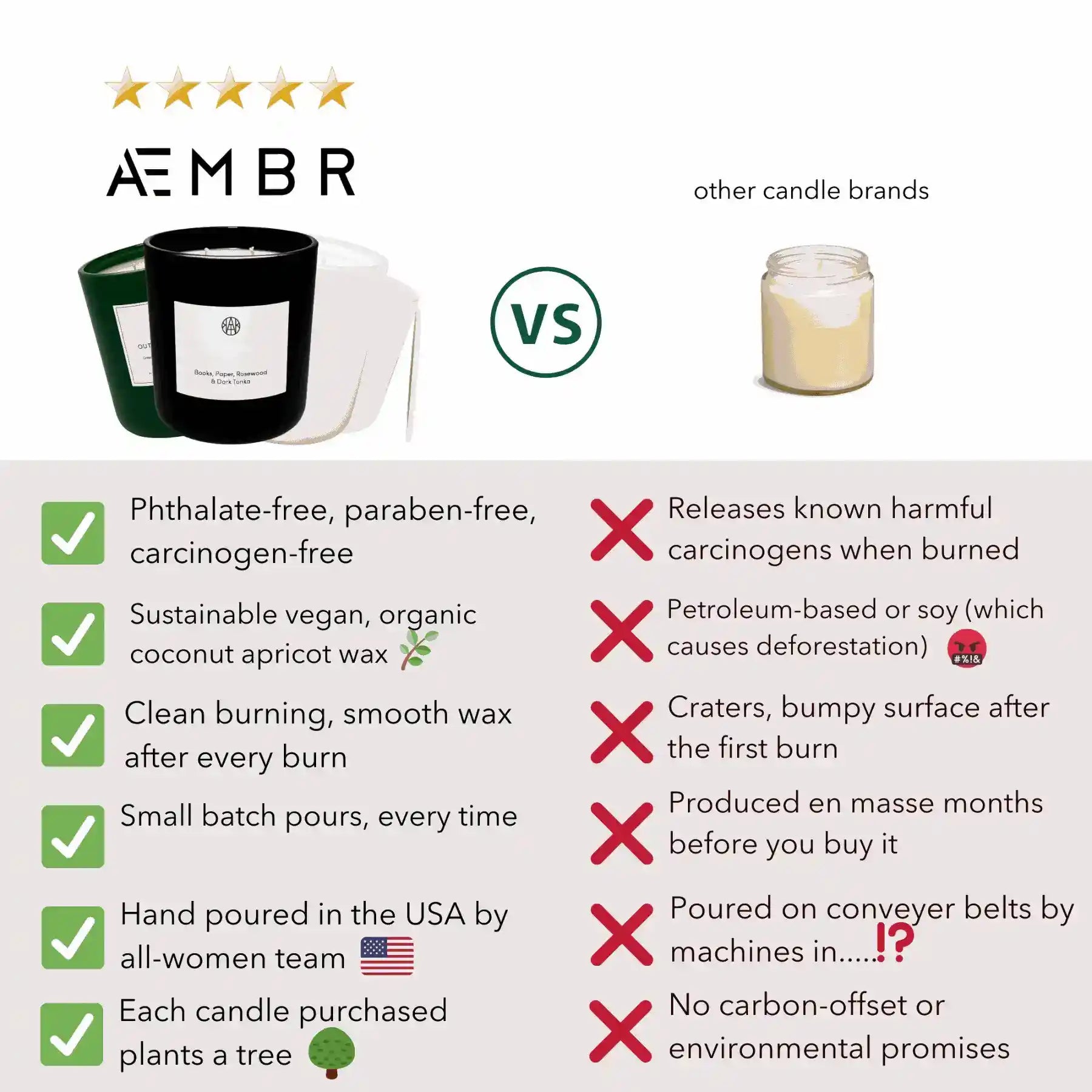
AEMBR uses the word "clean" to describe our products, and I'm aware of the irony in writing this piece while doing so. Our use of "clean" is shorthand for a specific, published formulation standard — ingredients we won't use and why, which I've documented across this blog in detail.
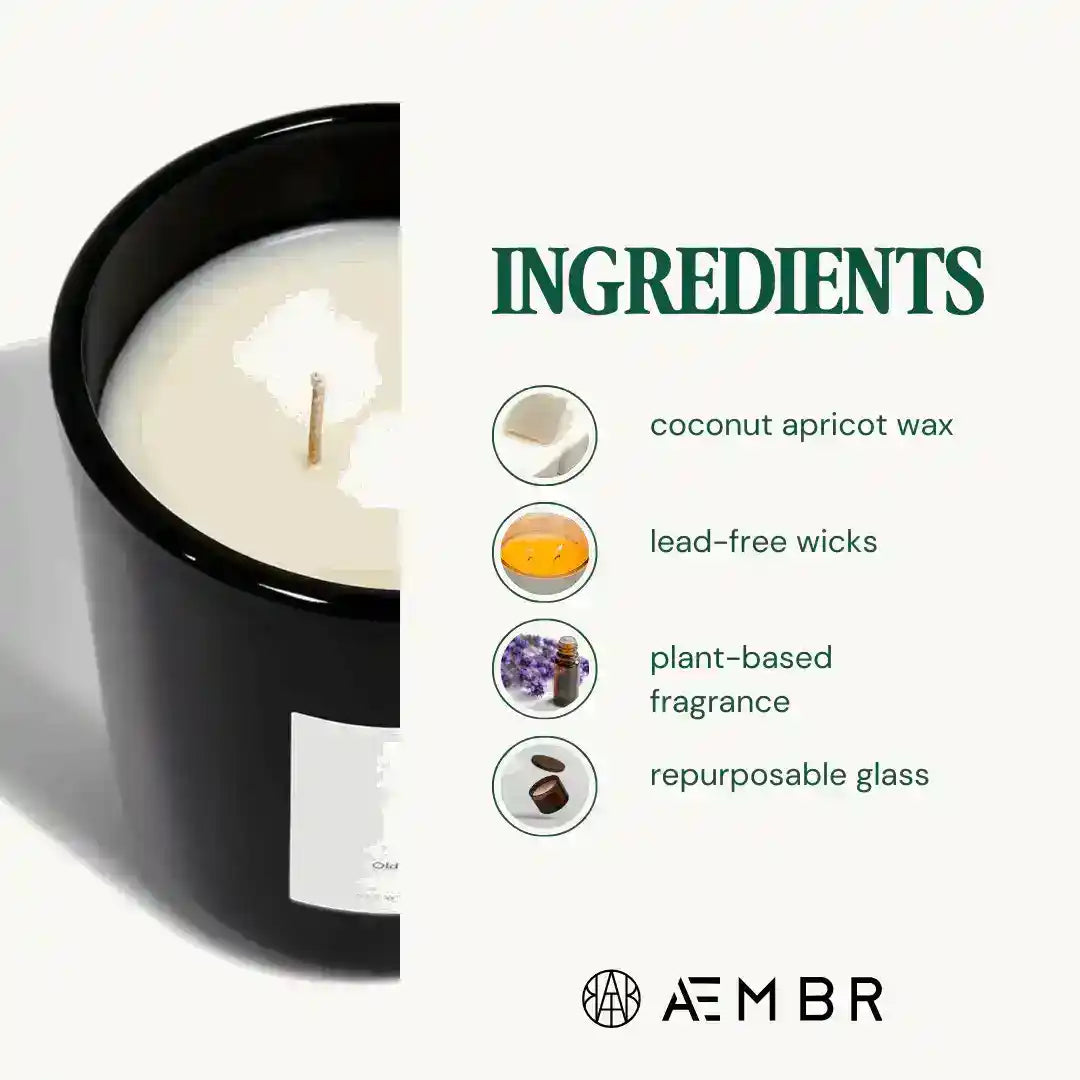
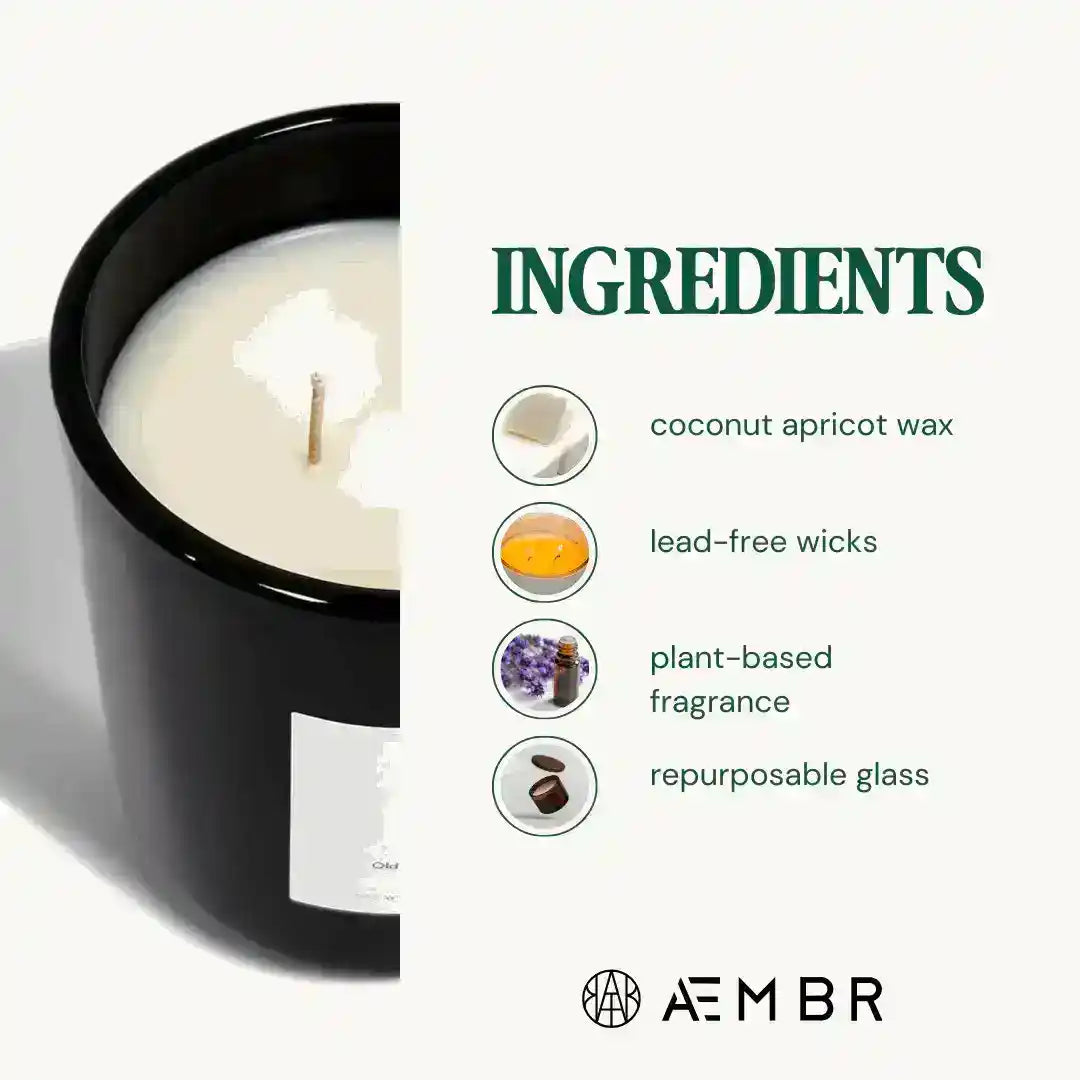
We also publish full ingredient lists, disclose fragrance components, and document formulation decisions. The word "clean" is a starting point for a conversation, not a substitute for one.
The full AEMBR collection is built on that standard. Judge it by the ingredient lists, not the label language.
Further Reading
- What "Non-Toxic" Actually Means (and the Marketing Claims That Mean Nothing)
- How to Read a Cleaning Product Label
- Are Clean Cleaning Products Actually Effective?
Kristina Braly, MD, is the physician founder of AEMBR. Nothing in this article constitutes medical advice.