Are Room Sprays Safe to Breathe? Long-Term Exposure, Ingredients, and What to Avoid

Are Room Sprays Safe to Breathe? Long-Term Exposure, Ingredients, and What to Avoid
By Kristina Braly, MD — Founder, AEMBR
Room sprays are a different exposure category than candles. Candles emit combustion byproducts gradually over a burn period, mostly as fine particles and VOCs from heated wax and fragrance. Room sprays skip the combustion entirely — they deliver fragrance and carrier compounds directly into the breathing zone as an aerosolized mist, where particles can remain airborne for minutes to hours depending on ventilation and droplet size.
That difference in delivery mechanism matters for how we think about the safety question.
What's Actually in a Room Spray
A typical room spray formula has three functional components: a carrier solvent, a fragrance concentrate, and sometimes a propellant (for aerosol formats). The specific compounds in each category vary widely between products and are inconsistently disclosed.
Carrier Solvents
The carrier dissolves and disperses the fragrance. The most common options:
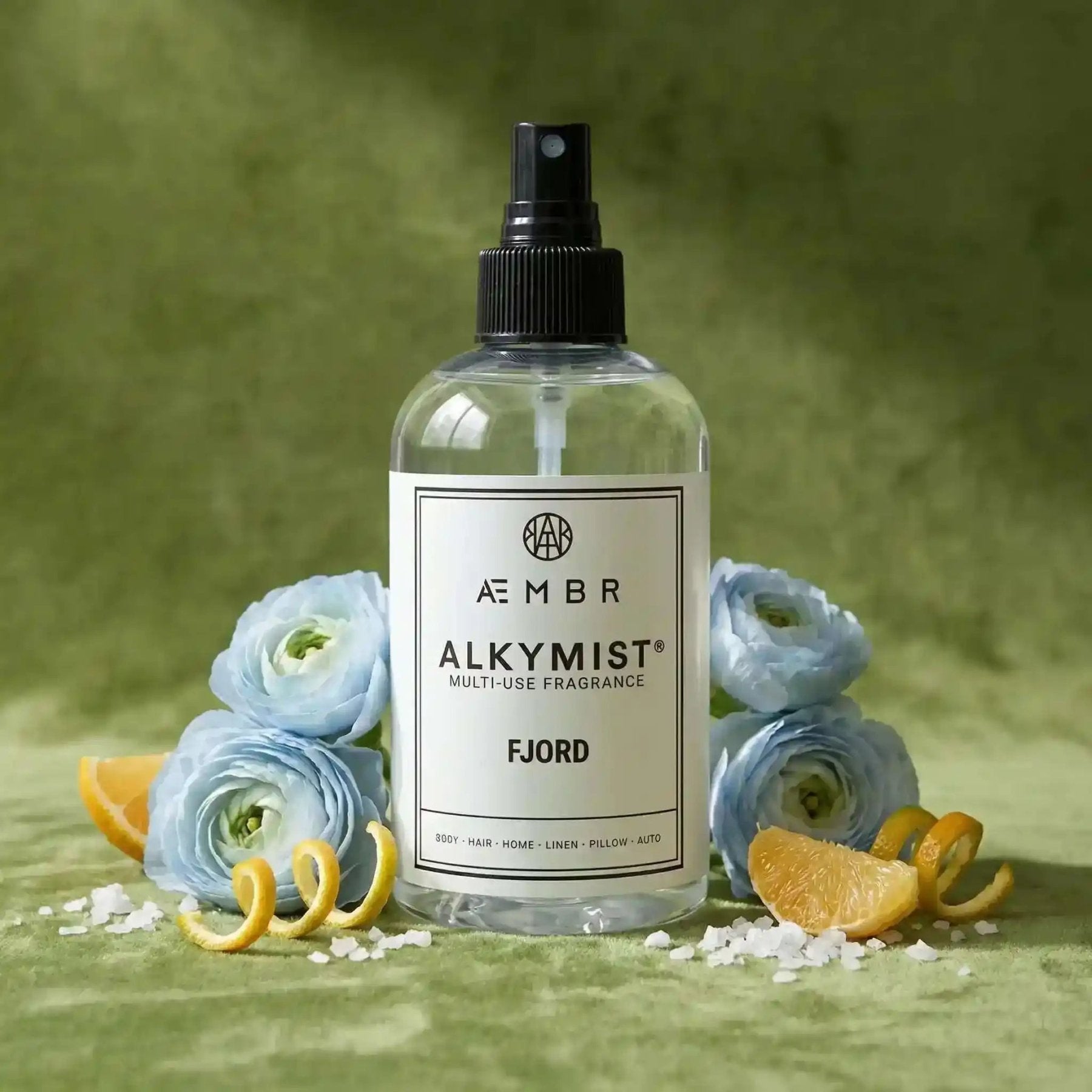
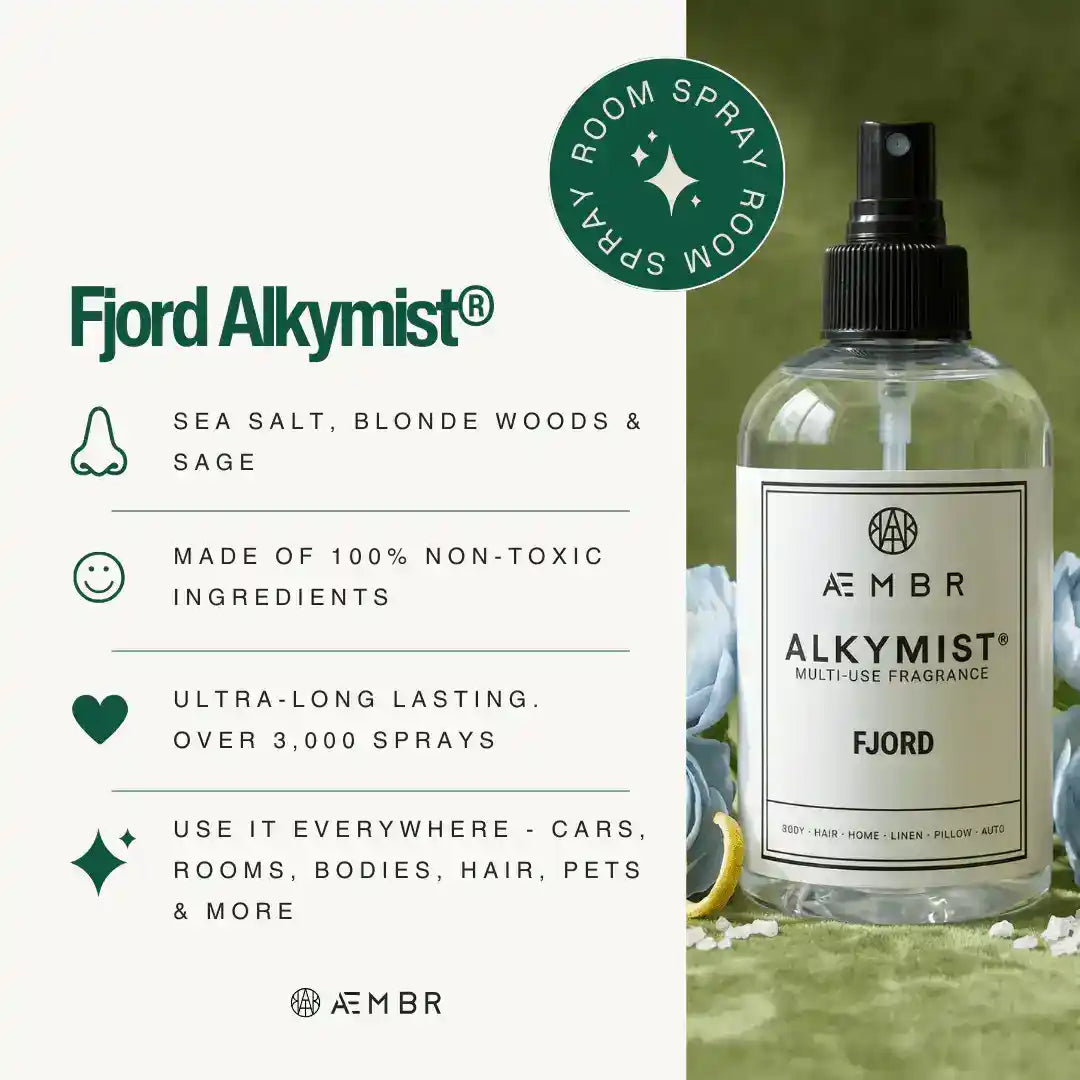
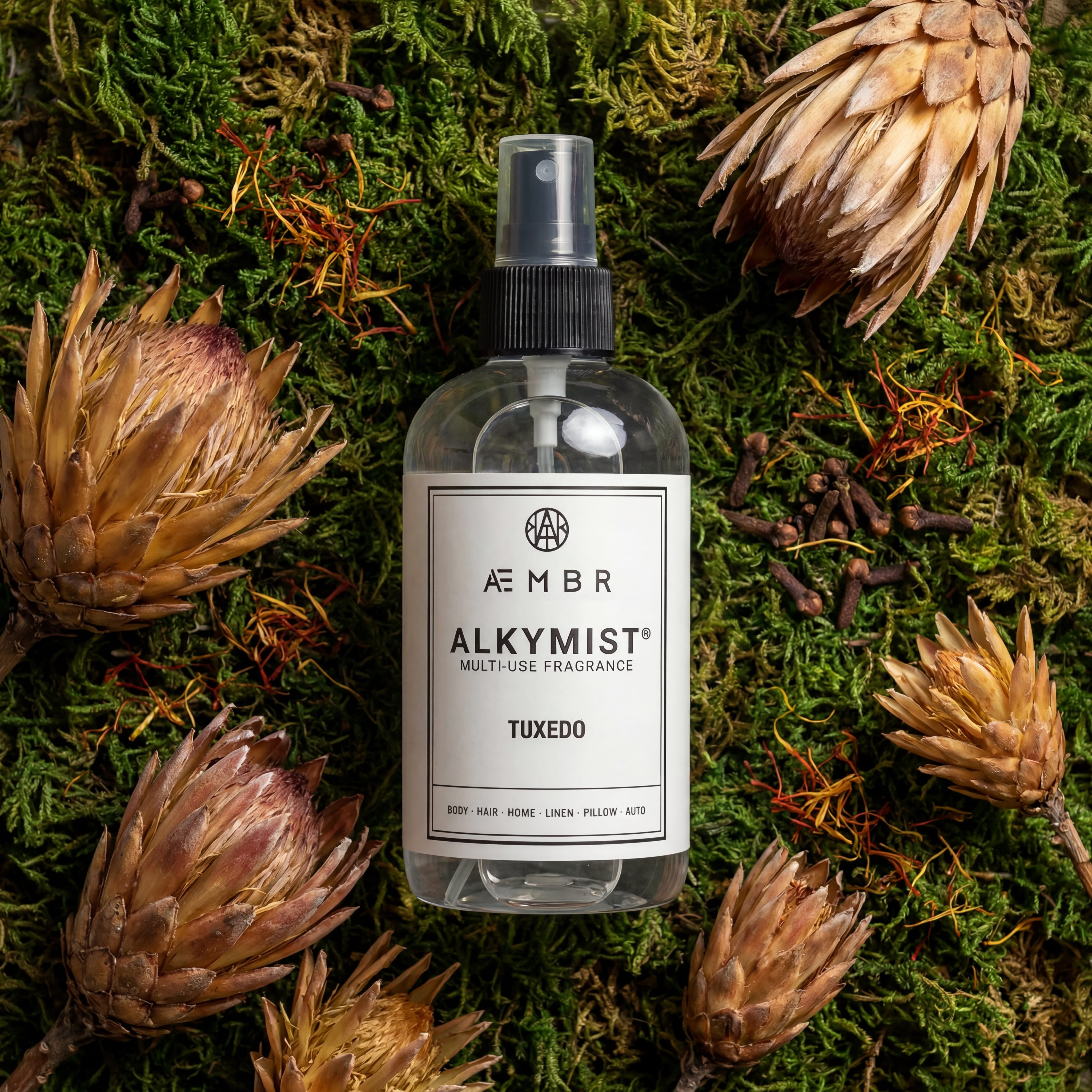
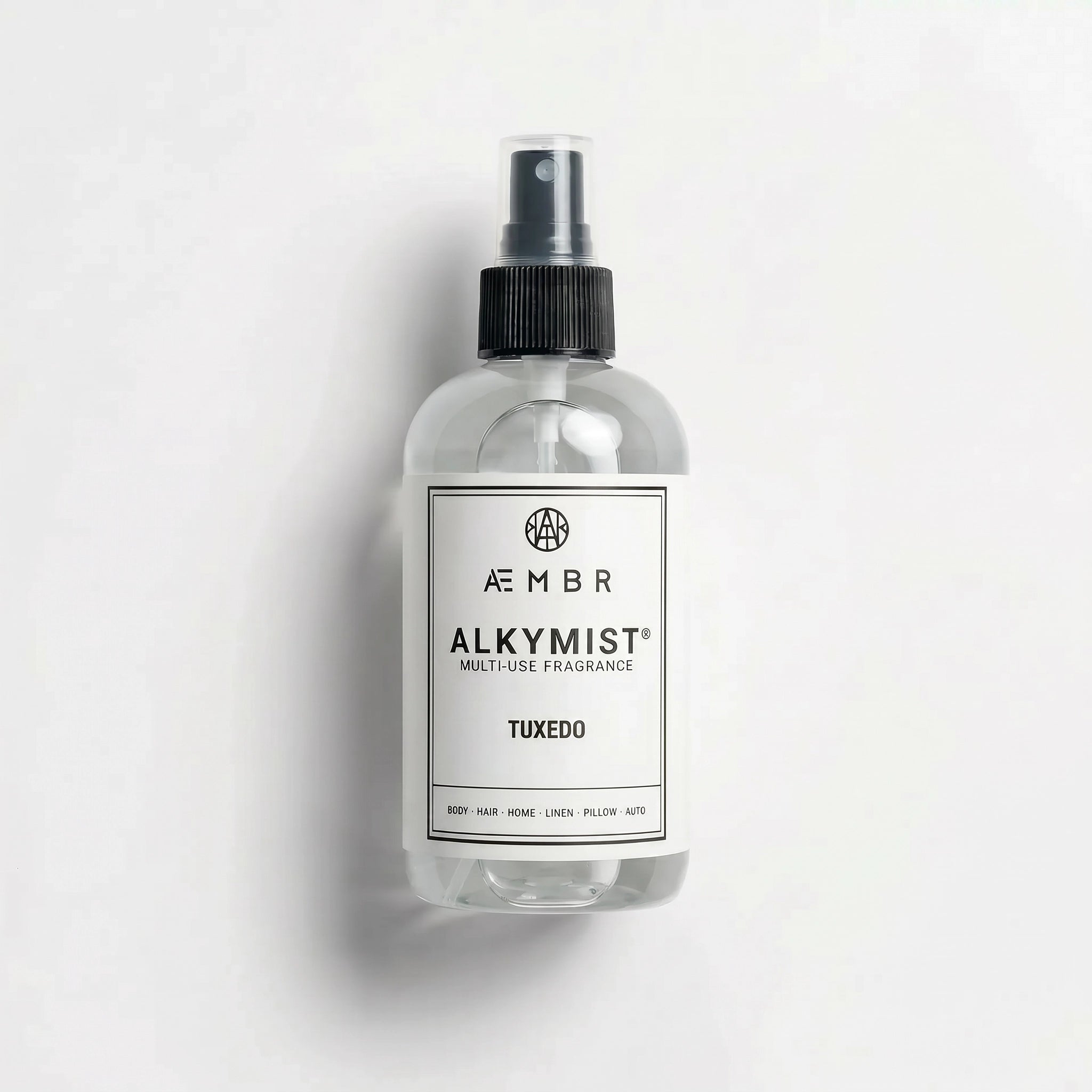
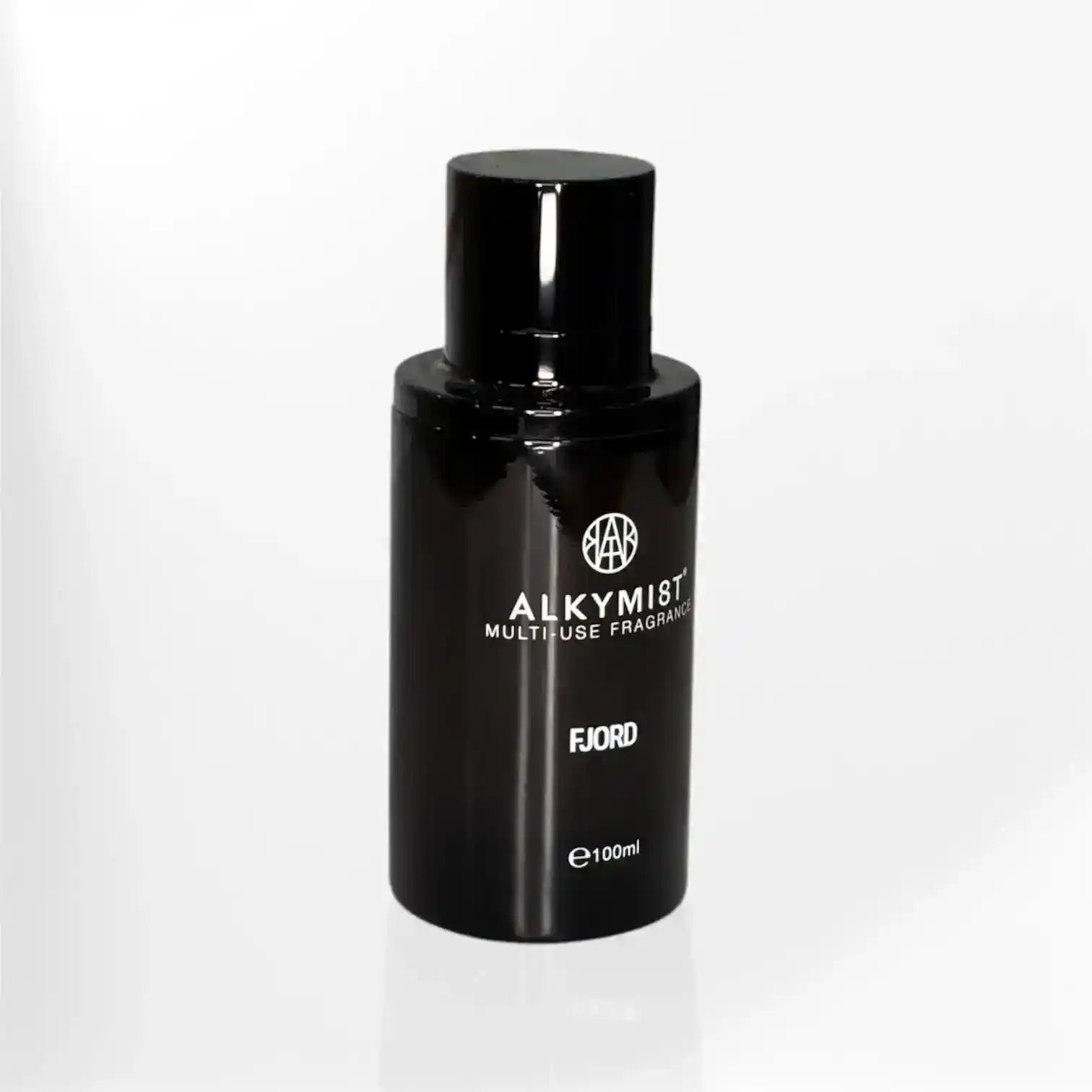
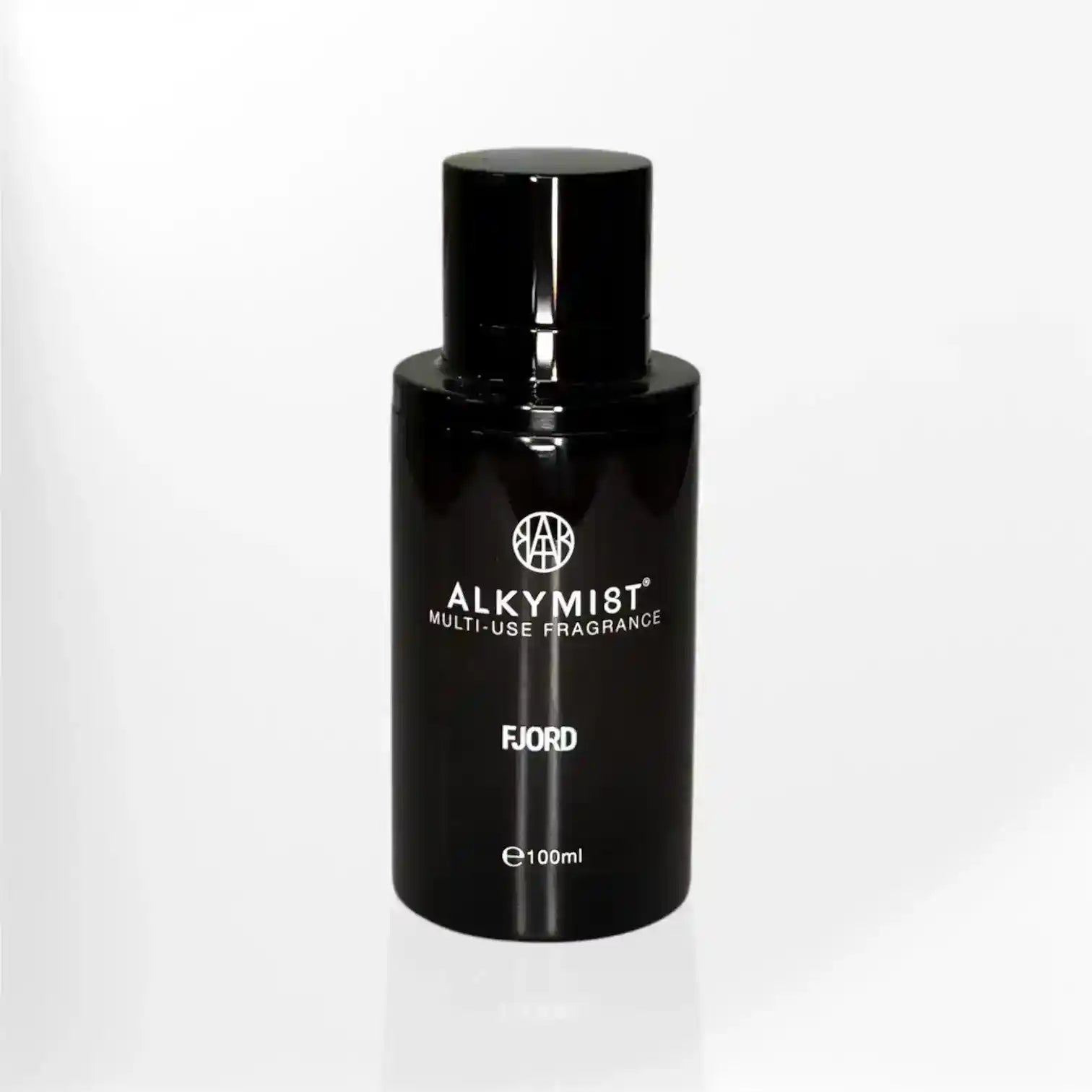
Ethanol (ethyl alcohol) is the cleanest carrier from a respiratory standpoint. It evaporates quickly, disperses fragrance effectively, and has a well-characterized inhalation safety profile at the concentrations typical in room sprays. Ethanol is the carrier I chose for ALKYMIST for exactly this reason.
Dipropylene glycol (DPG) and isopropyl myristate are synthetic carriers used in many commercial room sprays and fragrance mists. They have longer residence times in air than ethanol, are not as well-characterized for inhalation exposure, and carry fragrance compounds into the respiratory tract more persistently. DPG is considered low-concern at dermal exposures; its inhalation profile at repeated household use levels is less thoroughly studied.
Propylene glycol is sometimes used as a partial carrier or humectant. There is some evidence that repeated inhalation of aerosolized propylene glycol is associated with respiratory irritation, particularly in individuals with asthma. The data comes primarily from theatrical fog machine exposure studies rather than room spray concentrations, but the mechanism is plausible.
Fragrance
The fragrance component in a room spray is the same trade-secret-exempt category I've covered in detail in the candle piece and elsewhere. The "fragrance" entry on a room spray label can represent anywhere from a handful to dozens of individual chemical compounds, with no disclosure requirement.
For room sprays, the fragrance inhalation exposure is more direct and concentrated than for candles. You're spraying aerosolized fragrance compounds into a space you're actively breathing. The concentration in the air immediately after spraying is substantially higher than the ambient fragrance concentration in a room with a lit candle. This makes fragrance transparency more consequential for room sprays than for candles, not less.
The compounds of particular concern in fragrance inhalation:
- Phthalate carriers: Used in some synthetic fragrance formulations to extend scent longevity. Diethyl phthalate (DEP) is the phthalate most commonly used in fragrance, and it is the most volatile — meaning a higher fraction reaches the gas phase and becomes inhalable. DEP has a relatively better safety profile than other phthalates, but the endocrine-disrupting mechanism of the phthalate class is established, and DEP exposure from fragrance products is the primary phthalate inhalation route for most people who don't have occupational exposure.
- Synthetic musks: A class of synthetic aroma chemicals including polycyclic musks (galaxolide, tonalide) and nitro musks (some of which are now restricted). Polycyclic musks are persistent in the environment and in human tissue, bioaccumulate, and have some evidence of endocrine interference. They appear in the fragrance in many commercial room sprays and air fresheners.
- Volatile terpenes: Terpenes are present in both natural and synthetic fragrances — limonene and linalool are among the most common. On their own, they have moderate safety profiles. When they react with ozone in indoor air, they generate secondary pollutants including formaldehyde and ultrafine particles. Rooms with elevated ozone concentrations (from air purifiers, photocopiers, or outdoor air in urban environments) can see meaningful secondary pollutant formation from terpene-containing room sprays.
Aerosol Propellants
Traditional aerosol room sprays use compressed hydrocarbons (isobutane, propane, butane) or CO₂ as propellants. Hydrocarbon propellants produce very small particle sizes — often in the ultrafine particle range — that penetrate deeper into the respiratory tract than larger droplets. They also contribute to VOC load in the sprayed space.
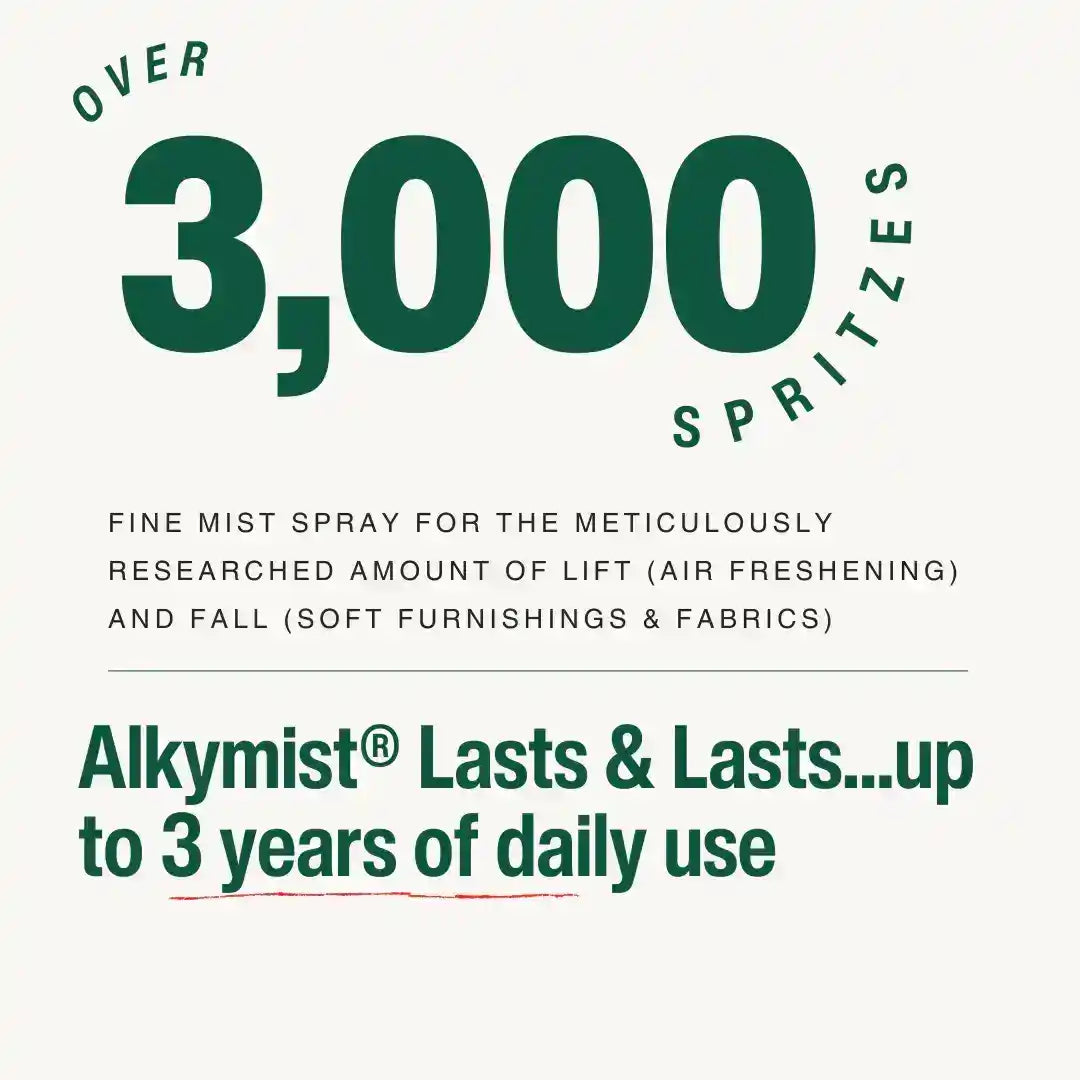
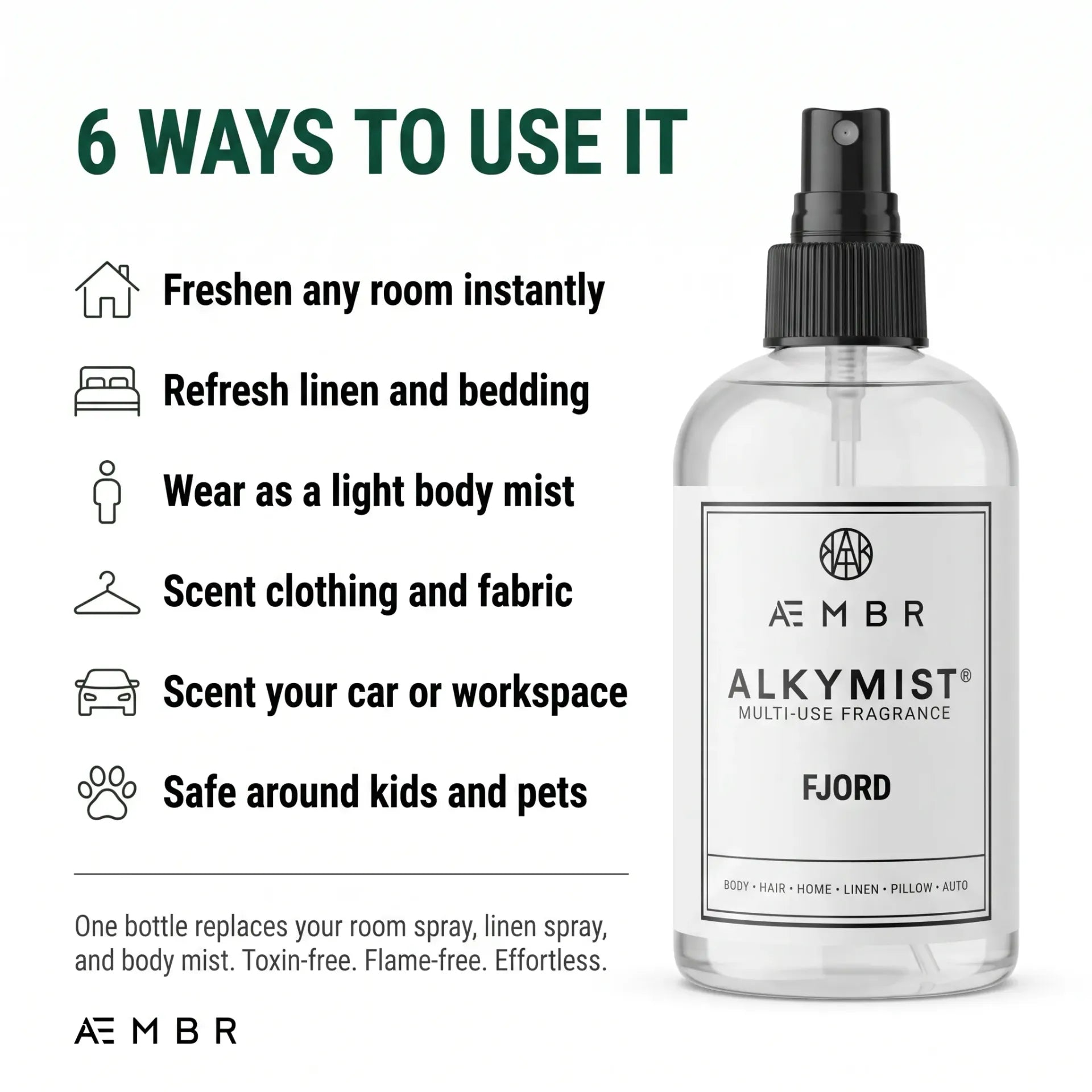
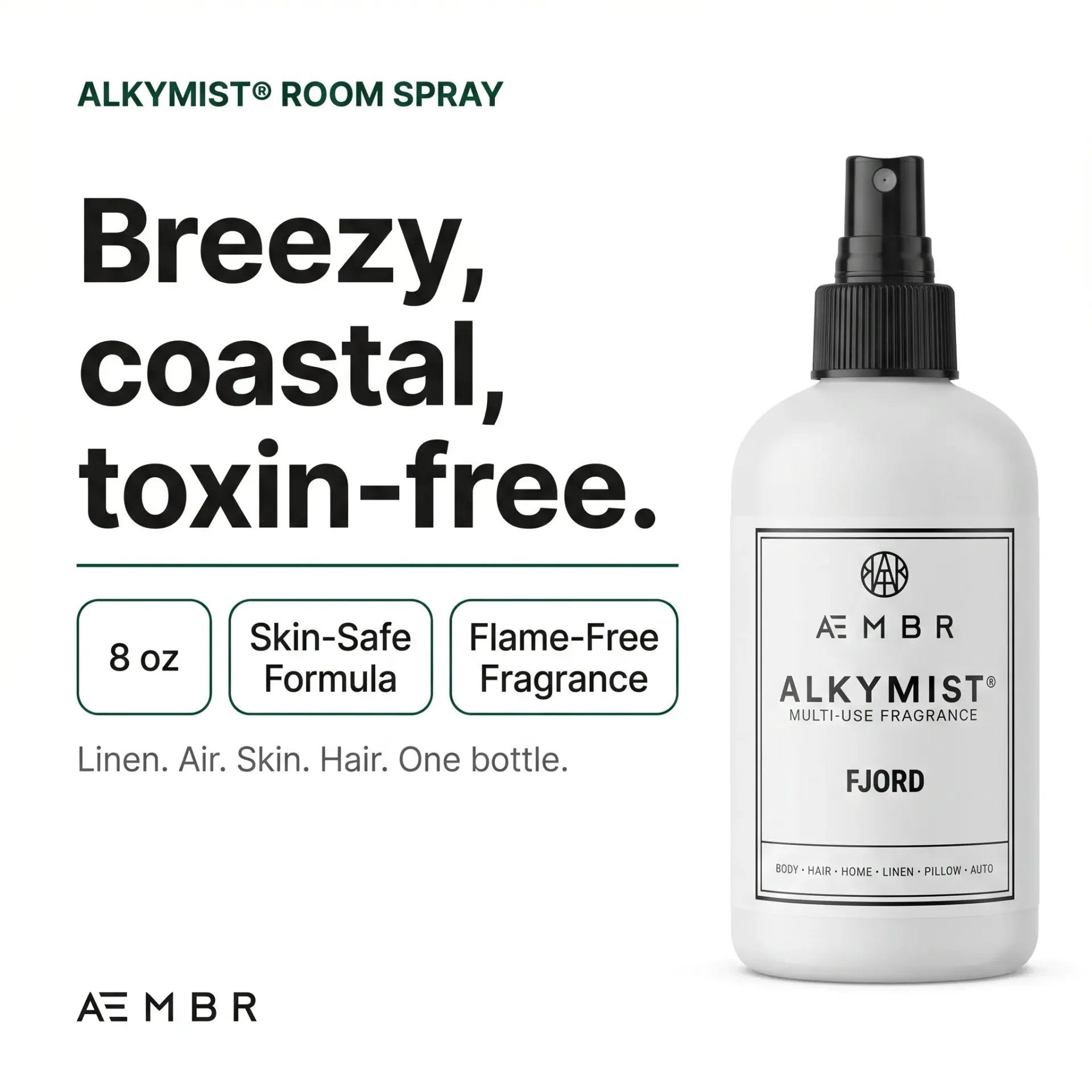
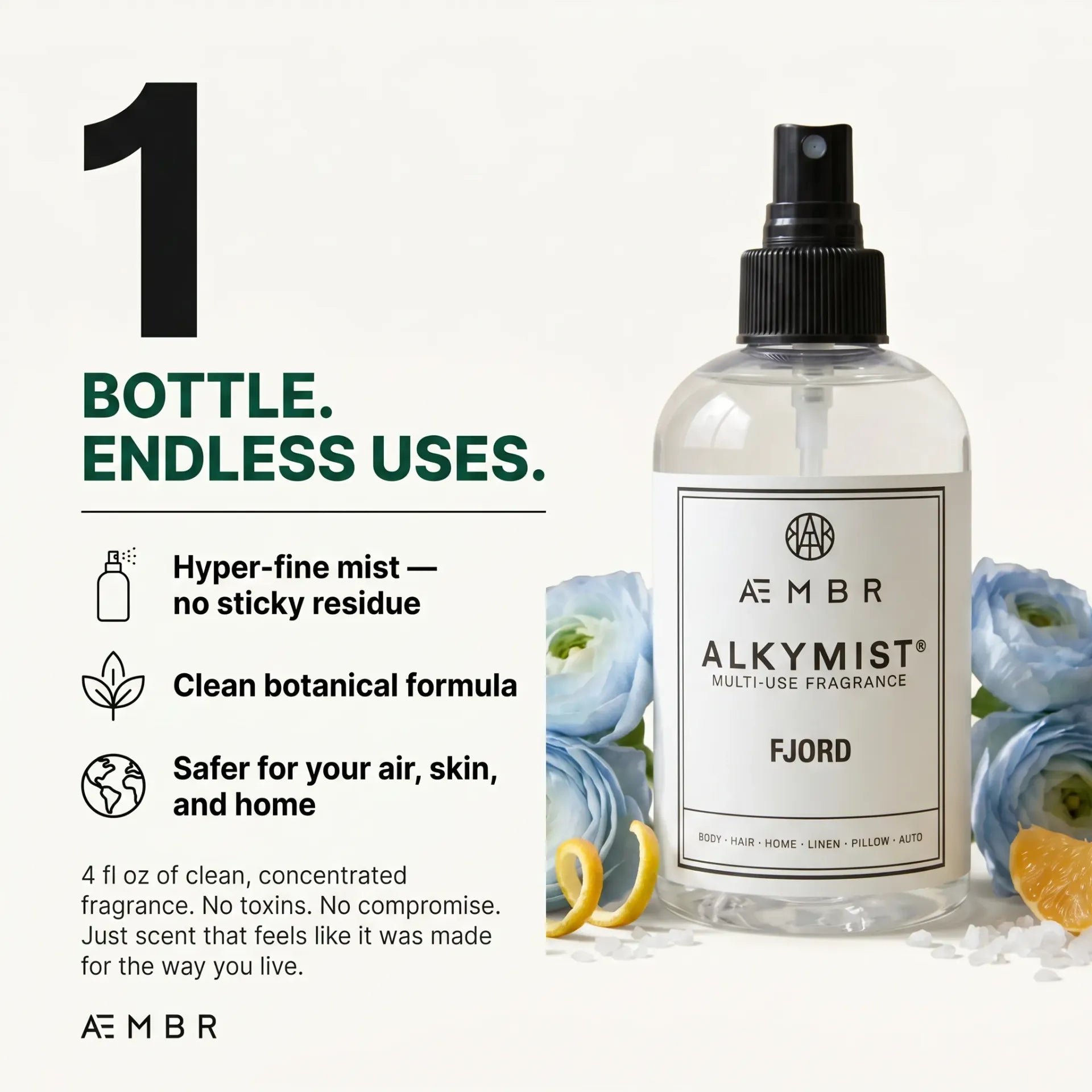
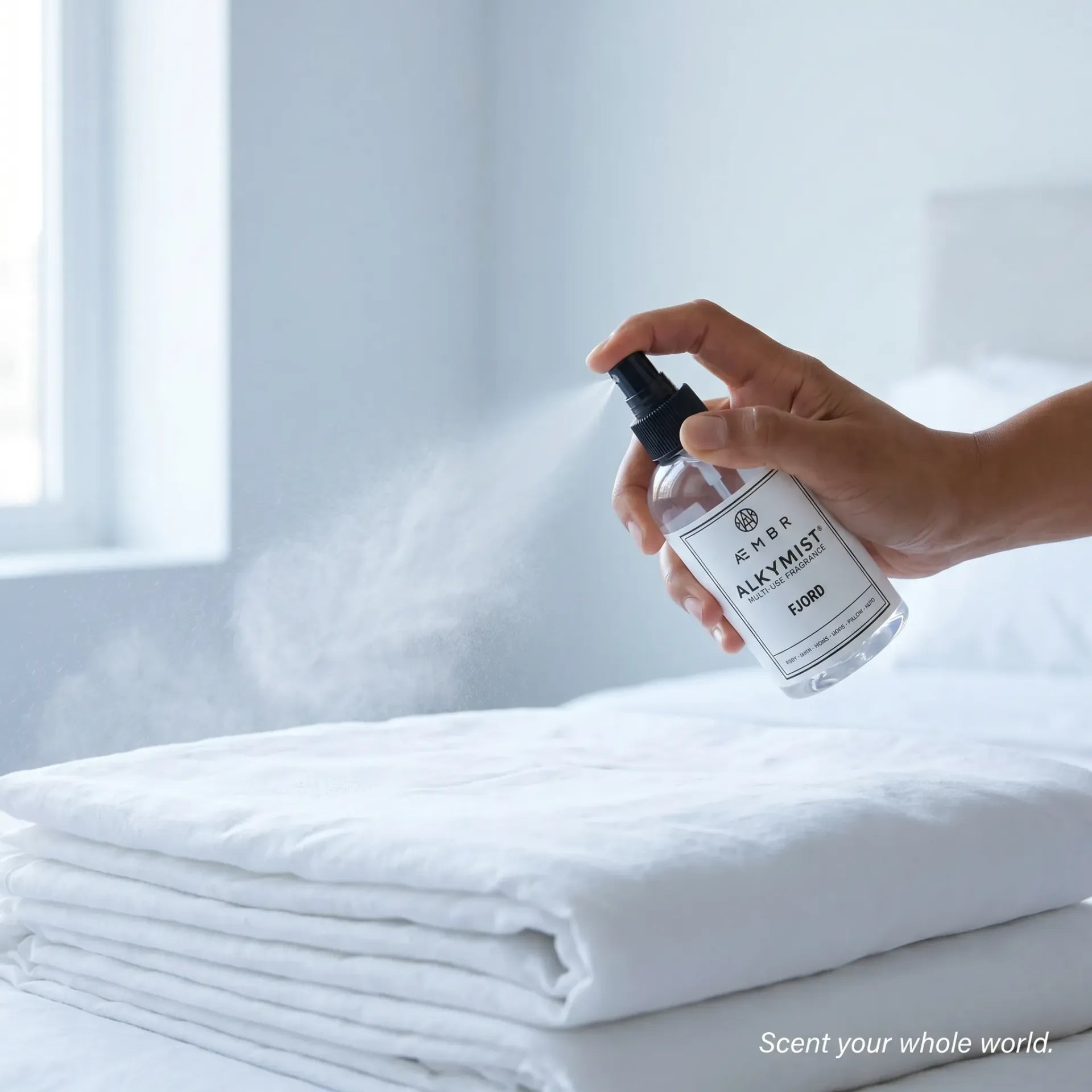
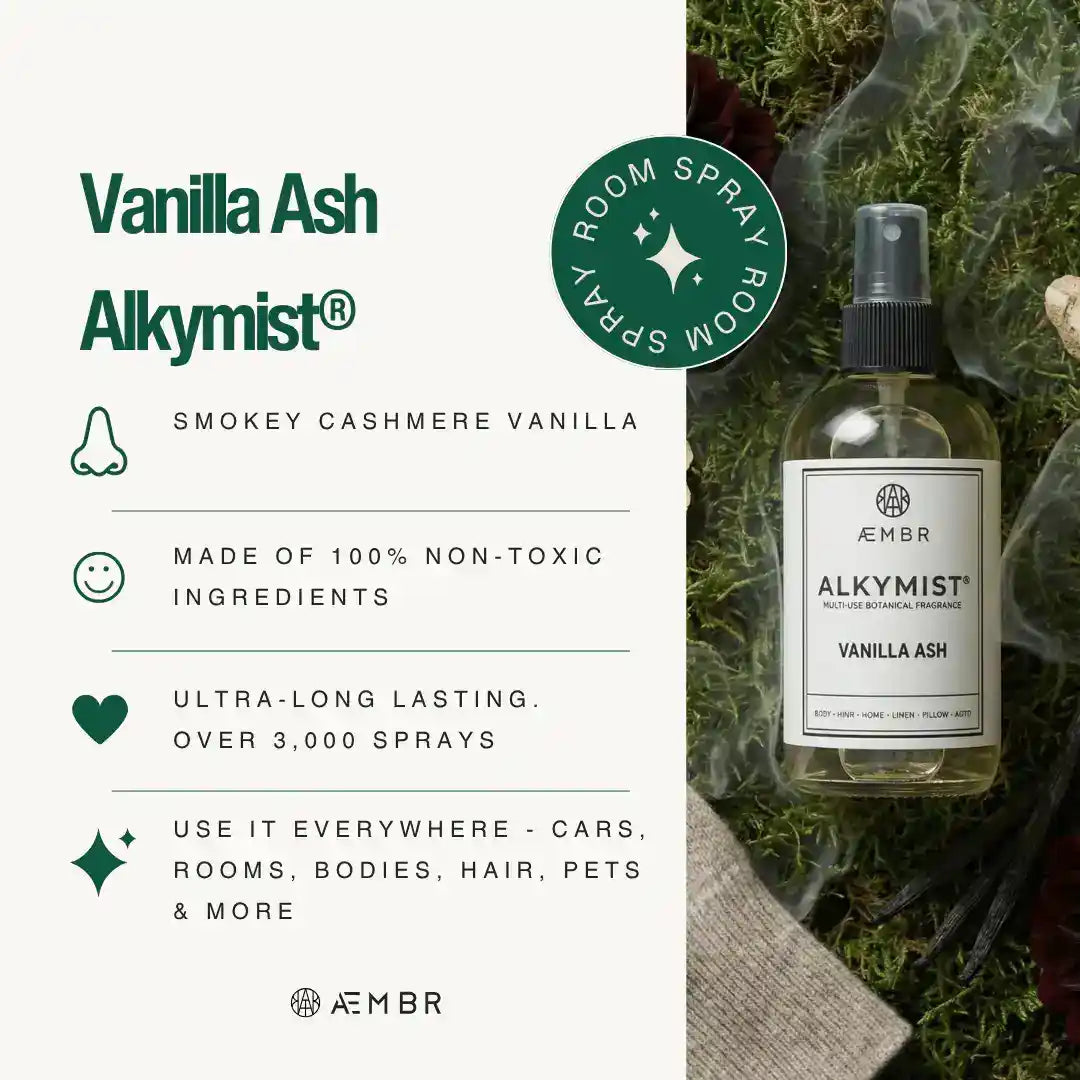
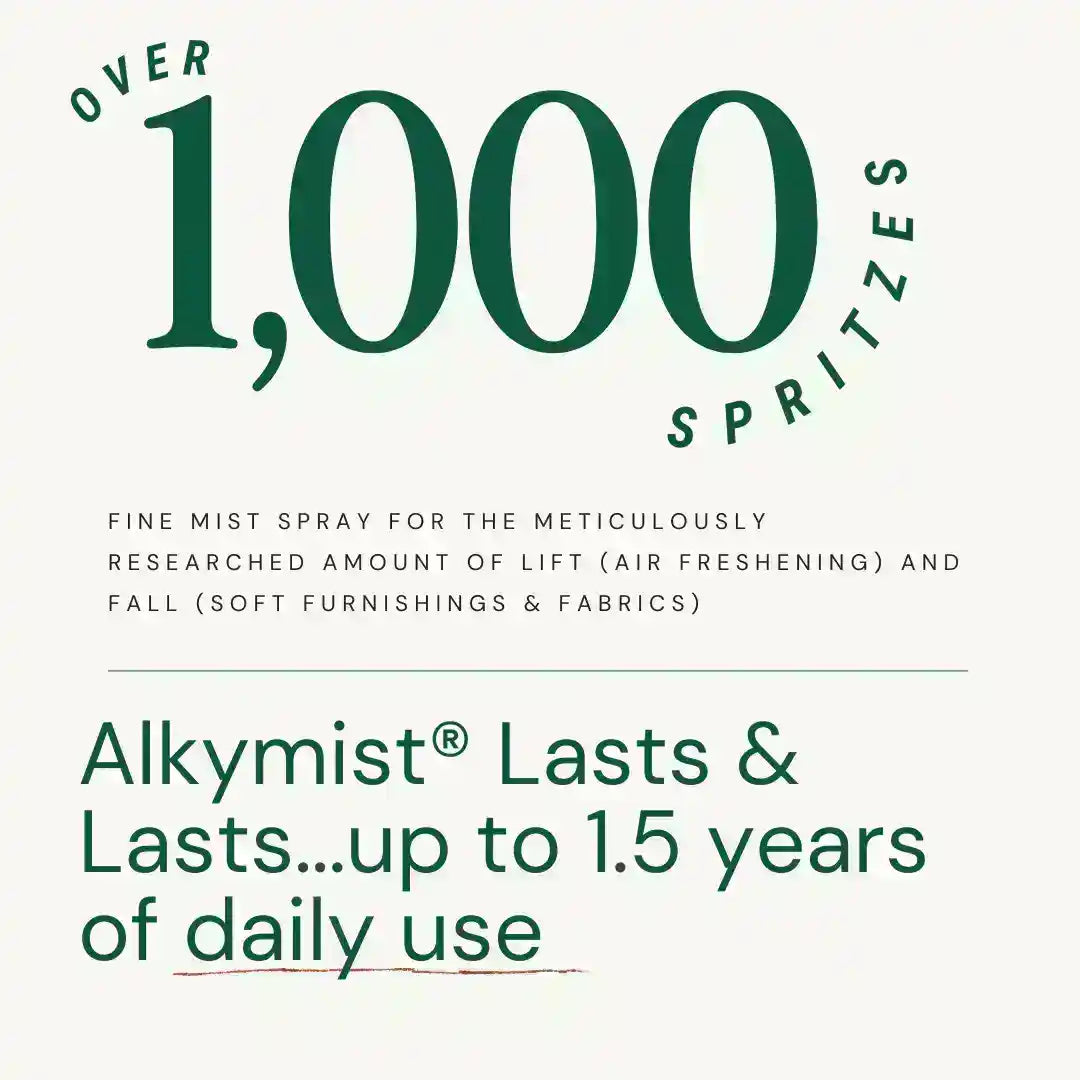
Non-aerosol pump sprays (like ALKYMIST) eliminate the propellant issue entirely. The droplet size from a pump spray is generally larger and settles faster, reducing respiratory deposition compared to pressurized aerosols. If you're concerned about inhalation exposure, the delivery format matters: pump spray over aerosol is a meaningful improvement independent of the fragrance or carrier question.
What the Respiratory Exposure Research Shows
The evidence on room spray and air freshener health effects comes from several research contexts:
Asthma and Respiratory Sensitivity
Multiple epidemiological studies have found associations between regular air freshener use and increased respiratory symptoms, particularly in individuals with asthma or other respiratory conditions. A 2019 study in Environmental Health Perspectives (Dodson et al.) found that frequent air freshener use was associated with increased asthma symptom frequency. The mechanism is likely multifactorial — fragrance compound irritation, VOC accumulation, and particulate exposure each contribute.
For people without asthma, the association between typical room spray use and respiratory symptoms is weaker in the general population literature. The sensitive population findings are the more actionable signal — households with asthmatic members, infants, or elderly individuals with compromised respiratory function should be more cautious about room spray use frequency and formulation than households without these risk factors.
VOC Accumulation
I covered VOC dynamics in indoor air in an earlier piece. Room sprays are one of the higher-impact VOC sources in the average home because they deliver concentrated fragrance compounds directly into the air rather than off-gassing slowly from a surface. A single spray event can temporarily elevate indoor VOC concentrations substantially above background, then dissipate with ventilation.
The relevant exposure question for health is cumulative — how often, in what volume of space, with what ventilation, over what time period. Occasional use in well-ventilated rooms is a different exposure picture than daily use in a small bathroom with the door closed.
Endocrine Disruption Concerns
The phthalate and synthetic musk concerns I described above are primarily relevant at chronic, repeated exposure levels. Single-use room spray events do not produce meaningful acute endocrine effects. The concern is the cumulative body burden from fragrance products across all exposure routes — room sprays, personal care products, cleaning products, and building materials — over months and years. Room sprays are one contributor to that cumulative picture, not the sole or necessarily dominant source.
How to Use Room Sprays with Lower Risk
- Choose alcohol-based carriers over glycol-based. Ethanol carriers evaporate faster, deposit less in the respiratory tract, and have cleaner inhalation profiles.
- Choose pump spray over pressurized aerosol. Larger droplet size means less deep respiratory deposition.
- Look for fragrance ingredient disclosure. "Fragrance" on a room spray label is the same opaque entry it is on every other product. Brands that disclose their fragrance components are giving you the ability to evaluate the phthalate and synthetic musk question directly.
- Ventilate after spraying. Open a window or allow air exchange to reduce the concentration peak that occurs immediately after spraying. The primary exposure event is the first few minutes after application.
- Don't spray directly into the breathing zone. Spray into the room, not toward your face or across a person. Allow the mist to settle and diffuse before entering the area directly.
- Use sparingly in small, enclosed spaces. A small bathroom with no ventilation concentrates the spray substantially more than a large, ventilated living area.
- Be more cautious around children and people with asthma. The respiratory sensitivity data is most relevant to these populations. Reserve room sprays for spaces these family members spend less time in, or choose fragrance-free ventilation alternatives for their primary spaces.
The Formulation Choices Behind ALKYMIST
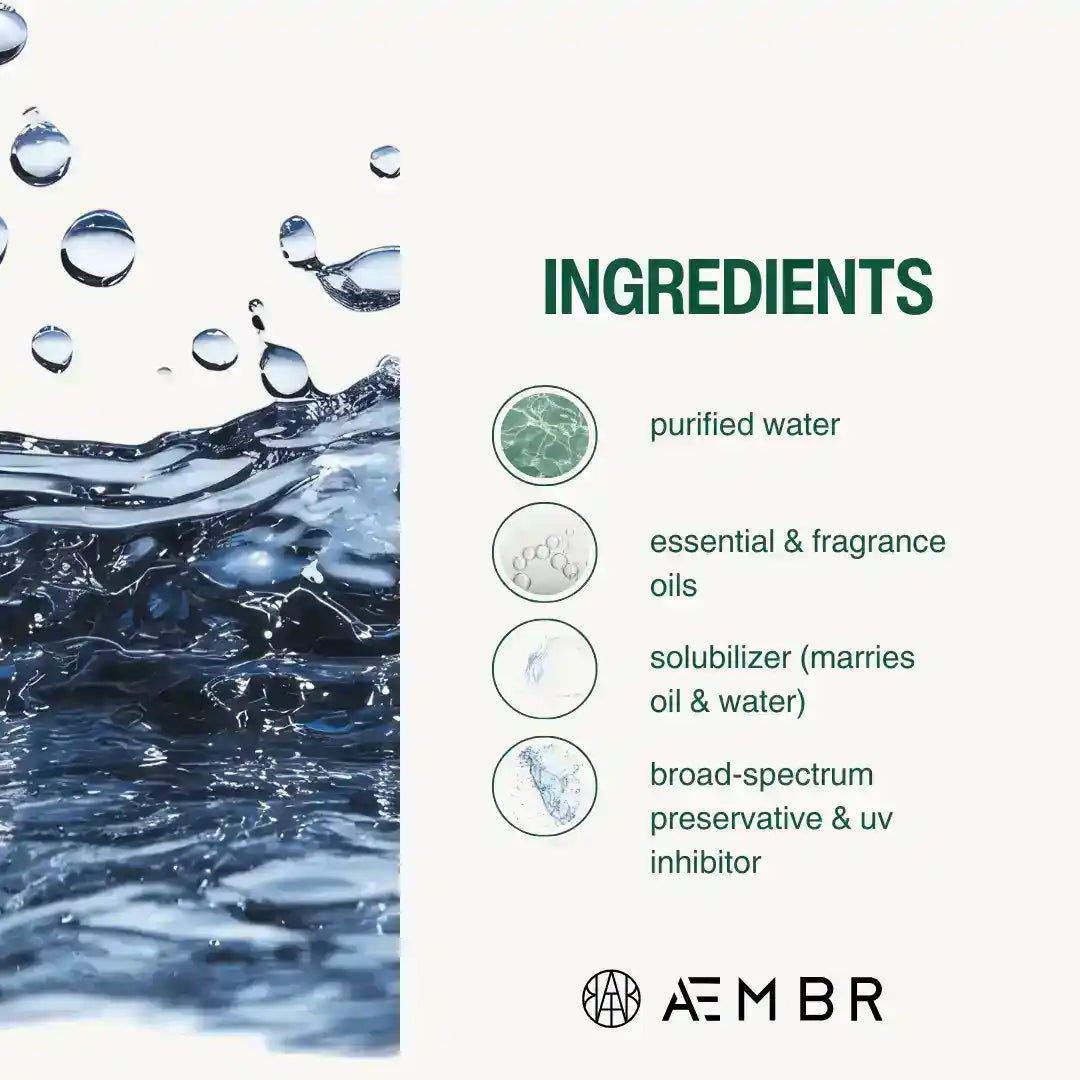
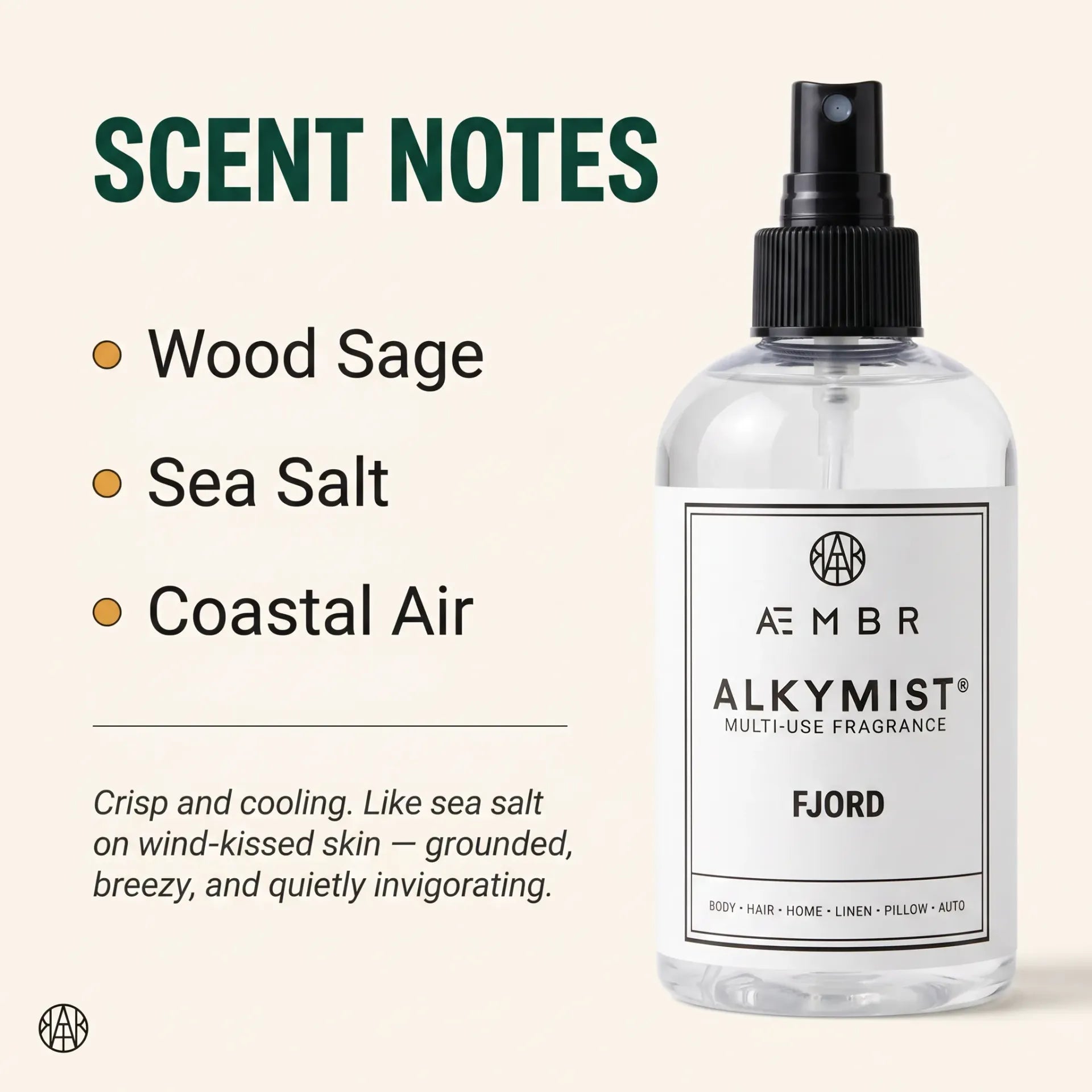
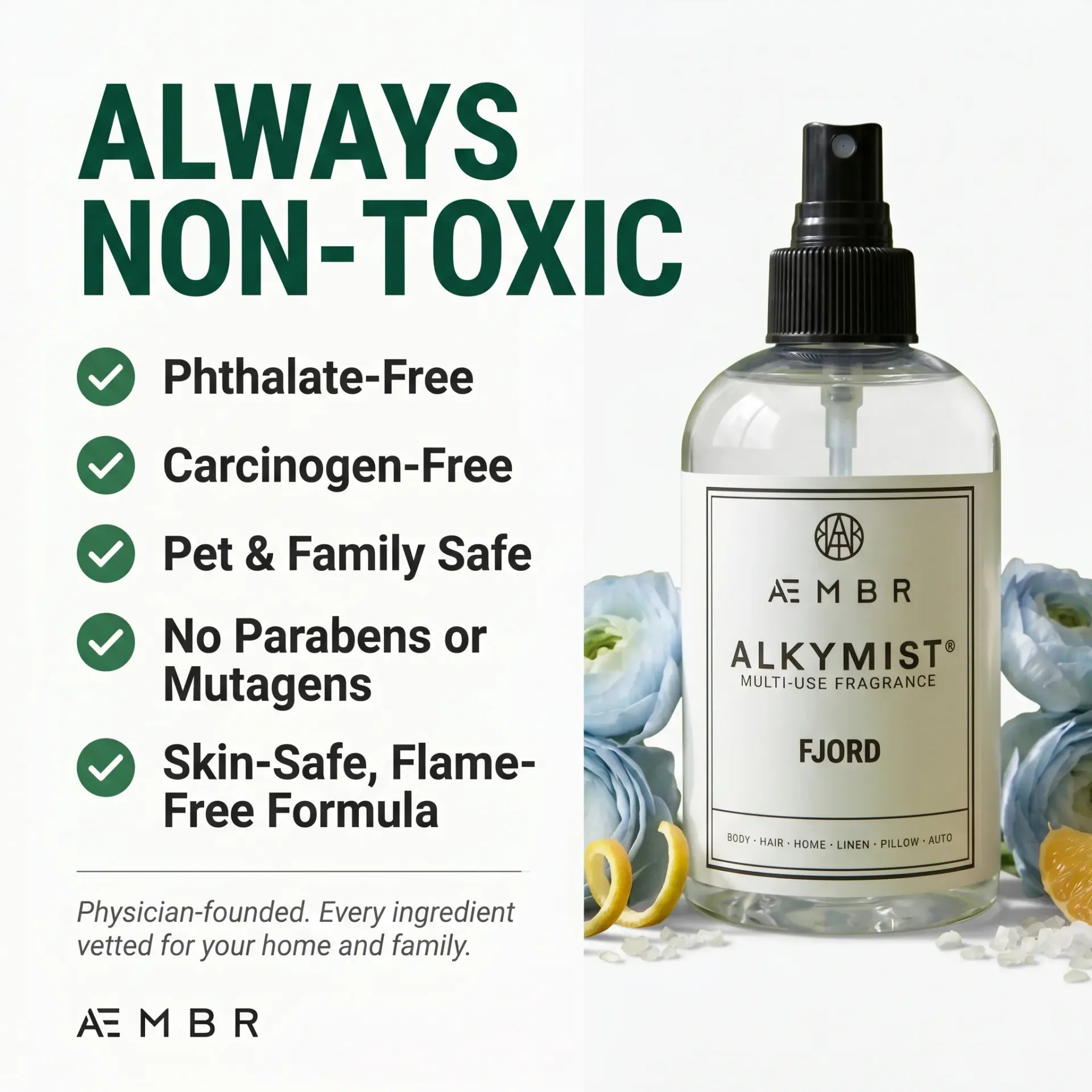
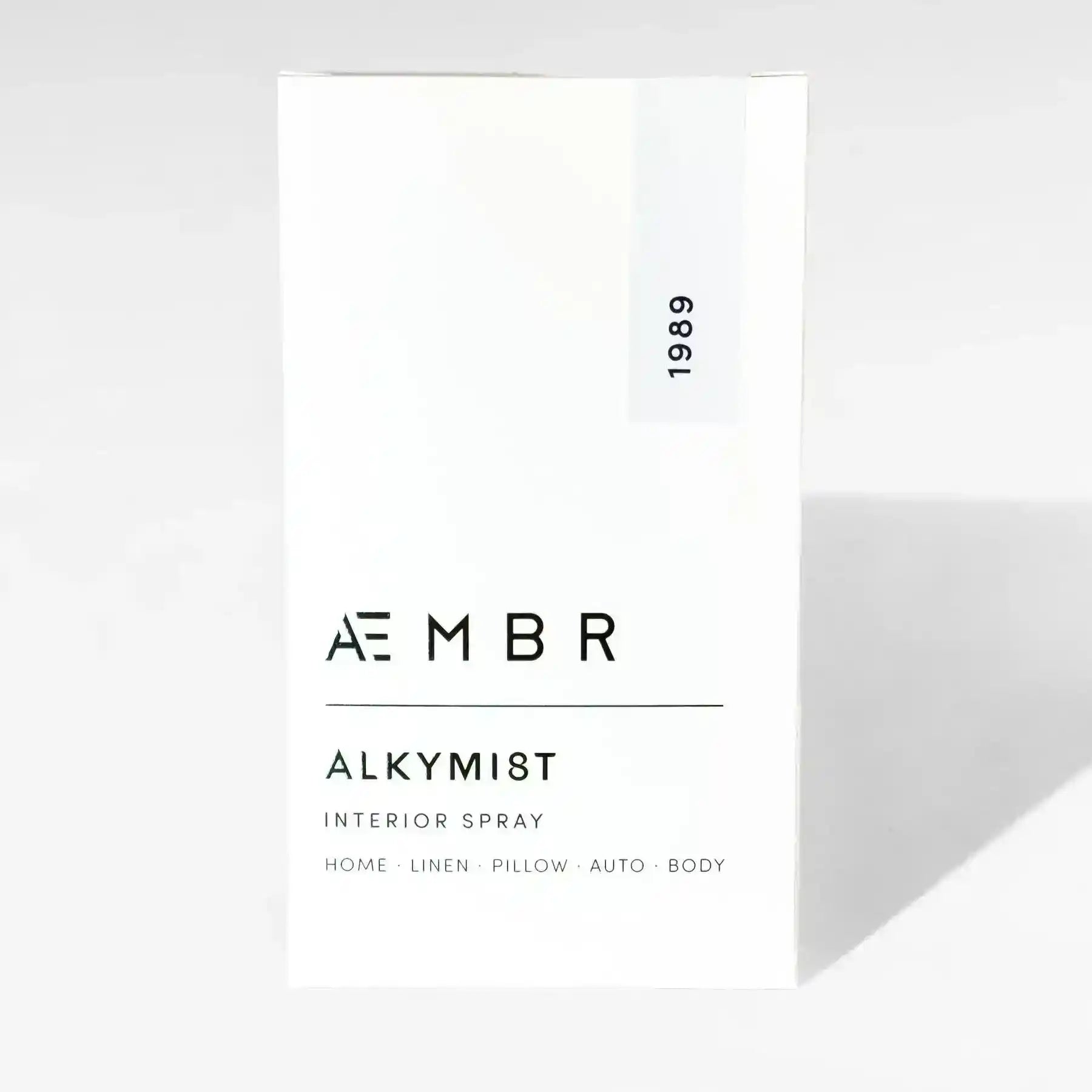
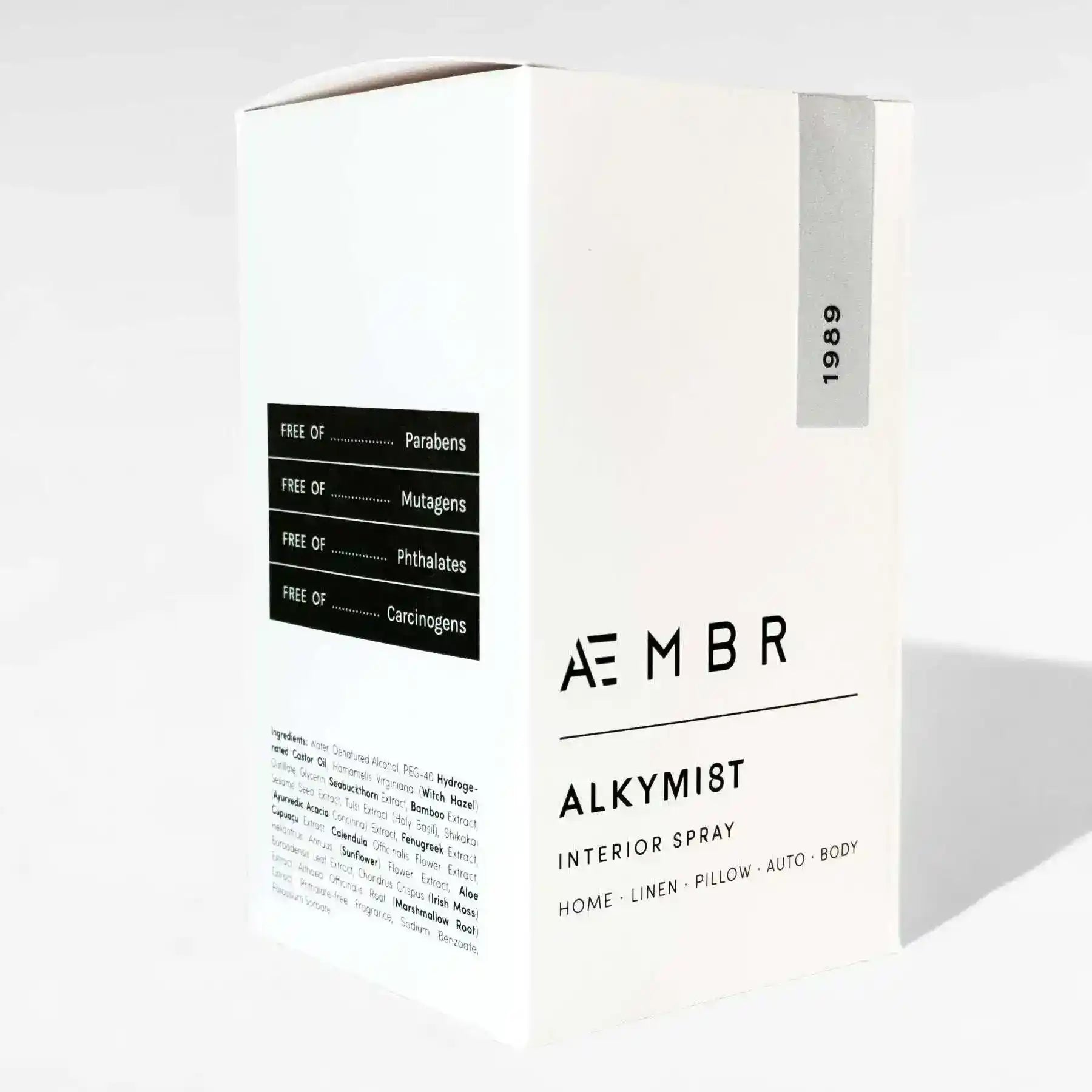
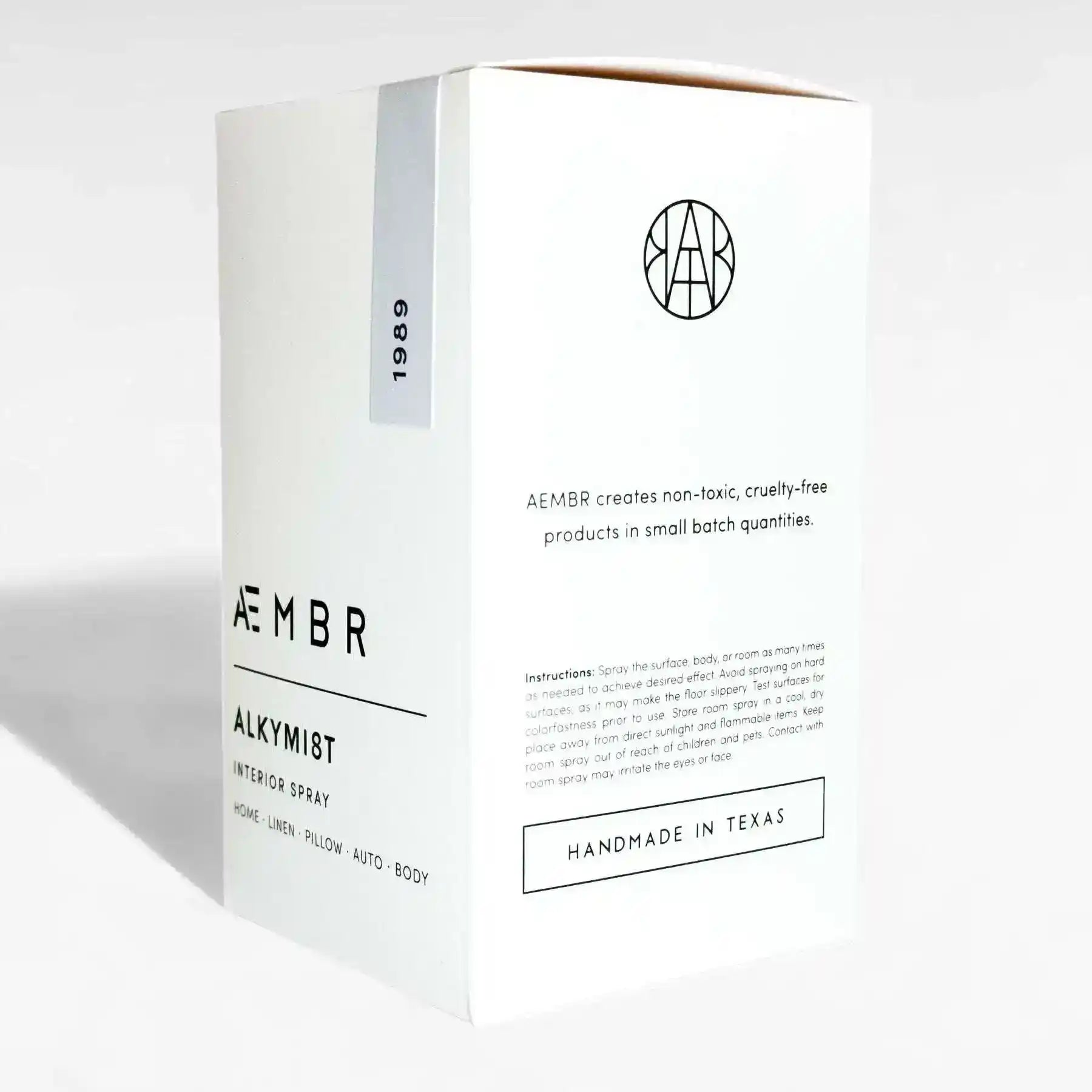
The concerns above are the specific reasons ALKYMIST is formulated the way it is: ethanol carrier, pump delivery, disclosed fragrance ingredients, no phthalate carriers, no aerosol propellants. It's not a longer ingredient list that makes a product safer — it's the specific choices made at each decision point.
Room fragrance is a legitimate home experience worth having. The goal isn't to eliminate it but to do it with the formulation transparency that lets you make an informed choice. You can see the full approach in the ALKYMIST Bibliotek Room Spray.
Further Reading
- Are Scented Candles Bad for You? What the Research Actually Says
- What Are VOCs in Cleaning Products?
- EPA — VOCs and Indoor Air Quality
Kristina Braly, MD, is the physician founder of AEMBR. She writes about ingredient safety, formulation science, and evidence-based approaches to home health. Nothing in this article constitutes medical advice.