



The Complete Guide to Building a Non-Toxic Home: Where to Start
By Kristina Braly, MD — Founder, AEMBR
When I was pregnant with my first child, I pulled every bottle out from under my kitchen sink and started reading labels. What I found wasn't reassuring. Ingredients with no disclosure, fragrance listed as a single word covering dozens of hidden chemicals, surfactants linked in the safety literature to skin sensitization and endocrine disruption. As a physician, I'd spent years reading clinical studies. But I'd never applied that same critical eye to my home products — until that moment. That research eventually became AEMBR. And what I learned along the way is the foundation of this guide.
Building a non-toxic home doesn't require a renovation, a complete pantry overhaul, or a perfect score overnight. It requires knowing where your highest-exposure categories are, understanding which ingredient concerns are substantiated, and making swaps in order of priority. This guide walks you through exactly that — category by category, room by room — with the clinical framing I use myself.
Why "Non-Toxic" Is Worth Pursuing (and What It Actually Means)
Let's start with clarity: "non-toxic" is not a regulated term. A company can print it on nearly anything. What it should mean — and what I use as my benchmark — is a formulation free from ingredients with credible evidence of harm at realistic exposure levels in a home environment. That includes carcinogens, endocrine disruptors, respiratory sensitizers, and ingredients with known bioaccumulation concerns.
The reason this matters more now than 30 years ago: we have more products, used in more combinations, in tighter indoor environments. The EPA estimates Americans spend roughly 90 percent of their time indoors. Indoor air quality reflects what we clean with, what we scent our homes with, what we wash our clothes and dishes in. That accumulation of daily low-level exposures is the concern — not any single product in isolation.
For the purpose of this guide, I'll point you to third-party resources I trust: EWG (Environmental Working Group), EPA Safer Choice, MADE SAFE, and peer-reviewed toxicology literature where available. These aren't perfect — but they're the best available frameworks we have.
Where to Start: Prioritizing by Exposure Frequency
Not all categories are equal. I prioritize by two factors: how often you're exposed, and what the evidence says about the ingredients of concern in that category.
Here's my rough priority order, which drives the structure of this guide:
- Laundry — Daily or near-daily use; residue stays on fabric worn against your skin all day
- General cleaning & surfaces — Multiple weekly uses; residue on food-contact surfaces, children's play areas
- Air fresheners & fragrance — Continuous low-level inhalation exposure
- Dish soap & dishwasher detergents — Direct food-contact surface exposure
- Personal care products — Outside the scope of this guide, but follow the same principle: read the label
If you do nothing else, start with laundry. The clothes against your skin for 12–16 hours a day are the highest sustained dermal exposure vector in your home. That's where I started, and it's where AEMBR started too.
Laundry: Your Highest-Priority Swap
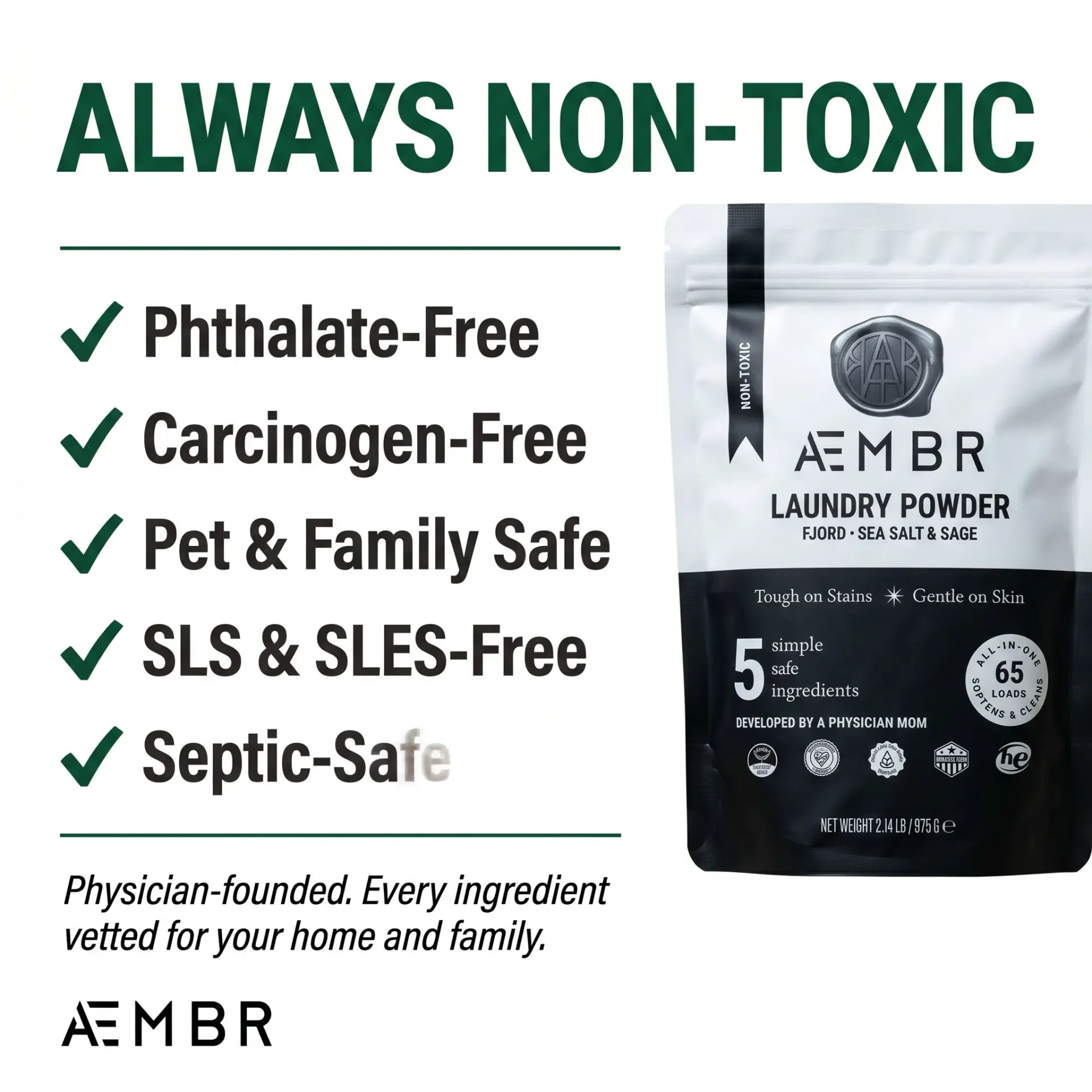
Conventional laundry detergents frequently contain a combination of the following: optical brighteners (which bind to fabric and absorb UV to re-emit visible light — staying on fabric through wash cycles, potentially sensitizing skin over time), synthetic fragrance with undisclosed phthalate content, surfactants like SLS and SLES (which can cause skin irritation and may be contaminated with 1,4-dioxane, a probable human carcinogen per the EPA), and enzyme stabilizers with limited safety data.
What to look for in a clean laundry detergent:
- Plant-derived surfactants (look for lauryl glucoside, coco-glucoside, sodium lauryl sulfate from coconut — note: SLS derived from coconut is still SLS; the source doesn't change the chemistry, but it can signal a more transparent brand)
- Phthalate-free fragrance — this should be stated explicitly, not implied
- No optical brighteners
- No synthetic dyes
- Full ingredient disclosure
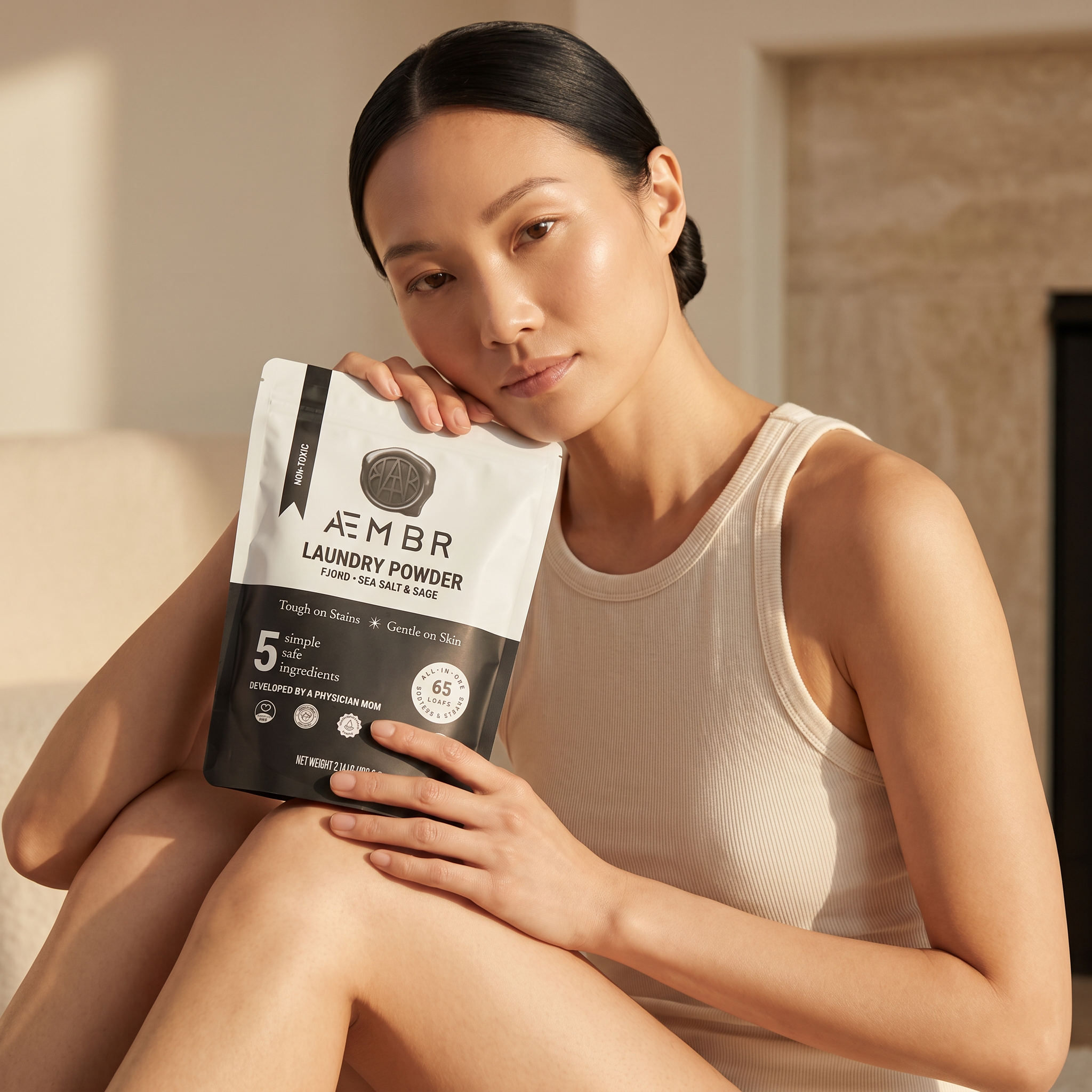
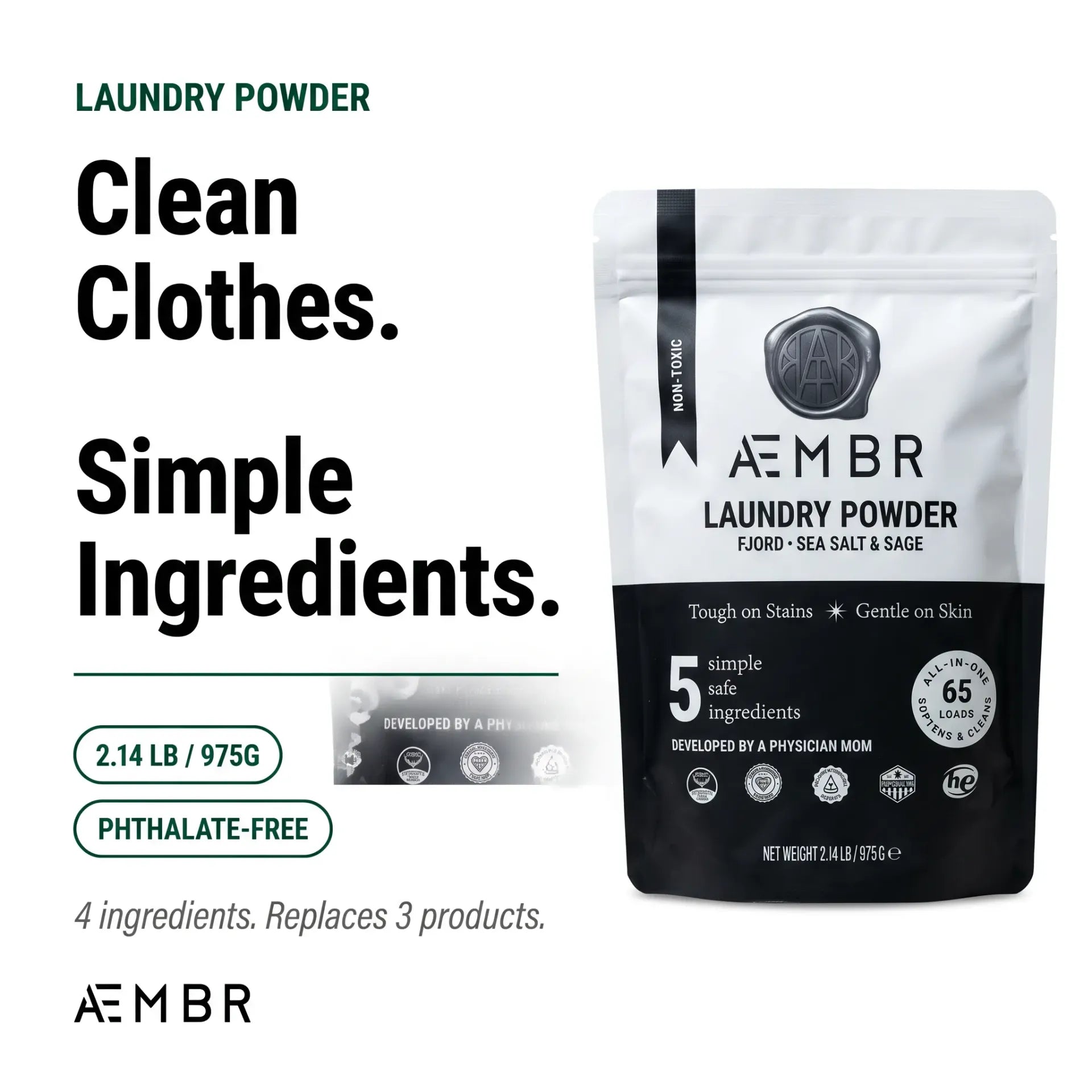
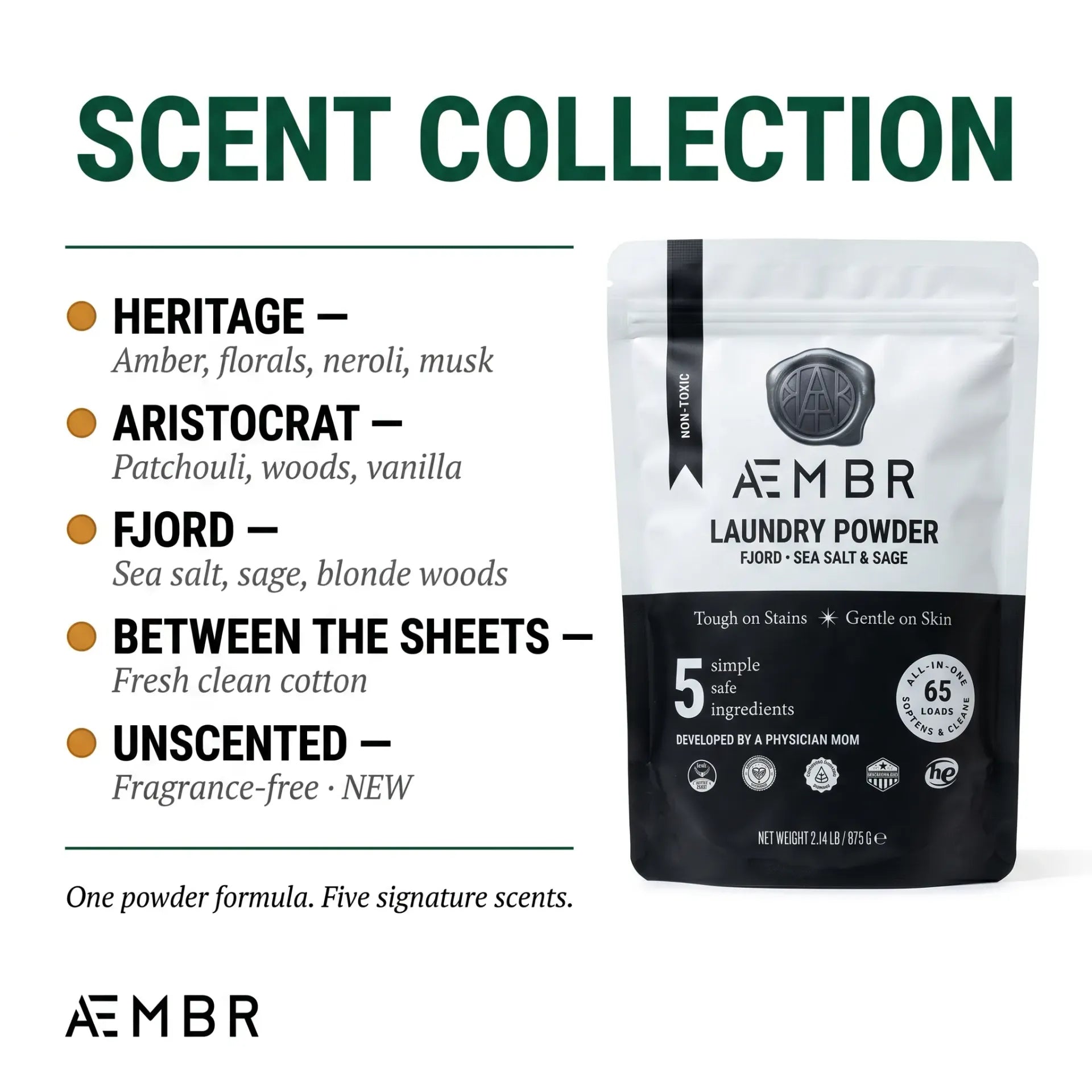
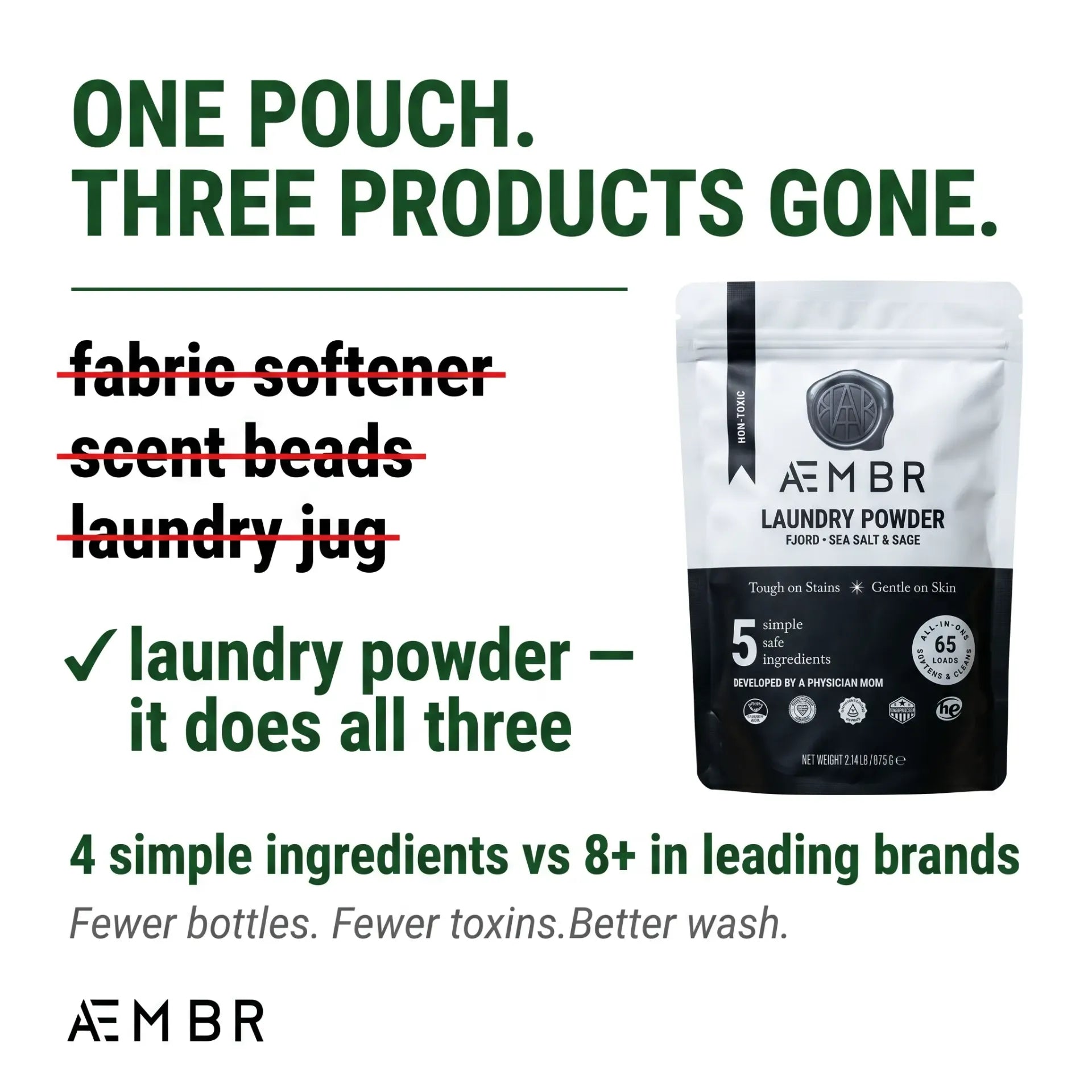
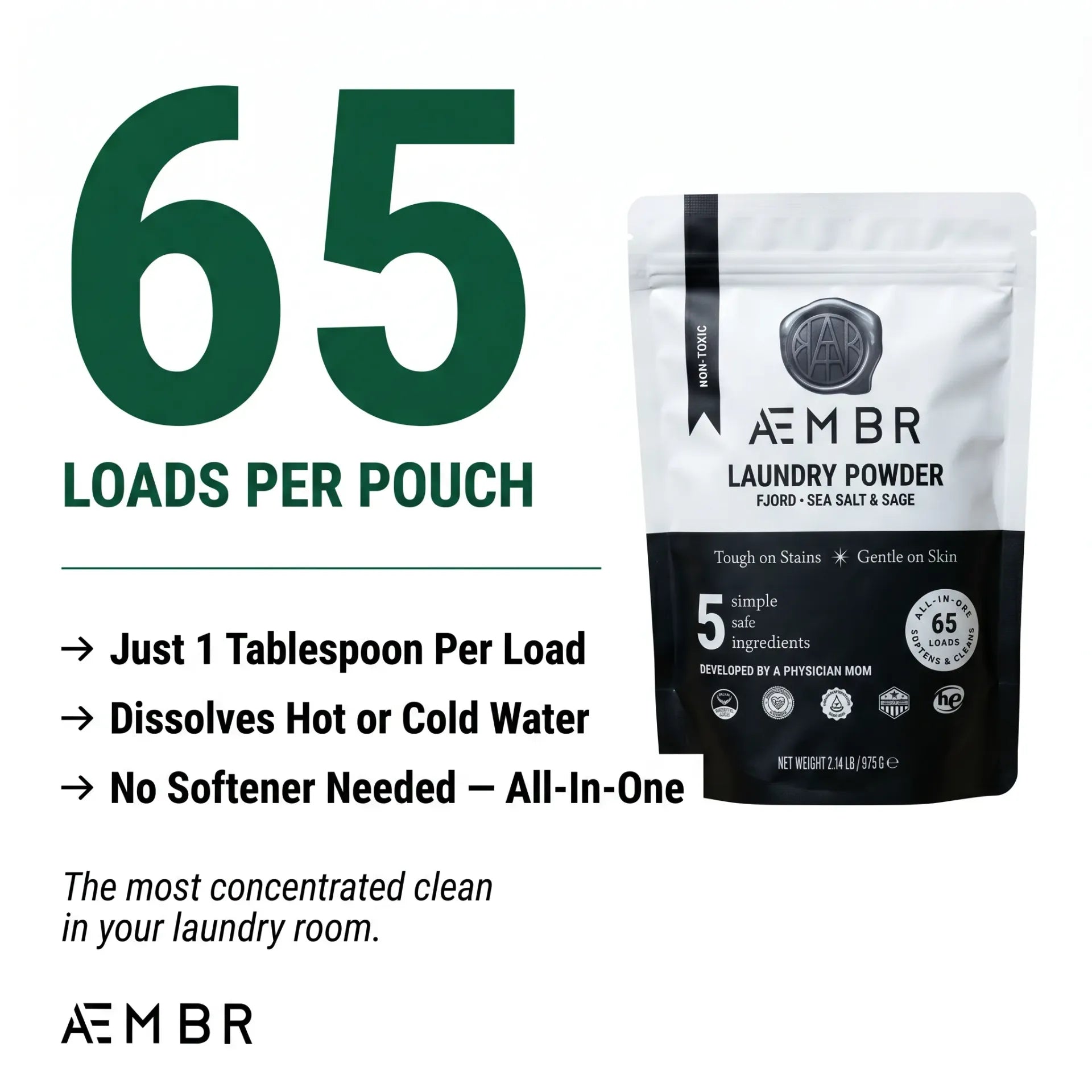
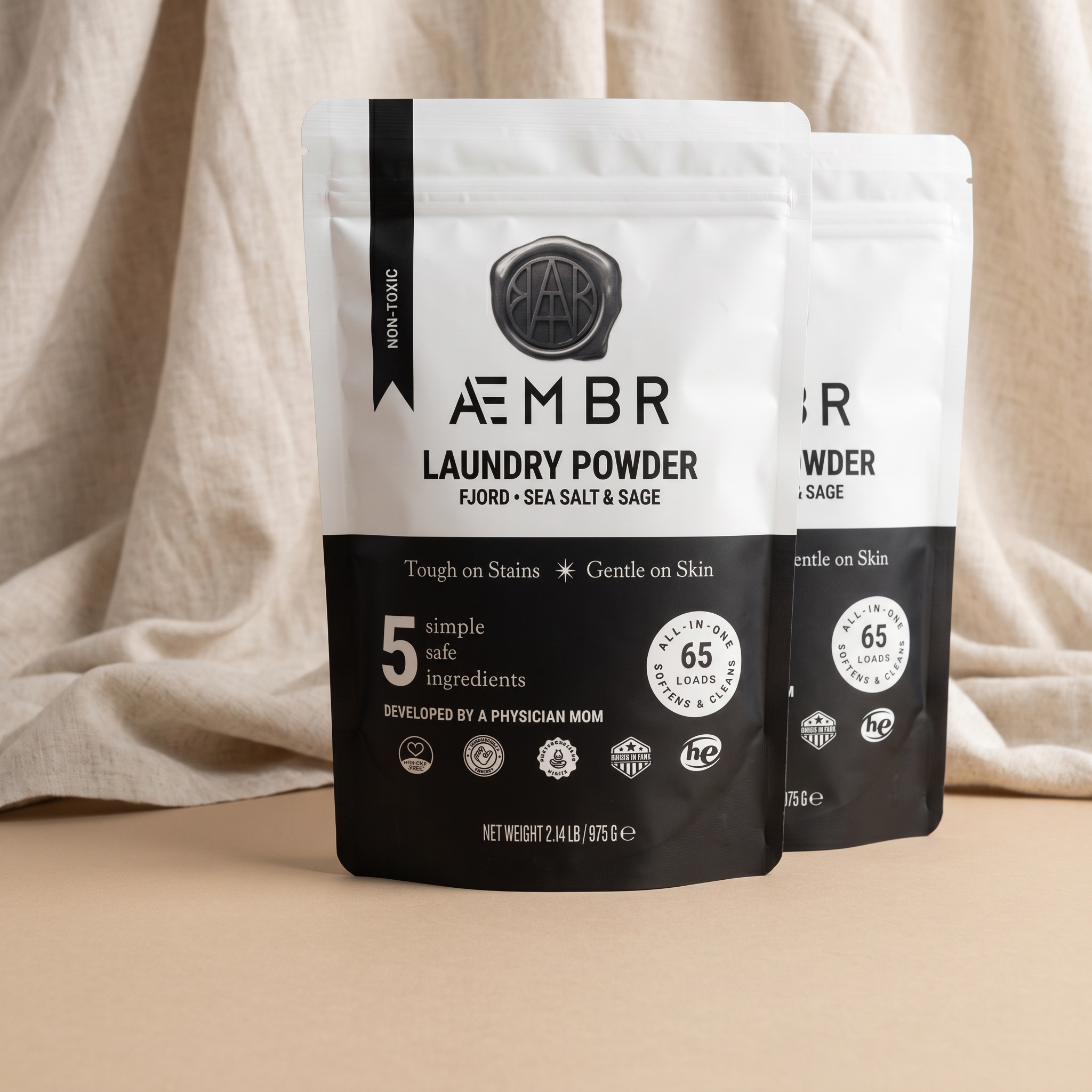
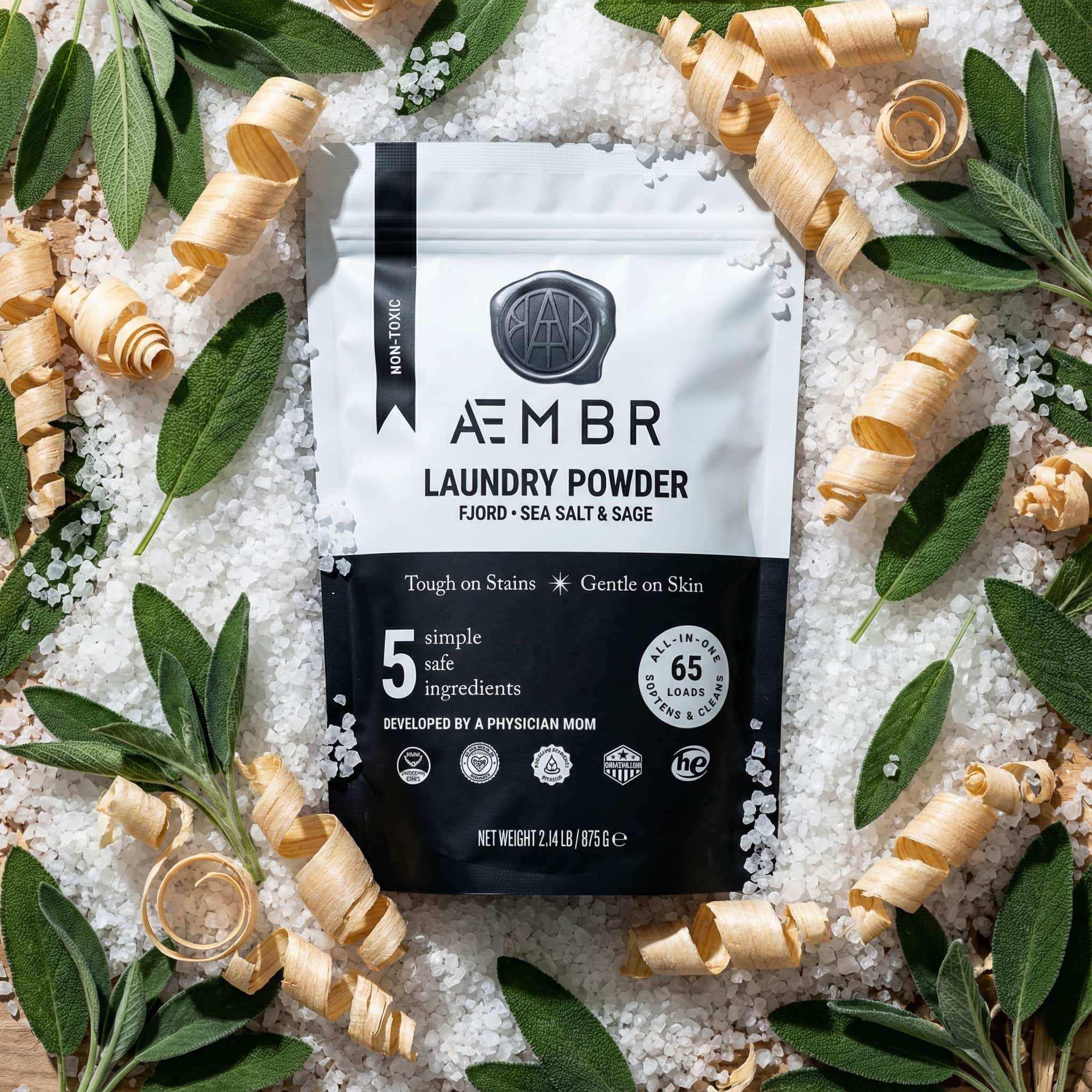
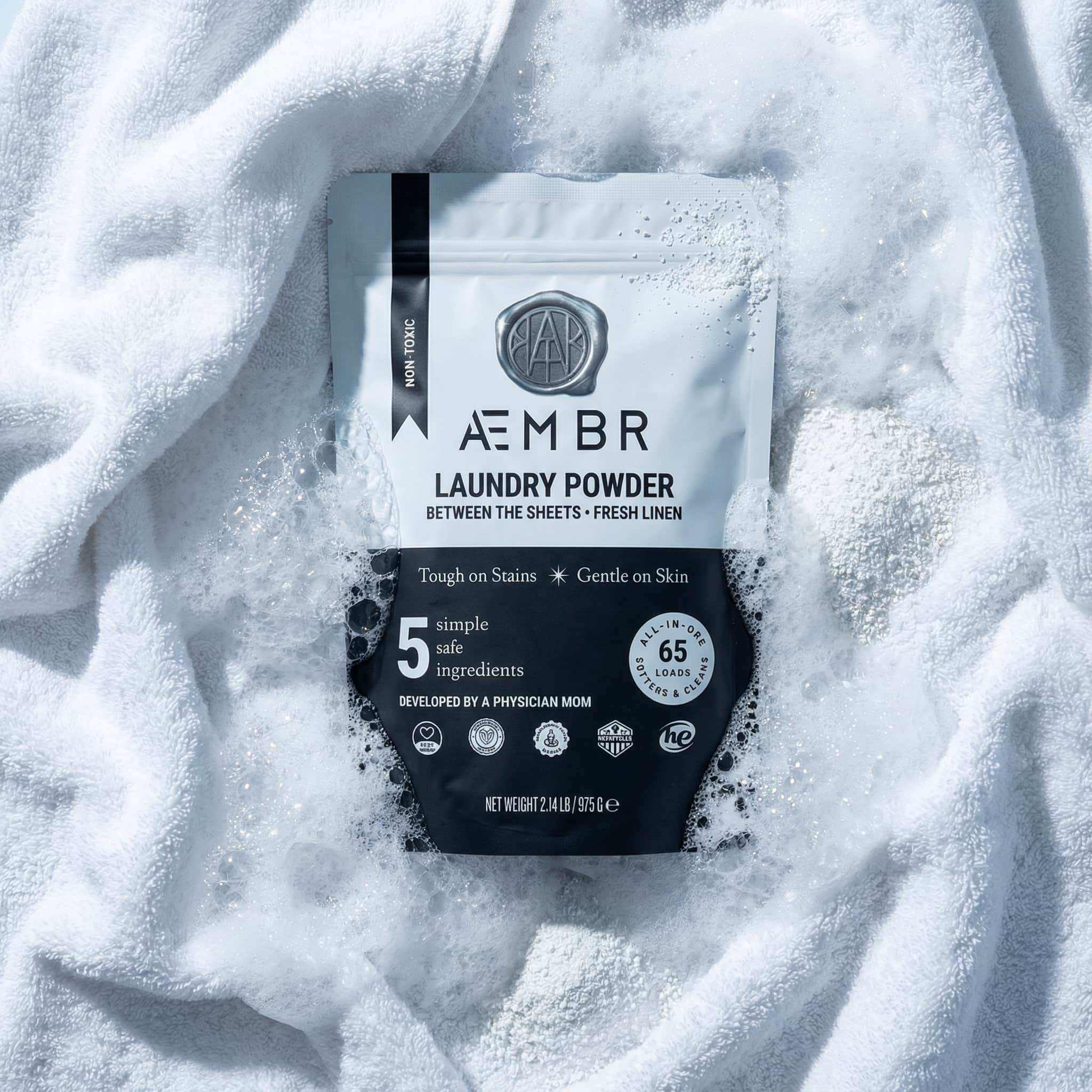
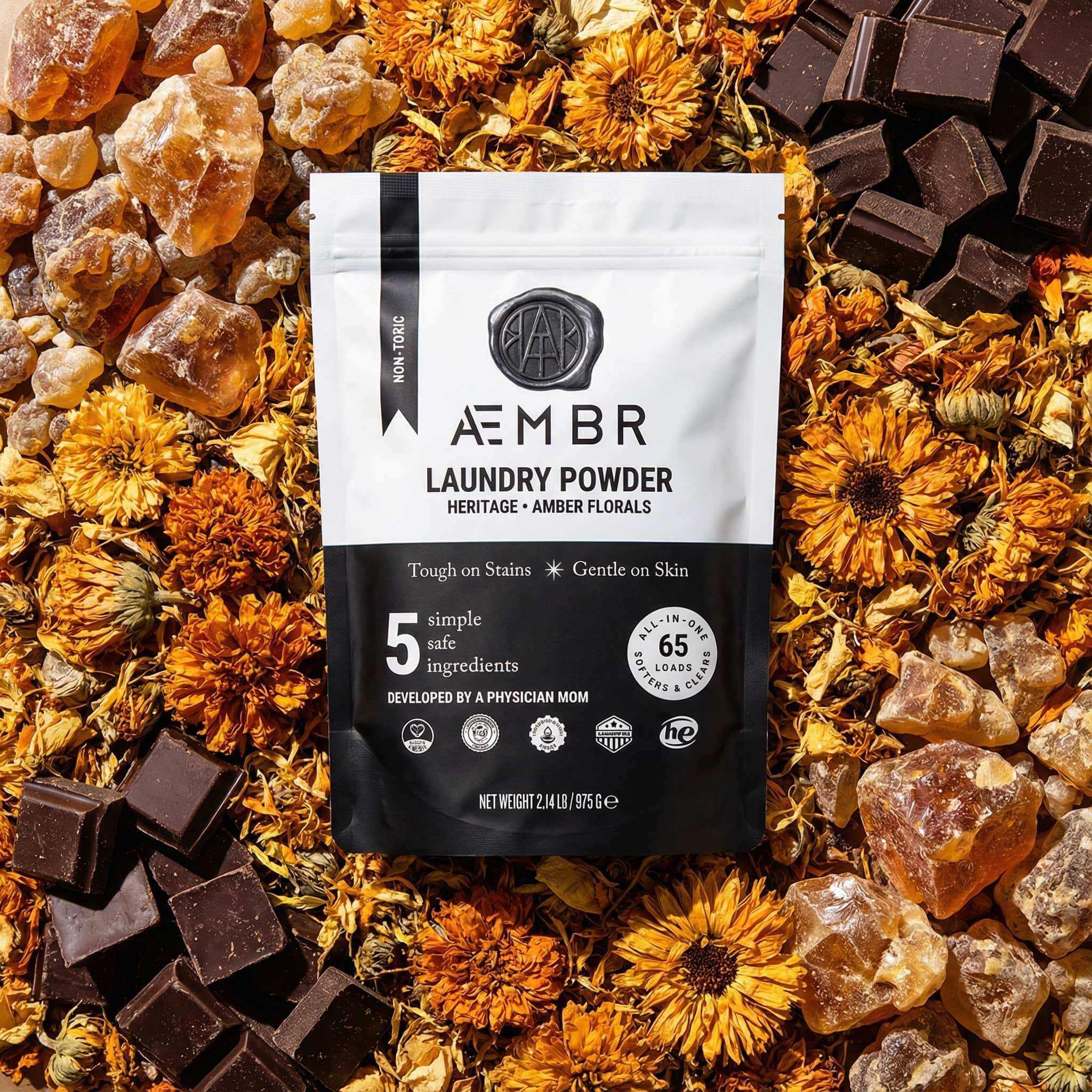
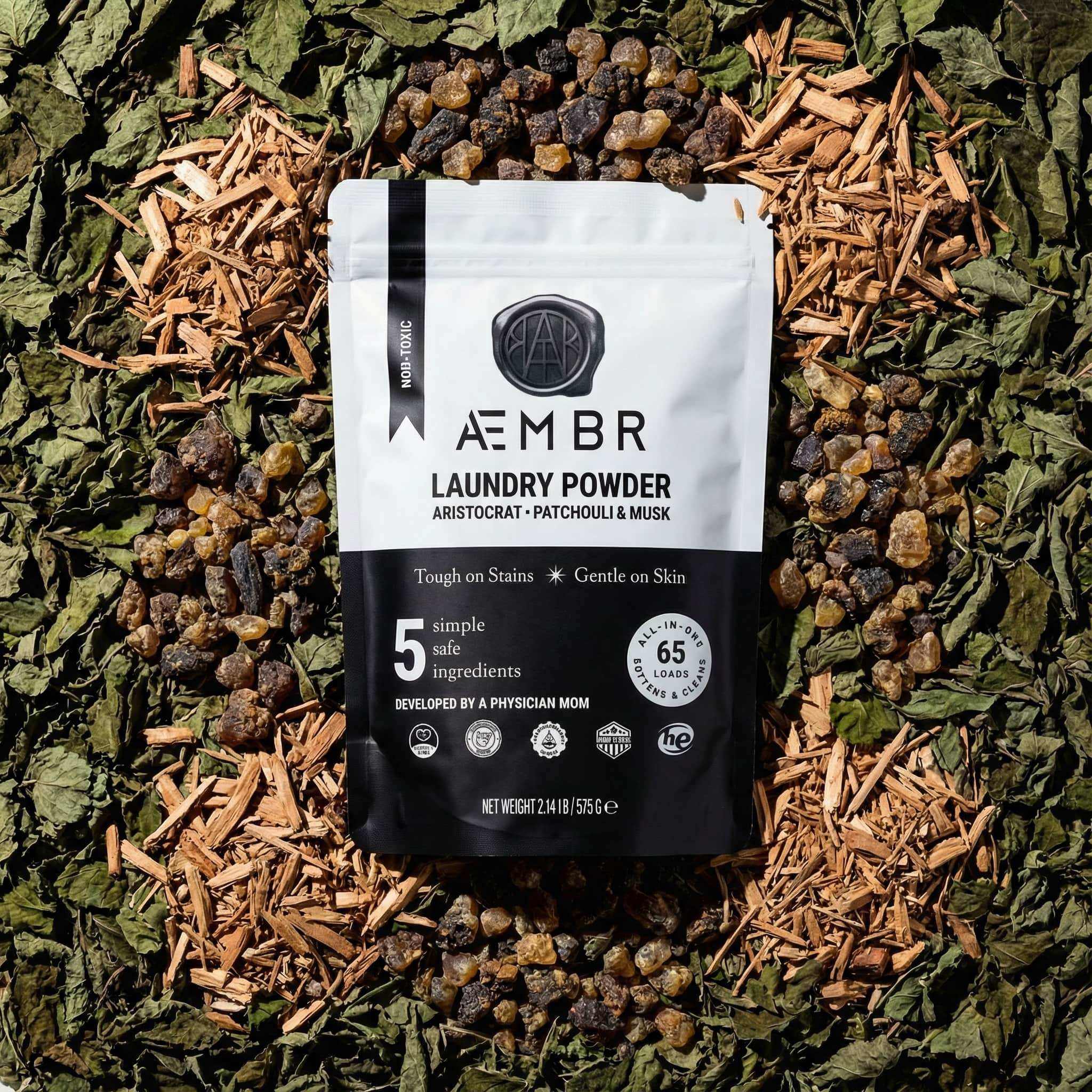
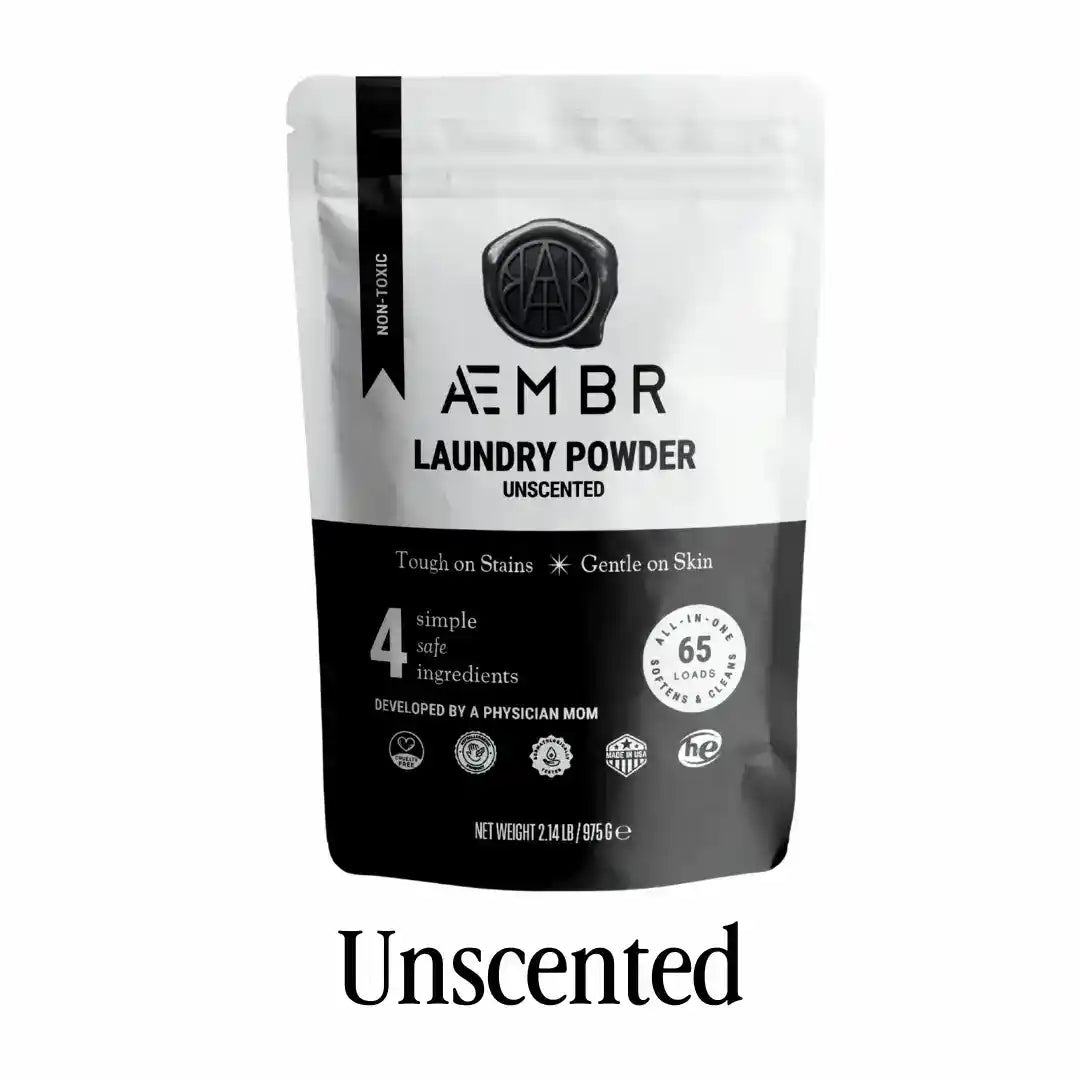
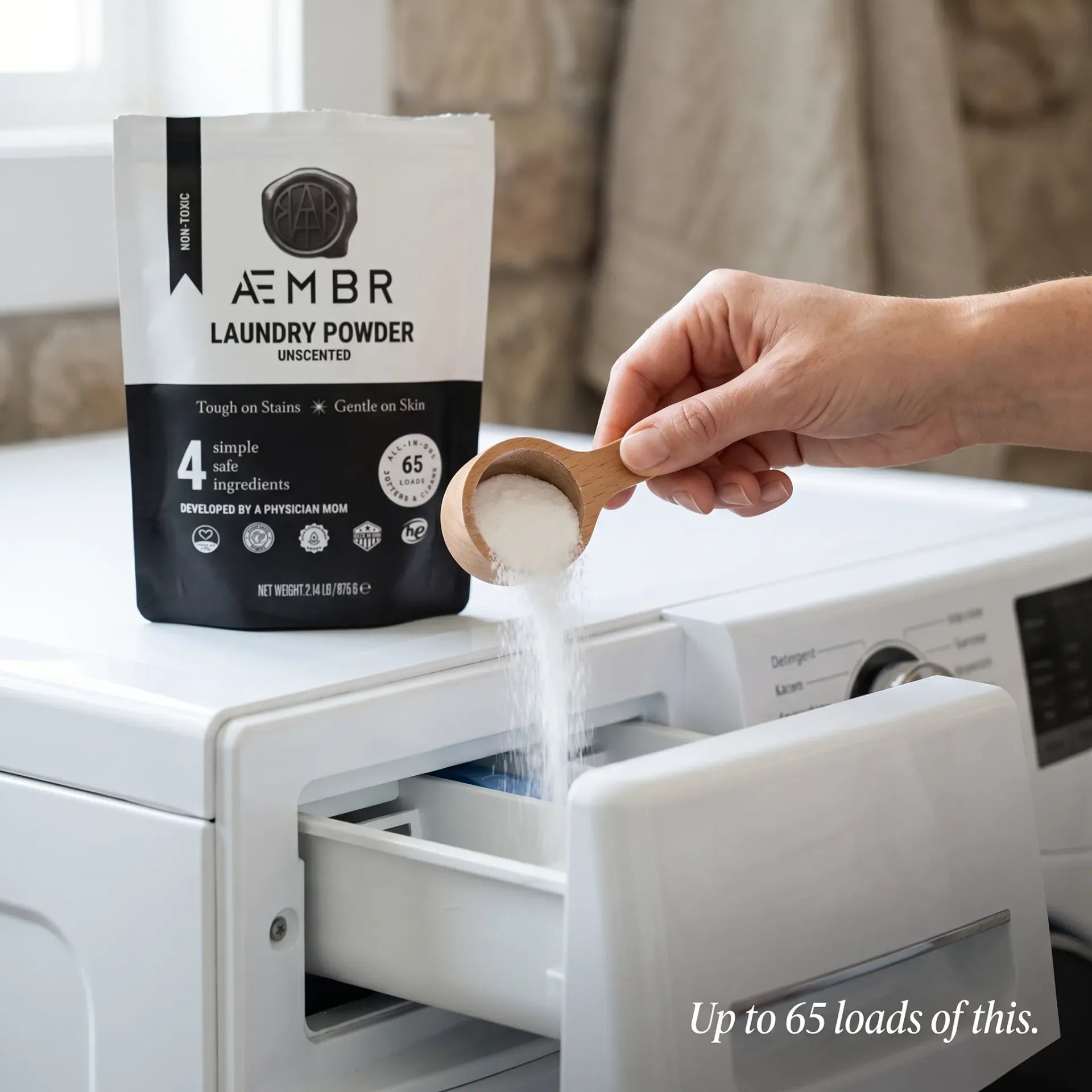
AEMBR Laundry Powder was formulated to meet every one of those criteria — phthalate-free fragrance, plant-derived surfactants, no optical brighteners, full ingredient list published. If you want to try it before committing to a full bag, we offer trial packs in multiple scents. For deeper reading, see my post on what's actually in laundry detergent and my breakdown of phthalate-free laundry detergent.
Also worth noting: laundry detergent has a shelf life. Enzyme-based formulas degrade over time, particularly in liquid form. Powder formulations like AEMBR's tend to be more stable — see my post on detergent shelf life and storage for the full breakdown.
If you have children, eczema, or sensitive skin, this swap becomes even more urgent. See laundry detergent safety for babies and laundry detergent and eczema triggers for the clinical framing.
Cleaning Products: Surfaces, Floors, and the Kitchen
After laundry, general cleaning products are my second priority — primarily because of kitchen and food-prep surface contact, and because of what they contribute to indoor air quality when sprayed.
The ingredient categories I avoid in surface cleaners:
- Quaternary ammonium compounds ("quats") — effective disinfectants, but linked in some studies to reproductive concerns and skin sensitization; there are questions about antimicrobial resistance development as well
- Synthetic fragrance with undisclosed phthalates — same concern as in laundry, plus additional inhalation exposure when sprayed
- Chlorine bleach on food-contact surfaces — not inherently problematic in small doses, but generates chlorinated byproducts in combination with organic matter; I'd rather use a hydrogen-peroxide-based approach on cutting boards and counters
- High-VOC formulations — see the VOC guide for a full explanation of the indoor air quality concern
What to look for: EPA Safer Choice certification is the most meaningful third-party stamp for cleaning products in the US. EWG's Guide to Healthy Cleaning database rates specific products if you want to verify a brand you're already using.
AEMBR's Multi Surface Spray is formulated with plant-derived surfactants, phthalate-free fragrance, and without quats or chlorine bleach — safe on food-contact surfaces and around children and pets.
For a deeper read on how to decode a cleaning label, see my guide on reading cleaning product labels.
Dishwasher Detergents and Dish Soap
Dishes are food-contact surfaces. Whatever residue remains after the dishwasher cycle — and there is always some residue — ends up in contact with your food. That makes dishwasher detergent more important than it might seem.
The specific concerns I look at:
- EDTA (ethylenediaminetetraacetic acid) — a chelating agent that doesn't biodegrade well and has surfaced in EU regulatory reviews for aquatic toxicity
- Phosphates — largely phased out in the US, but still found in some commercial formulations; contribute to aquatic eutrophication
- Chlorine bleach — effective but generates chlorinated byproducts; I'd rather use an oxygen-based alternative for dishes
- Polyvinyl alcohol (PVA) film on pods — the research on whether PVA film fully dissolves in wastewater is genuinely contested. For now, I prefer powder or loose liquid over pods
For a full comparison of clean dishwasher detergent brands, see my post on the best non-toxic dishwasher detergents of 2026.
Home Fragrance and Air Quality
This is where AEMBR started, and it's a category I understand deeply — both the product and the safety literature.
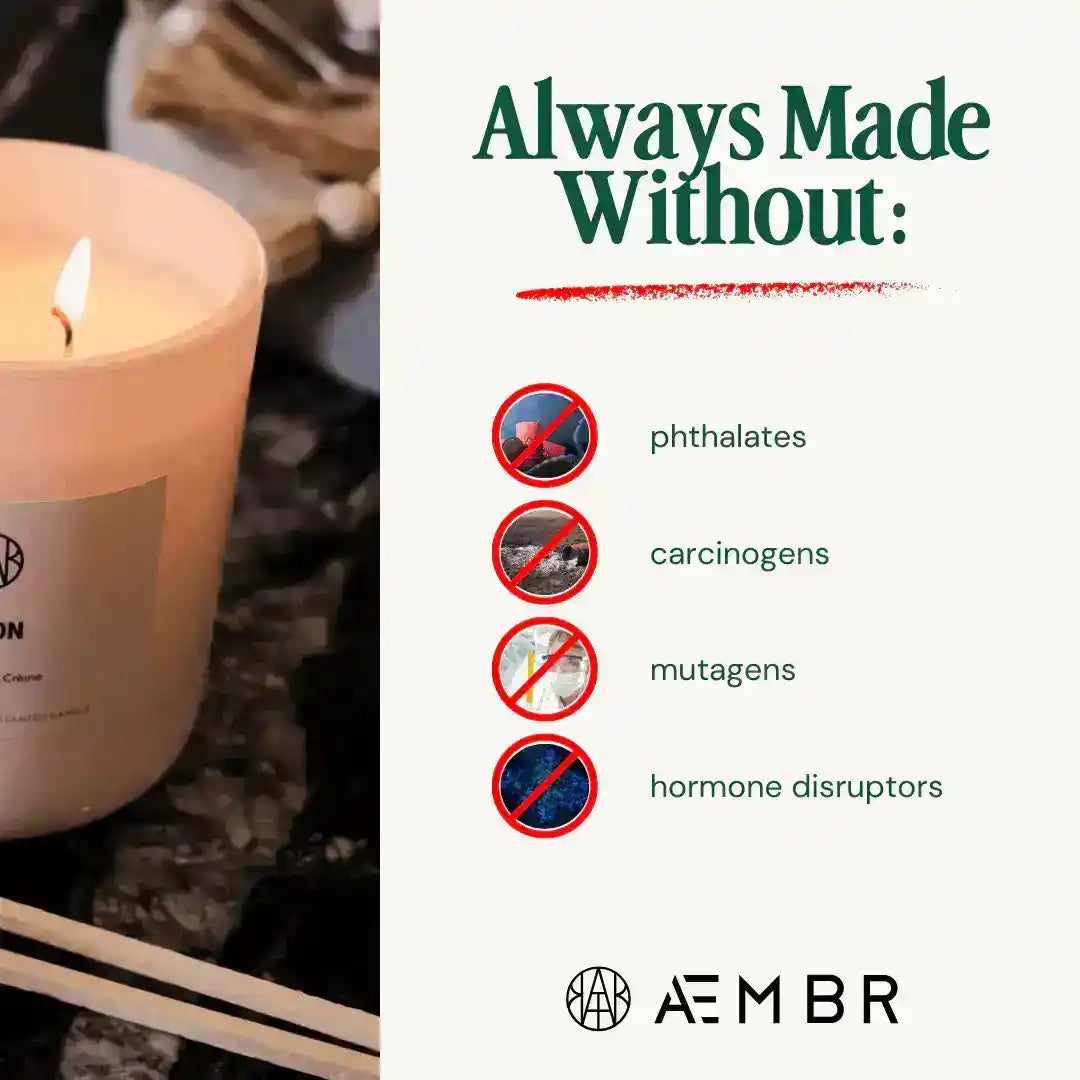
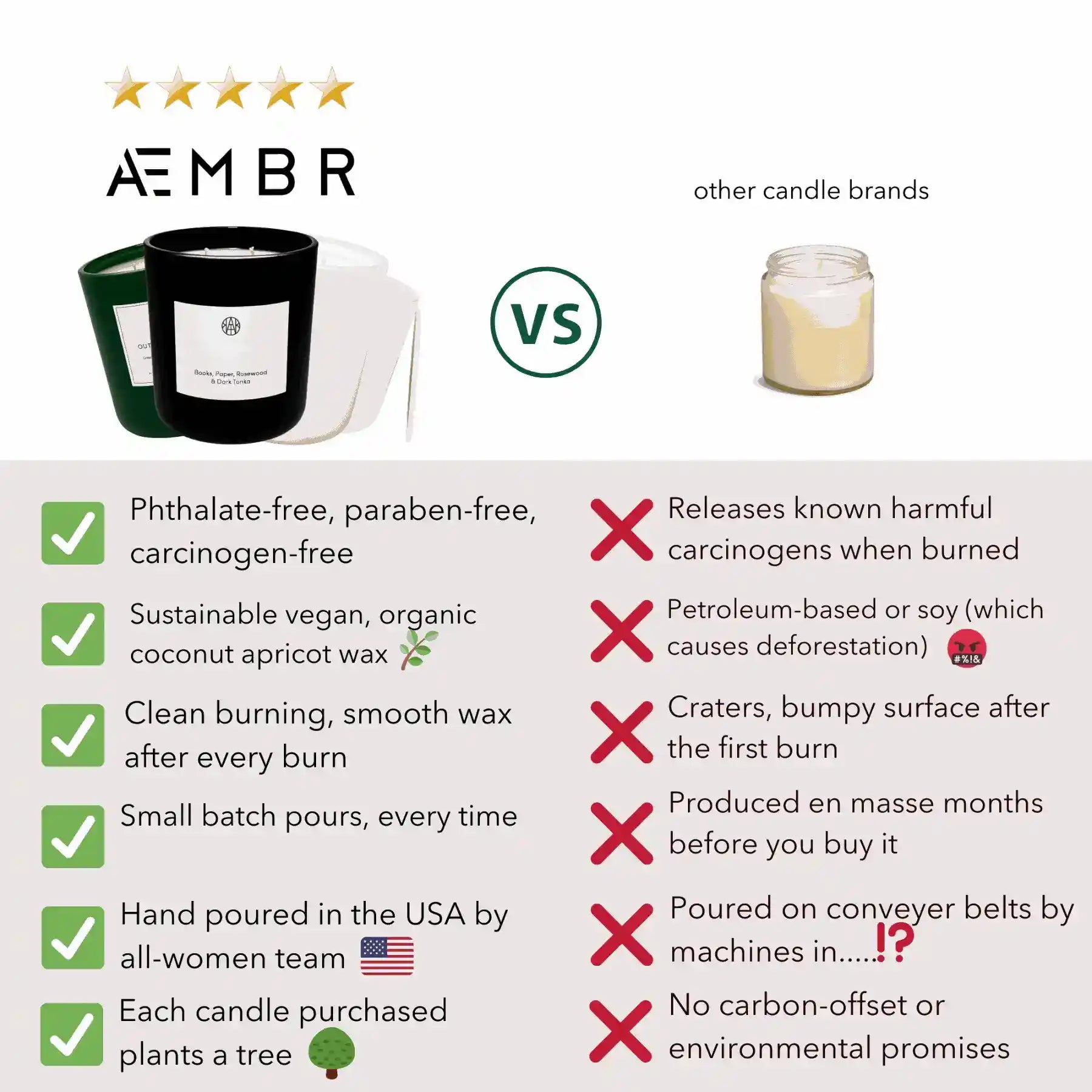
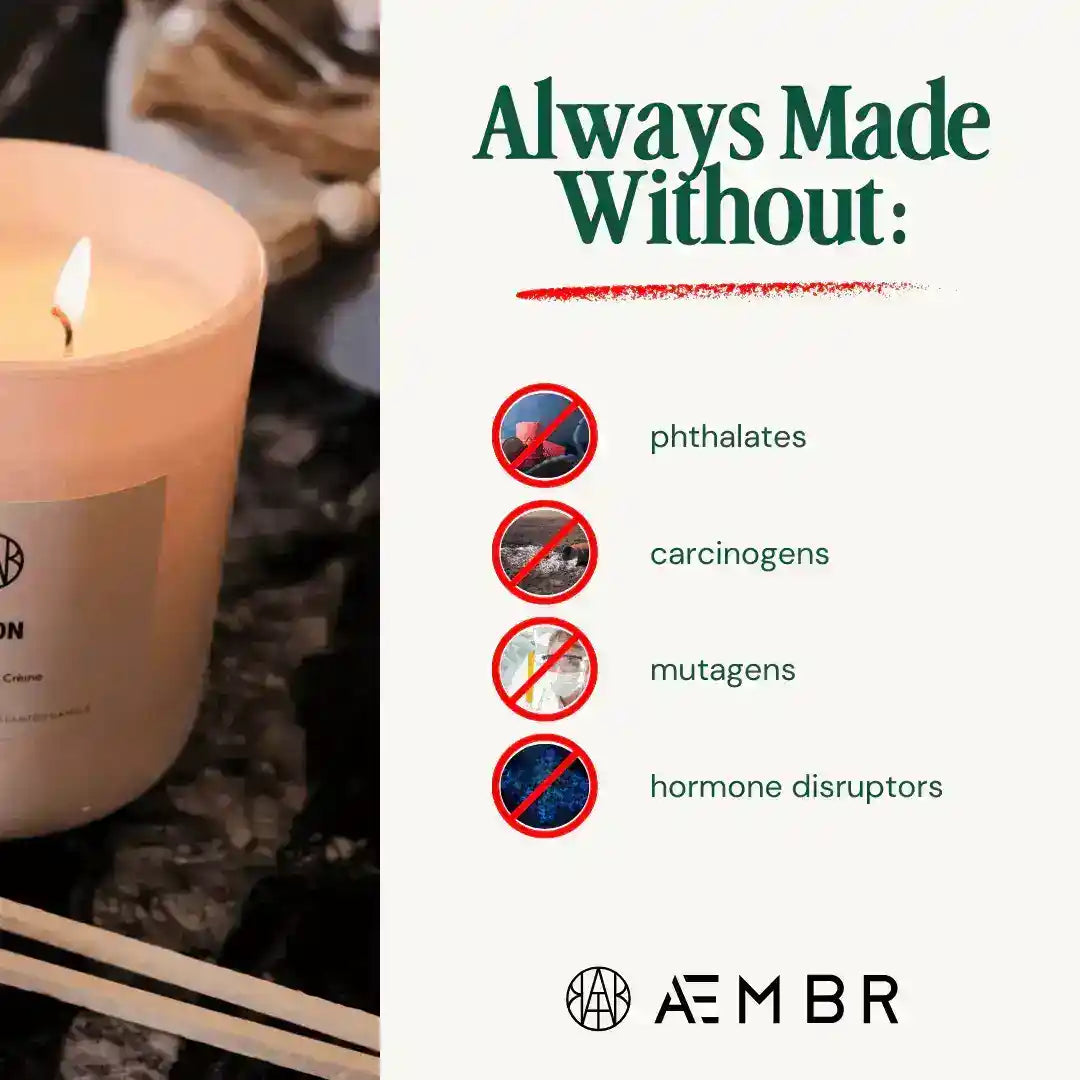
The concern with conventional home fragrance isn't the concept of scent. It's specific ingredient classes: phthalates used as fragrance fixatives (endocrine disruption concern), high-soot combustion from paraffin candles (indoor particulate matter), and synthetic fragrance blends with undisclosed chemistry.
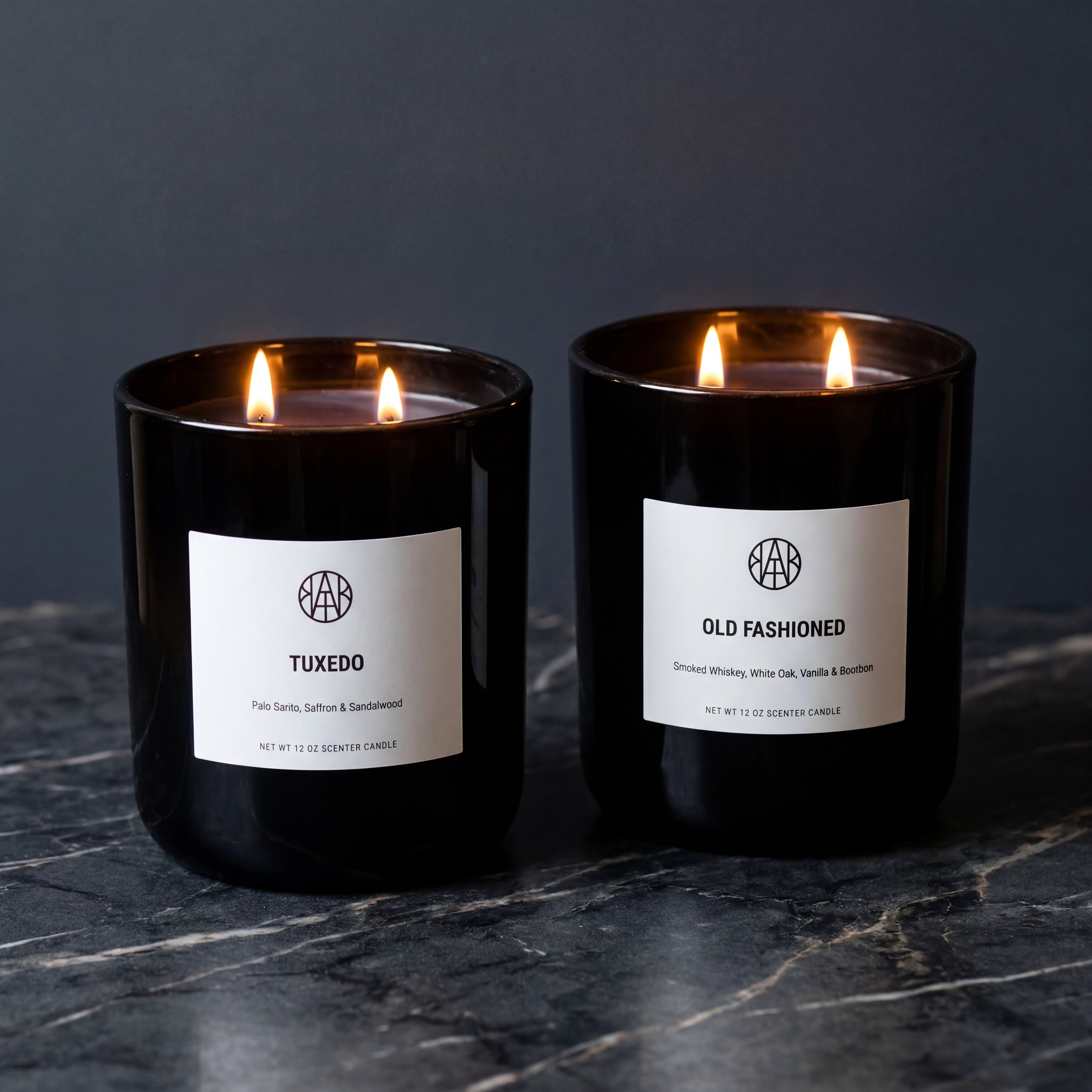
Candles are the highest-exposure format because of the combustion component. What the wax burns, what the fragrance oil releases at combustion temperatures, and what the wick produces all contribute to what's in your air. My post on whether scented candles are bad for you walks through the actual research — including what the IARC data says and what it doesn't. Short version: well-formulated candles in a ventilated room are not a meaningful cancer risk. Paraffin candles with synthetic fragrance and metal-core wicks in a small unventilated space are a different story.
What I look for in candles:
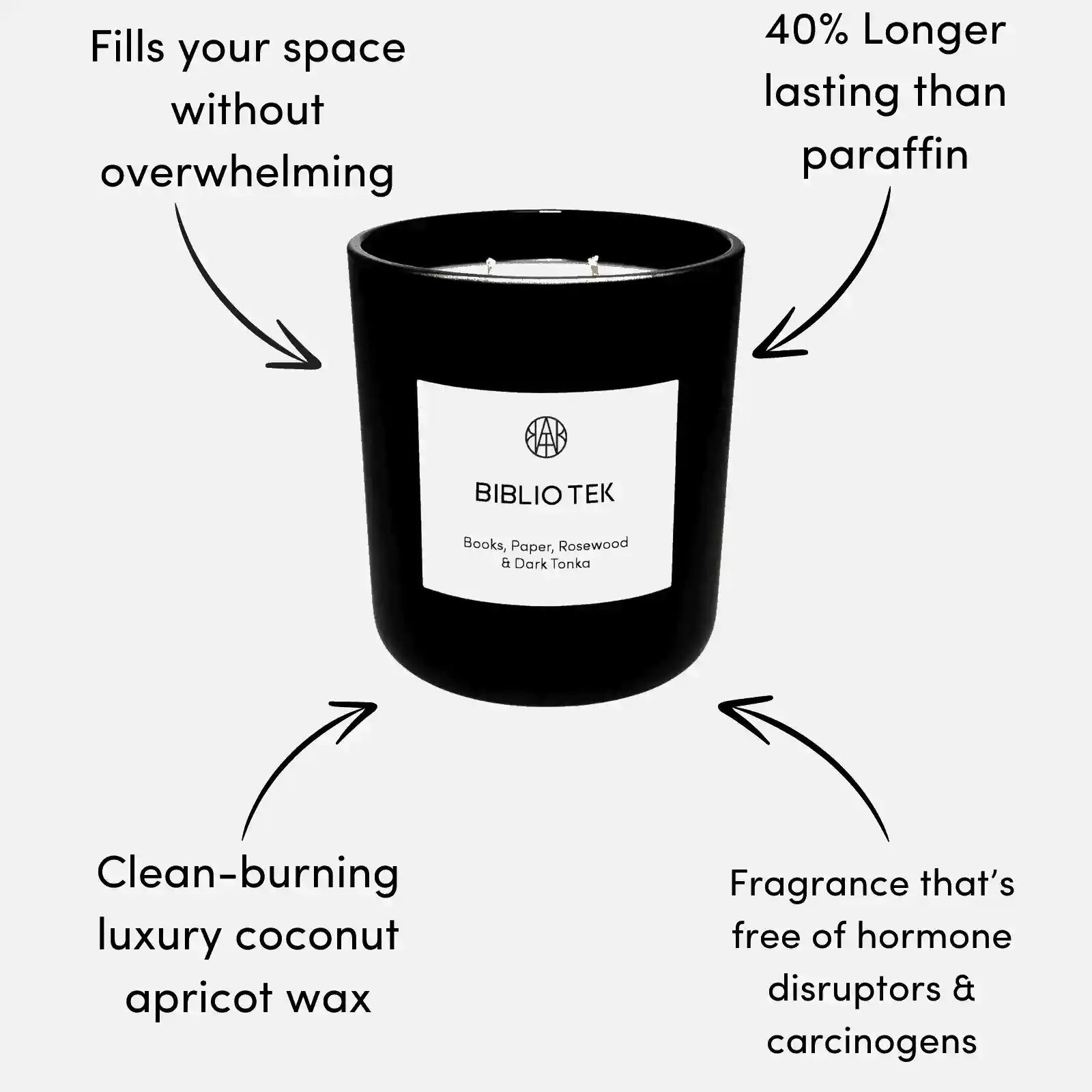
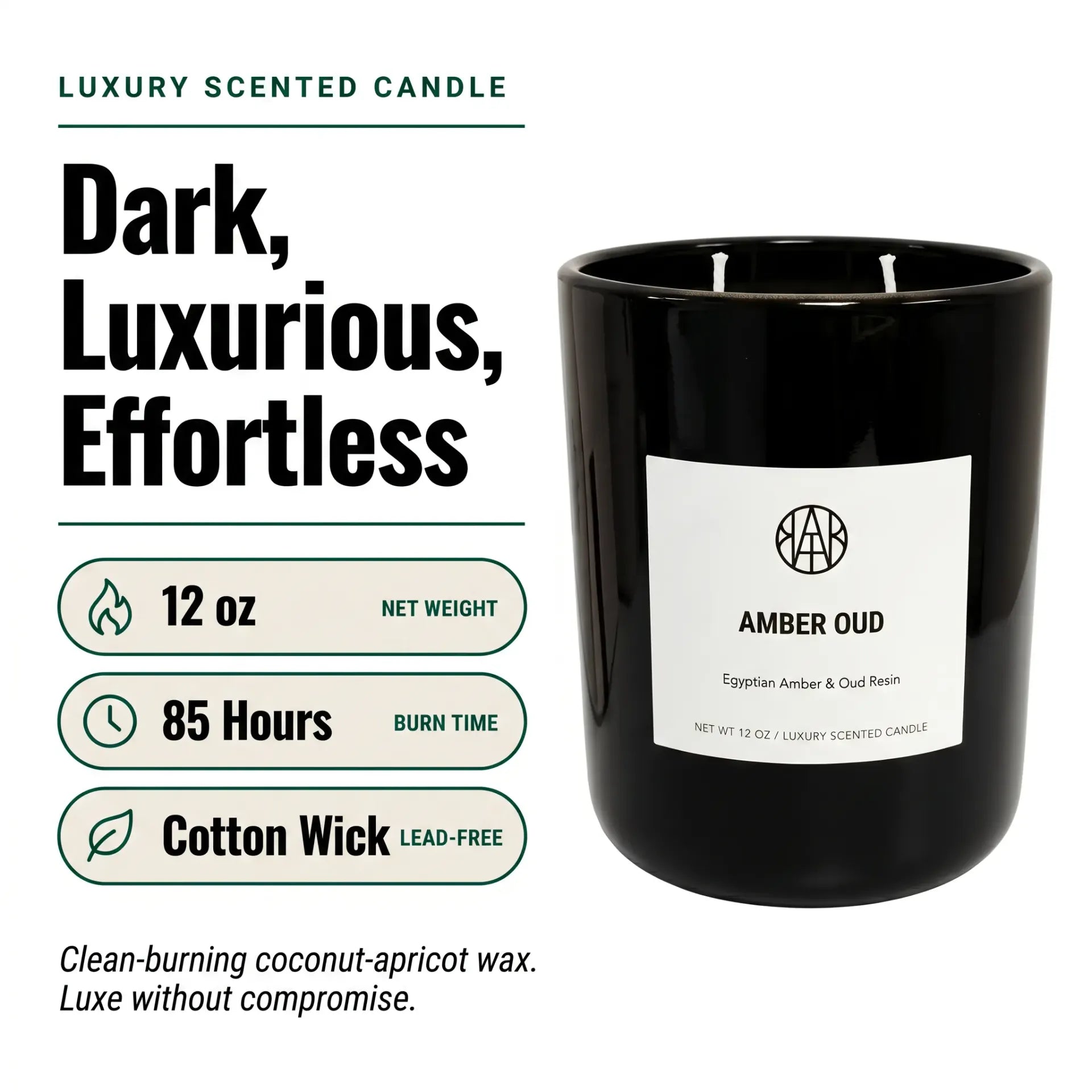
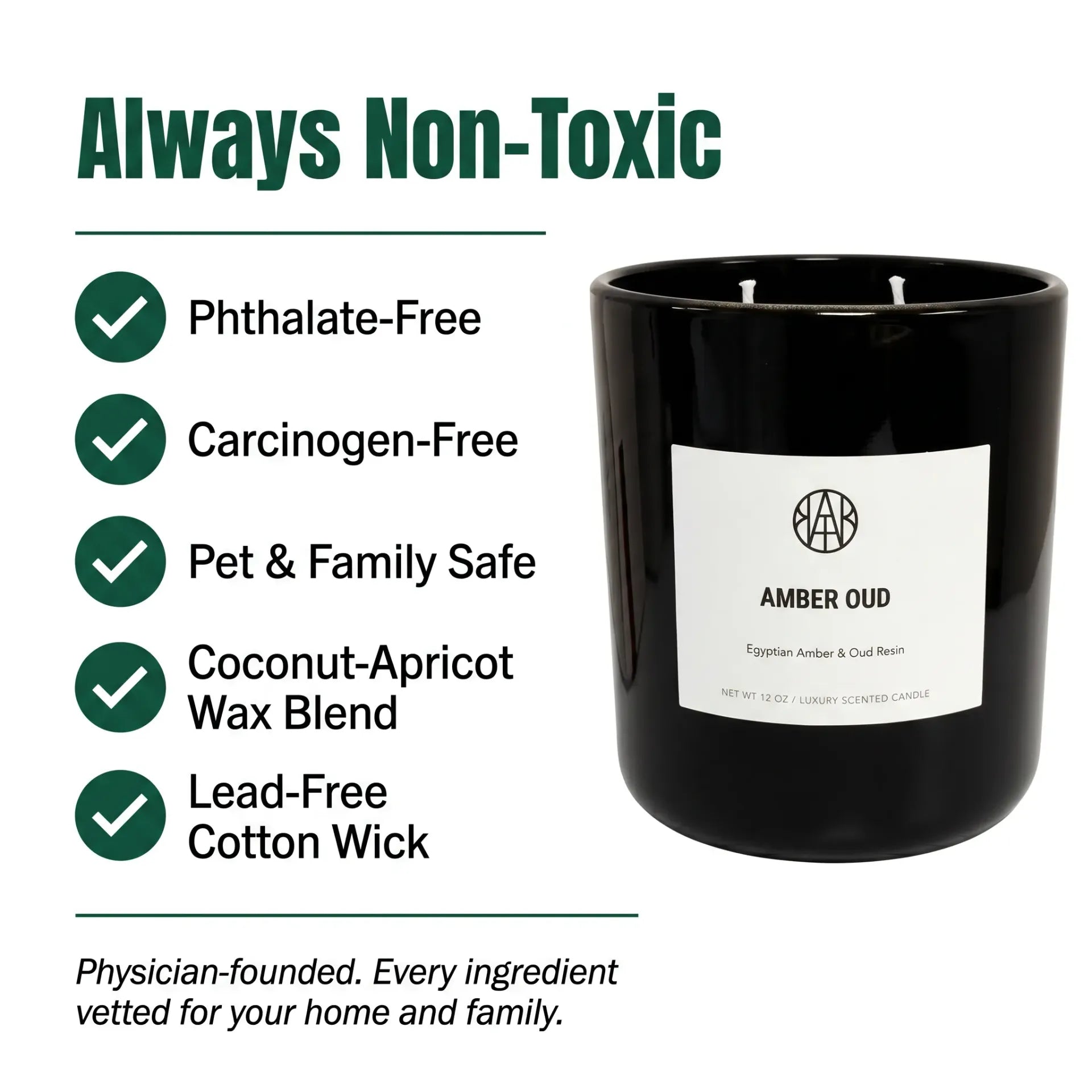
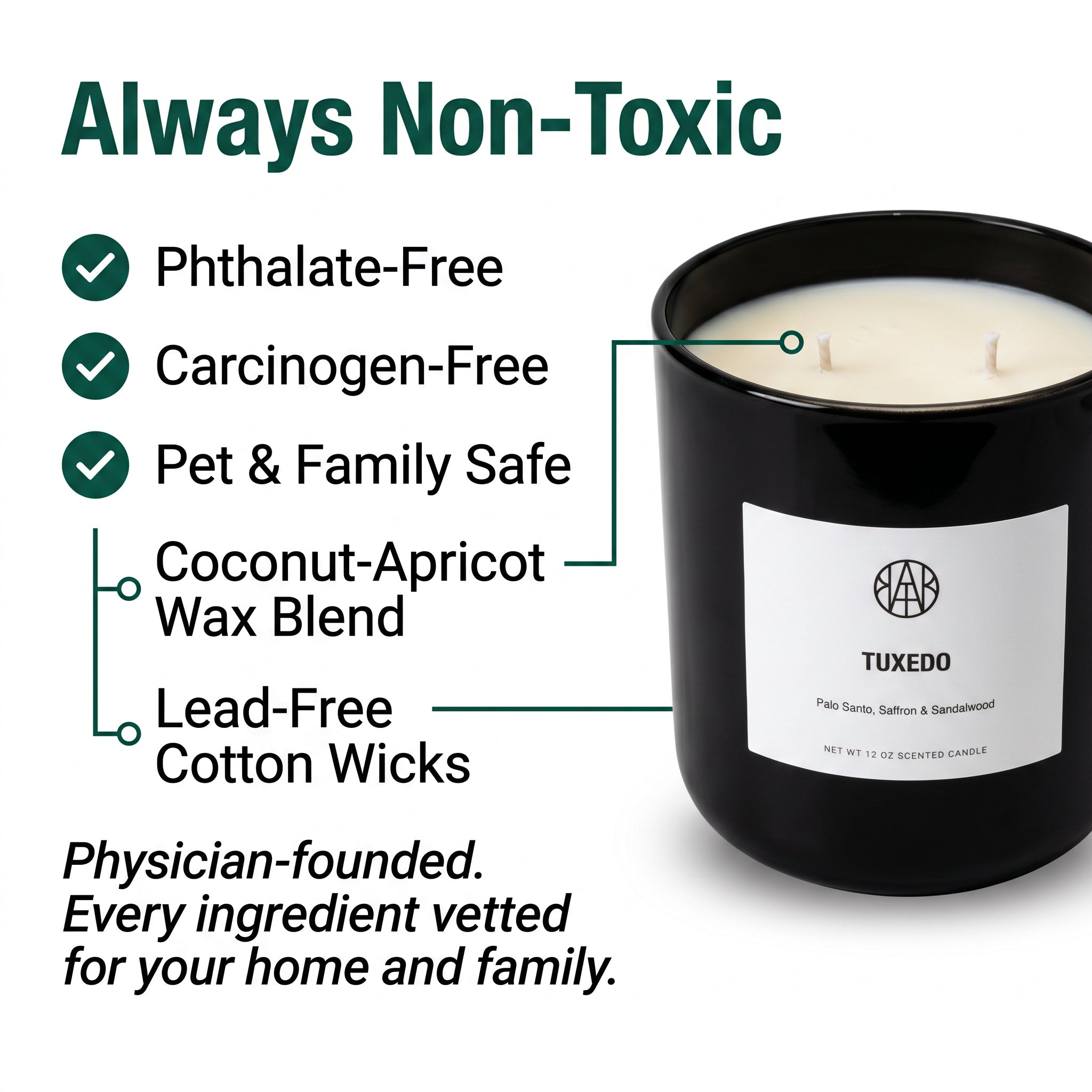
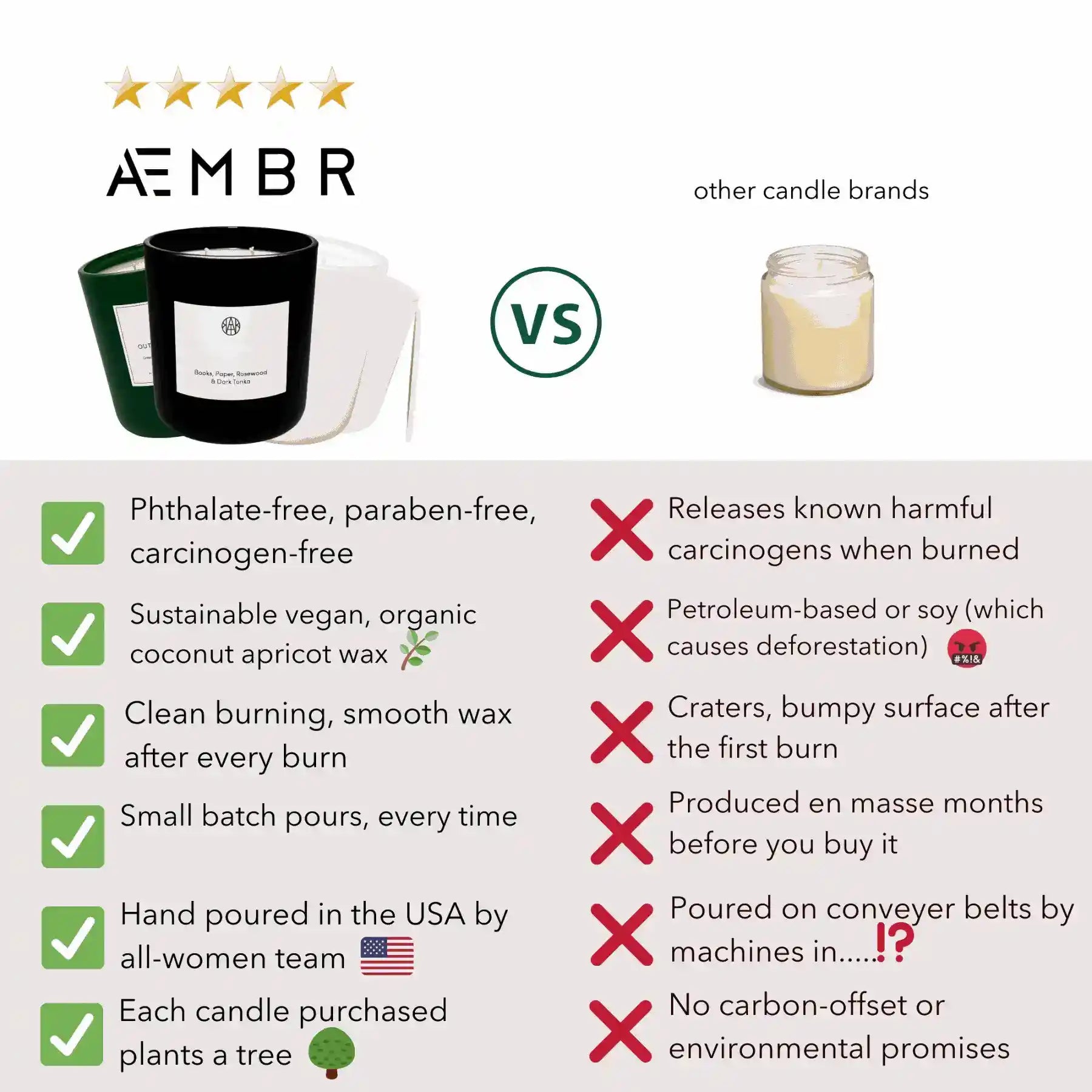
- Coconut, apricot, or beeswax blends — cleaner burn than paraffin
- Phthalate-free fragrance oils — explicitly stated, not implied
- Cotton wicks
- IFRA-compliant fragrance concentrations
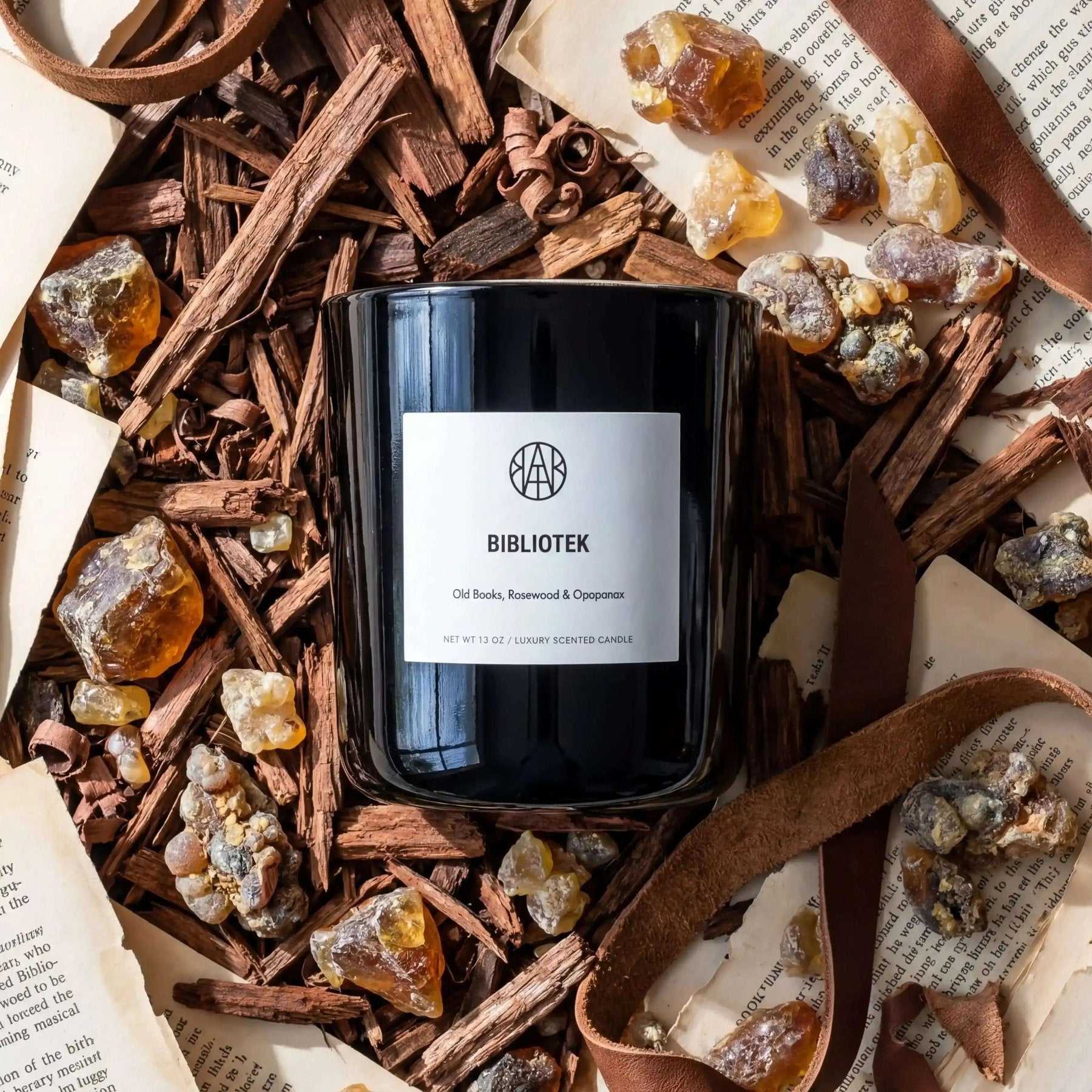
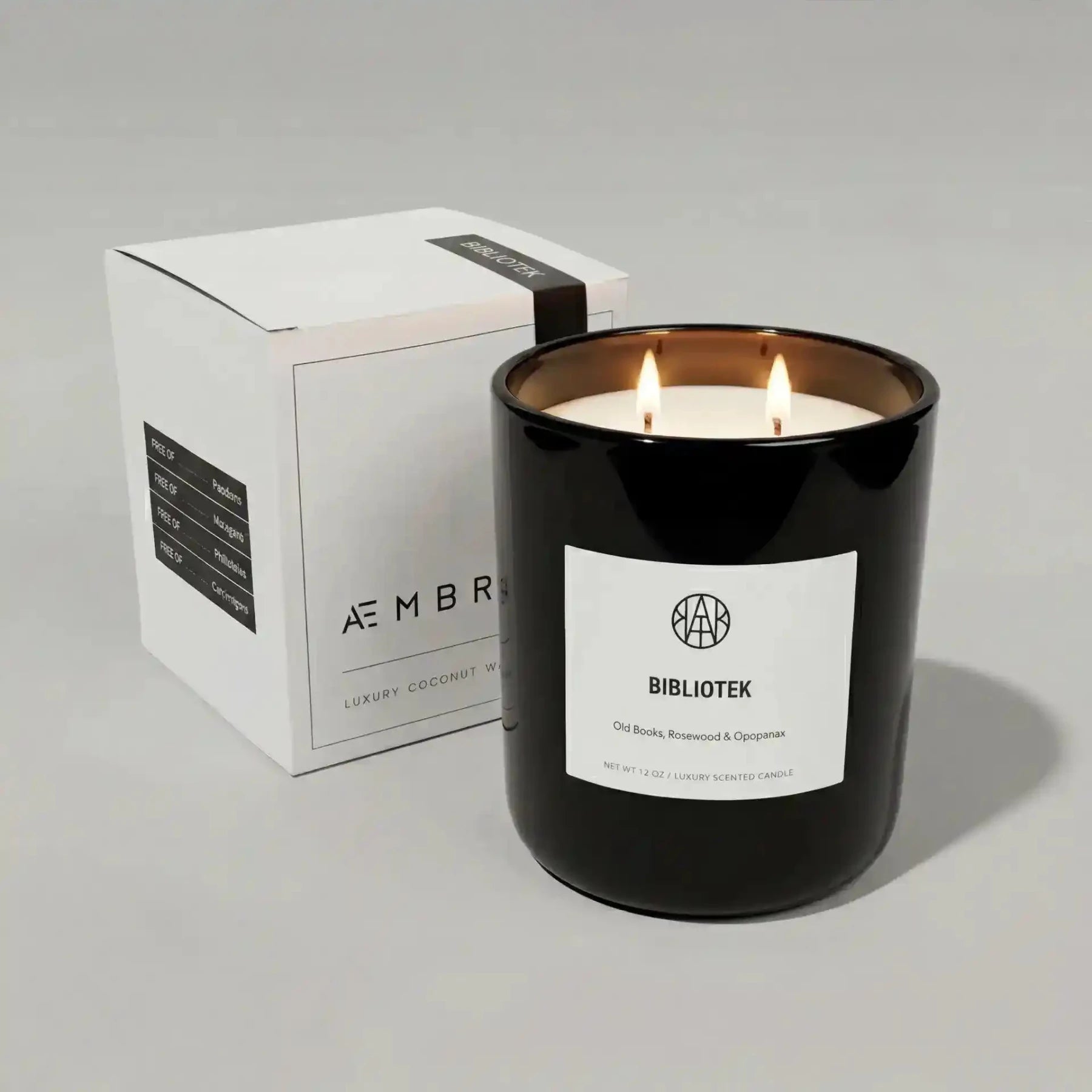
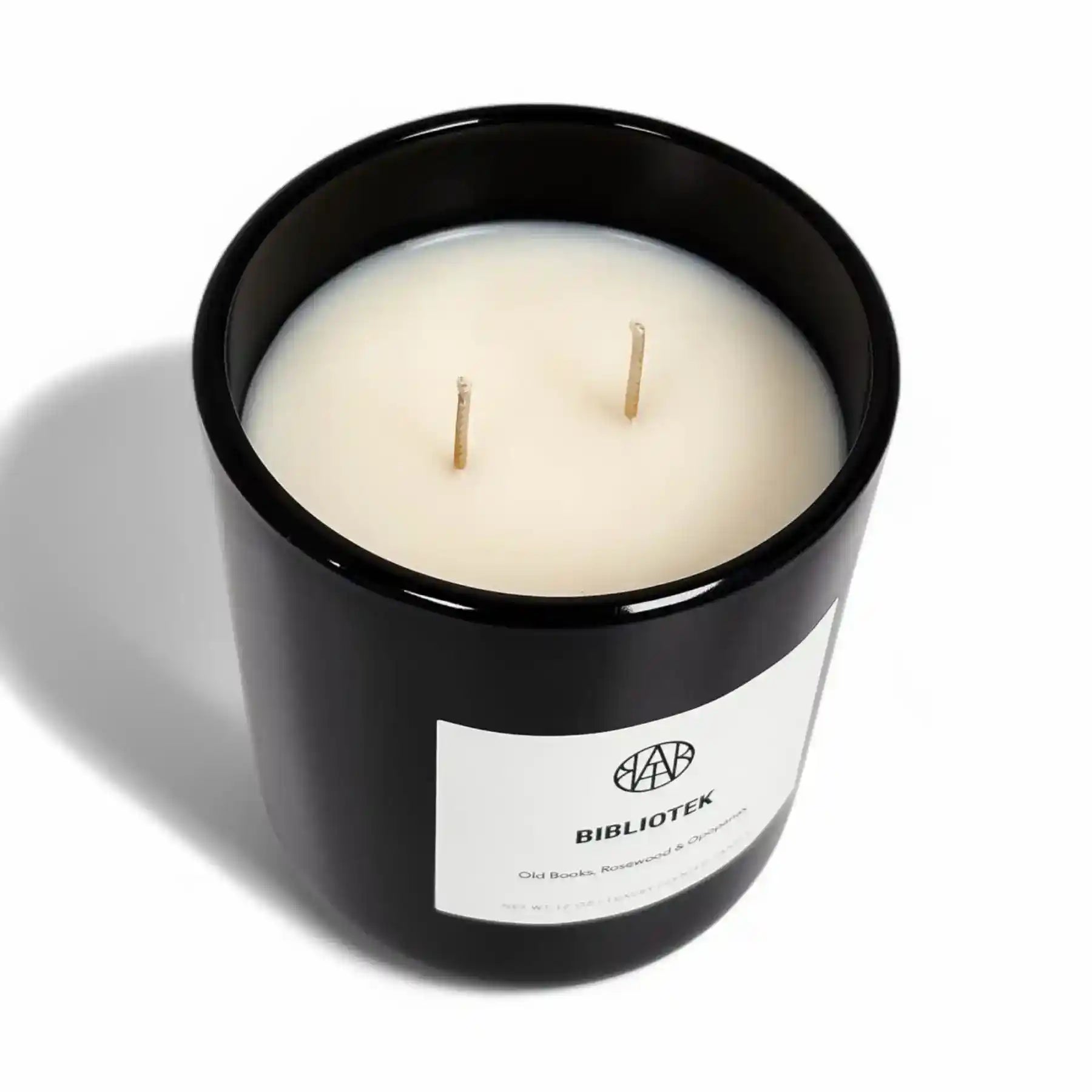
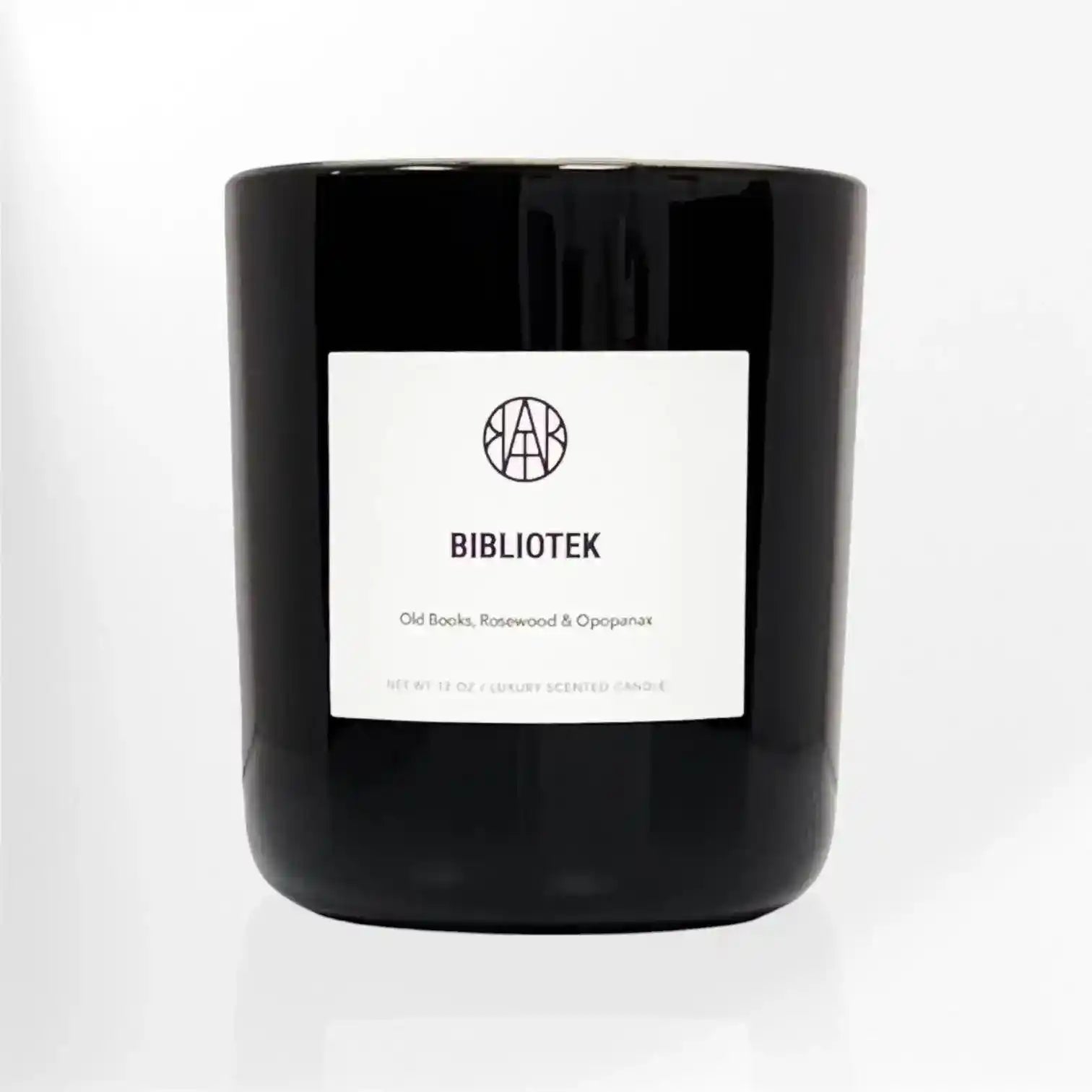
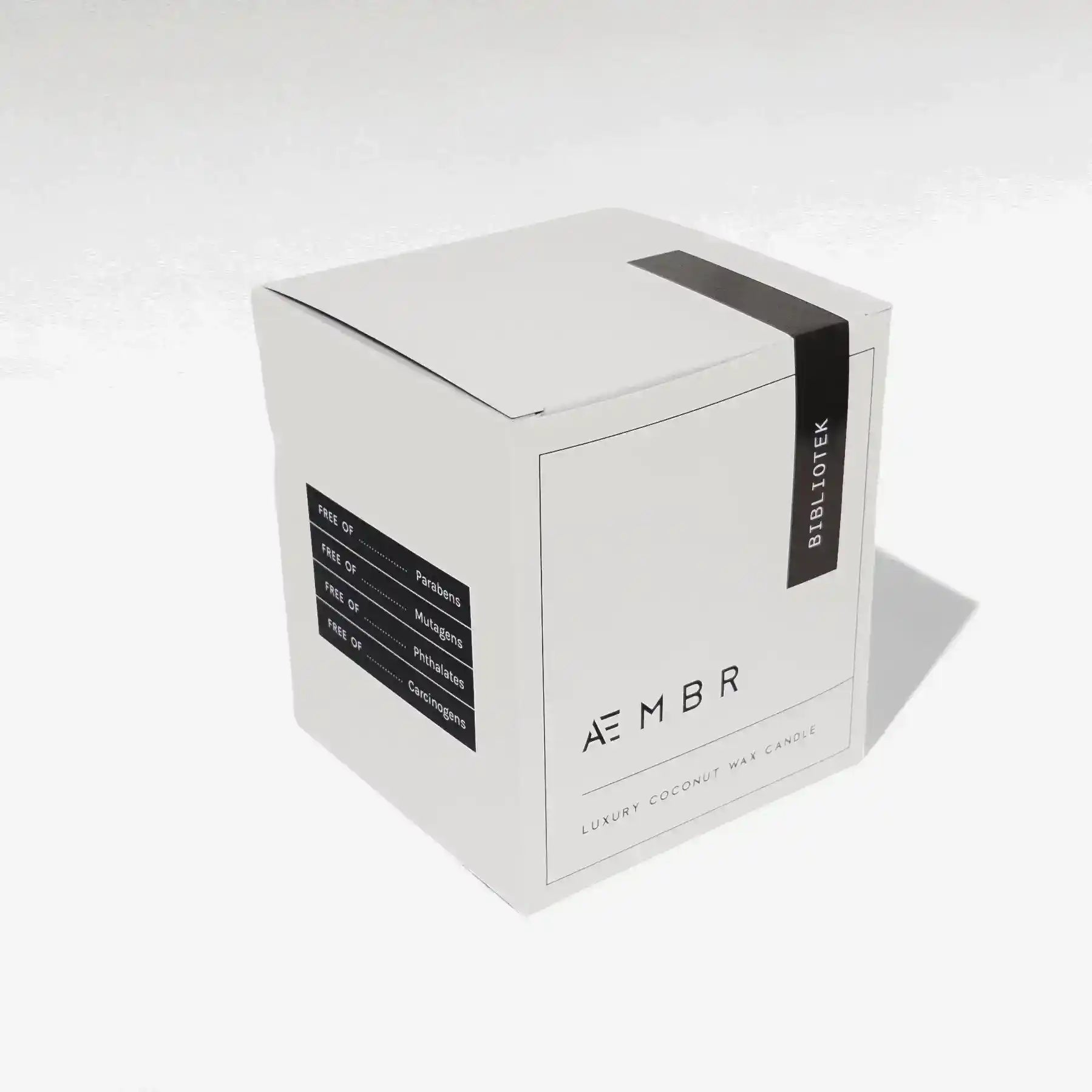
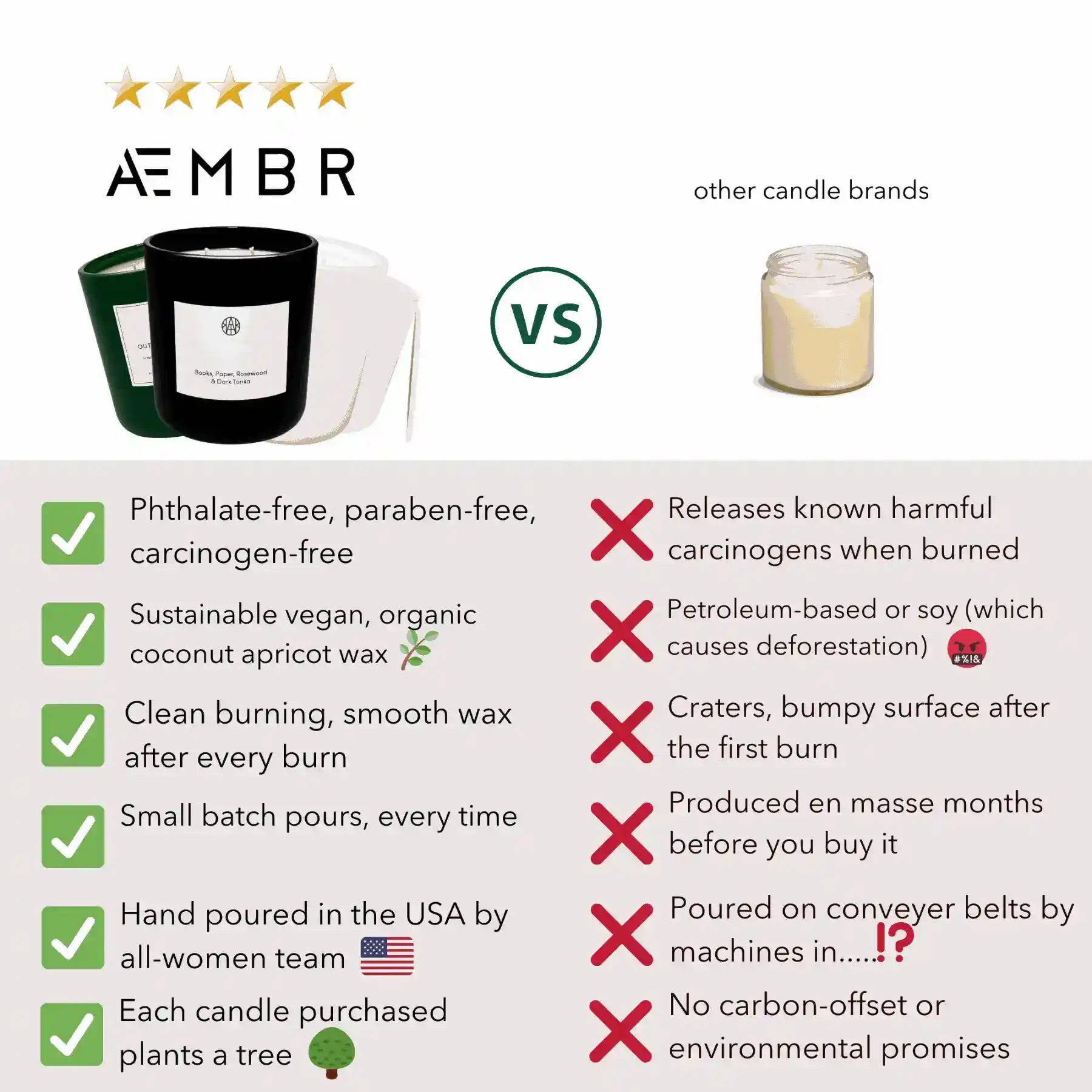
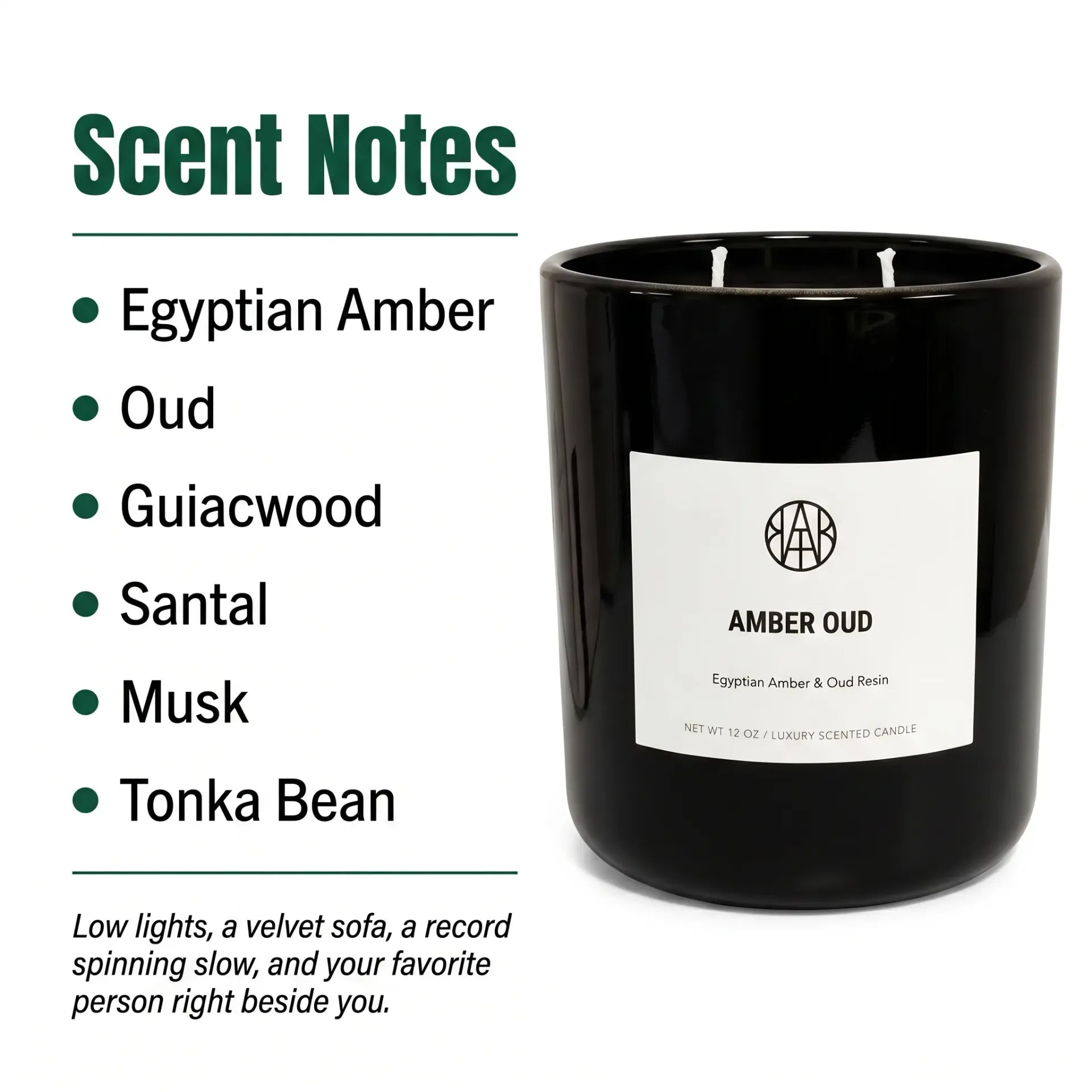
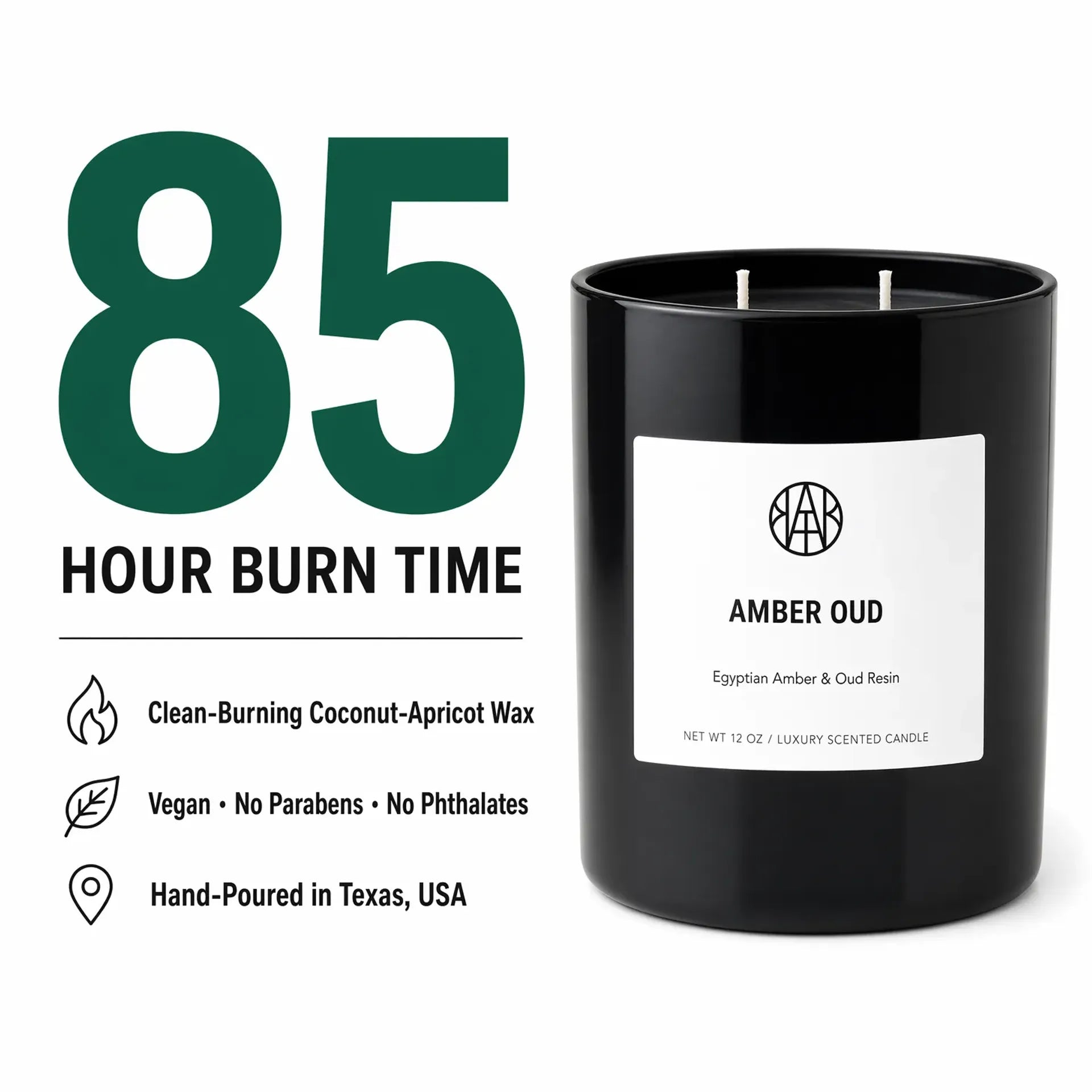
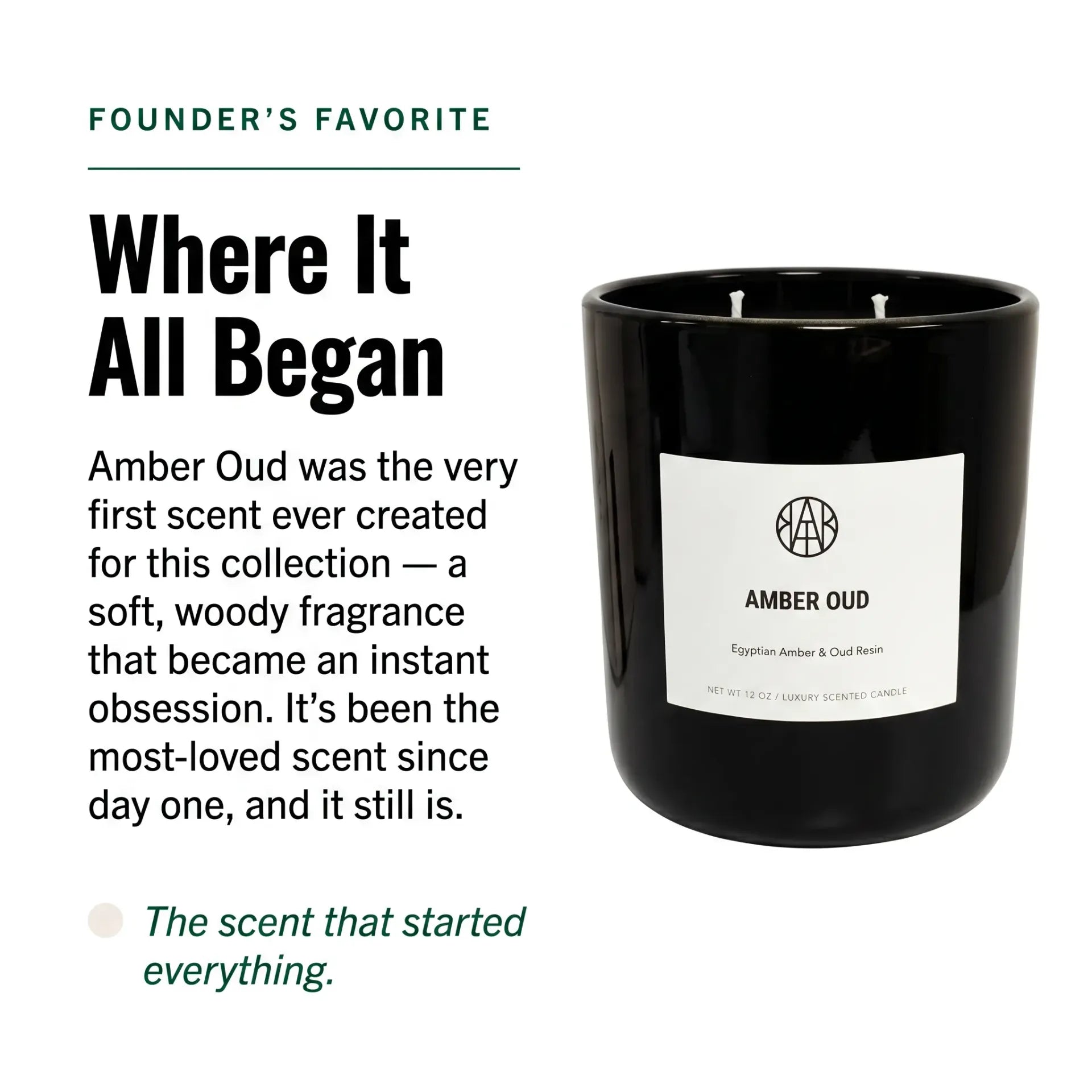
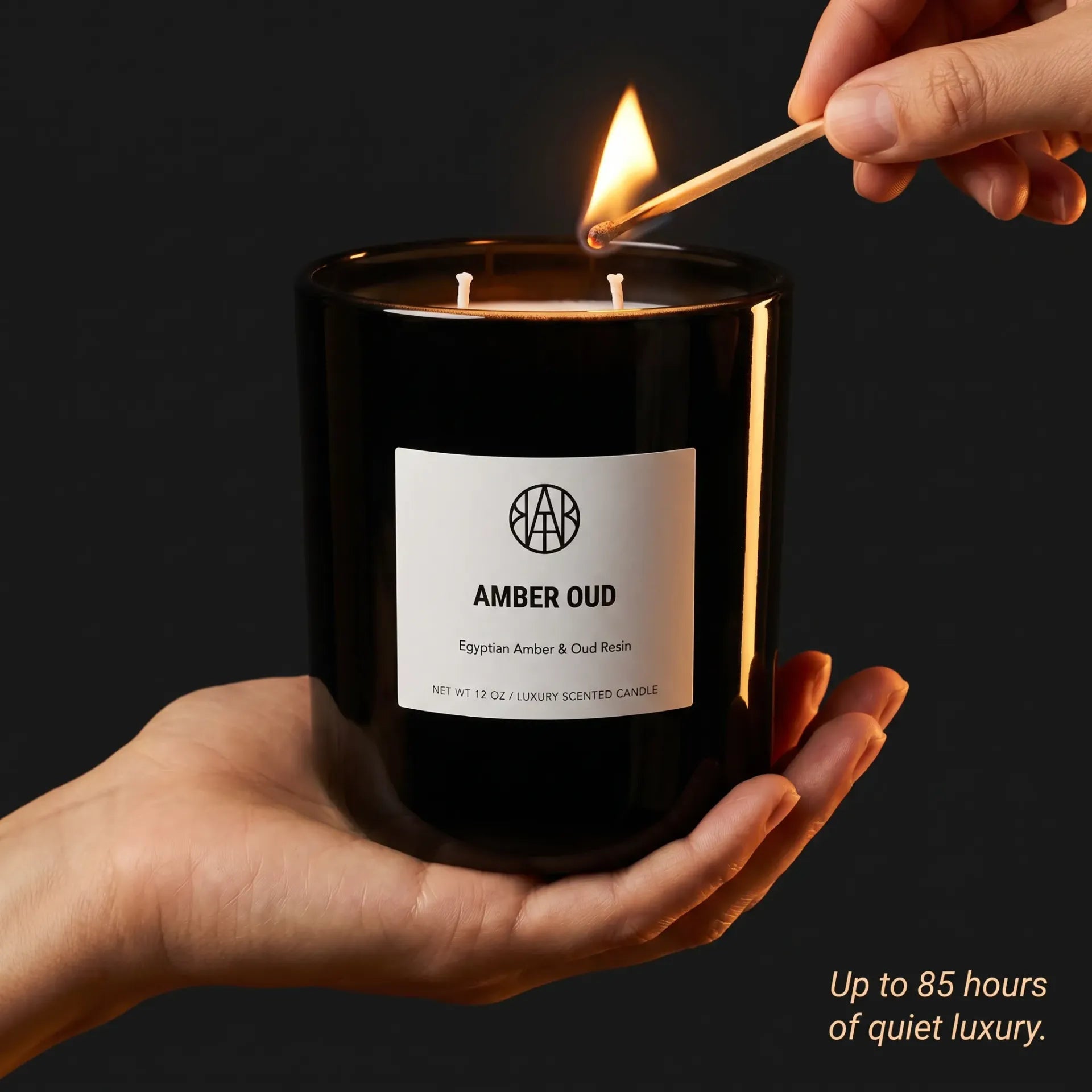
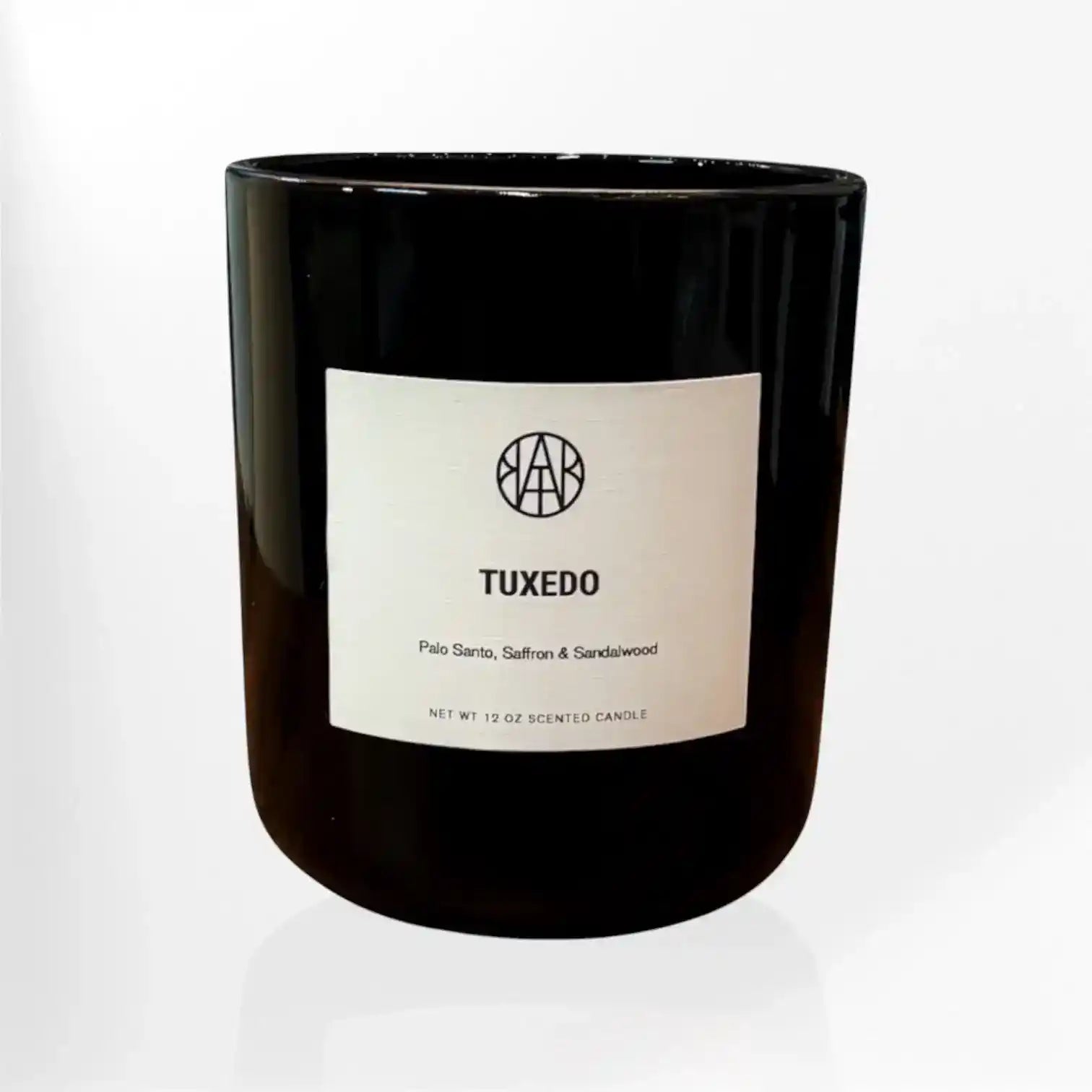
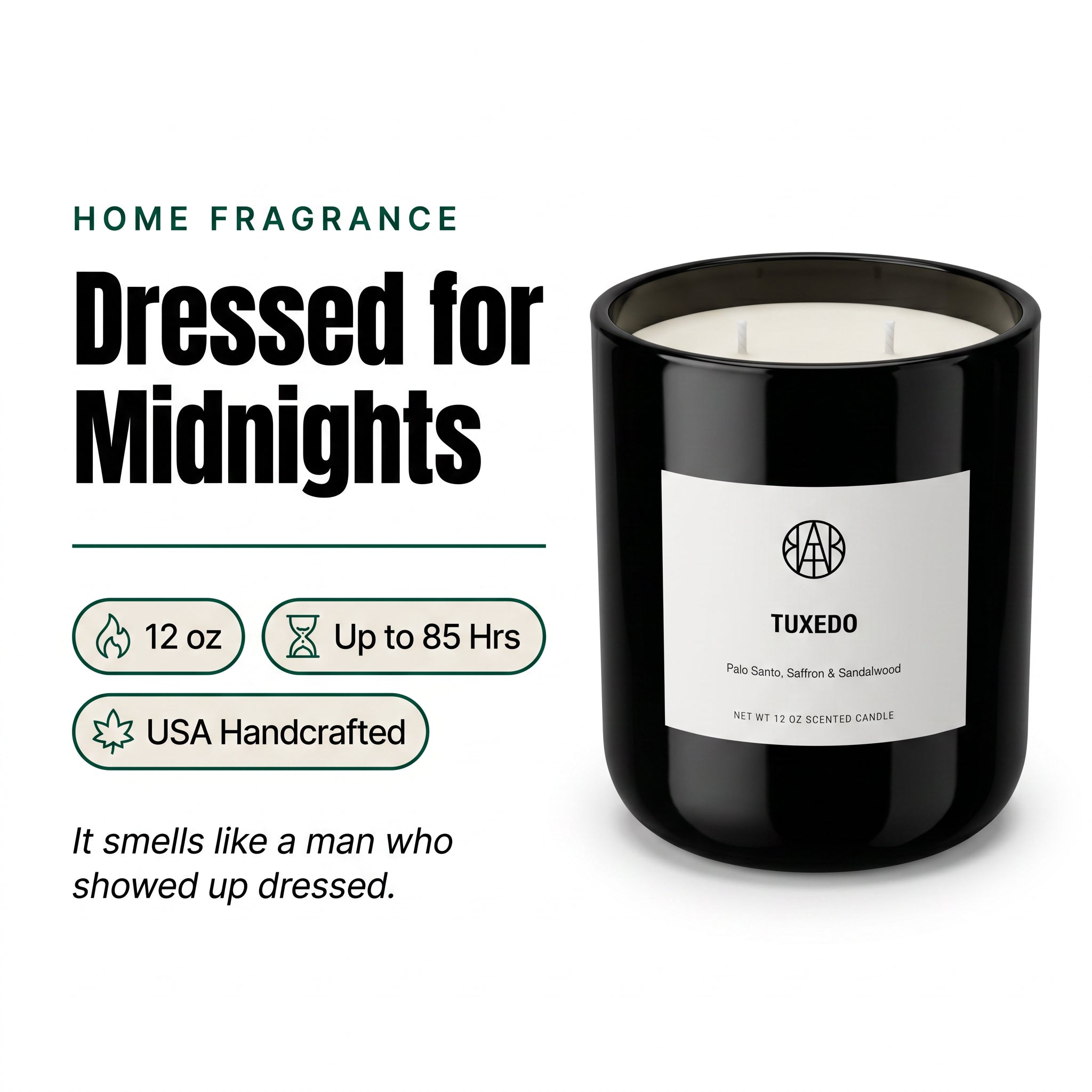
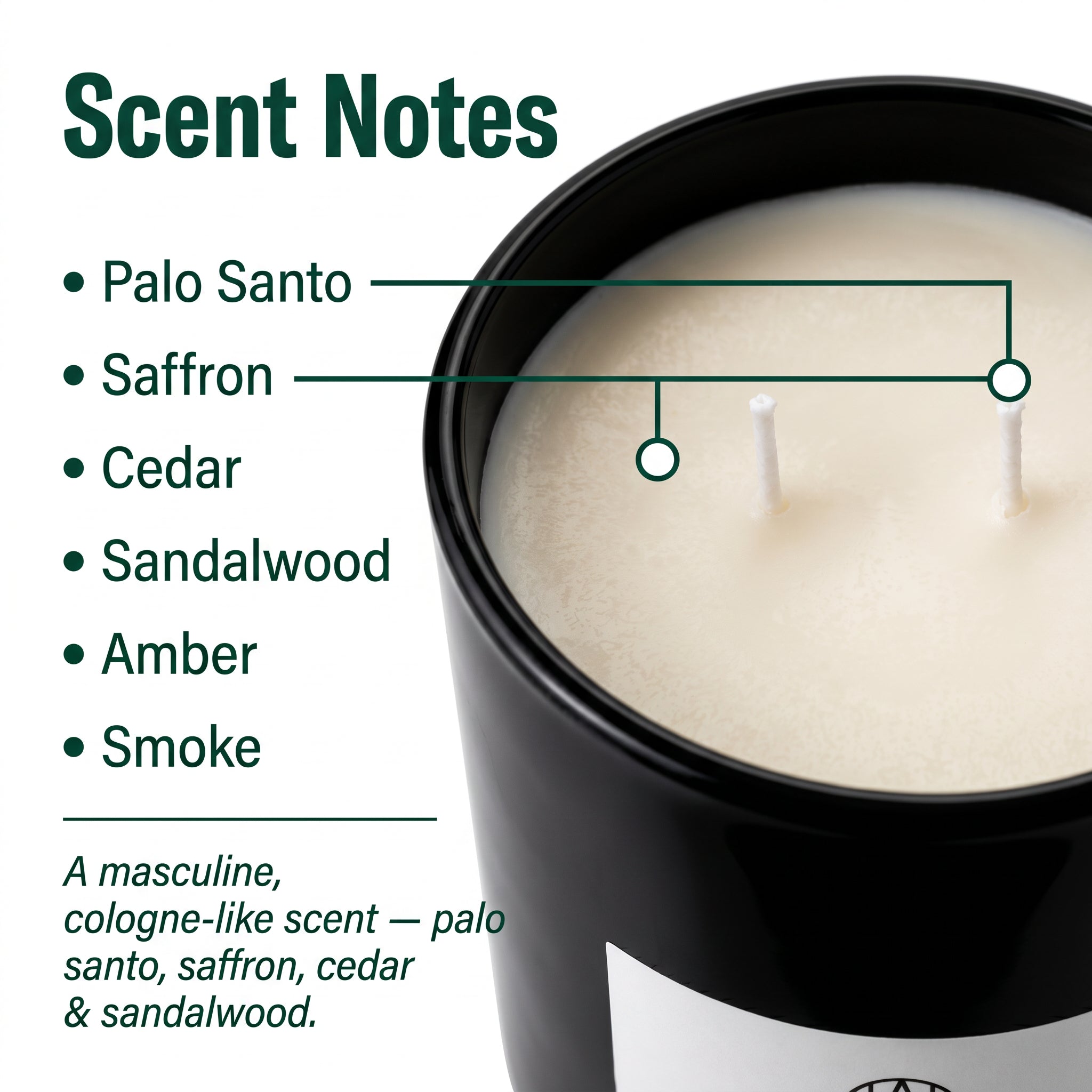
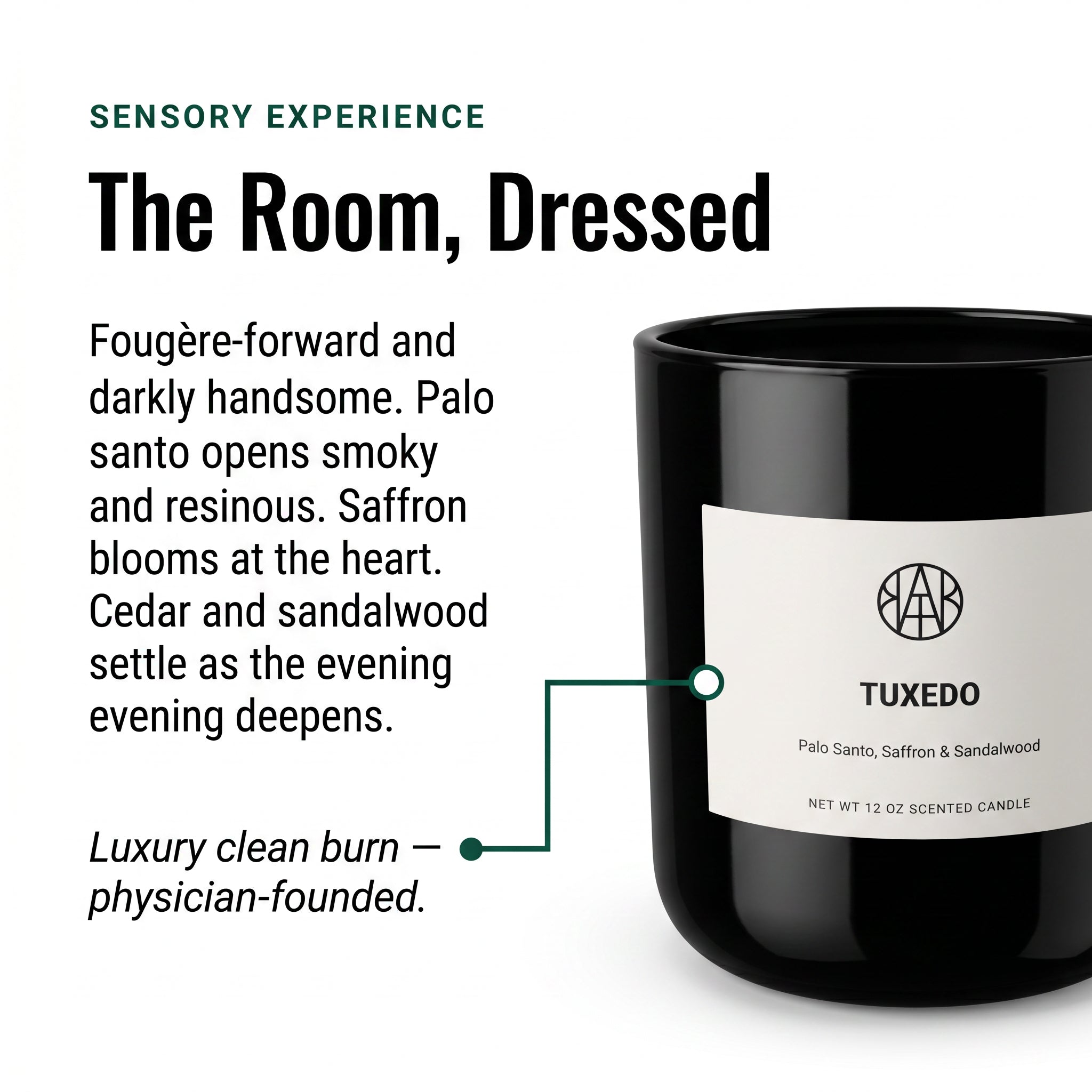
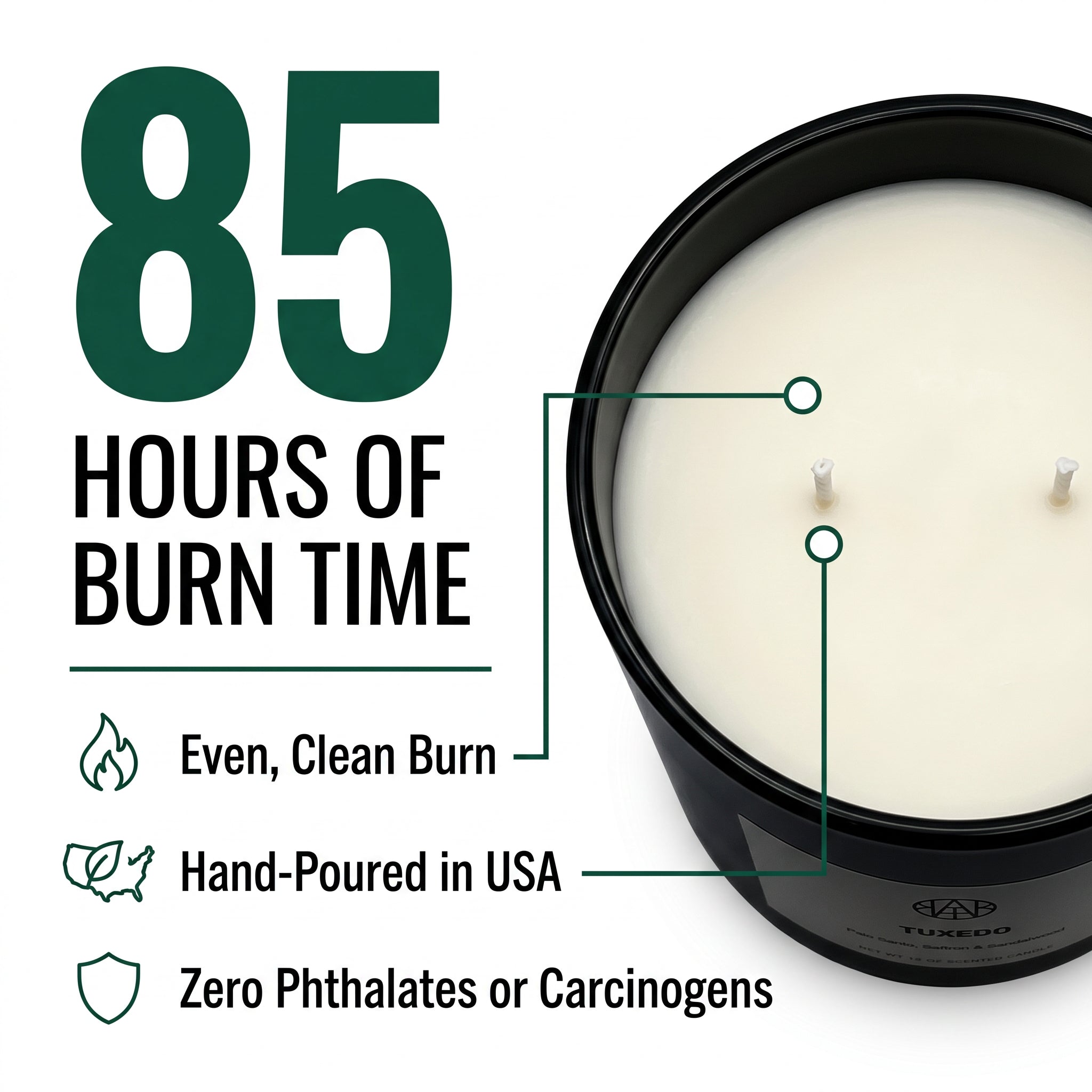
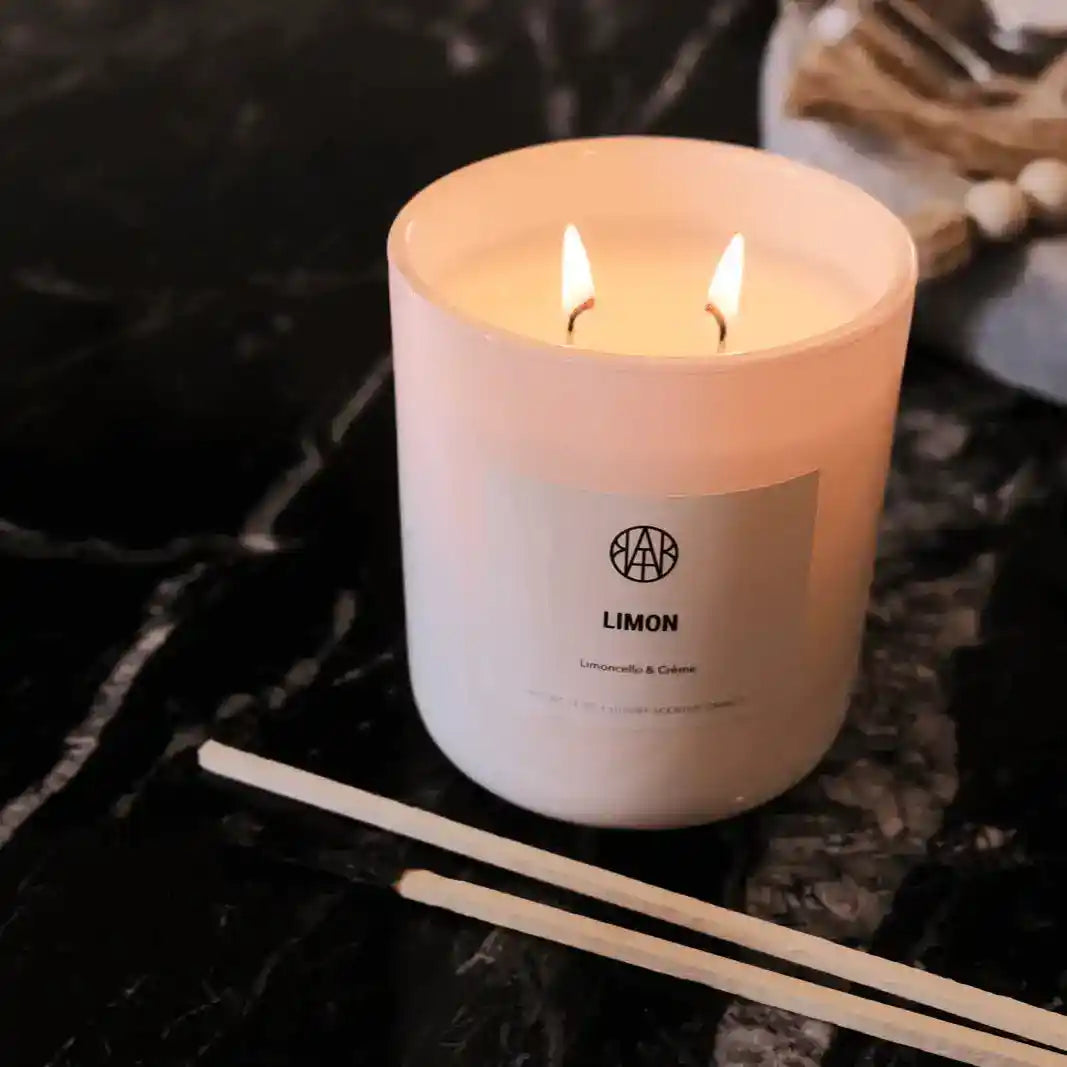
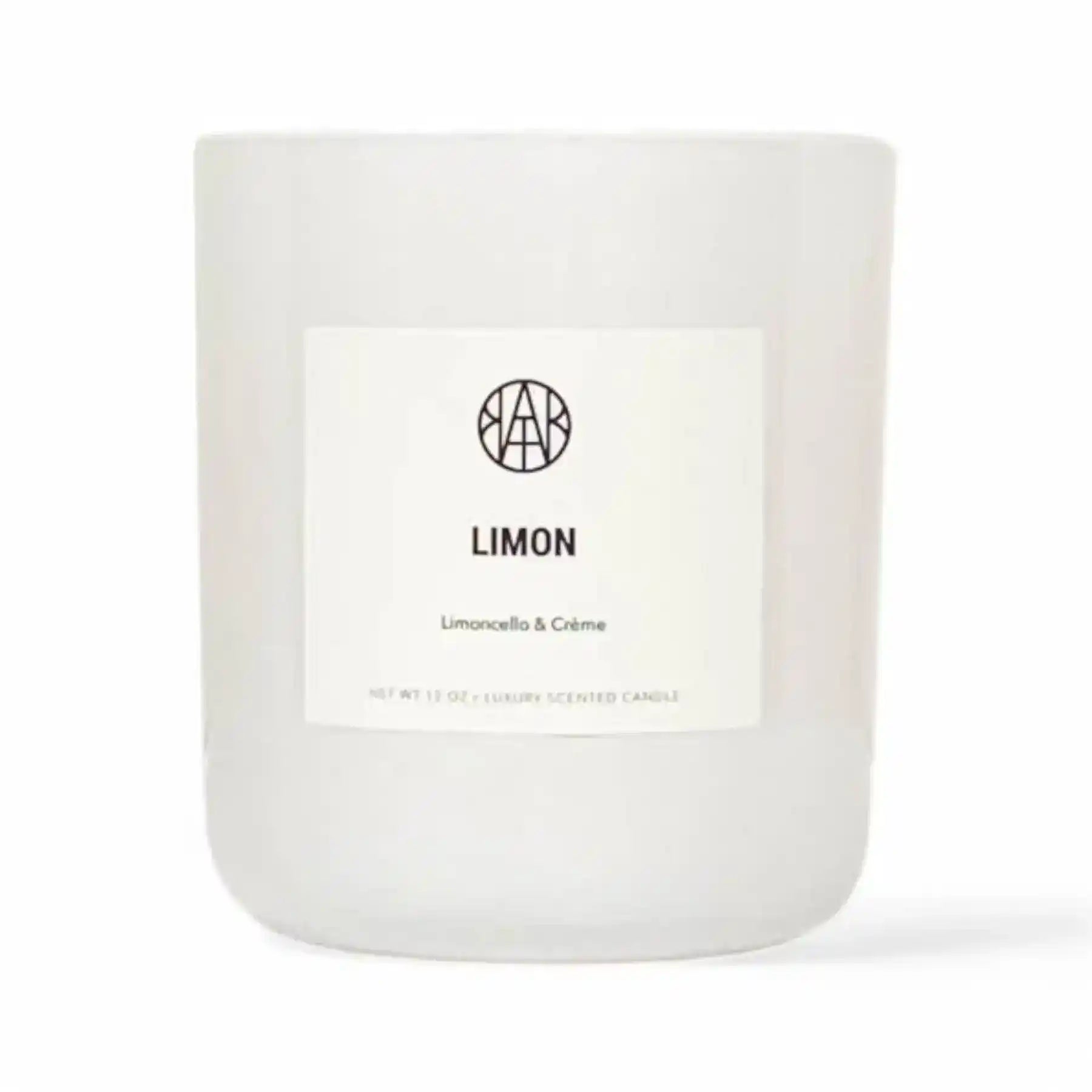
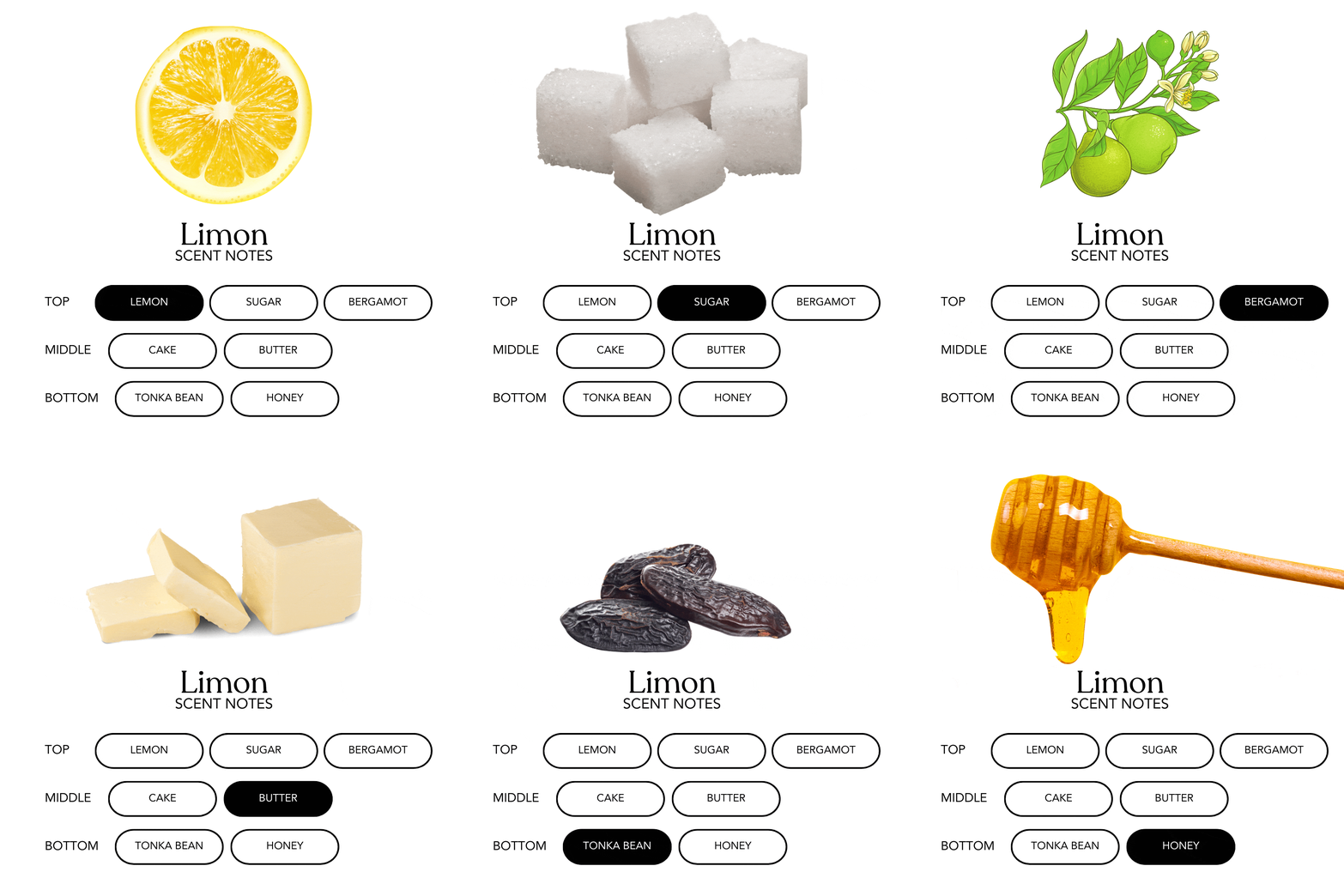
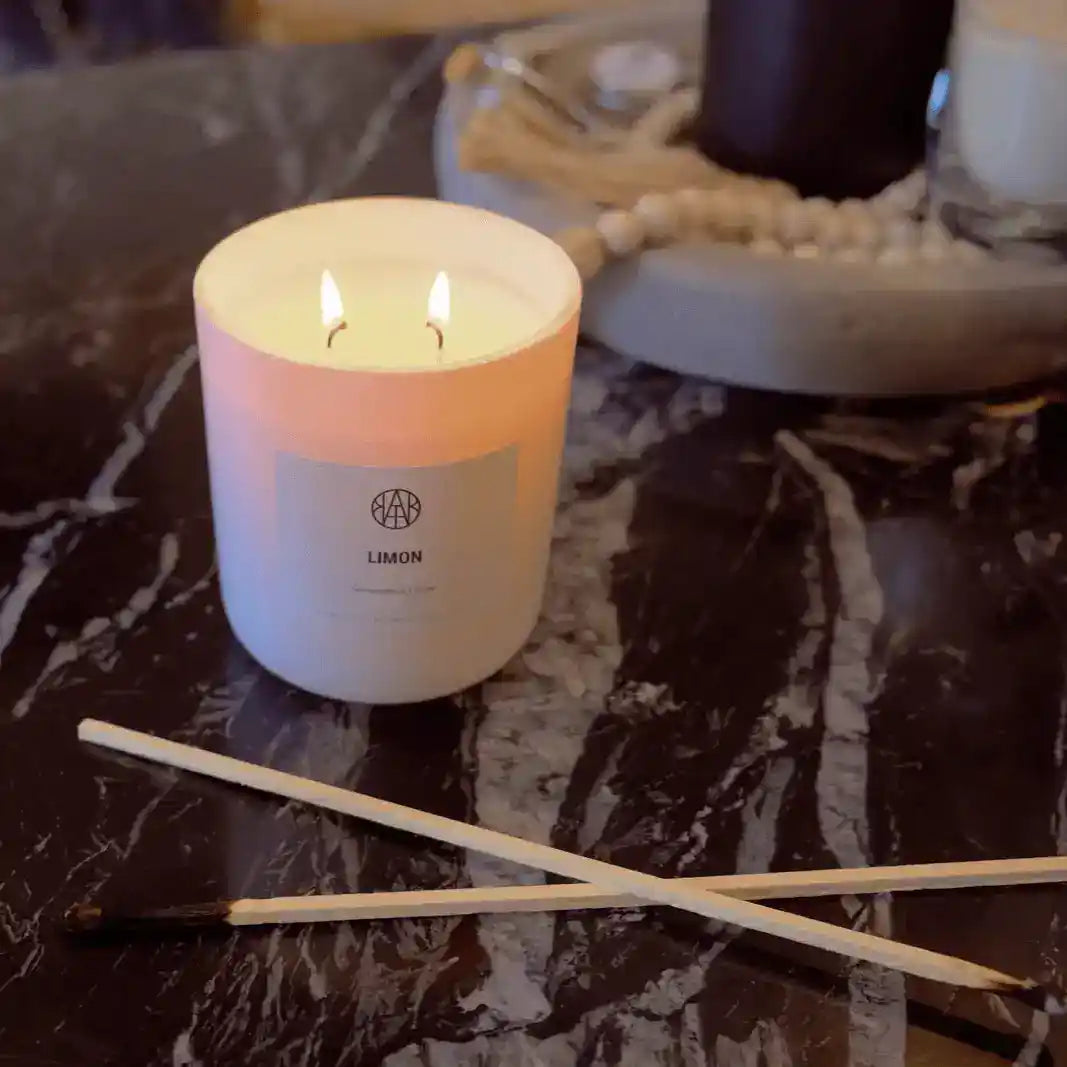
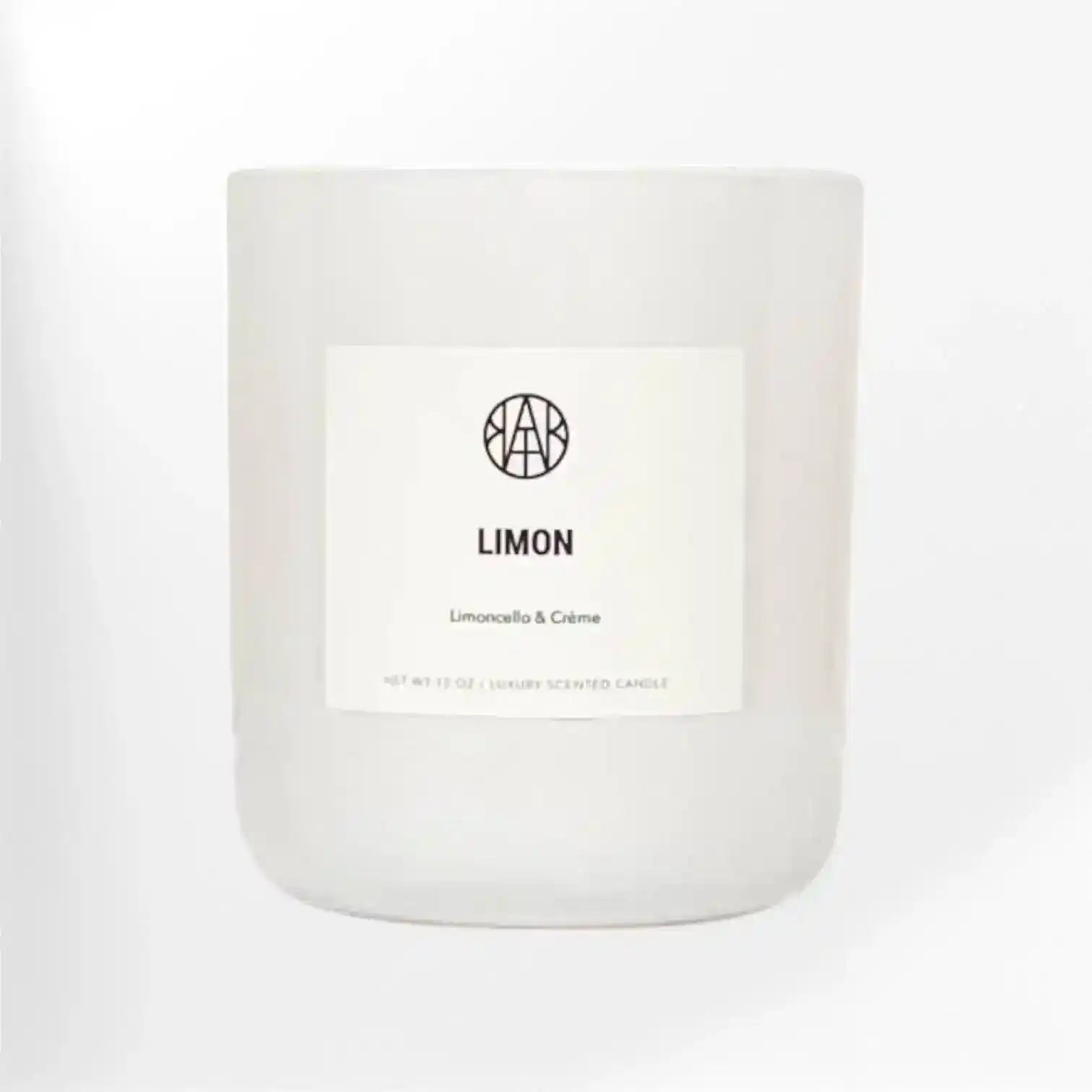
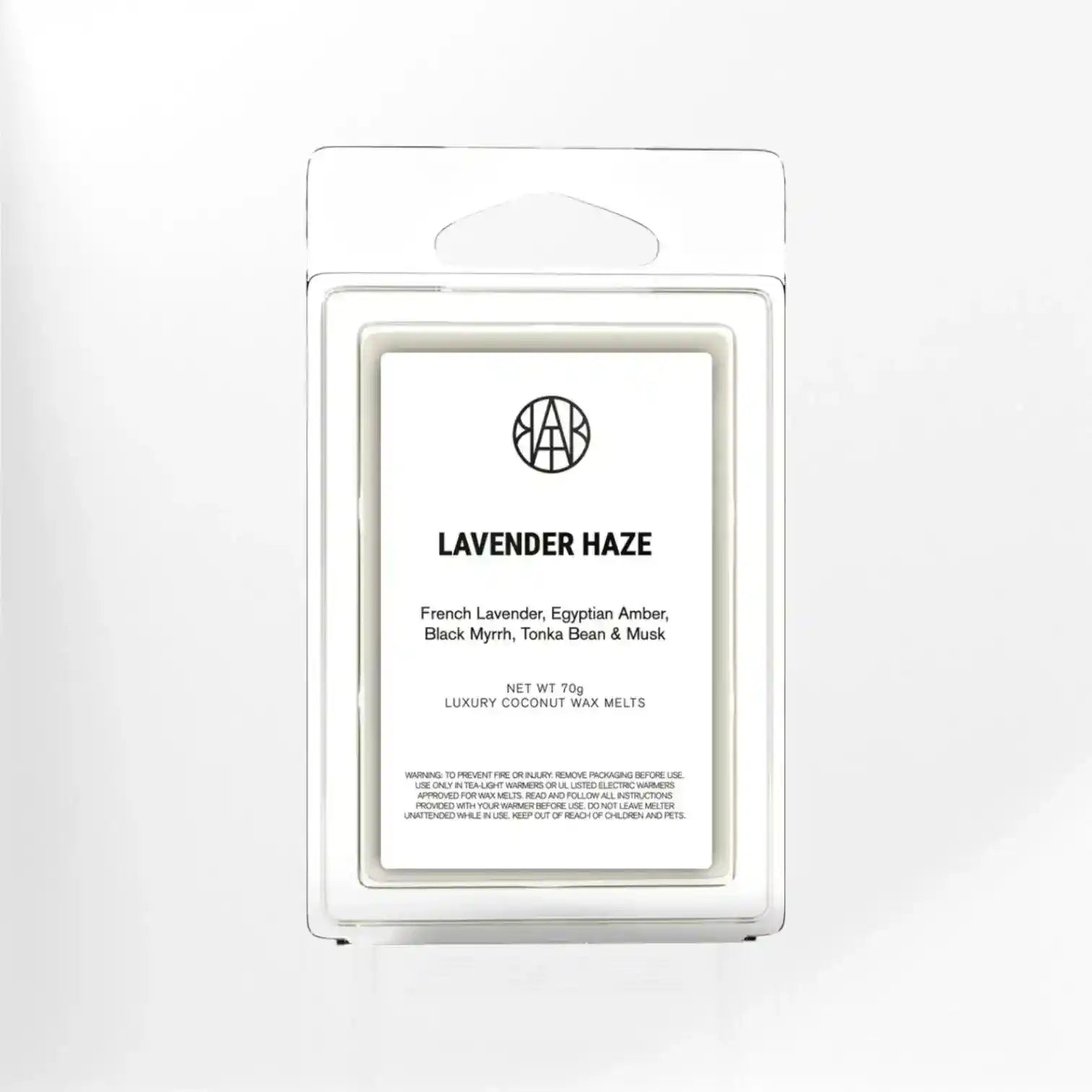
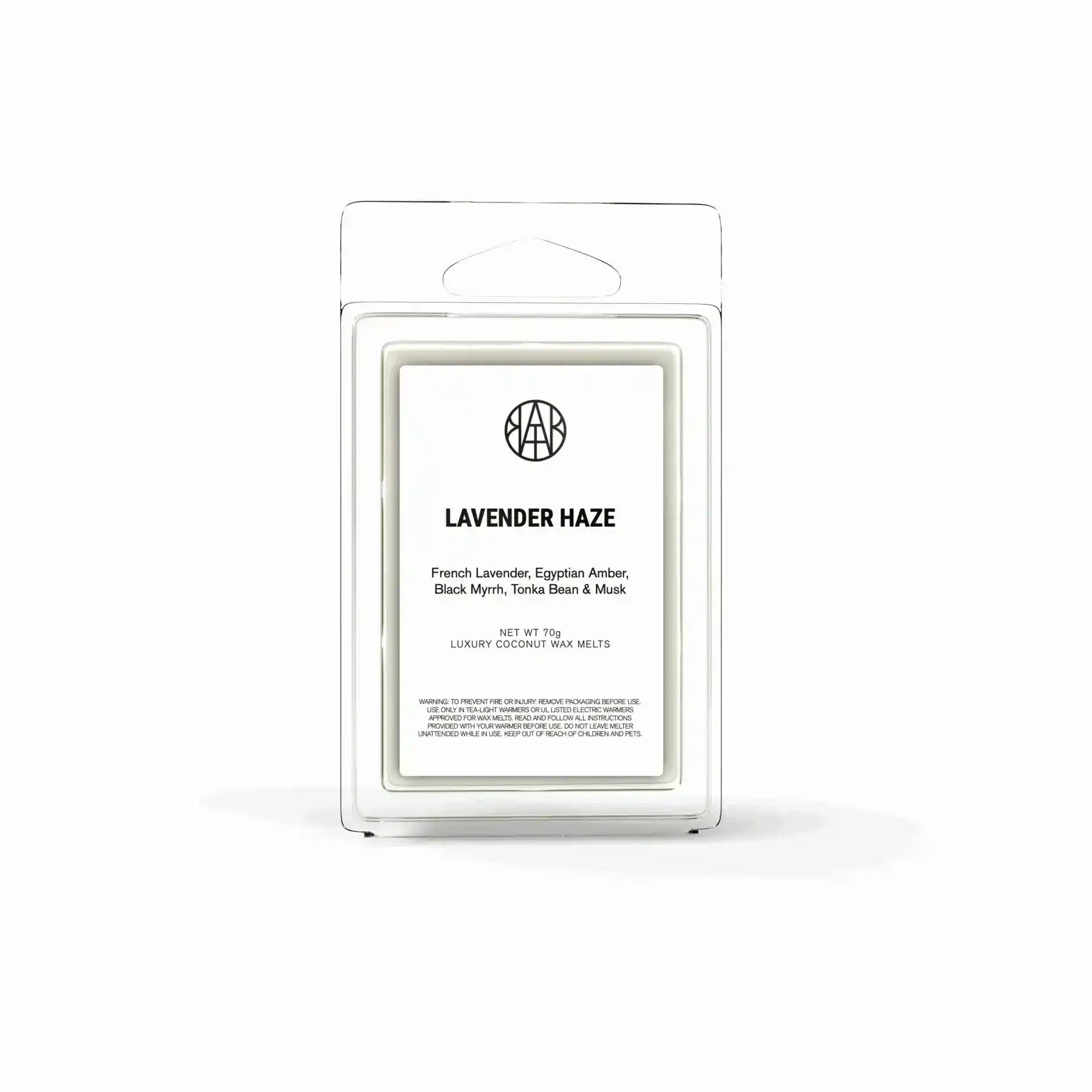
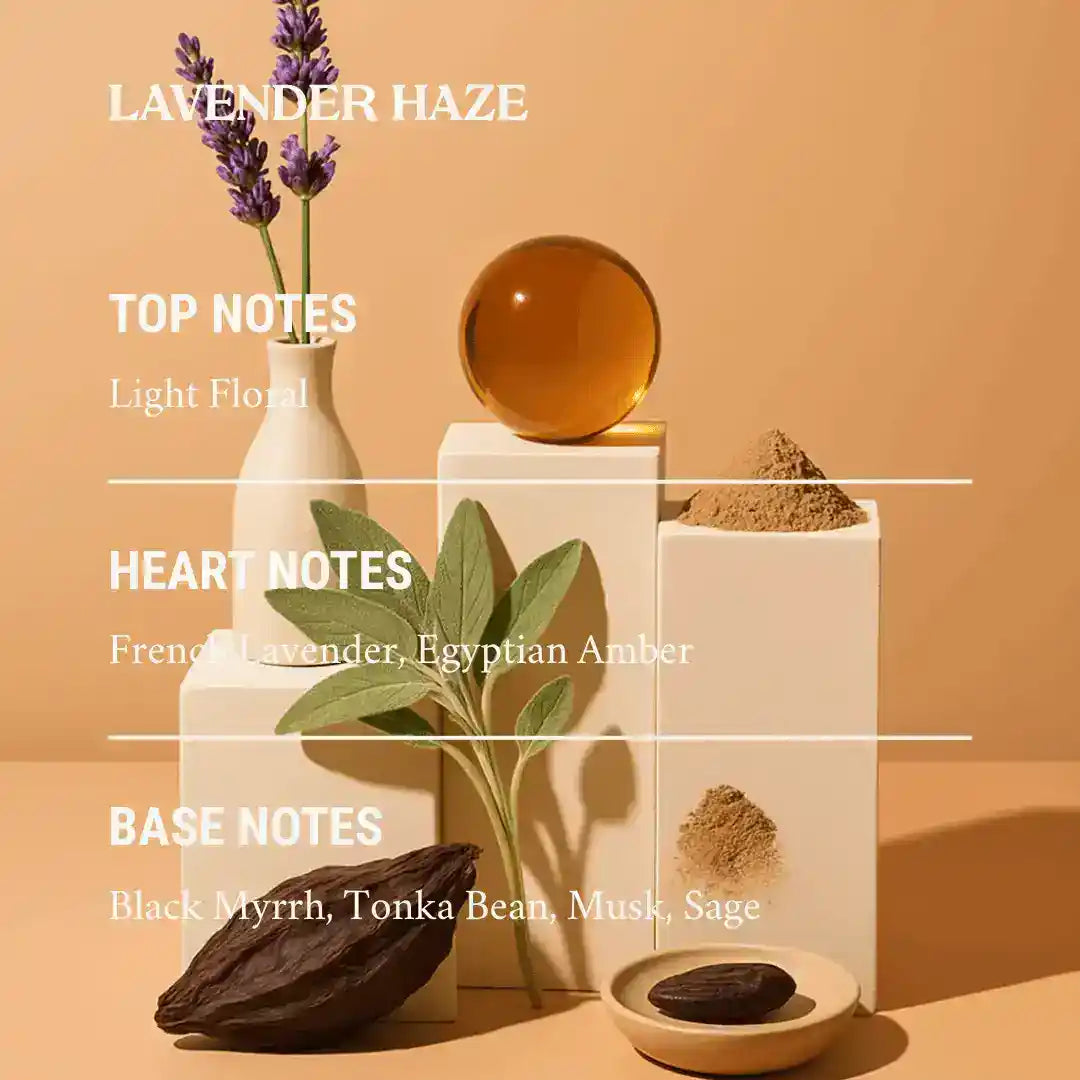
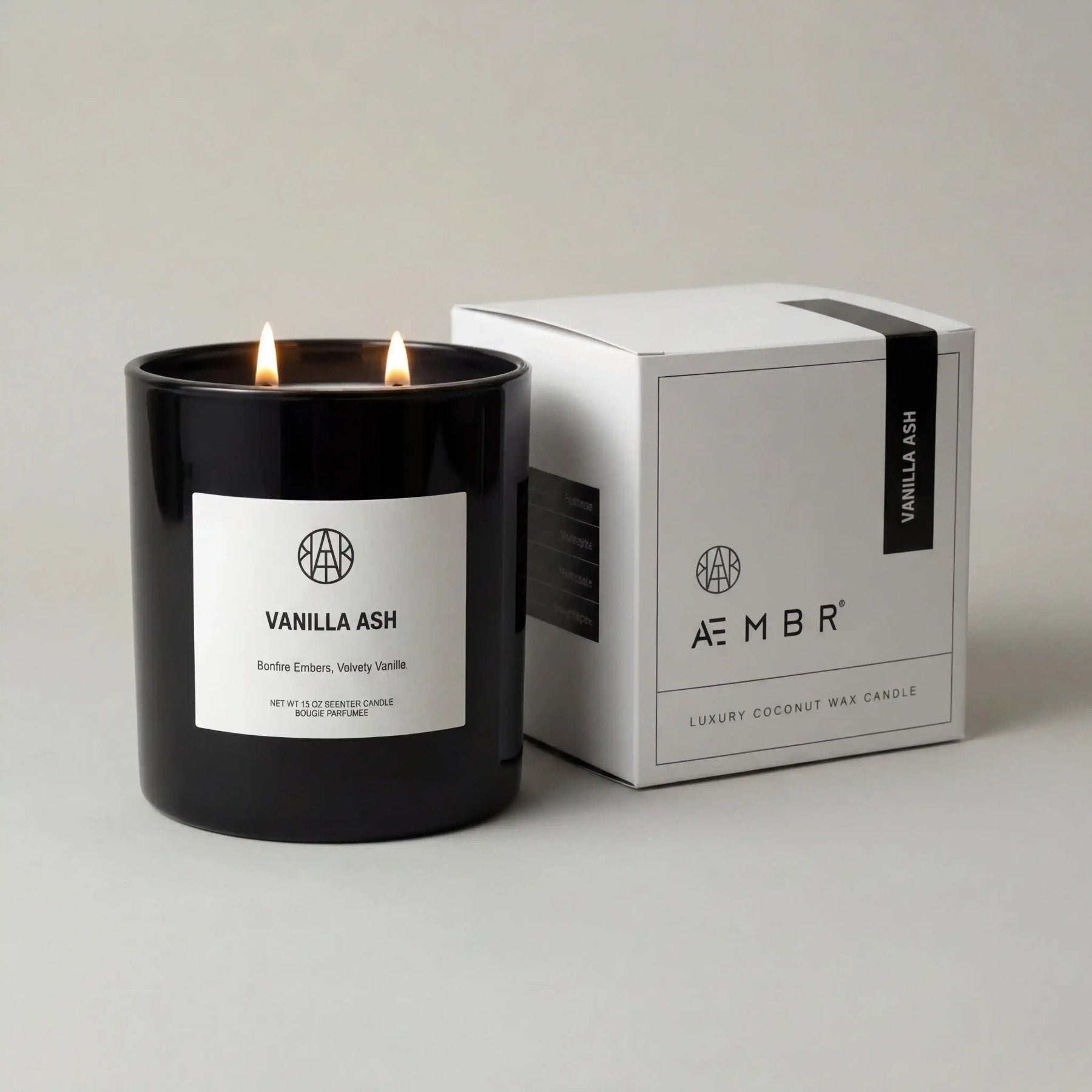
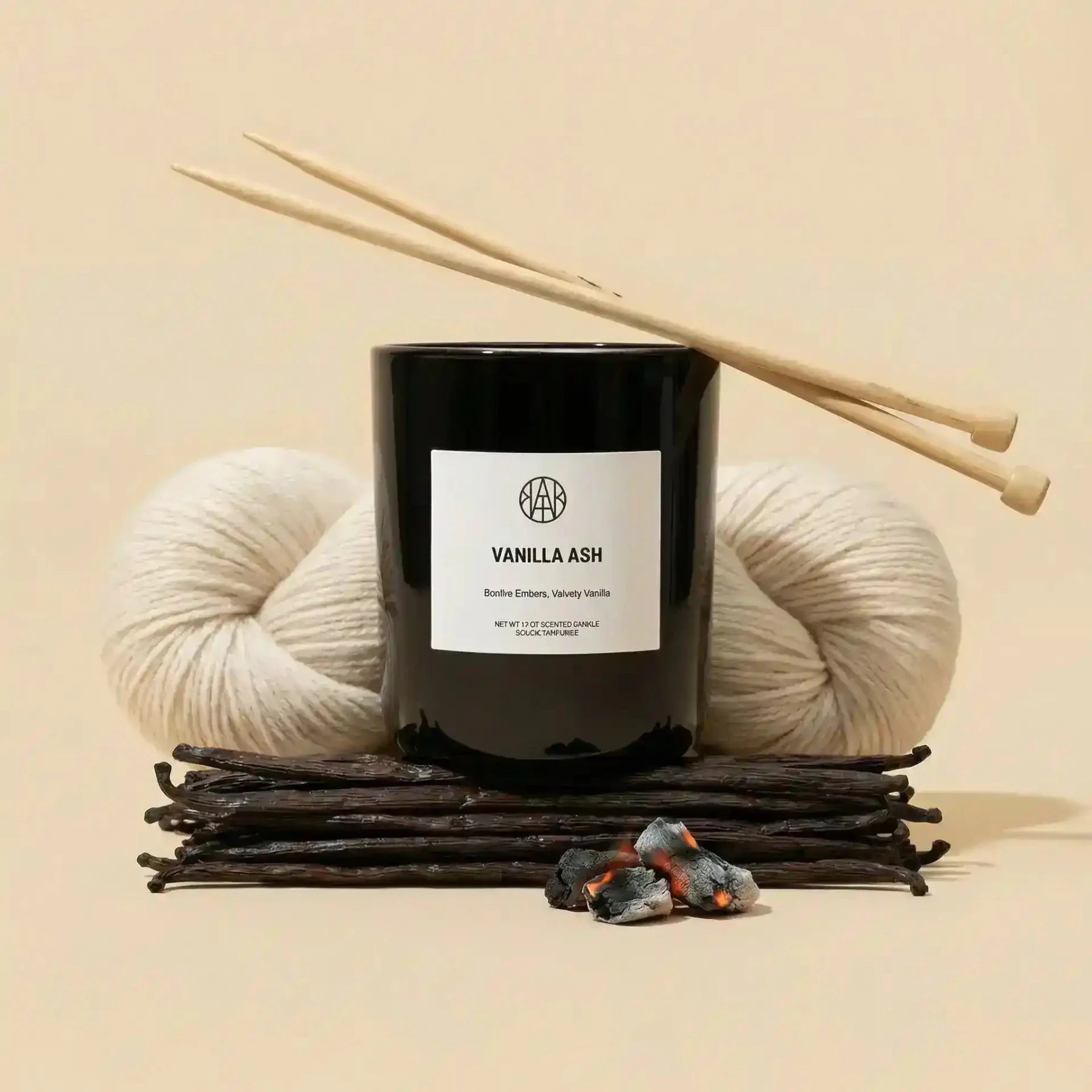
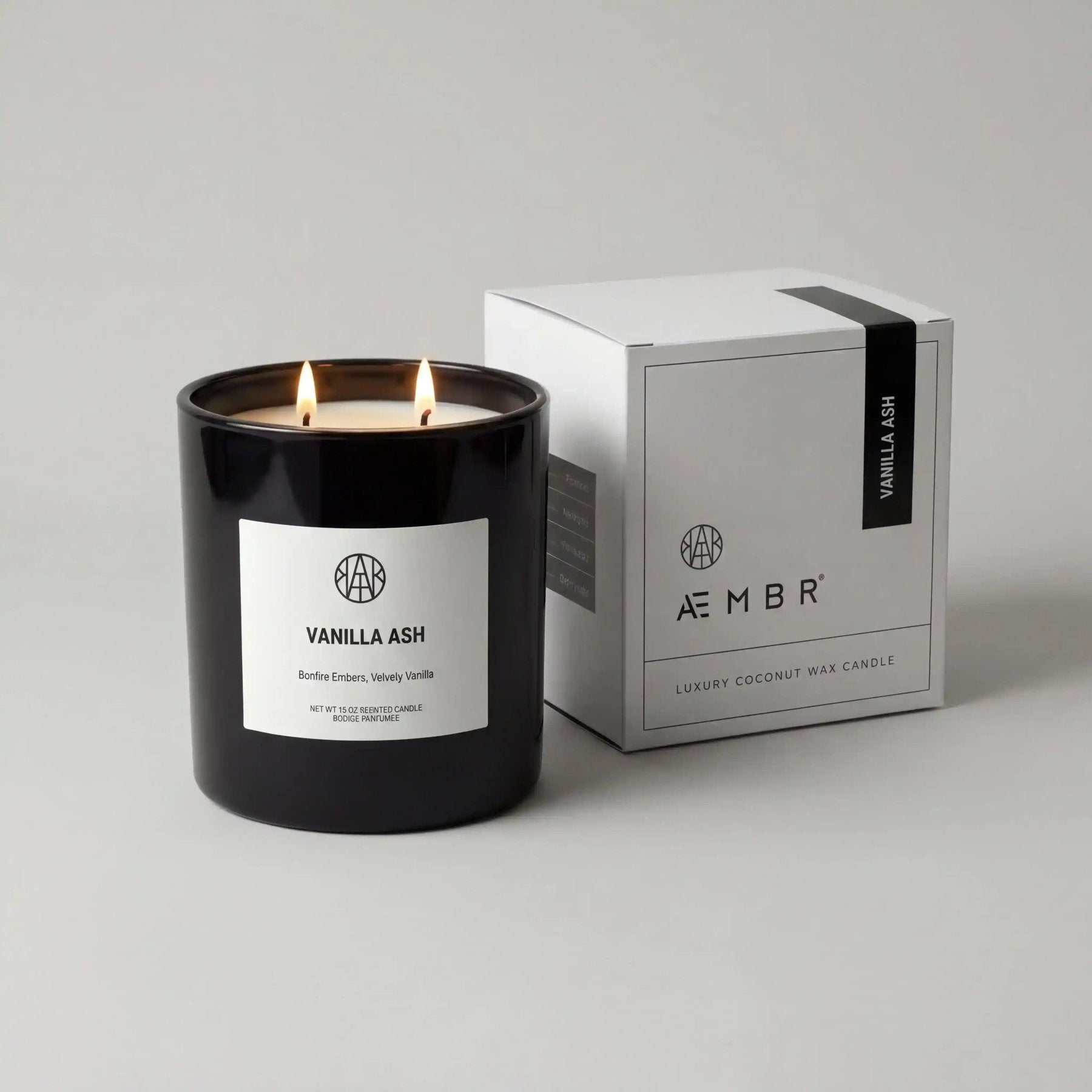
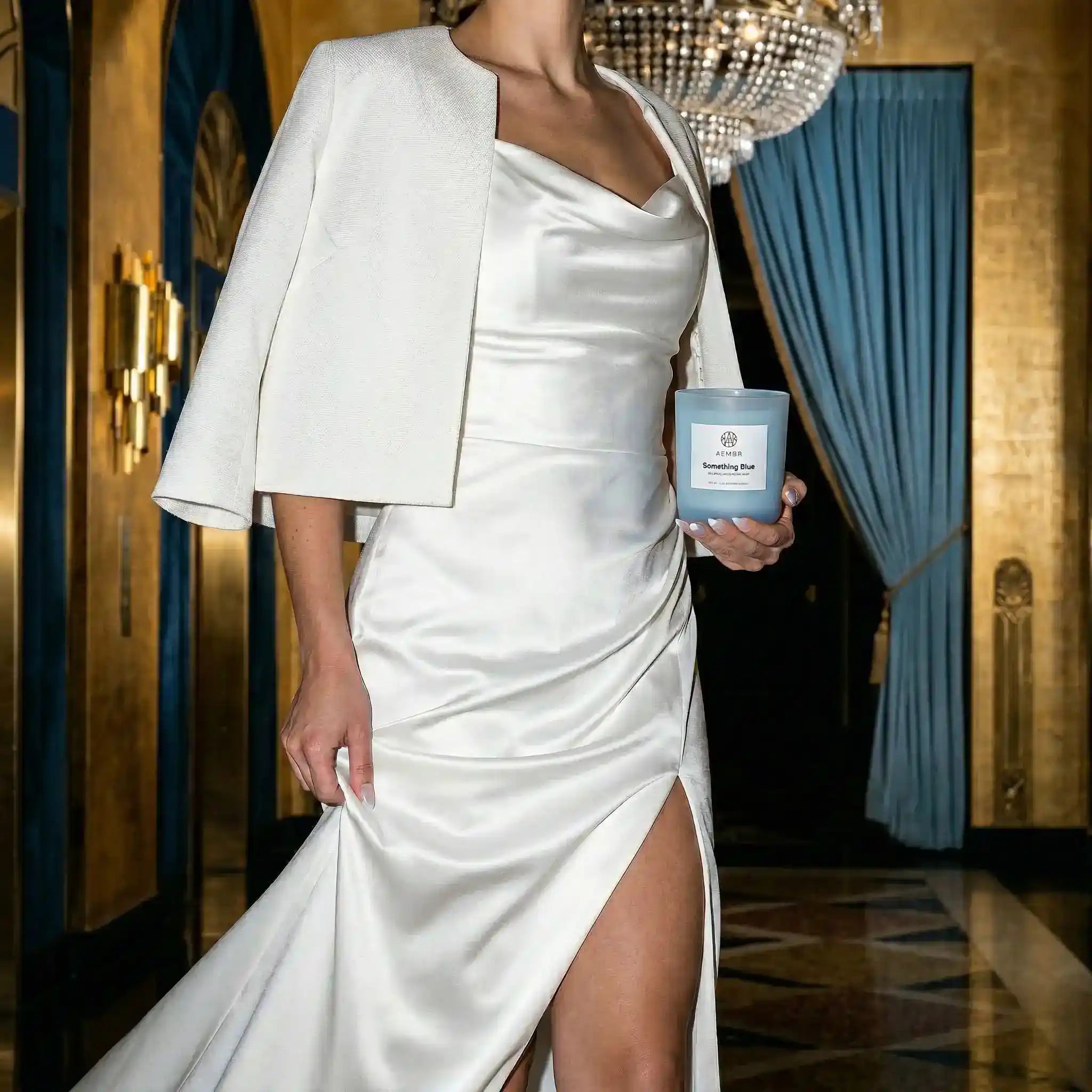
AEMBR candles are poured in a coconut-apricot wax blend, with phthalate-free fragrances — the same standard I applied to the laundry line. You can explore the full candle collection or start with a Discovery Set to find your scent before committing.
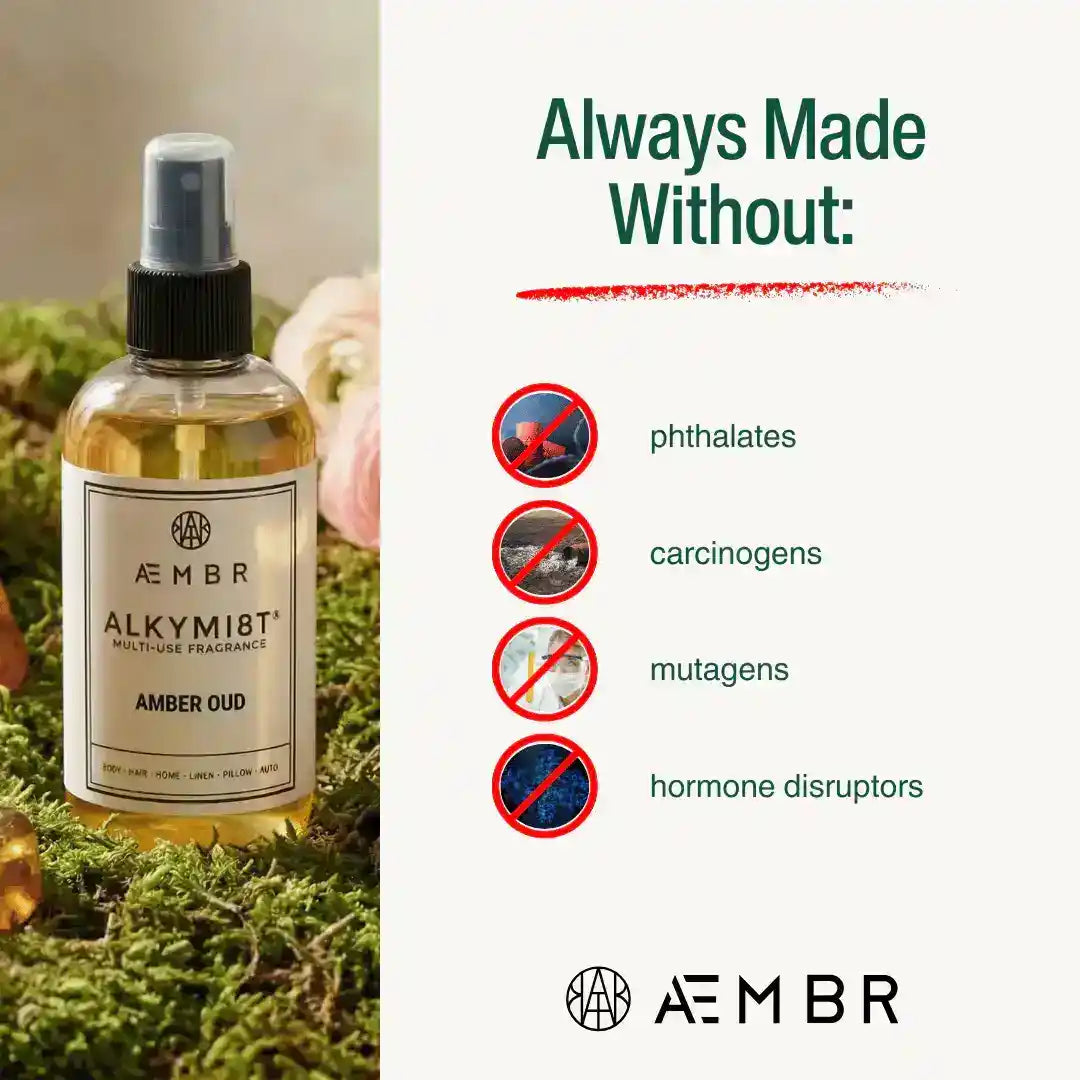
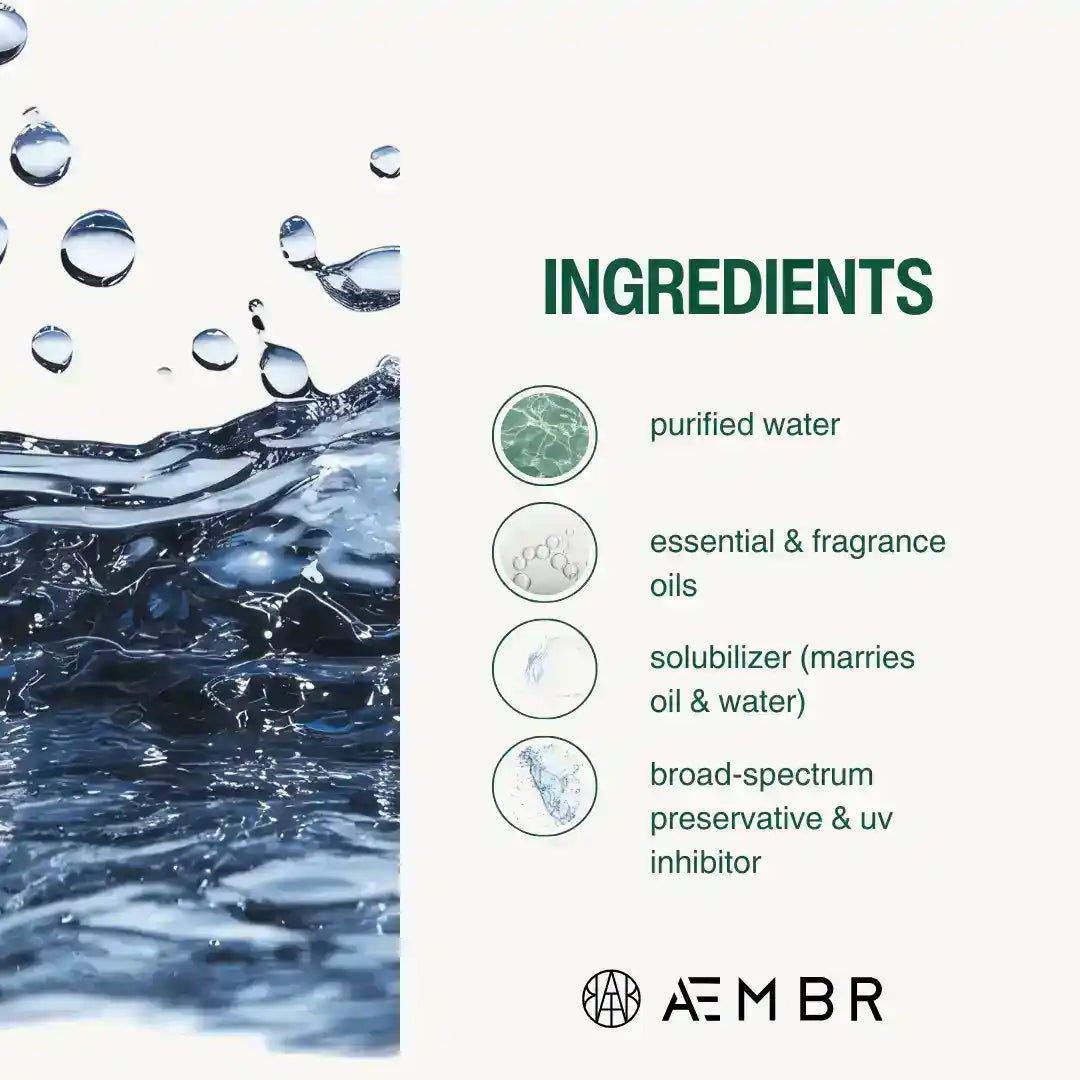
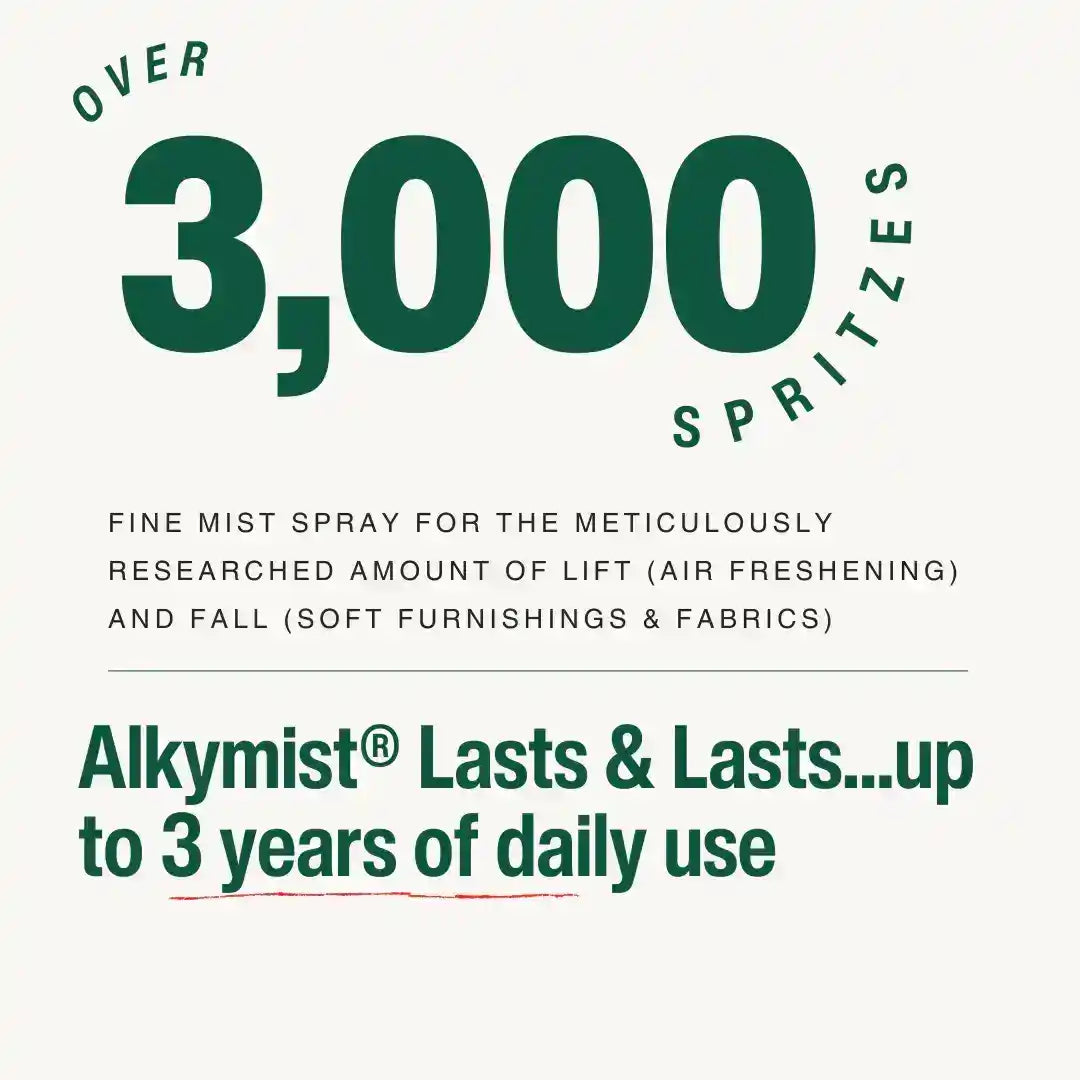
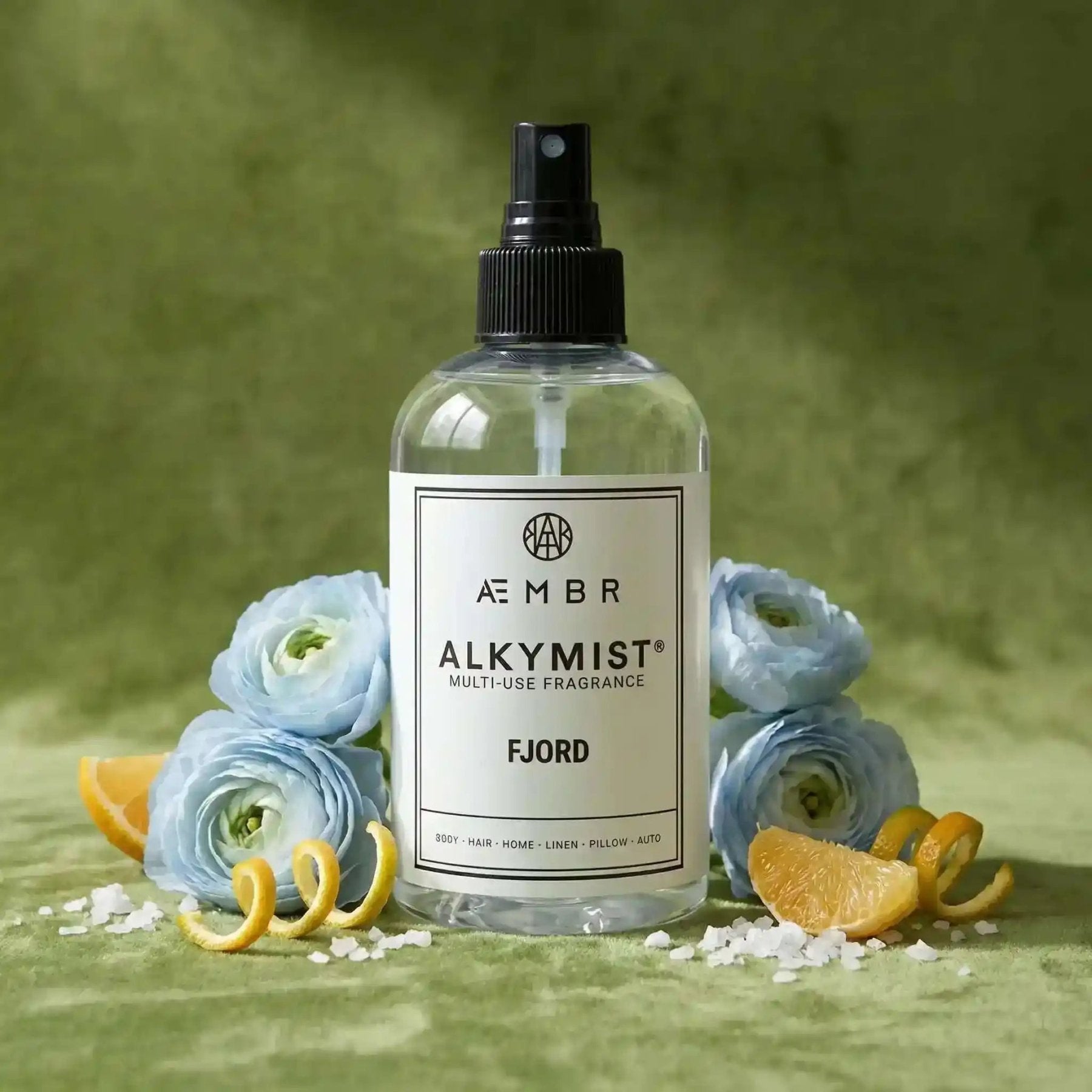
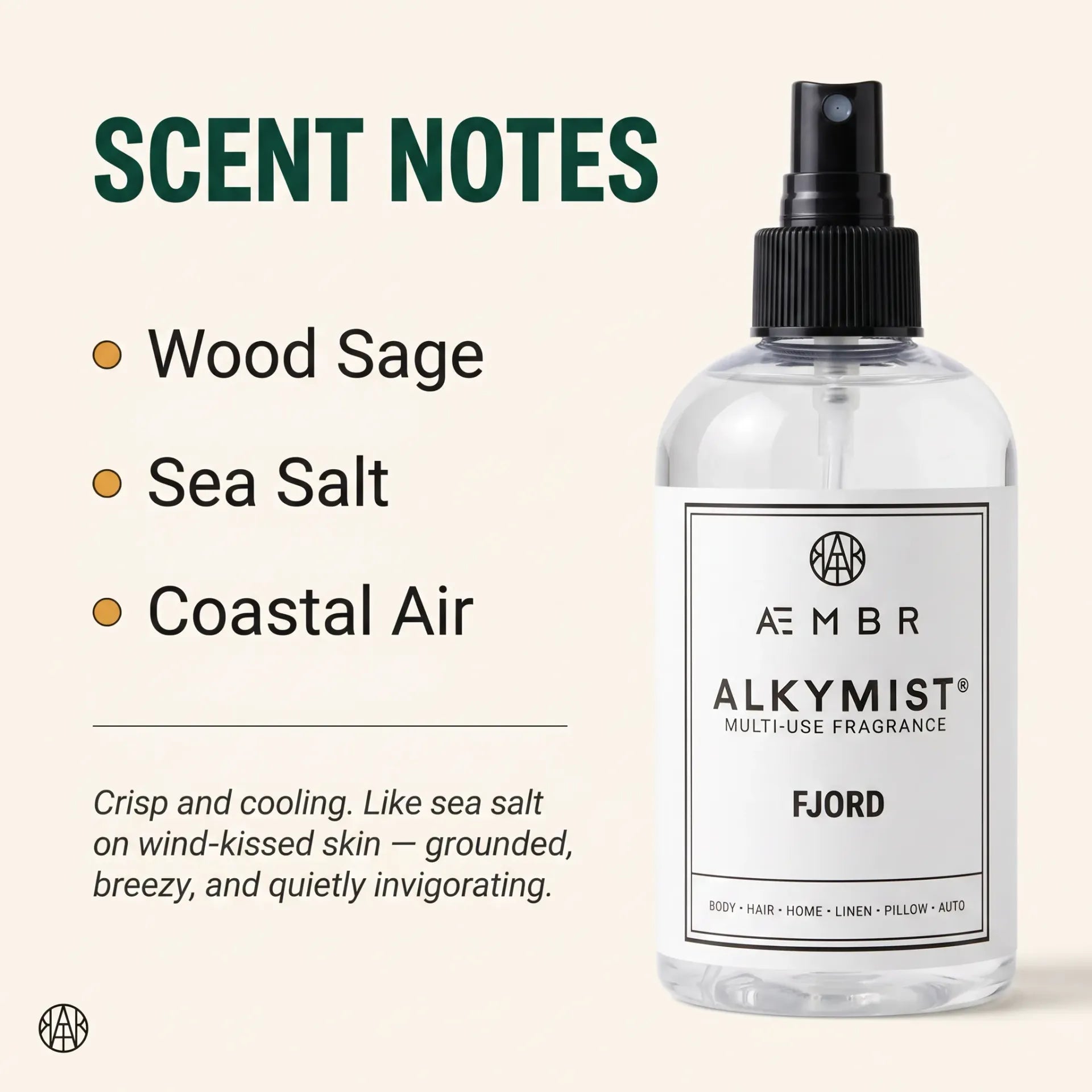
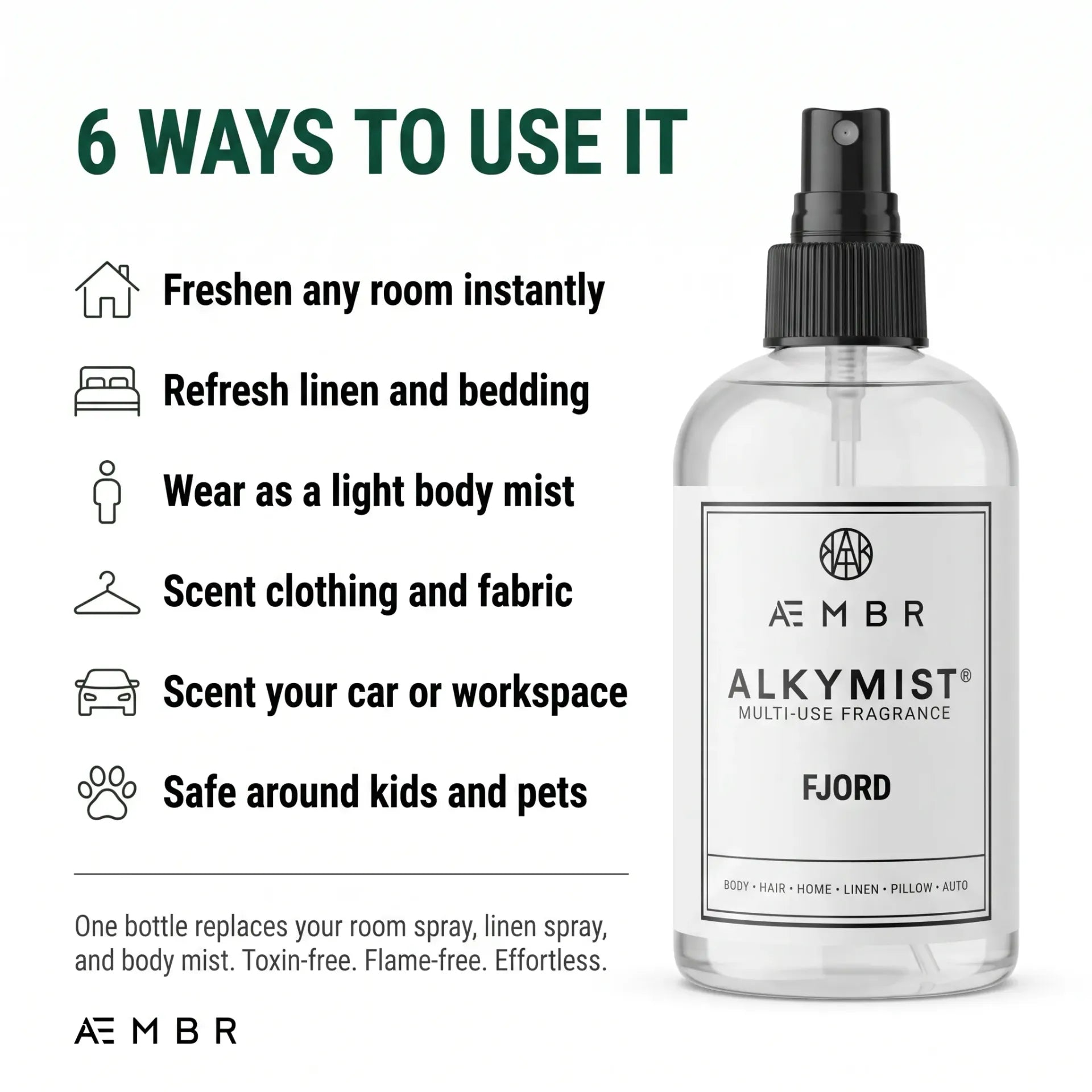
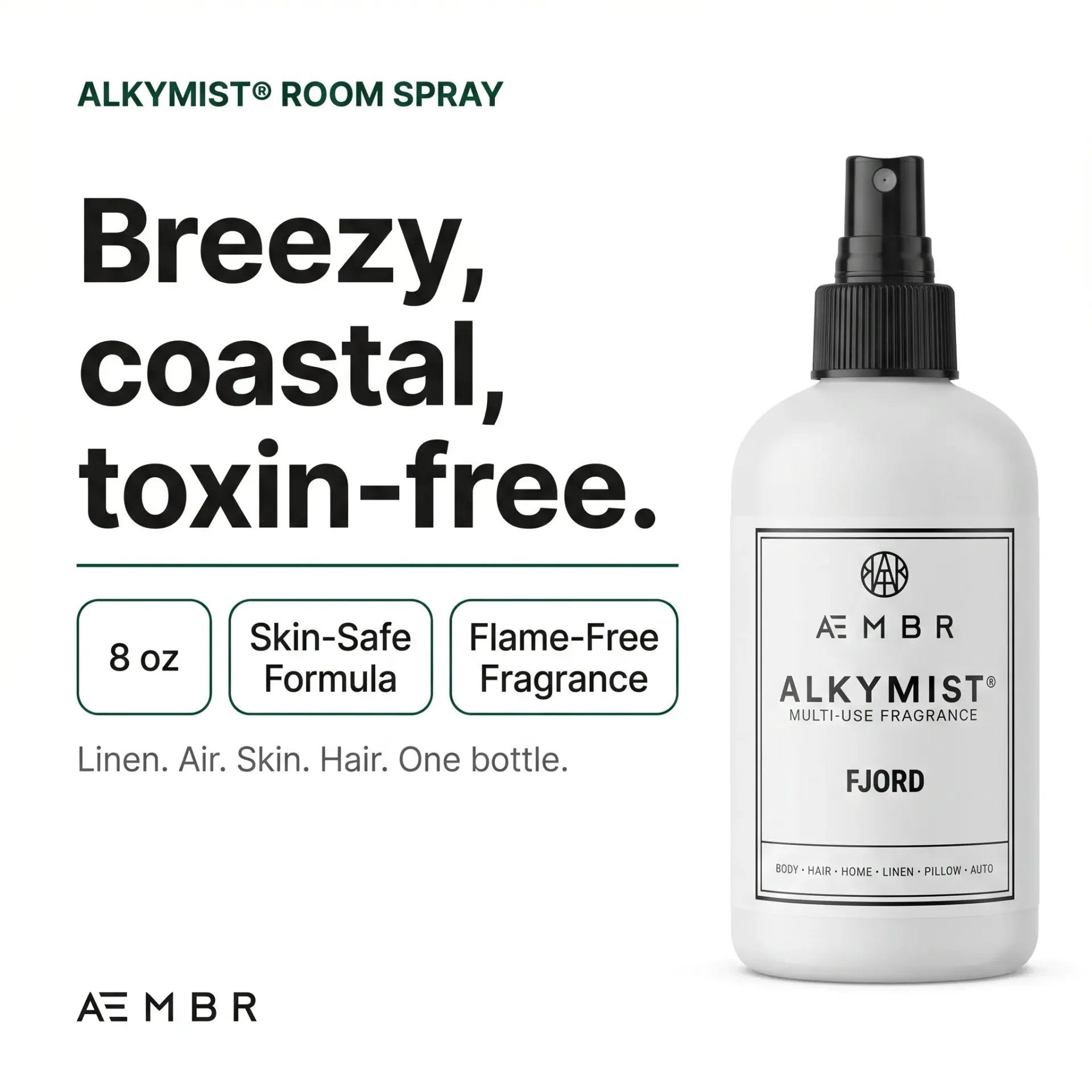
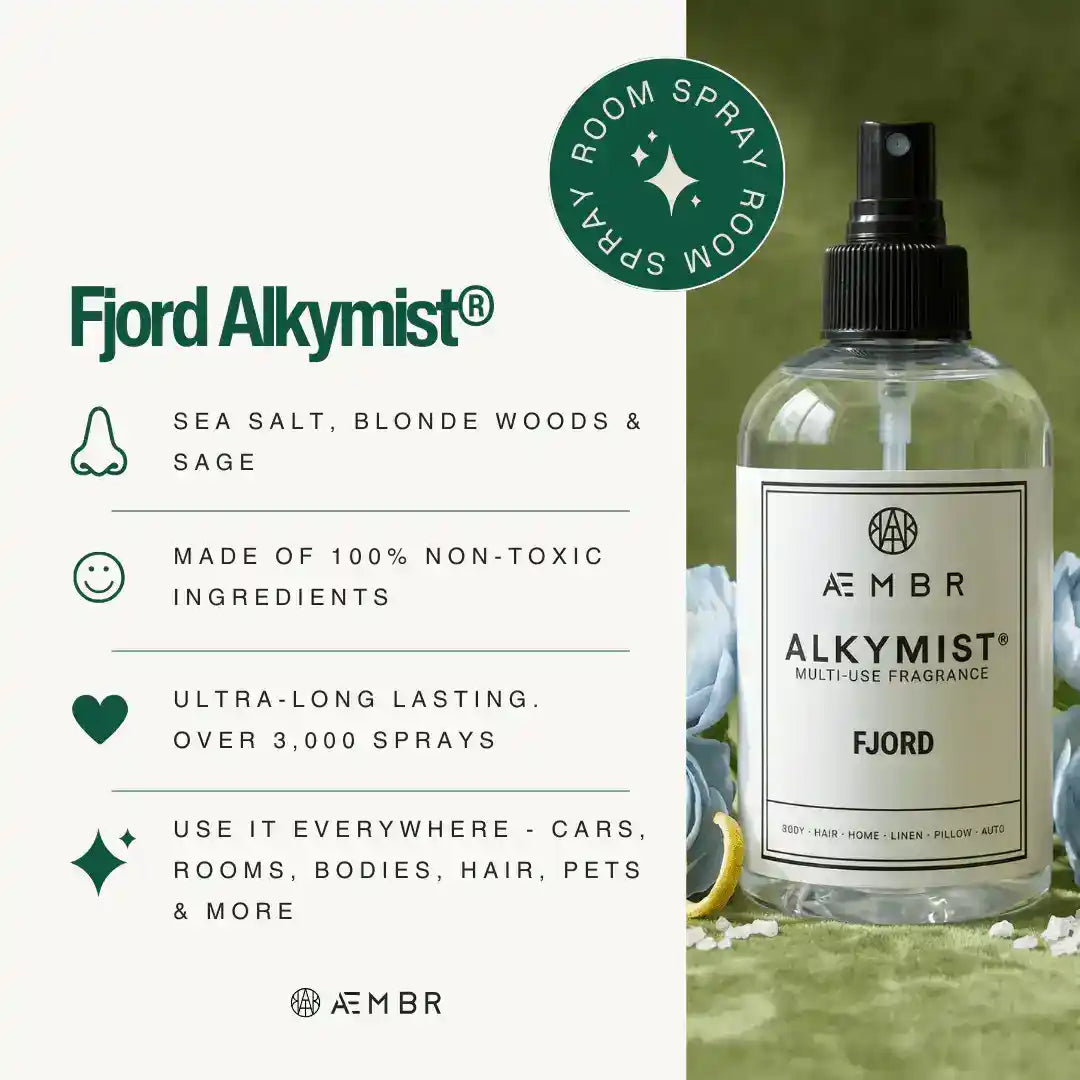
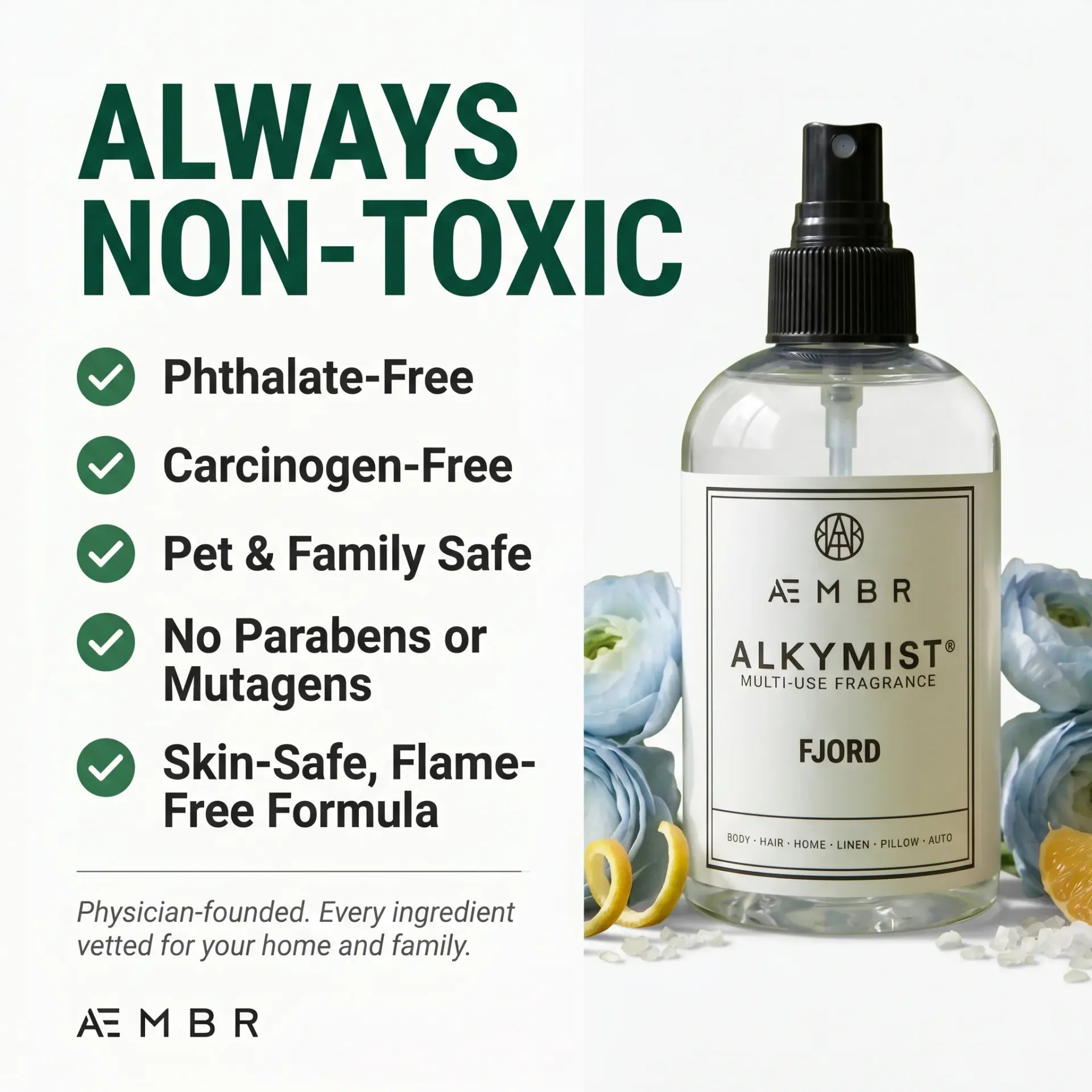
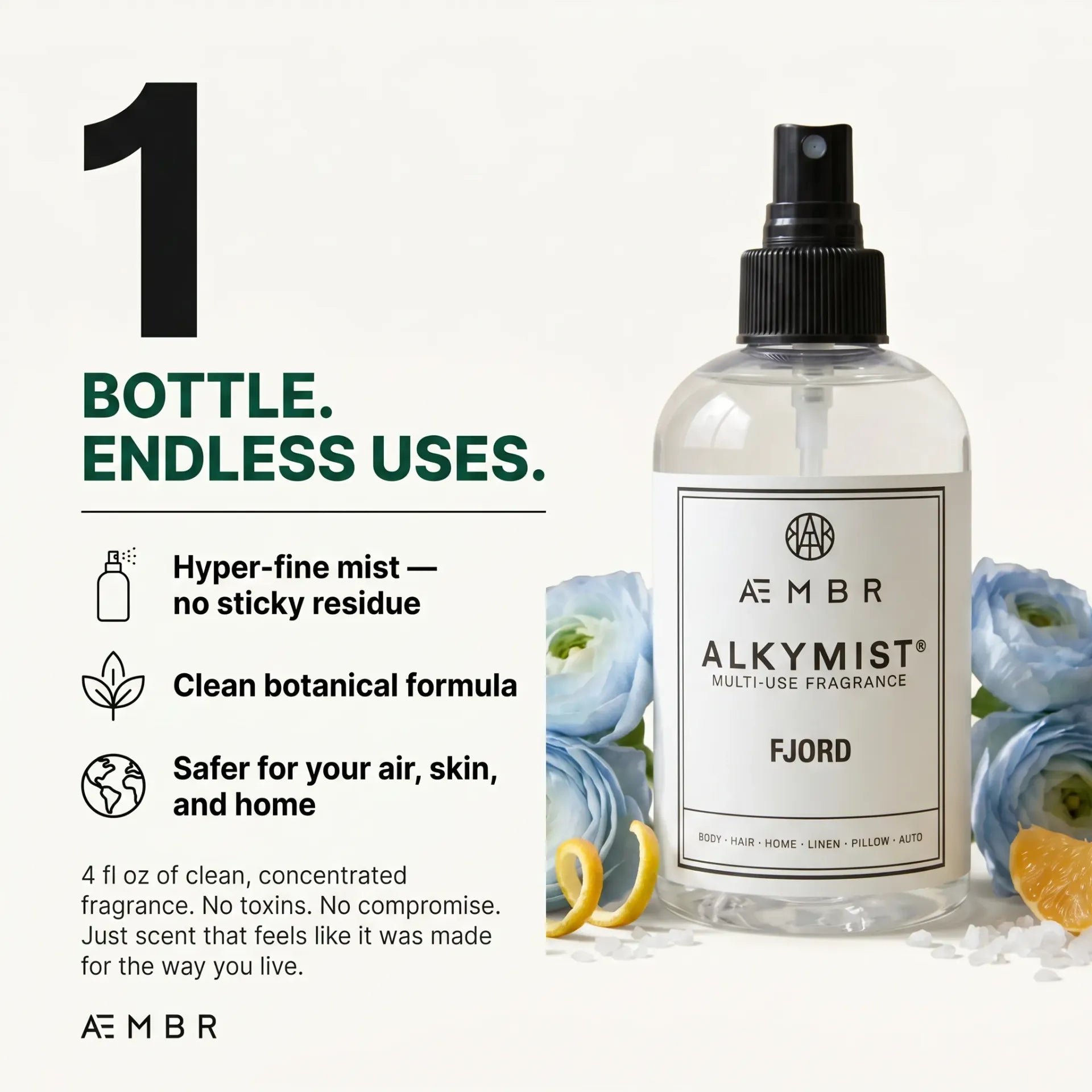
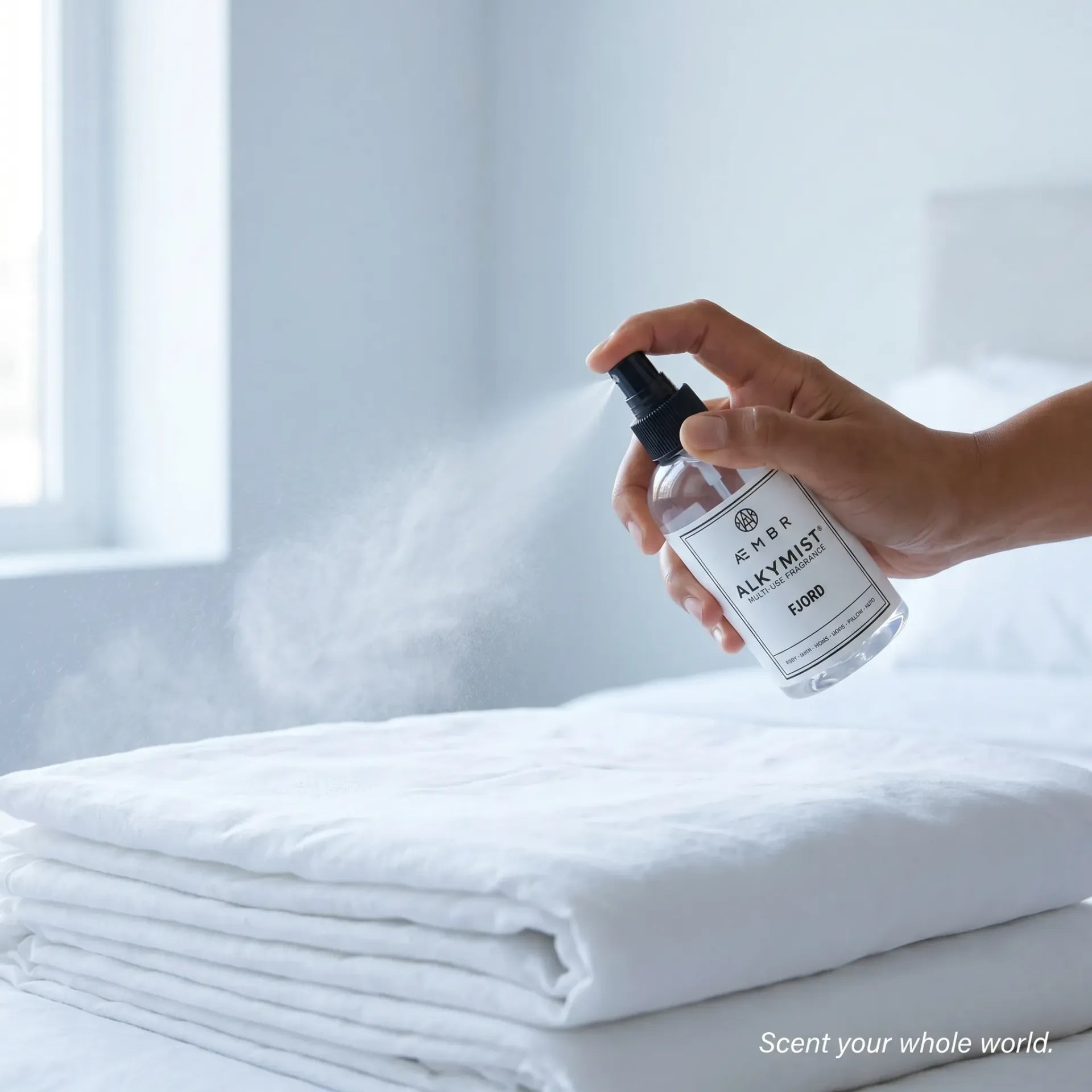
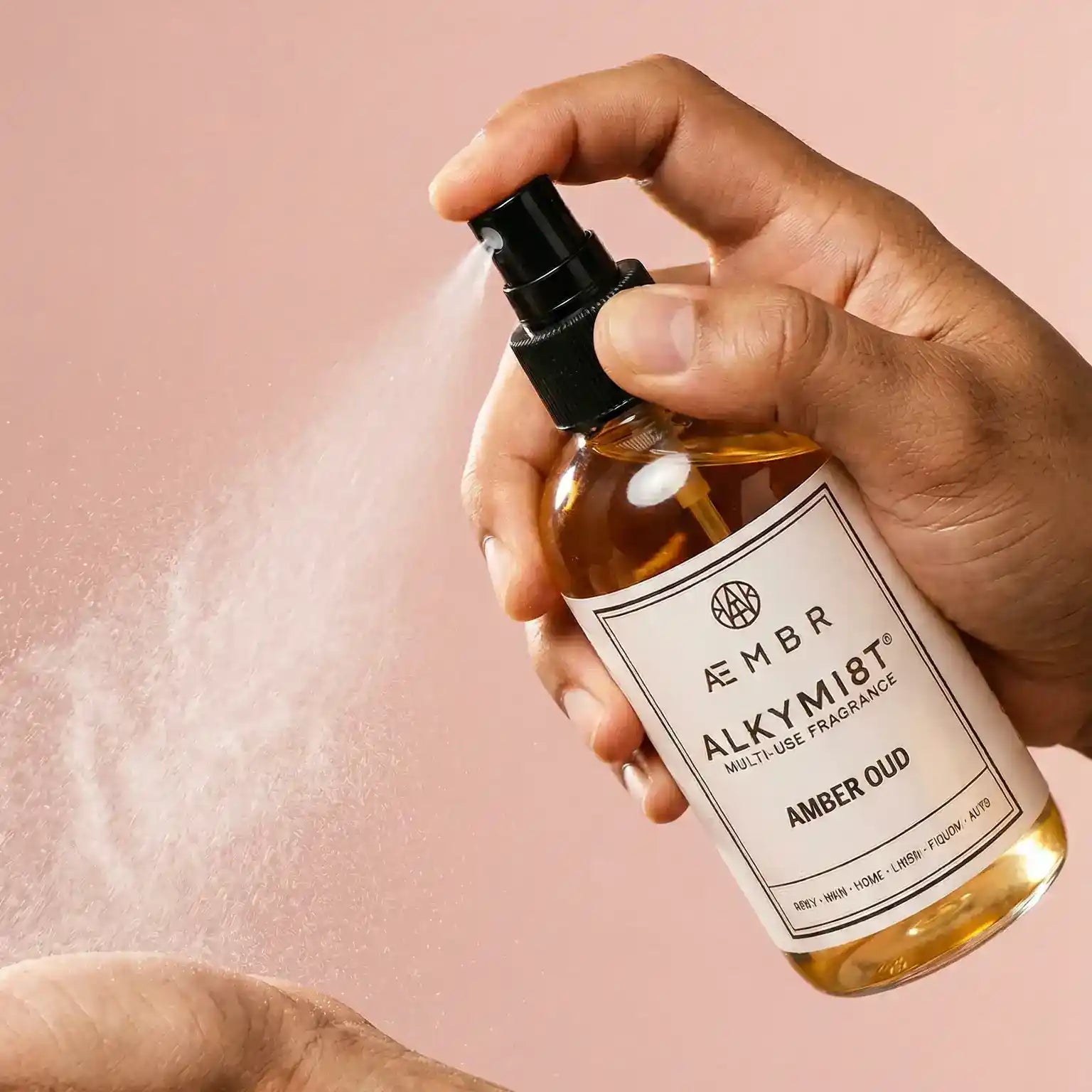
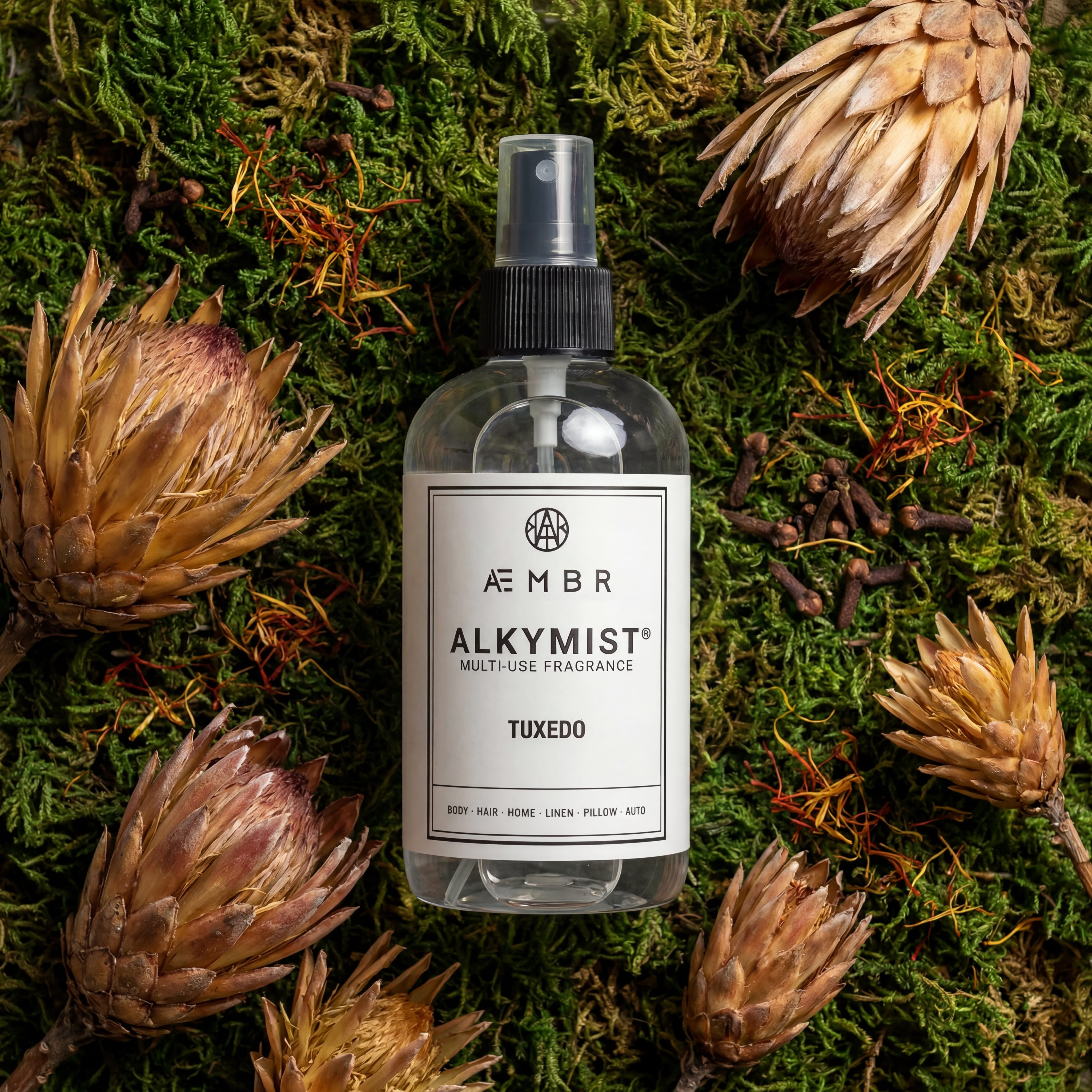
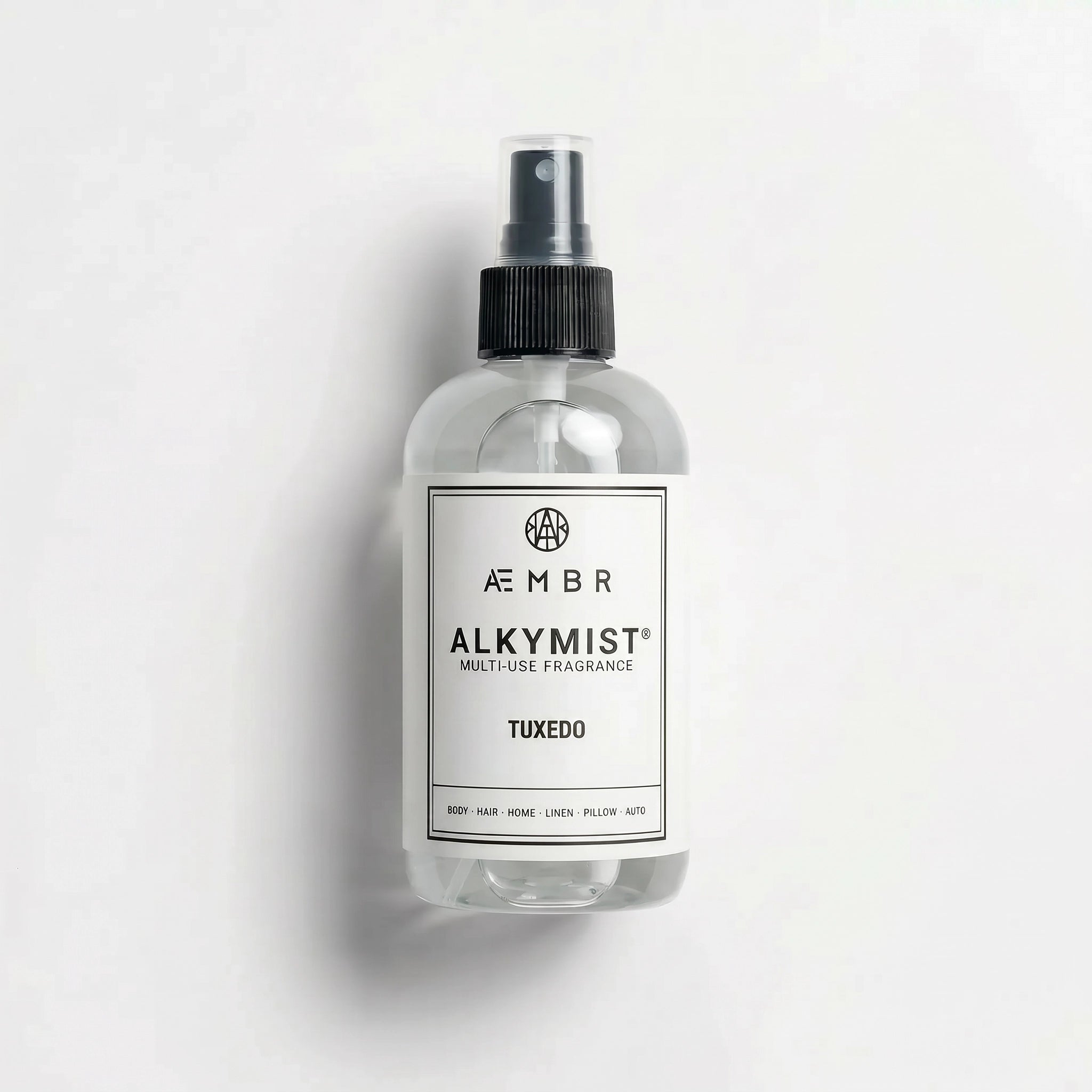
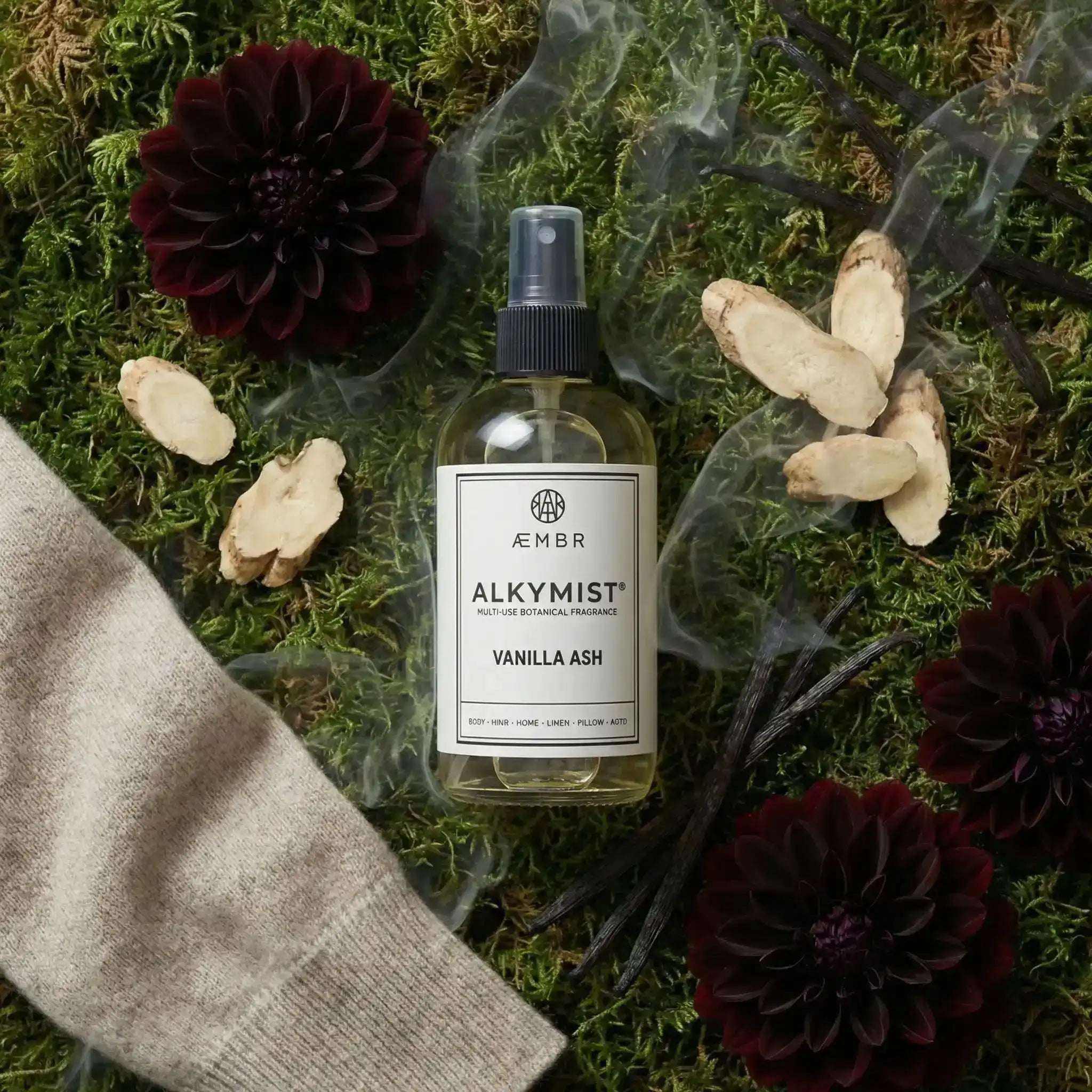
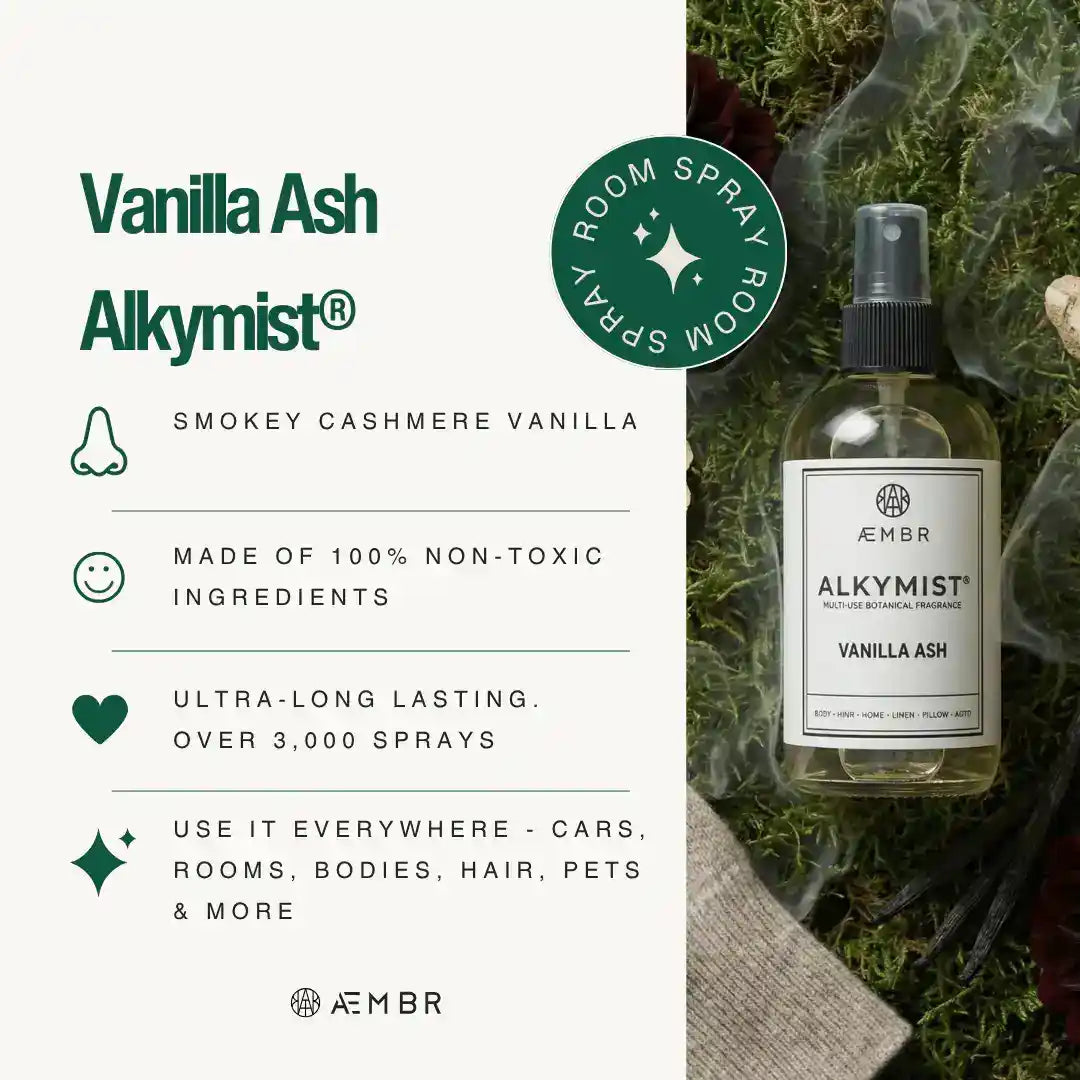
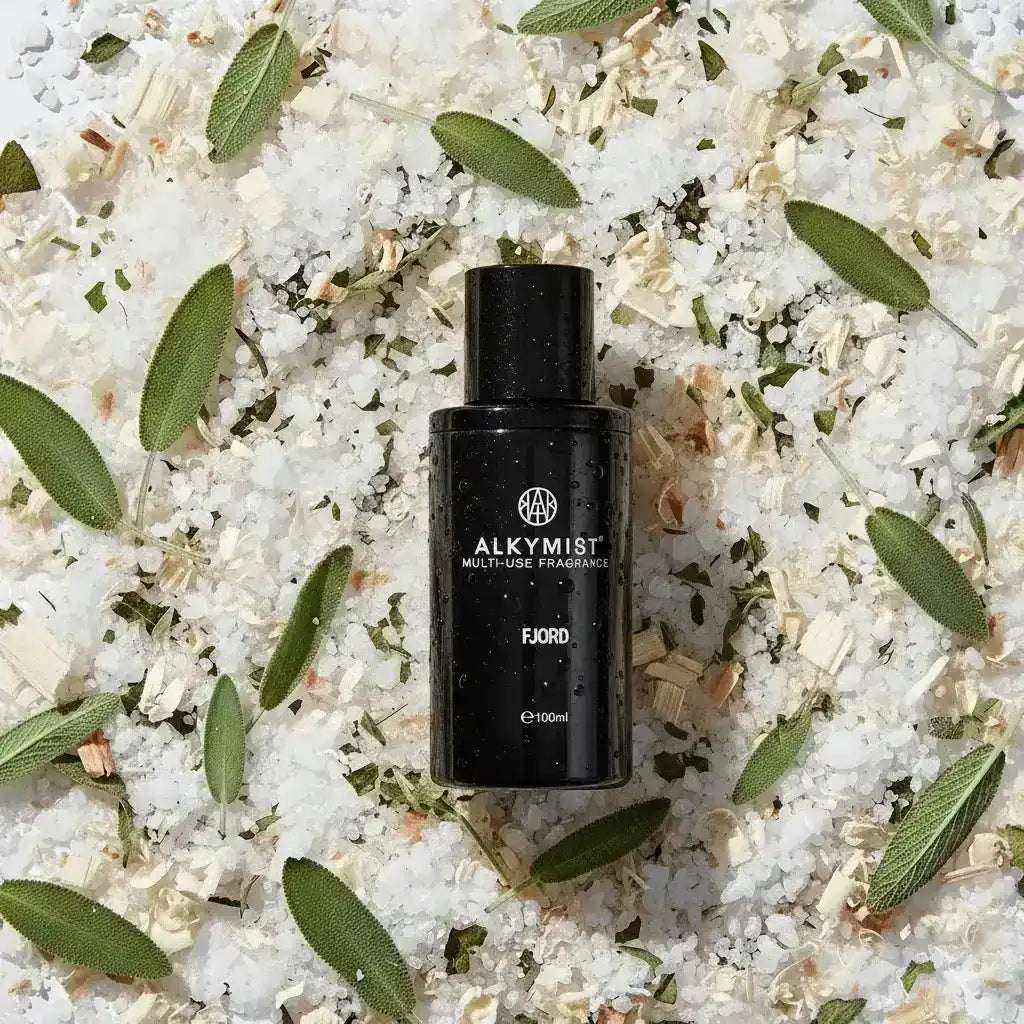
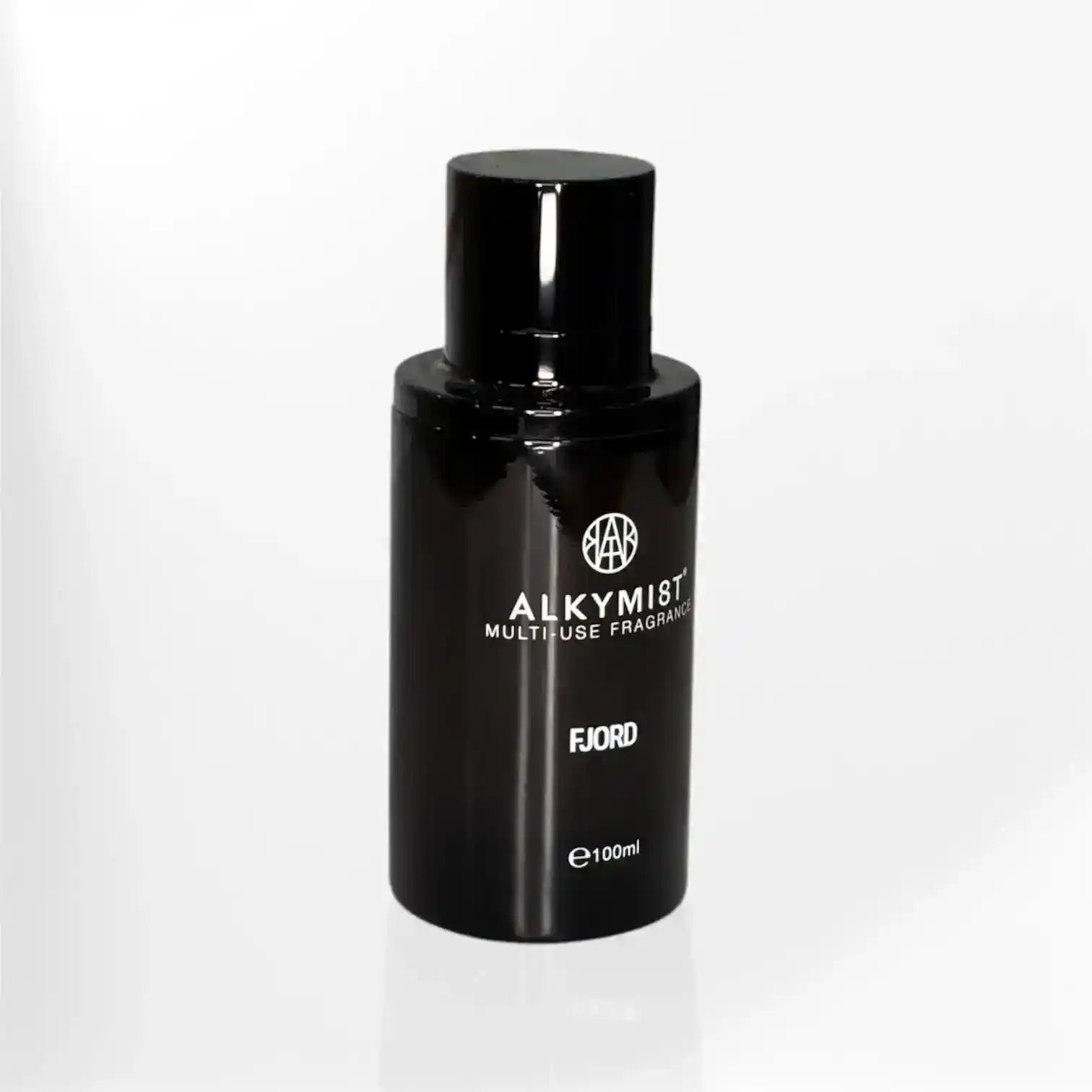
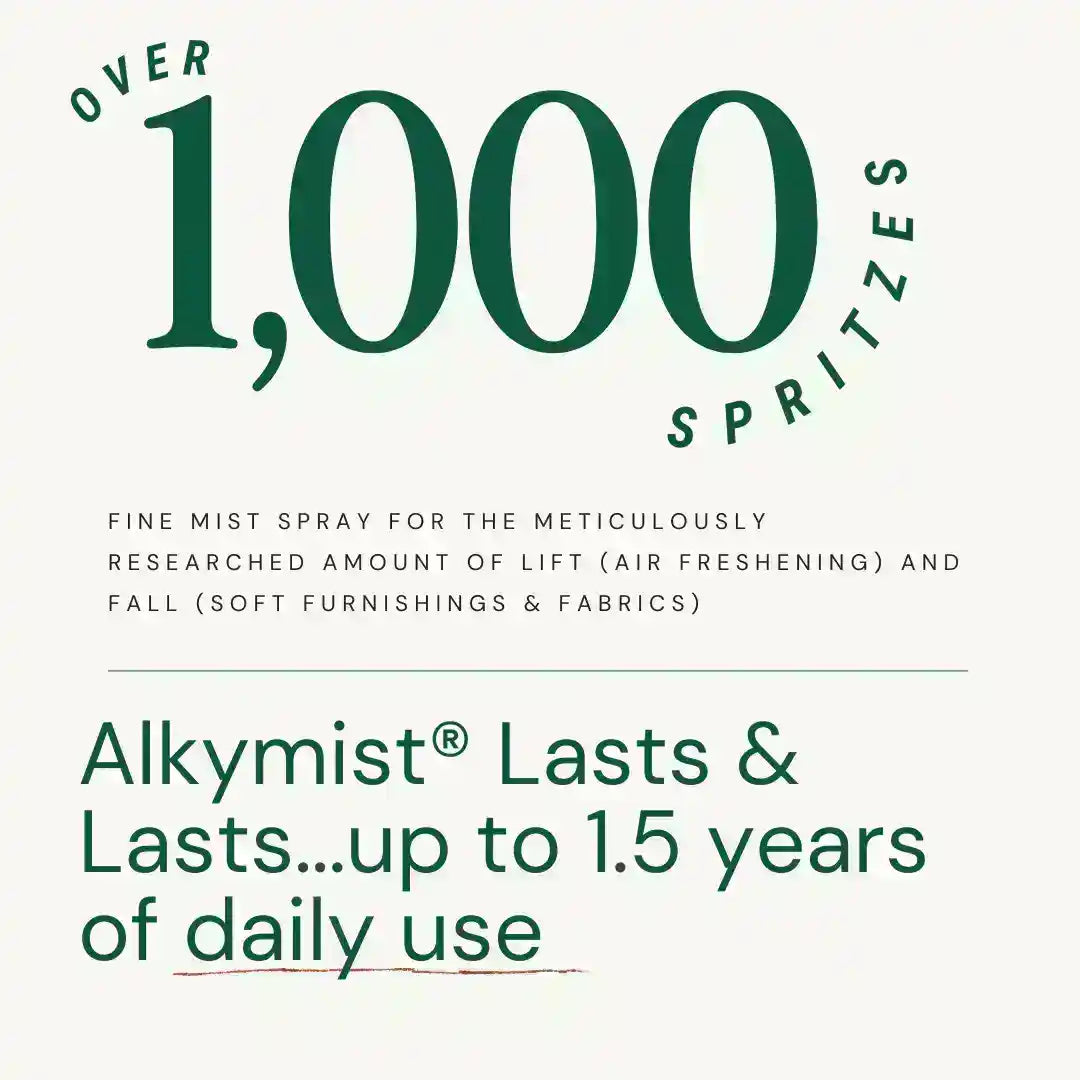
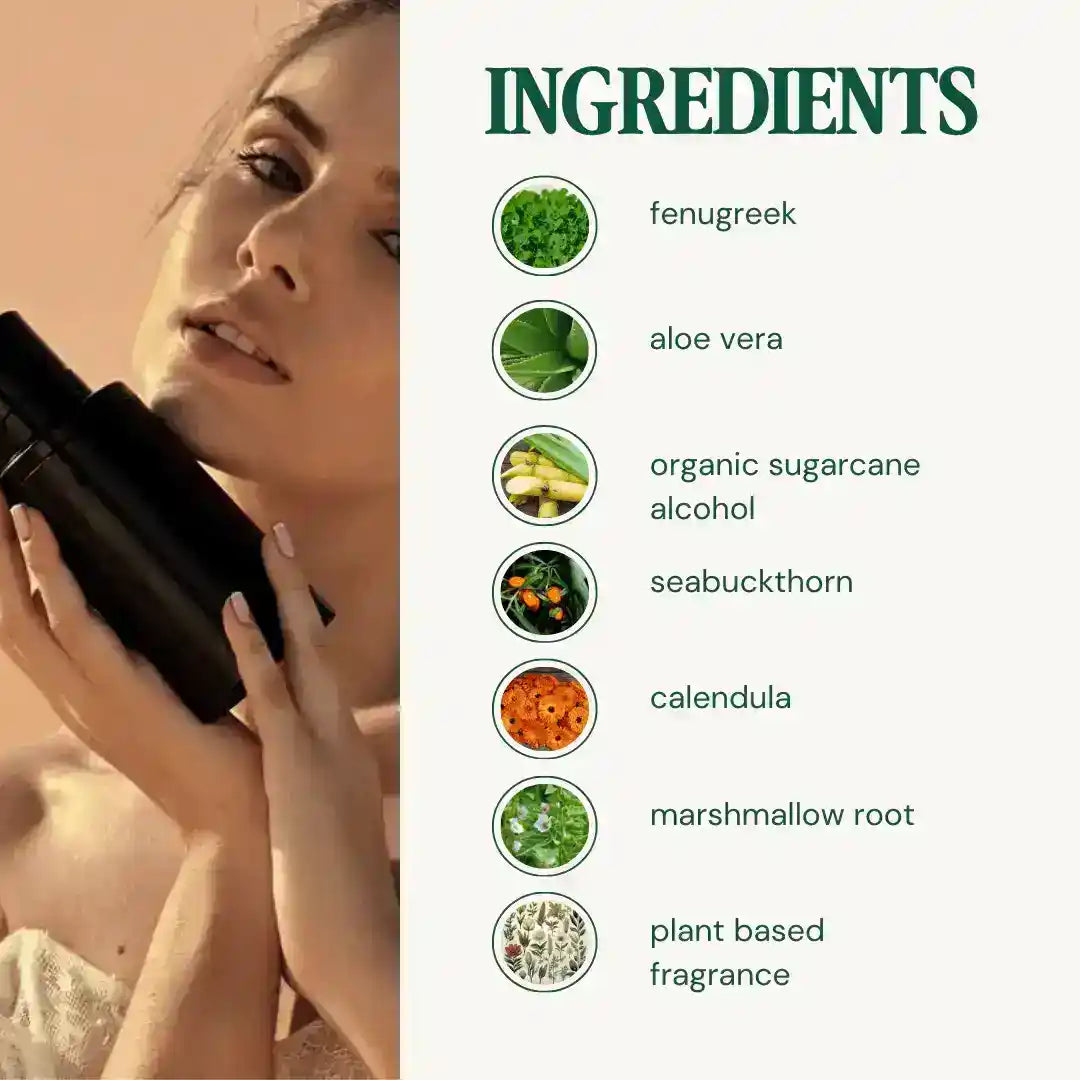
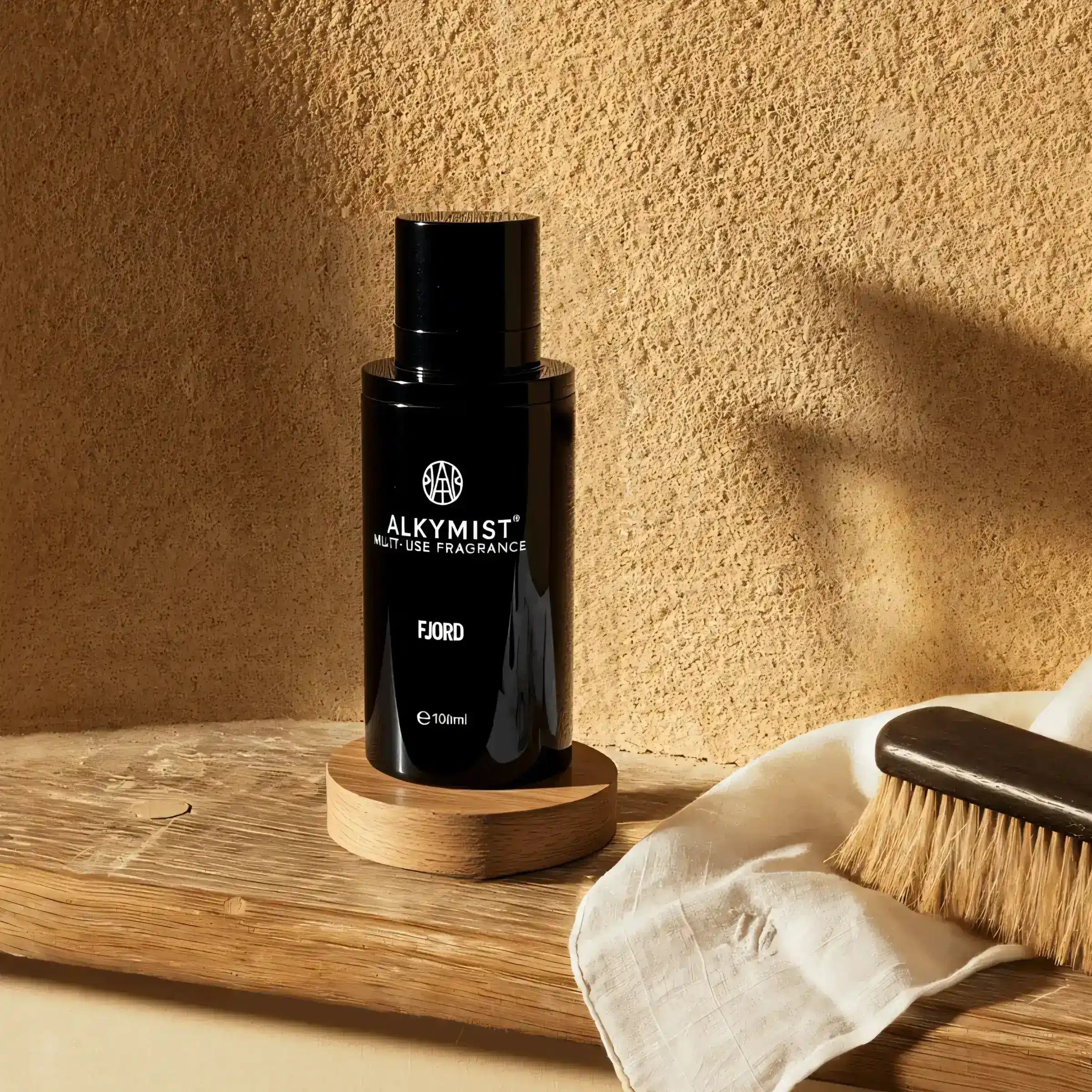
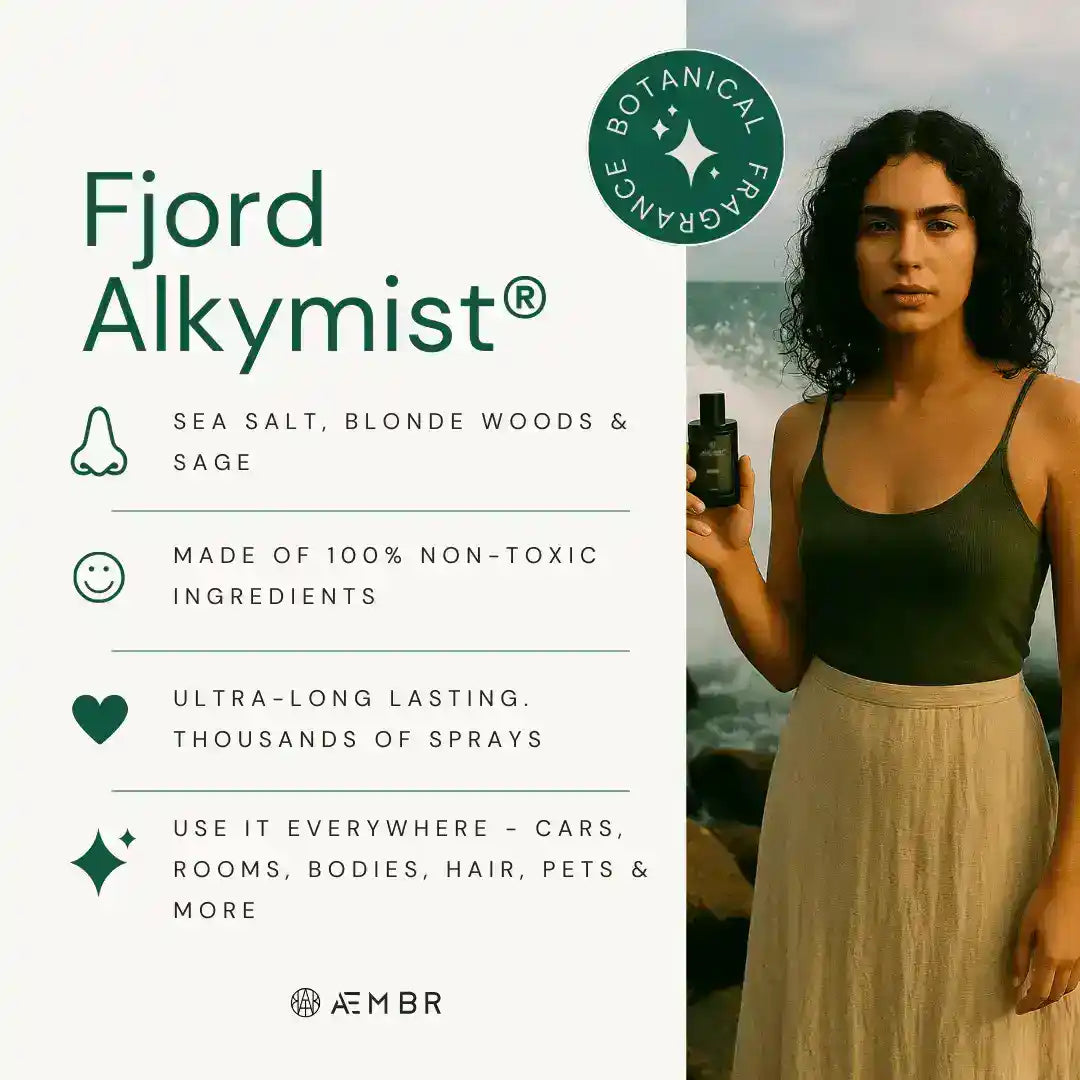
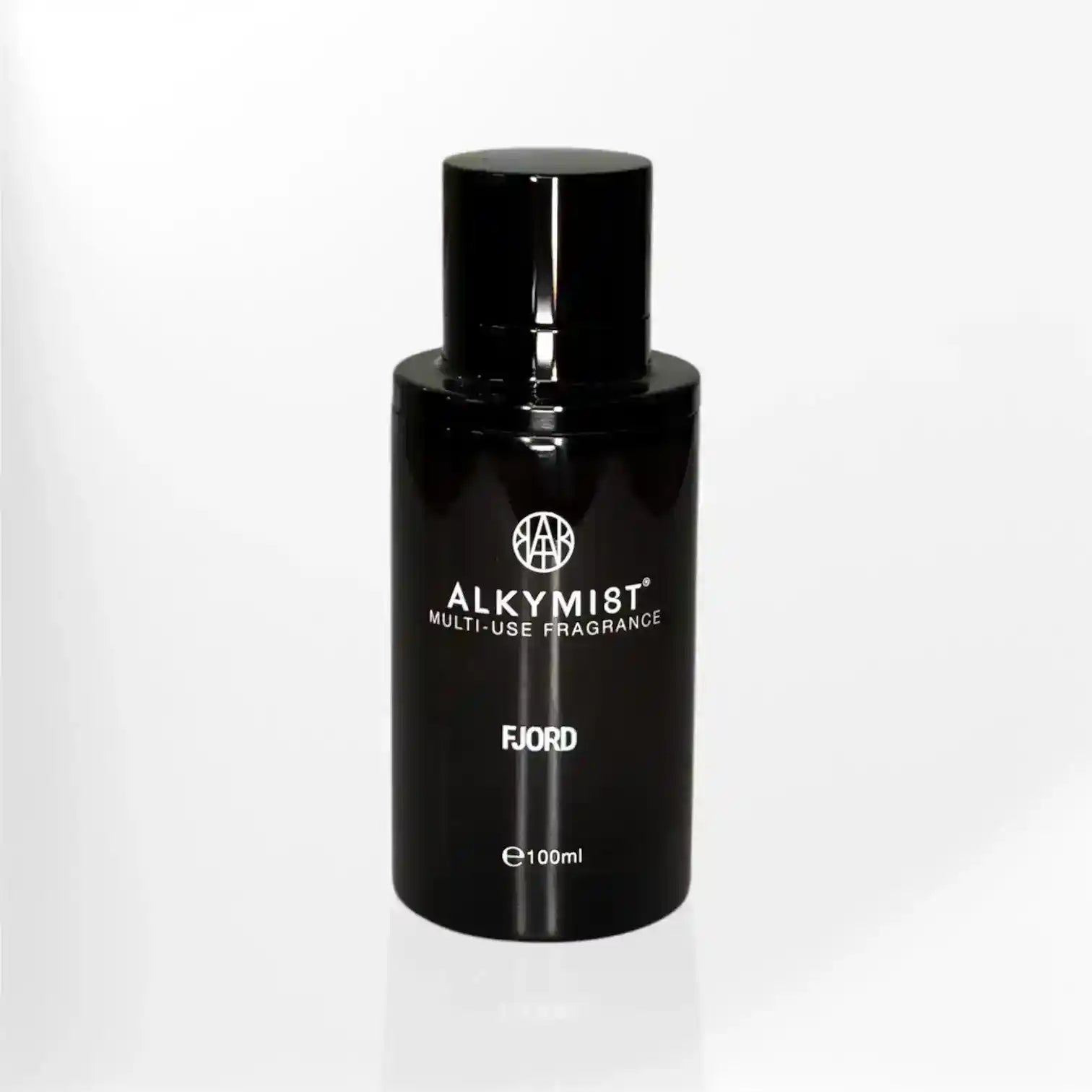
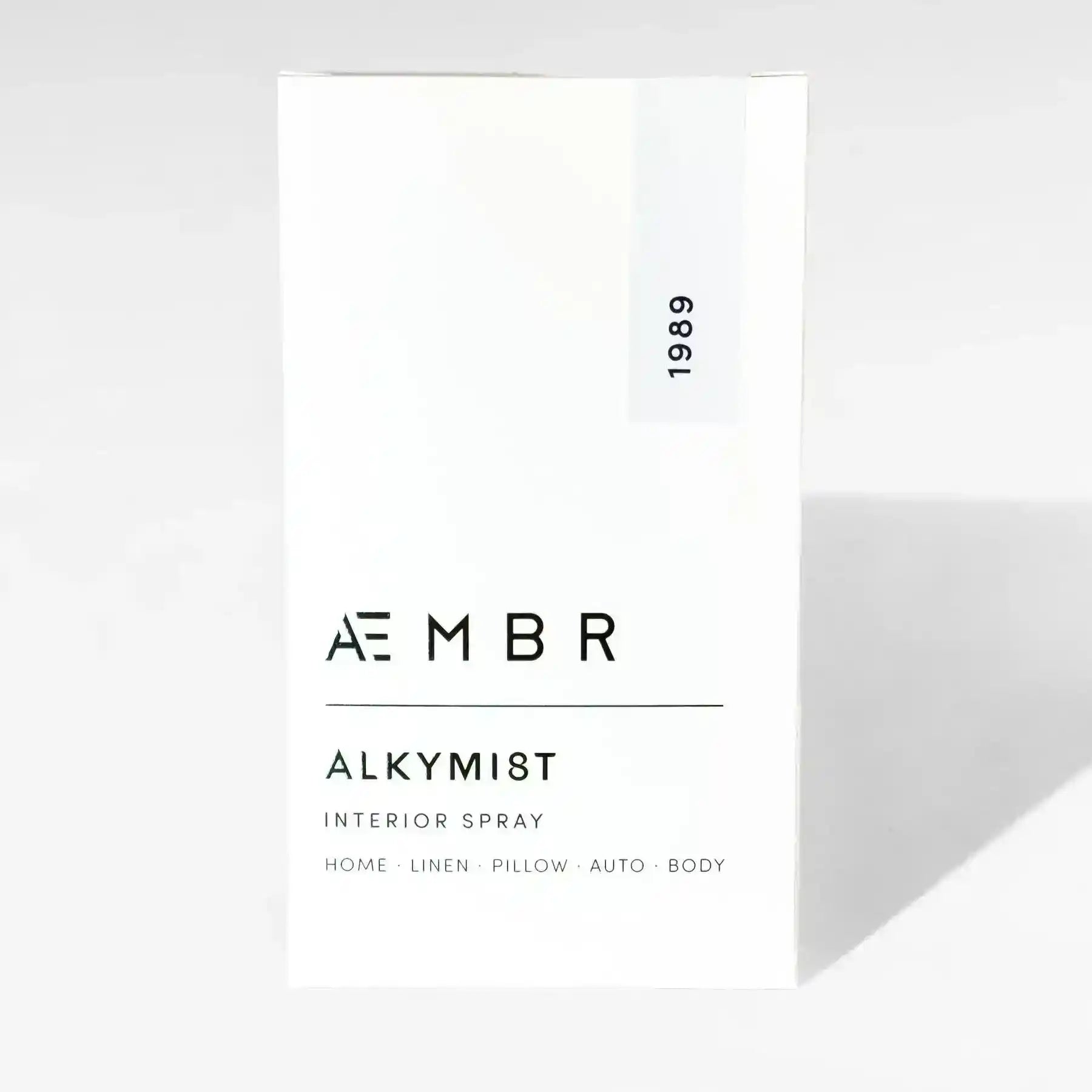
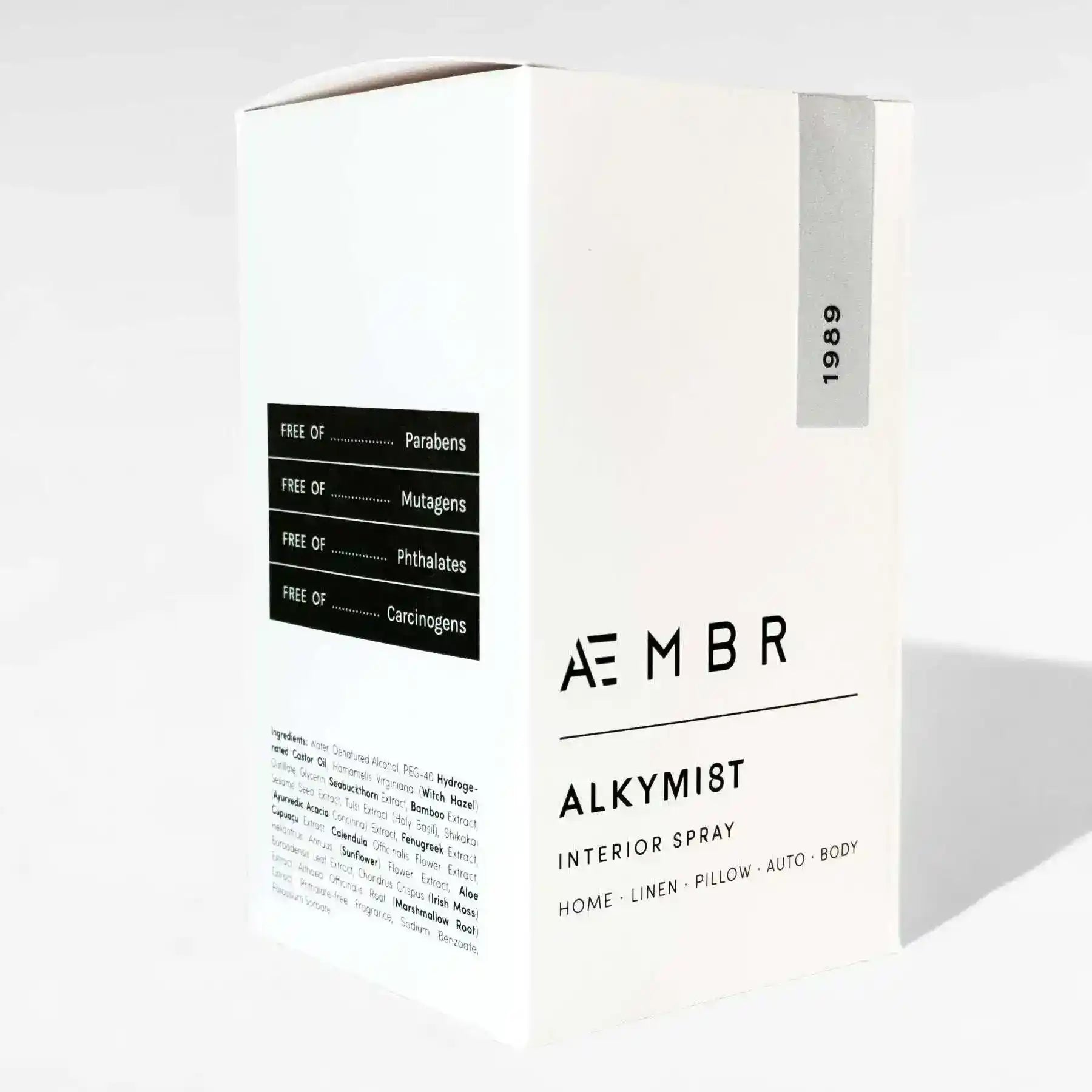
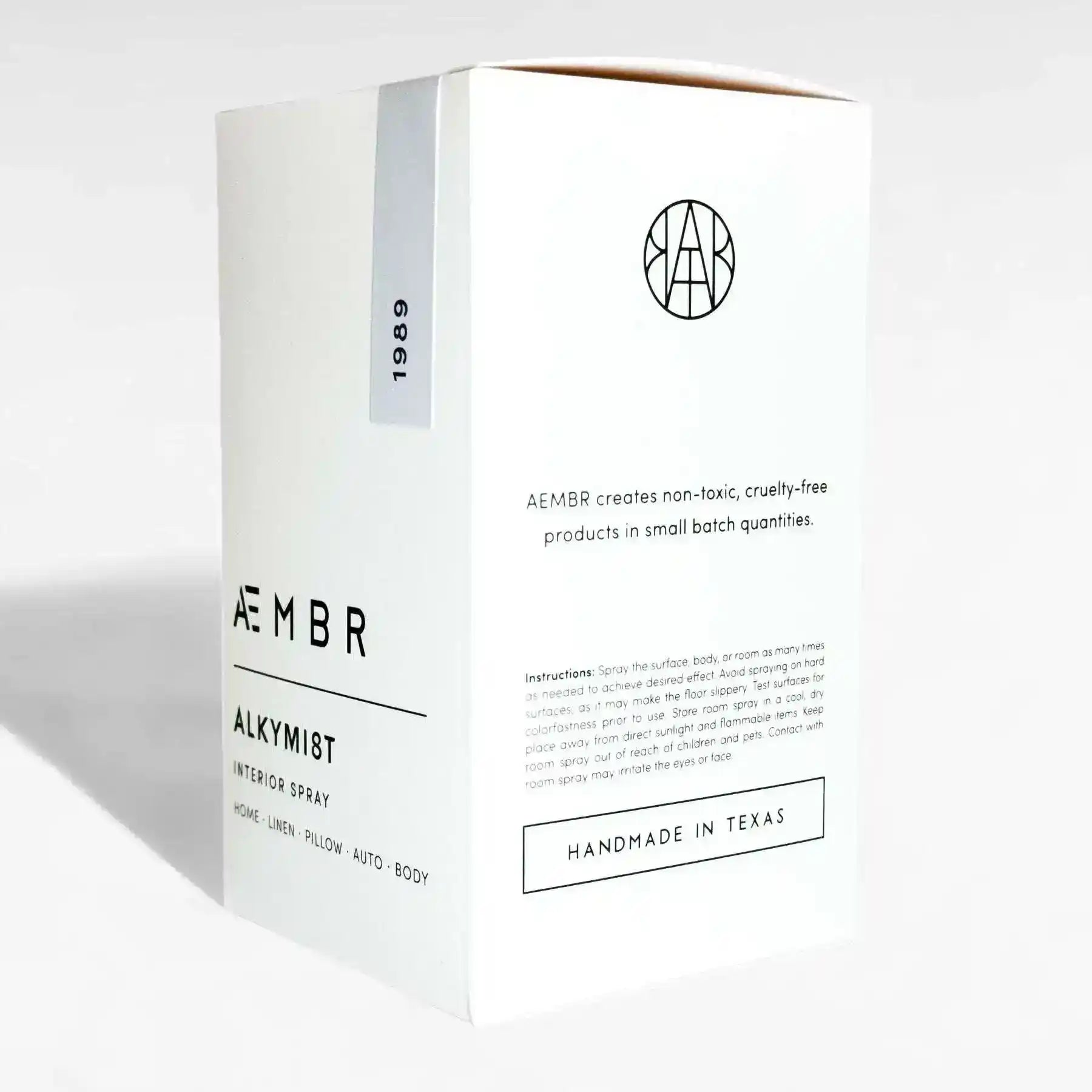
For room fragrance, the same phthalate-free standard applies. The ALKYMIST Room Spray is formulated to the same ingredient standards as the candles — alcohol-based carrier, phthalate-free fragrance, no propellant.
For a deeper read on fragrance safety, see: what's in fragrance oils, are room sprays safe to breathe, and phthalate-free home fragrance brands.
Indoor Air Quality Beyond Fragrance
Fragrance gets the most attention, but it's not the only driver of indoor VOC levels. Other sources worth addressing:
- Conventional cleaning sprays — already covered above; switching to low-VOC formulations makes a measurable difference, particularly in enclosed kitchens and bathrooms
- Pressed wood furniture and flooring — off-gasses formaldehyde for months to years after manufacture; nothing on a label tells you this, but choosing solid wood or formaldehyde-free alternatives helps, particularly for nurseries
- Air circulation — the most underrated intervention. HVAC filter quality (MERV 11+ for most homes) and occasional ventilation (even 10 minutes of open windows) dilutes indoor VOCs meaningfully
- Houseplants — frequently cited as air purifiers; the research on meaningful VOC removal from plants at normal indoor densities is weak. I wouldn't rely on them, but they don't hurt
Laundry Room: Full Non-Toxic Routine
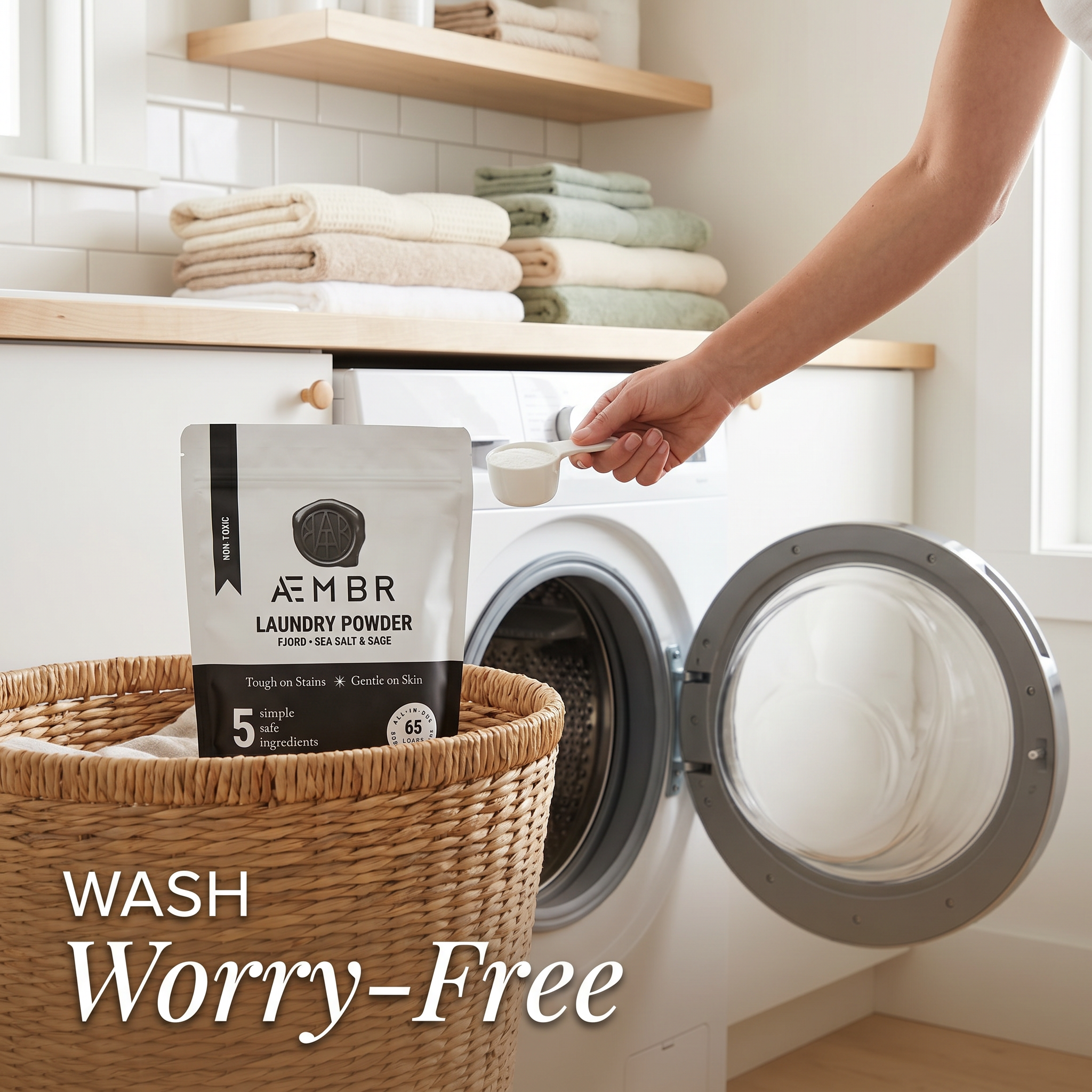
The laundry room is where most people have the highest concentration of chemical exposure in their home — detergent, fabric softener, dryer sheets, stain remover. Here's the routine I use:
| Step | Conventional Option | What I Use / Recommend | Key Concern Avoided |
|---|---|---|---|
| Main wash | Tide Original, Gain | AEMBR Laundry Powder | Phthalates, optical brighteners, undisclosed fragrance |
| Stain boost | OxiClean (original) | AEMBR Oxygen Boost | Synthetic dyes, fragrance |
| Fabric softener | Downy, Snuggle | White vinegar rinse (¼ cup in rinse cycle) or skip entirely | Quaternary ammonium compounds, synthetic fragrance |
| Drying | Dryer sheets (Bounce) | Wool dryer balls | Fragrance chemicals, fabric coating residue |
| Linen spray | Febreze | ALKYMIST Room Spray (lightly misted) | Phthalates, undisclosed fragrance chemistry |
For a complete kit, AEMBR's Ultimate Laundry Kit bundles the detergent, scoop, Oxygen Boost, dryer balls, and linen spray together.
Kitchen: The Room with the Most Touchpoints
The kitchen demands the most category-crossover thinking: dish soap, surface spray, dishwasher detergent, and candles often all live here. The food-contact surface requirement is the tightest standard — anything that touches a plate, cutting board, or counter where food is prepared should be rinsed clean or genuinely safe as a residue.
Checklist for a non-toxic kitchen transition:
- ☐ Replace dish soap with a plant-derived, fragrance-free or phthalate-free option (Branch Basics, AEMBR Multi-Surface diluted, or similar)
- ☐ Replace surface spray with an EPA Safer Choice-certified or plant-derived formula
- ☐ Replace dishwasher detergent pods with a powder or tablet without PVA film, phosphates, or chlorine bleach
- ☐ Replace any paraffin candles with a clean-burn alternative
- ☐ Remove aerosol air fresheners; replace with a phthalate-free room spray or open window ventilation
- ☐ Check hand soap for triclosan and synthetic fragrance (particularly if you have young children)
Bedrooms and Children's Rooms
Children's bedrooms deserve particular attention because of both surface area exposure (crawling, floor play) and the fact that children's detoxification systems are still developing. The same laundry and cleaning standards apply — but I'd add two more for children's spaces:
- Mattress and bedding — Conventional mattresses off-gas flame retardants and can contain residual finishing chemicals. GREENGUARD Gold certification is the most meaningful standard to look for if you're buying new. For existing mattresses, a wool or organic cotton mattress pad creates a barrier layer.
- Carpet and flooring — Carpet holds VOCs, dust mites, and residue from cleaning products over time. Hard floors (tile, hardwood, sealed concrete) are easier to maintain at a genuinely clean standard. If carpet is staying, use a HEPA vacuum and avoid conventional carpet shampoos with optical brighteners or synthetic fragrance.
A Note on Greenwashing — Know What to Ignore
Terms with no regulatory definition: "natural," "green," "eco-friendly," "clean," "plant-based" (can be one plant-derived ingredient in a sea of synthetics), "gentle," "safe for families." None of these are enforceable standards. Any brand can use them.
Terms with more meaning: "EWG Verified," "EPA Safer Choice," "MADE SAFE Certified," "Leaping Bunny" (cruelty-free, not toxicity), "USDA Certified Organic" (food; has some application to personal care, less so to cleaning). For fragrance specifically: "phthalate-free" and "IFRA compliant" are meaningful when paired with full ingredient disclosure.
My post on what "non-toxic" actually means and my breakdown of whether clean cleaning products actually work go deeper on both of these.
Where to Go From Here: Your 30-Day Transition Plan
You don't need to replace everything at once. Here's a practical sequence:
Week 1: Replace laundry detergent. This is your highest sustained exposure and the most straightforward swap. Try a sampler pack to find the right scent before committing to a full bag.
Week 2: Replace surface spray and any aerosol air fresheners. These contribute most directly to indoor VOC levels. Swap to low-VOC plant-derived alternatives.
Week 3: Audit candles and fragrance. Replace paraffin candles with a clean-burn alternative. If you use plug-in air fresheners, this is the week to phase them out — they are among the highest-VOC continuous fragrance sources in a home.
Week 4: Dishwasher detergent and dish soap. Slower-turnover products that matter for food-contact safety.
Ongoing: Apply the label-reading framework to anything new you bring into the home. EWG's app makes this fast for most cleaning and personal care products.
Summary Checklist: Non-Toxic Home Essentials
- ☐ Laundry detergent: phthalate-free, no optical brighteners, plant-derived surfactants — AEMBR Laundry Powder
- ☐ Fabric softener: wool dryer balls instead of dryer sheets — AEMBR Dryer Balls
- ☐ Stain treatment: oxygen-based, fragrance-free — AEMBR Oxygen Boost
- ☐ Surface cleaner: EPA Safer Choice or plant-derived, low-VOC — AEMBR Multi Surface Spray
- ☐ Candles: coconut or apricot wax, phthalate-free fragrance, cotton wick — AEMBR Candle Collection
- ☐ Room fragrance: alcohol-based, phthalate-free — ALKYMIST Room Spray
- ☐ No aerosol air fresheners
- ☐ MERV 11+ HVAC filter, changed every 90 days
- ☐ Open windows periodically — dilution is real ventilation
The goal here isn't purity. It's informed, prioritized reduction — starting with the categories where your exposure is highest and where clean alternatives exist that actually perform. AEMBR was built to meet that bar: clinically clean formulations that don't ask you to sacrifice scent, efficacy, or aesthetics to keep your home safe.
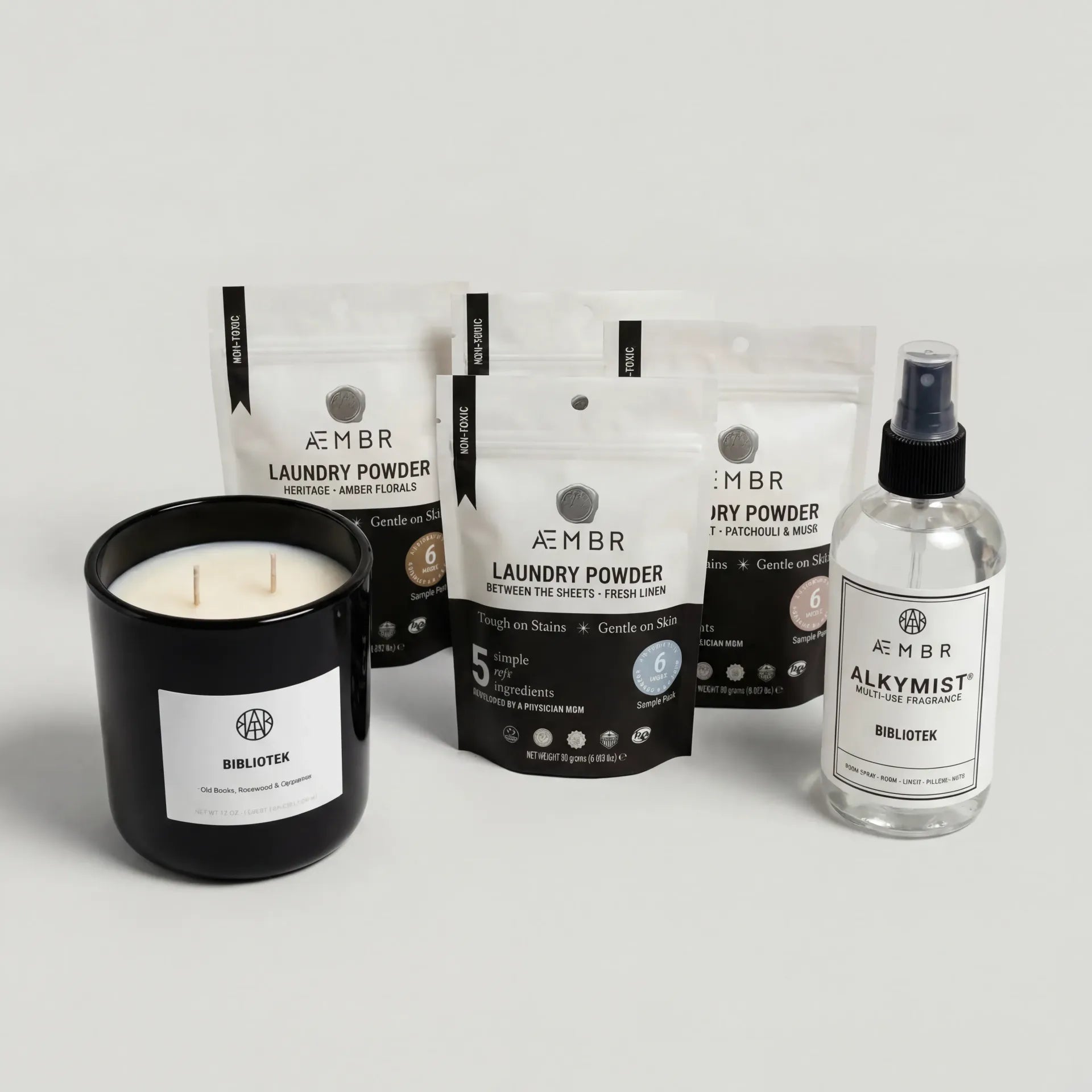
If you want to explore AEMBR's full product range, the full collection is here. And for a personal starting recommendation, the New to AEMBR Bundle is designed as a first step — laundry, room spray, and a candle, so you can experience the full home fragrance ecosystem before expanding your routine.
— Kristina