



Coconut Apricot Wax vs. Soy vs. Paraffin: Which Burns Cleanest?

Coconut Apricot Wax vs. Soy vs. Paraffin: Which Burns Cleanest?
By Kristina Braly, MD — Founder, AEMBR
If you've been reading candle labels lately, you've noticed that "coconut wax," "coconut apricot wax," and "coconut soy blend" have largely displaced "soy" as the premium positioning choice. Meanwhile paraffin — which still makes up the majority of candles sold globally — rarely appears on a label at all, because brands using it generally don't advertise the fact.
Each of these waxes burns differently, holds fragrance differently, and has a different environmental and emissions profile. Here's what the evidence actually supports.
Paraffin Wax
Paraffin is a petroleum-derived wax — a byproduct of crude oil refining. It's been the dominant candle wax for over a century because it's inexpensive, widely available, and technically versatile. It accepts fragrance easily, produces strong scent throw, and is well-understood from a manufacturing standpoint.
The emissions concerns I covered in detail in the candle research piece are most documented for paraffin. Comparative studies consistently find that paraffin candles produce more soot (visible carbonaceous particulate), higher concentrations of polycyclic aromatic hydrocarbons (PAHs), and a broader profile of aromatic VOCs including benzene and toluene than plant-based alternatives under equivalent burn conditions.
The degree to which this matters for health at typical home use levels is genuinely debated — but if you're choosing between comparable candles and the alternative is a plant-based wax, the emissions comparison favors the plant-based option. Paraffin's primary advantages are cost and availability, not burn quality.
Soot output: Higher than plant-based alternatives, especially with oversized wicks.
Scent throw: Strong — paraffin accepts high fragrance loads effectively.
Burn time: Generally comparable to soy; longer than some coconut blends at equivalent sizes.
Sustainability: Petroleum-derived; not renewable.
Cost: Lowest of the three categories.
Soy Wax
Soy wax emerged in the 1990s as an alternative to paraffin, derived from hydrogenated soybean oil. It became the "natural candle" default of the 2000s and 2010s and is still widely used in artisan and mass-market natural candle lines.
Soy wax burns cooler and slower than paraffin, which produces longer burn times and lower soot output. The combustion emissions profile is cleaner than paraffin — fewer PAHs, lower aromatic VOC concentrations in most studies. These advantages are real and consistently documented.
The limitations of soy wax are less often discussed. Soy has weaker cold and hot throw than paraffin — it holds less fragrance by weight and releases fragrance less aggressively during burn. This is why soy candles are sometimes described as "subtle" or "delicate" in scent — and why some soy candle makers add paraffin or other waxes to improve performance, without necessarily disclosing that on the label.
The sustainability picture for soy is also more complicated than its "natural" positioning implies. The majority of commercial soy wax is derived from U.S. soybean crops that are predominantly GMO and grown with significant pesticide and herbicide inputs. Soy agriculture is associated with land use concerns, particularly in South America. "Soy" is not a synonym for "sustainably sourced," and the environmental math depends heavily on agricultural sourcing.
Soot output: Lower than paraffin; higher than coconut-based waxes in most comparisons.
Scent throw: Moderate — weaker than paraffin, acceptable for many applications.
Burn time: Longer than paraffin by ~20–30% at equivalent sizes due to cooler burn temperature.
Sustainability: Renewable, but agricultural sourcing matters; most commercial soy is conventionally farmed.
Cost: Mid-range — higher than paraffin, lower than coconut blends.
Coconut Wax and Coconut Apricot Wax
Coconut wax is derived from the hydrogenated oil of coconut meat. It's significantly more expensive than either paraffin or soy, which is why it's primarily found in premium candle lines. The higher cost reflects both the raw material price and the more limited global supply relative to petroleum or soybeans.
The burn characteristics of coconut wax are genuinely superior on several measures. Coconut wax burns at a lower temperature than either paraffin or soy, producing the cleanest combustion of the three wax categories — lowest soot output, fewest PAHs, and minimal aromatic VOC emissions in comparative testing. The slow, cool burn also translates to the longest burn times of the three wax types at equivalent sizes.
Coconut wax has excellent fragrance-holding capacity despite its clean burn — it accepts high fragrance loads without the performance trade-off that soy wax can involve. The result is strong hot throw (the scent released while burning) alongside cleaner combustion, a combination that's difficult to achieve with other wax types.
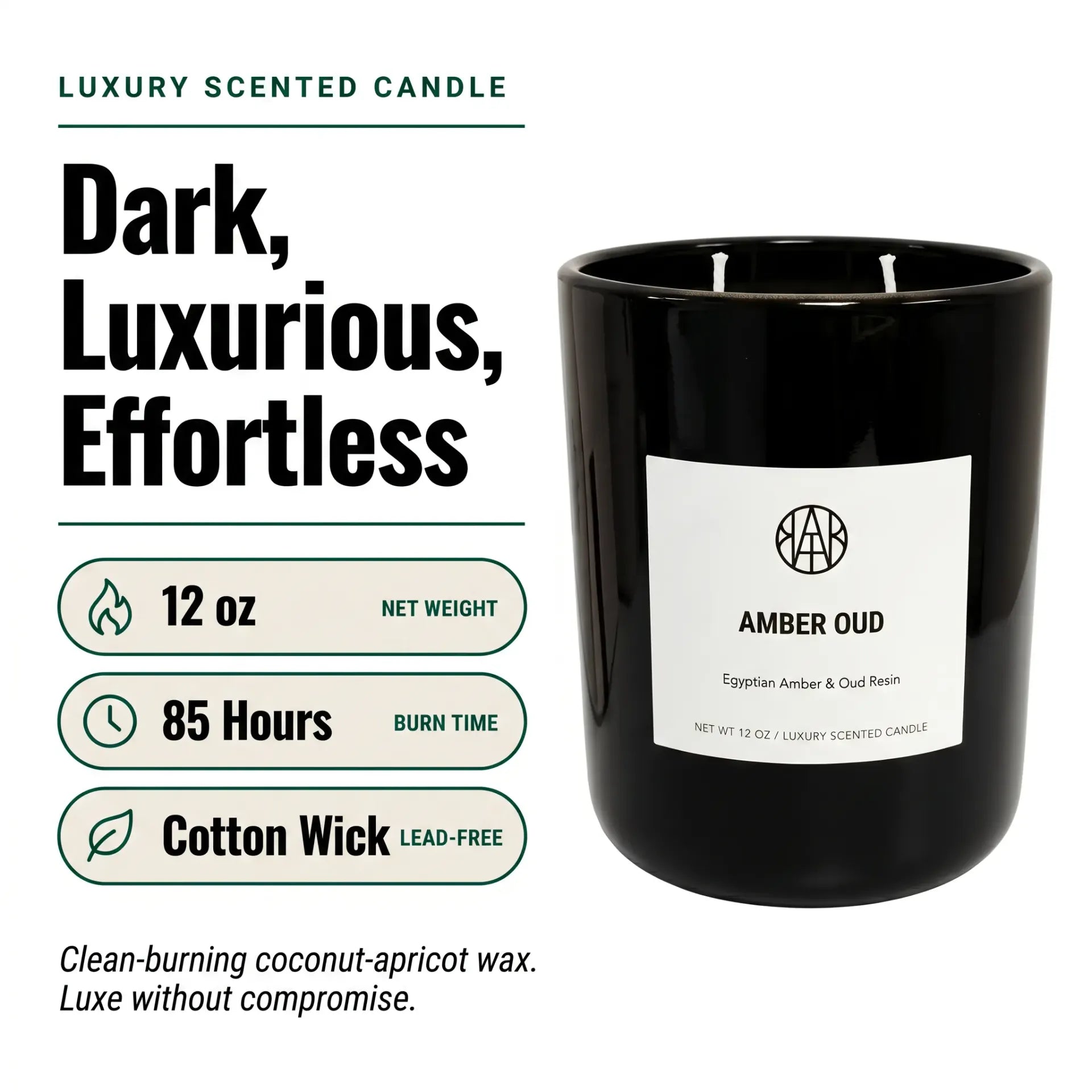
Coconut apricot wax is a blended formulation — typically coconut wax combined with apricot kernel oil (a fruit wax derived from apricot pits). The blend modifies the texture and performance characteristics of pure coconut wax, producing a creamier, smoother-pulling wax with slightly improved cold throw (the scent at room temperature, unlit). Most premium candle makers using "coconut apricot wax" are using a proprietary blend formulated for specific performance targets — the ratio varies by manufacturer.
The sustainability profile of coconut wax is generally favorable. Coconut palms are productive trees with long lifespans, grown primarily in tropical regions without the monoculture agricultural concerns associated with soy. Responsible sourcing certification (e.g., RSPO for palm-family products) remains worth looking for, but coconut's baseline environmental profile compares well to both paraffin and conventional soy.
Soot output: Lowest of the three categories in comparative studies.
Scent throw: Strong — high fragrance load capacity with good hot and cold throw.
Burn time: Longest of the three — low burn temperature extends candle life.
Sustainability: Most favorable baseline; sourcing certification adds further assurance.
Cost: Highest — reflects premium raw material pricing.
Head-to-Head Comparison
| Wax Type | Soot Output | Scent Throw | Burn Time | Sustainability | Cost |
|---|---|---|---|---|---|
| Paraffin | High | Strong | Moderate | Poor (petroleum) | Lowest |
| Soy | Moderate | Moderate | Long | Mixed (farming practices) | Mid |
| Coconut / Coconut Apricot | Lowest | Strong | Longest | Best baseline | Highest |
What "Coconut Wax" on a Label Actually Tells You
A few things worth noting when you're reading candle labels:
"Coconut wax" doesn't mean 100% coconut wax. Most candles described as "coconut wax" use a blend — coconut wax combined with soy, paraffin, or other waxes to modify performance characteristics and reduce cost. There's no labeling requirement to disclose the ratio. A candle that is 30% coconut wax and 70% paraffin can legally describe itself as "made with coconut wax." Ask the brand what the wax formula actually is if this matters to you.
Wax is only part of the emissions picture. The fragrance load, fragrance composition, and wick sizing affect the burn as much as the wax type. A coconut wax candle with an oversized wick and high synthetic fragrance load may not burn as cleanly as a soy candle properly wicked and fragrance-loaded. Wax type is the most significant variable, but it's not the only one.
The comparison table above assumes equivalent wick and fragrance conditions. Real-world candles vary on all these dimensions simultaneously, which is why comparative testing under controlled conditions tells you more than label claims.
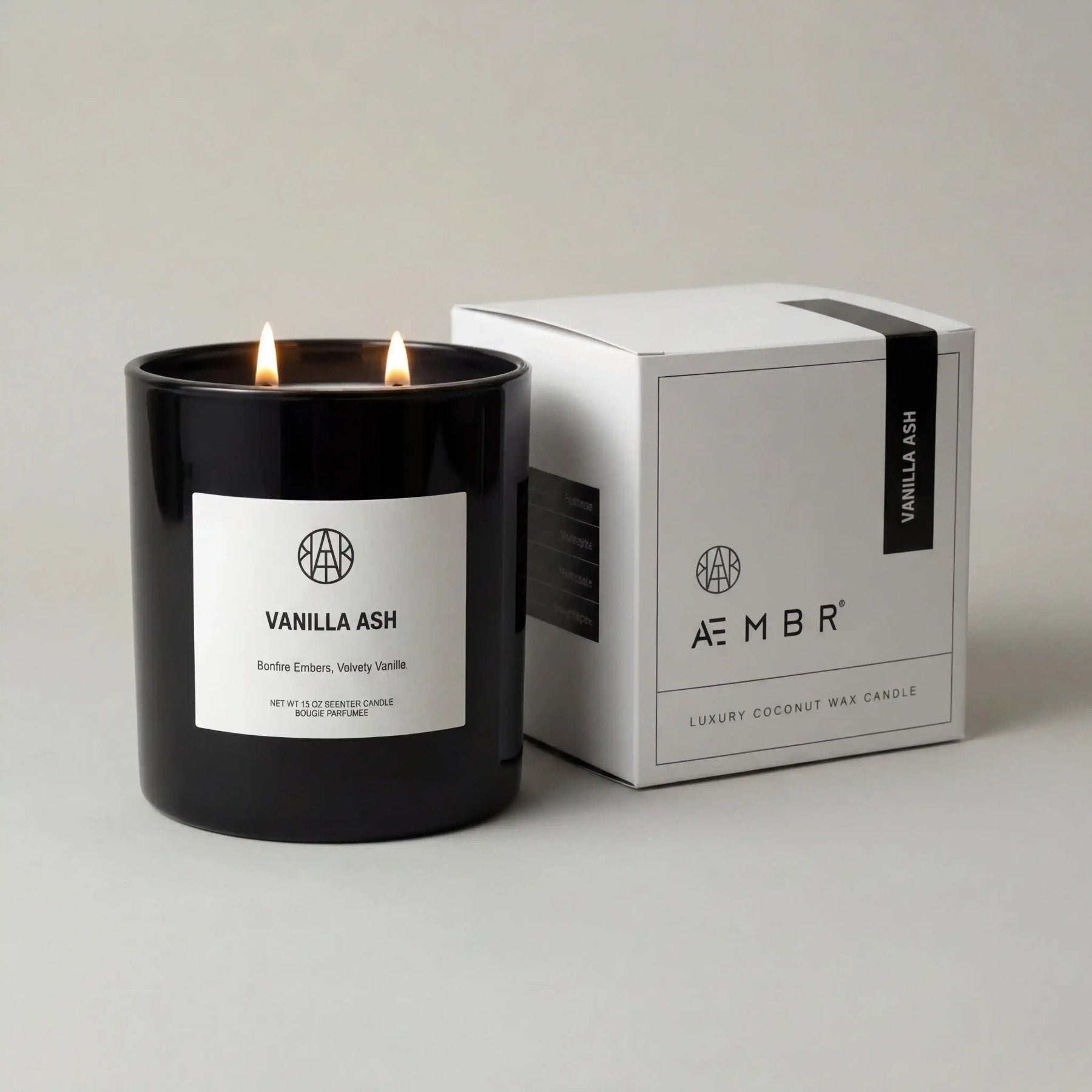
Why AEMBR Uses Coconut Apricot Wax
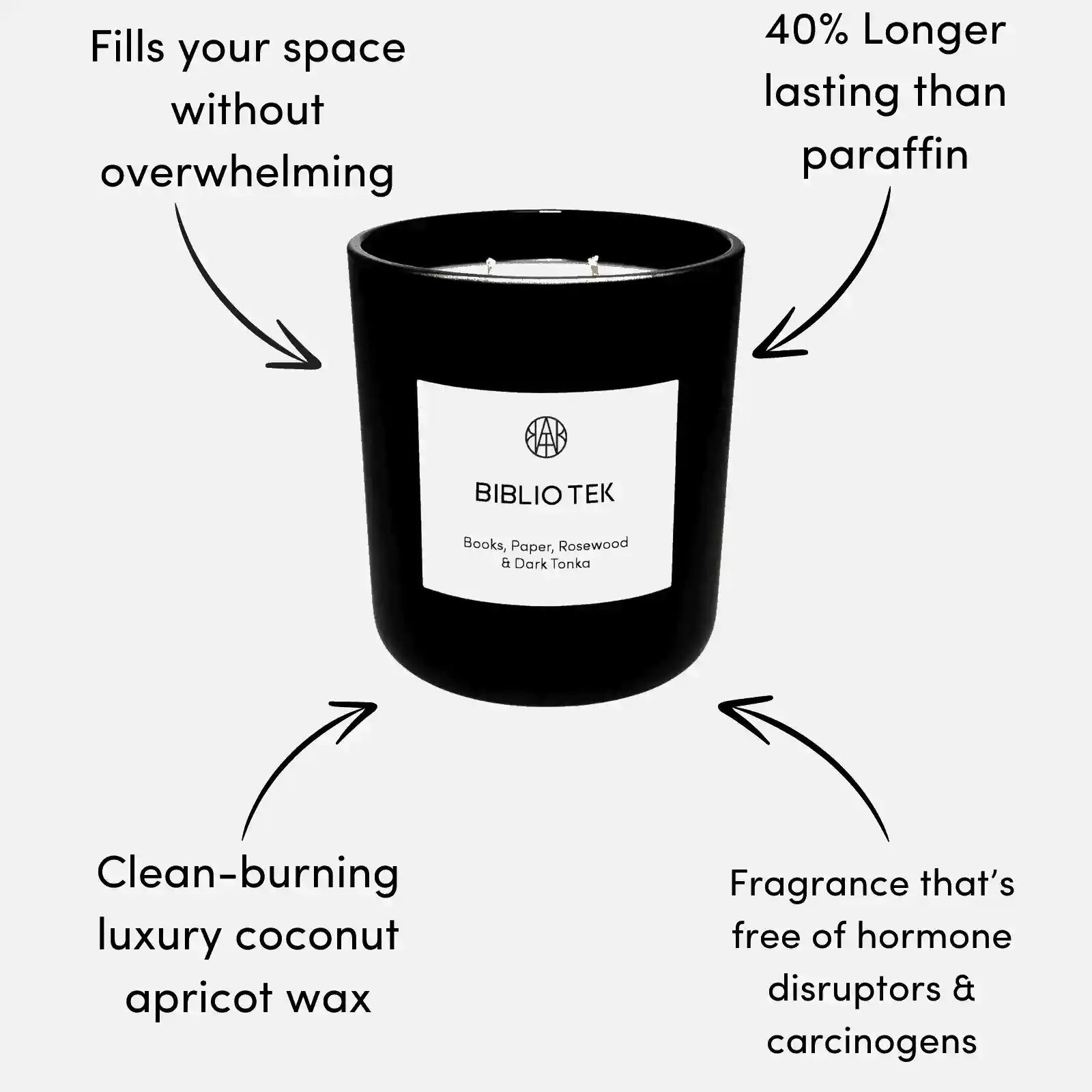
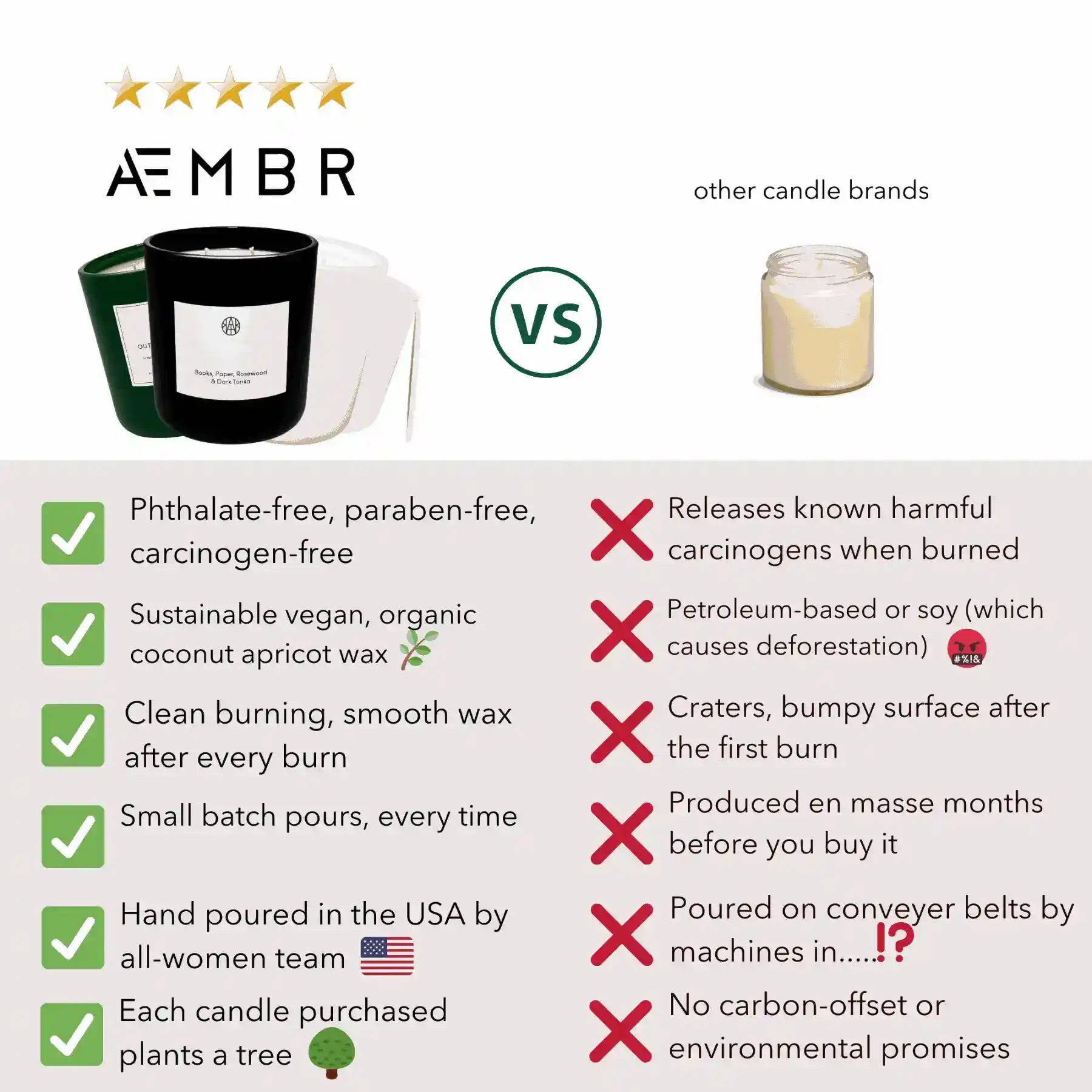
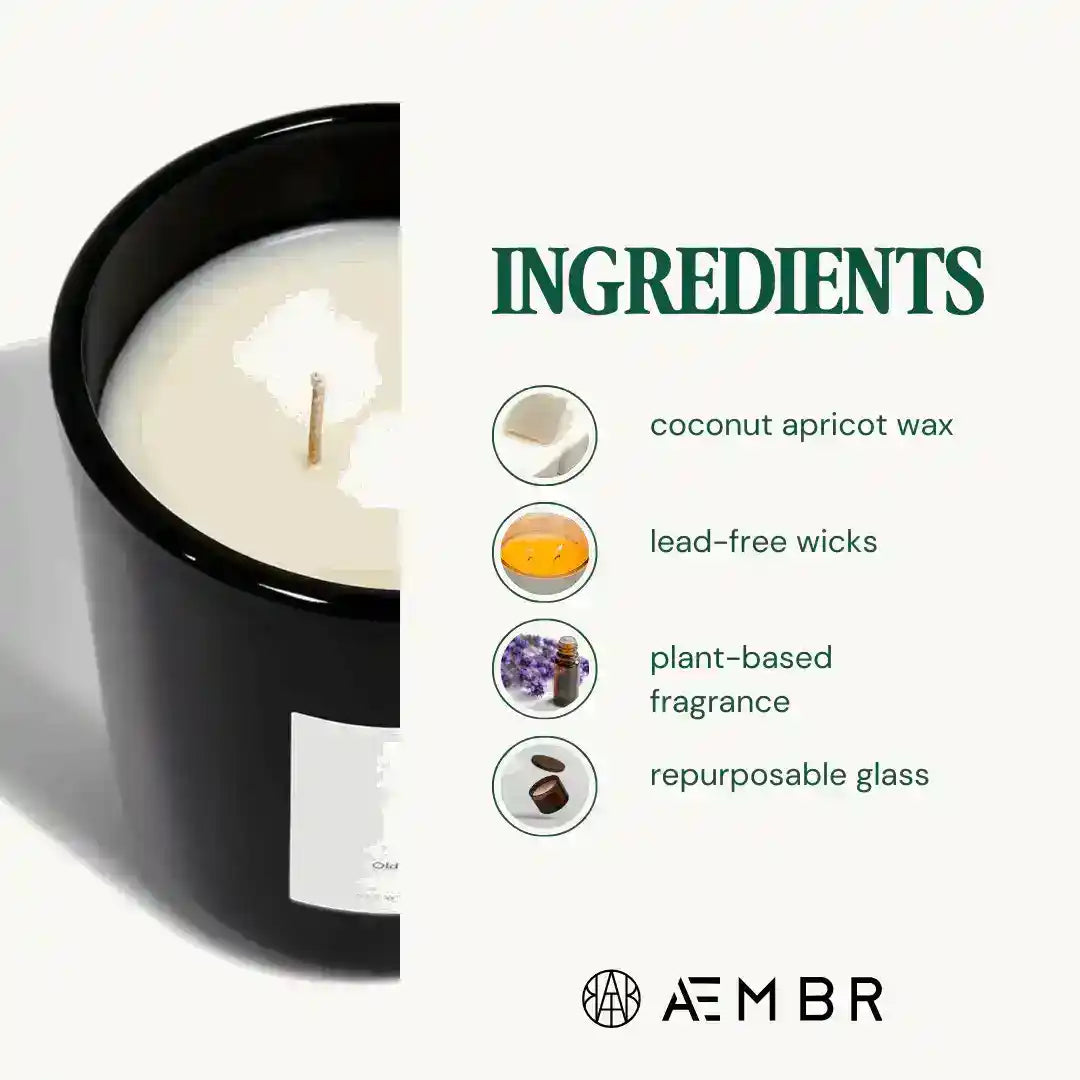
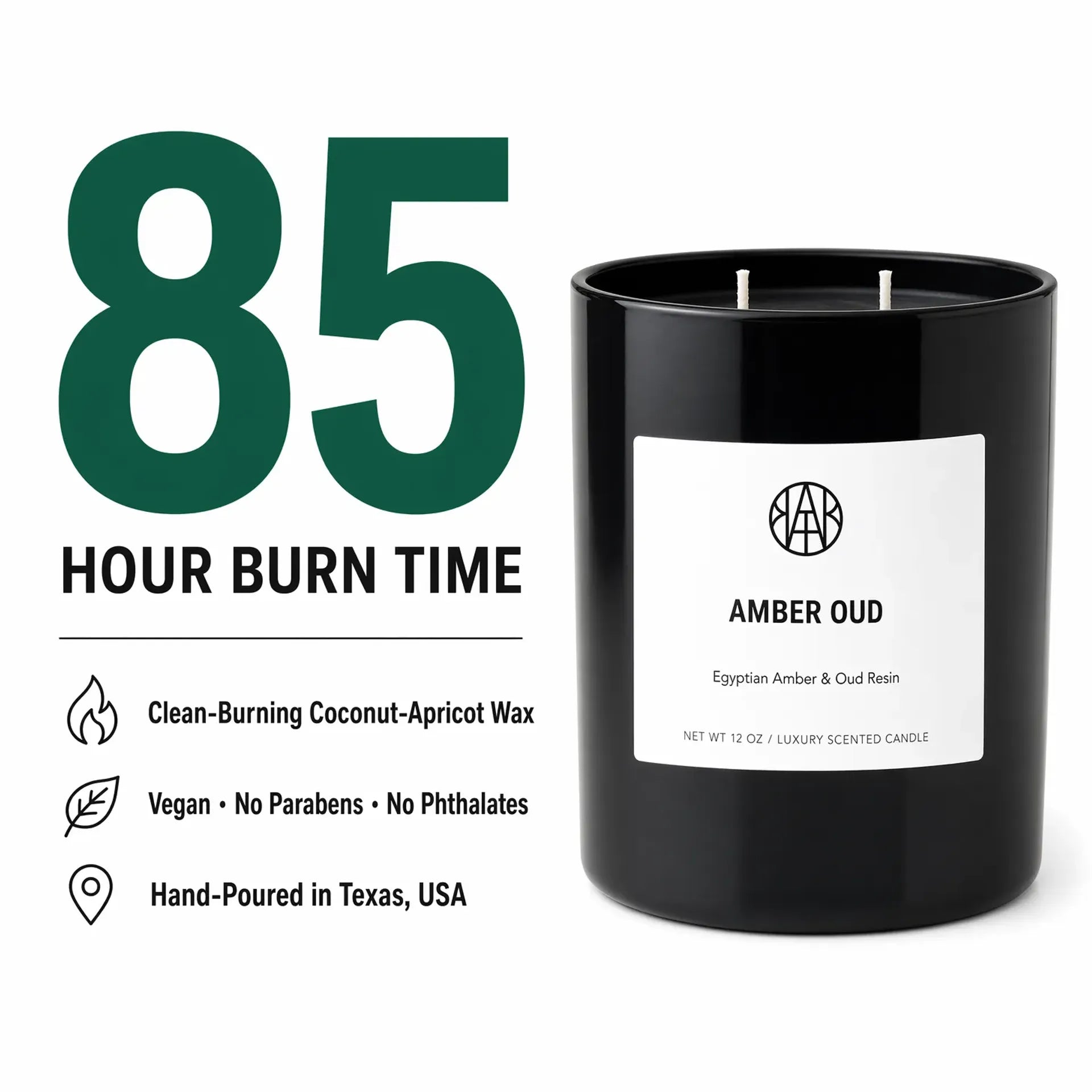
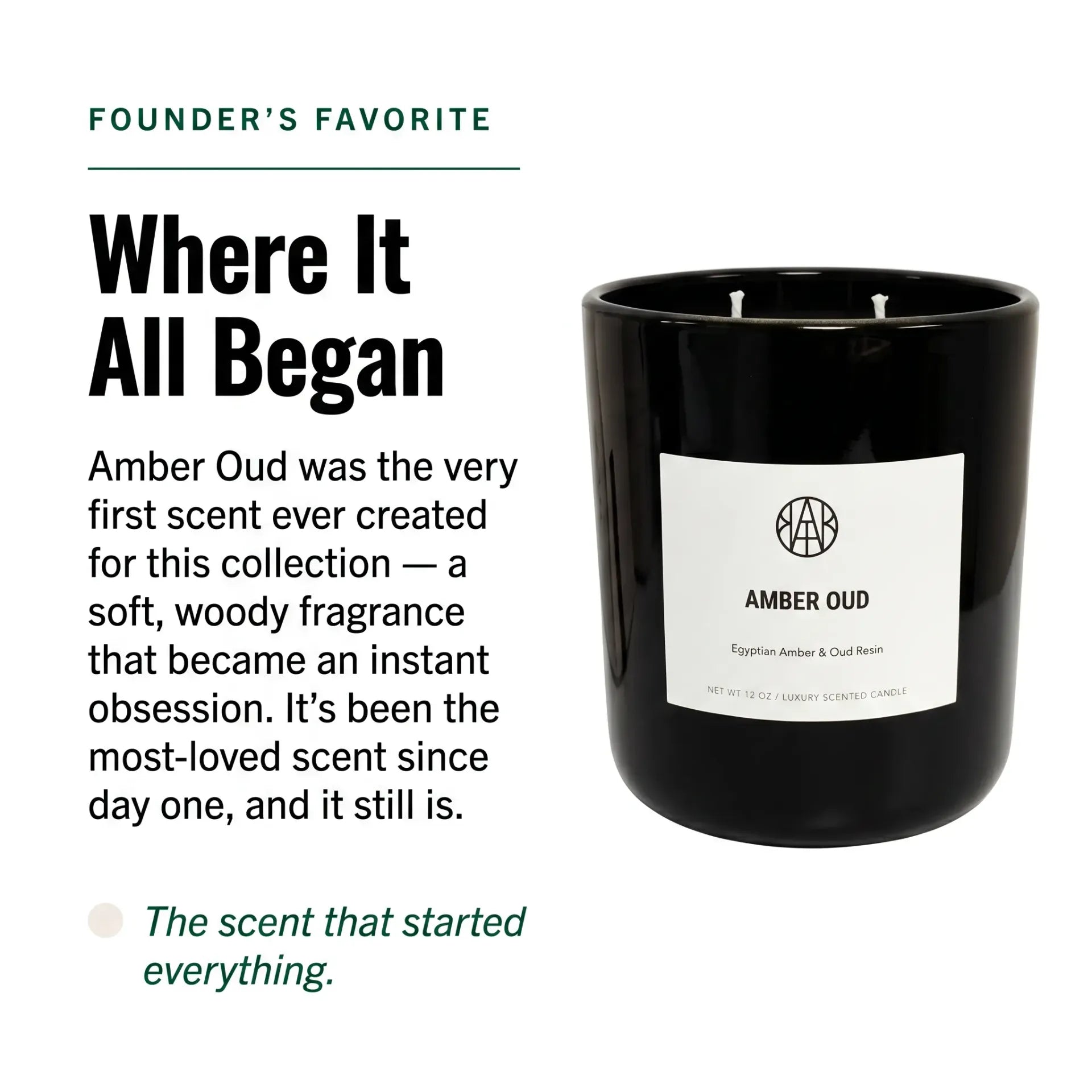
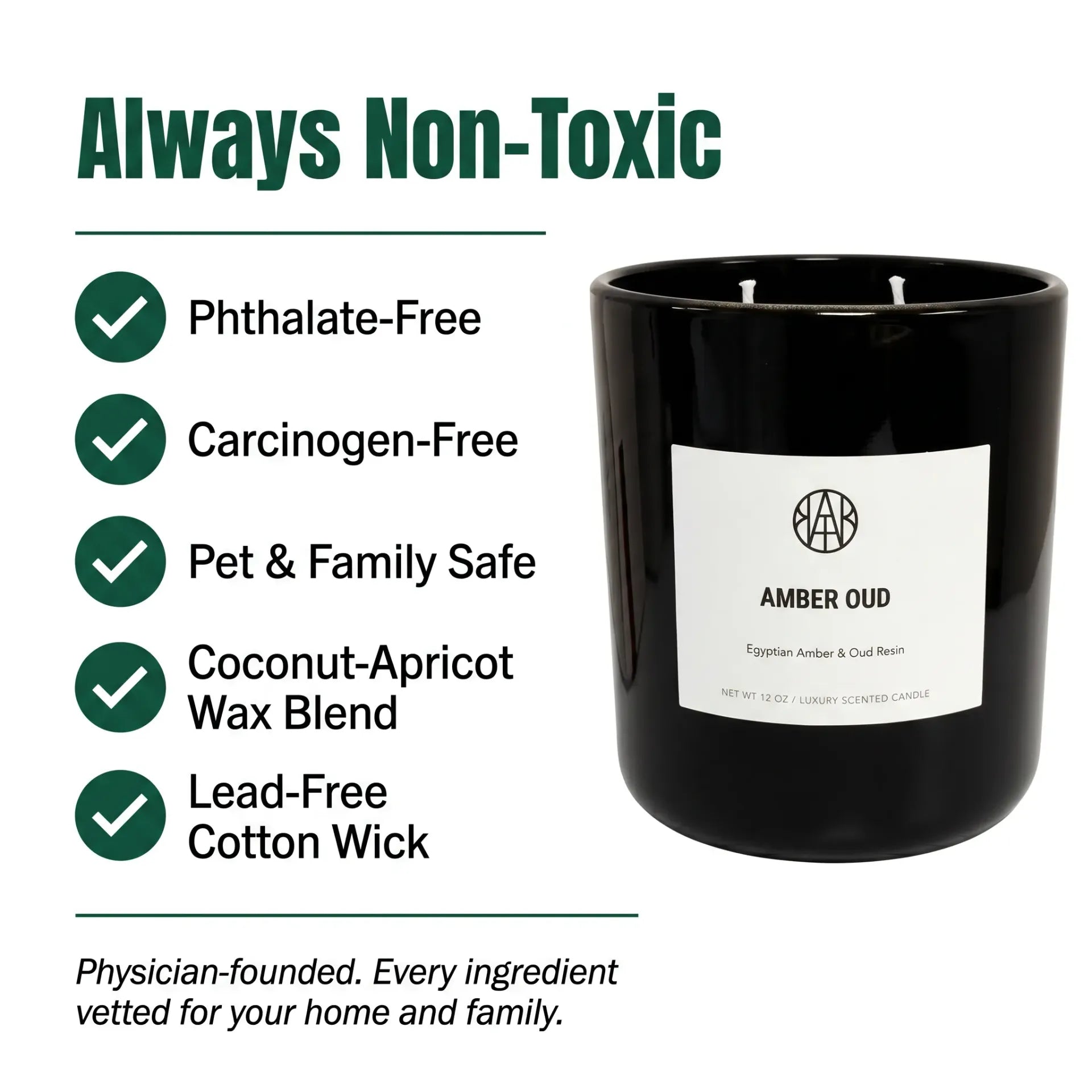
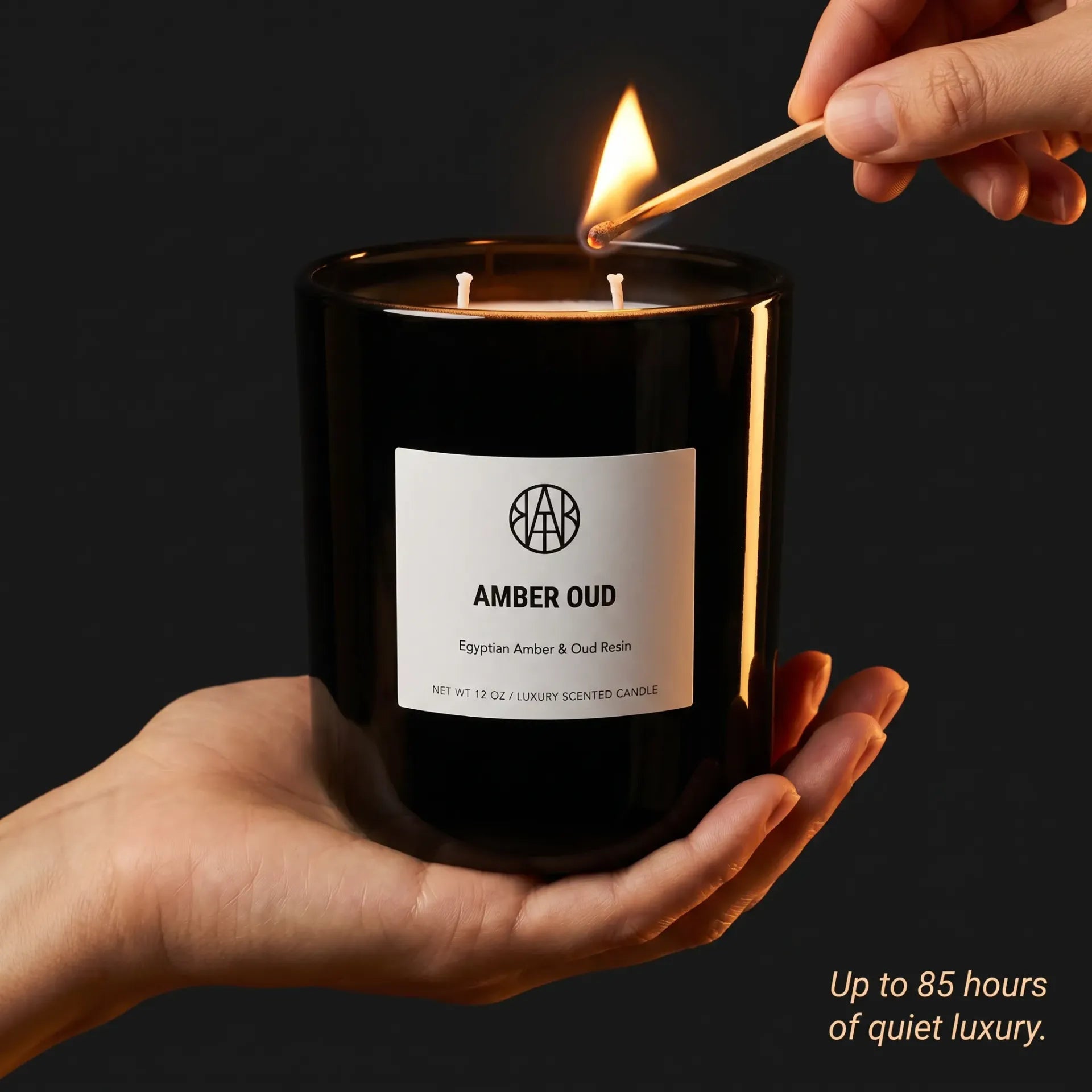
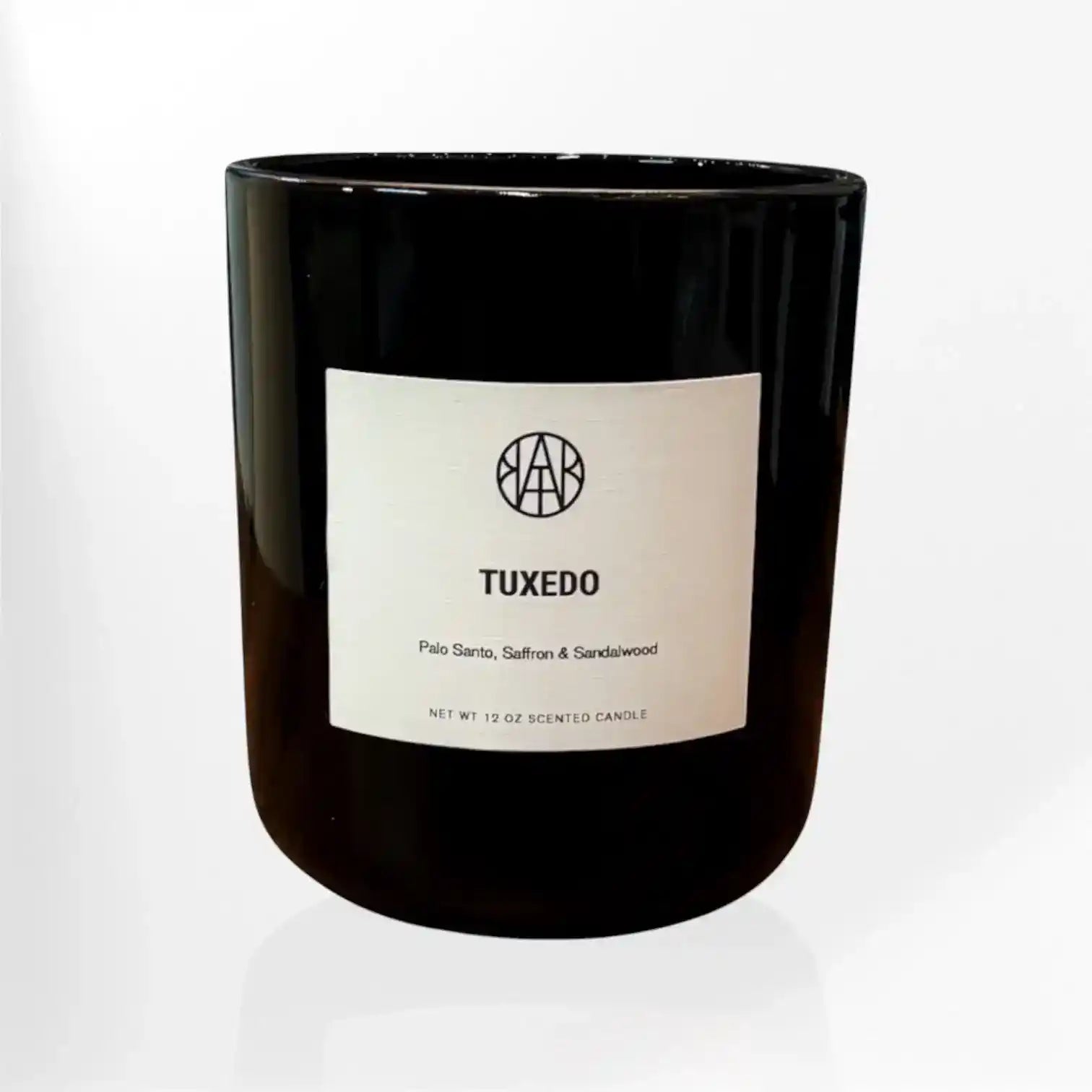
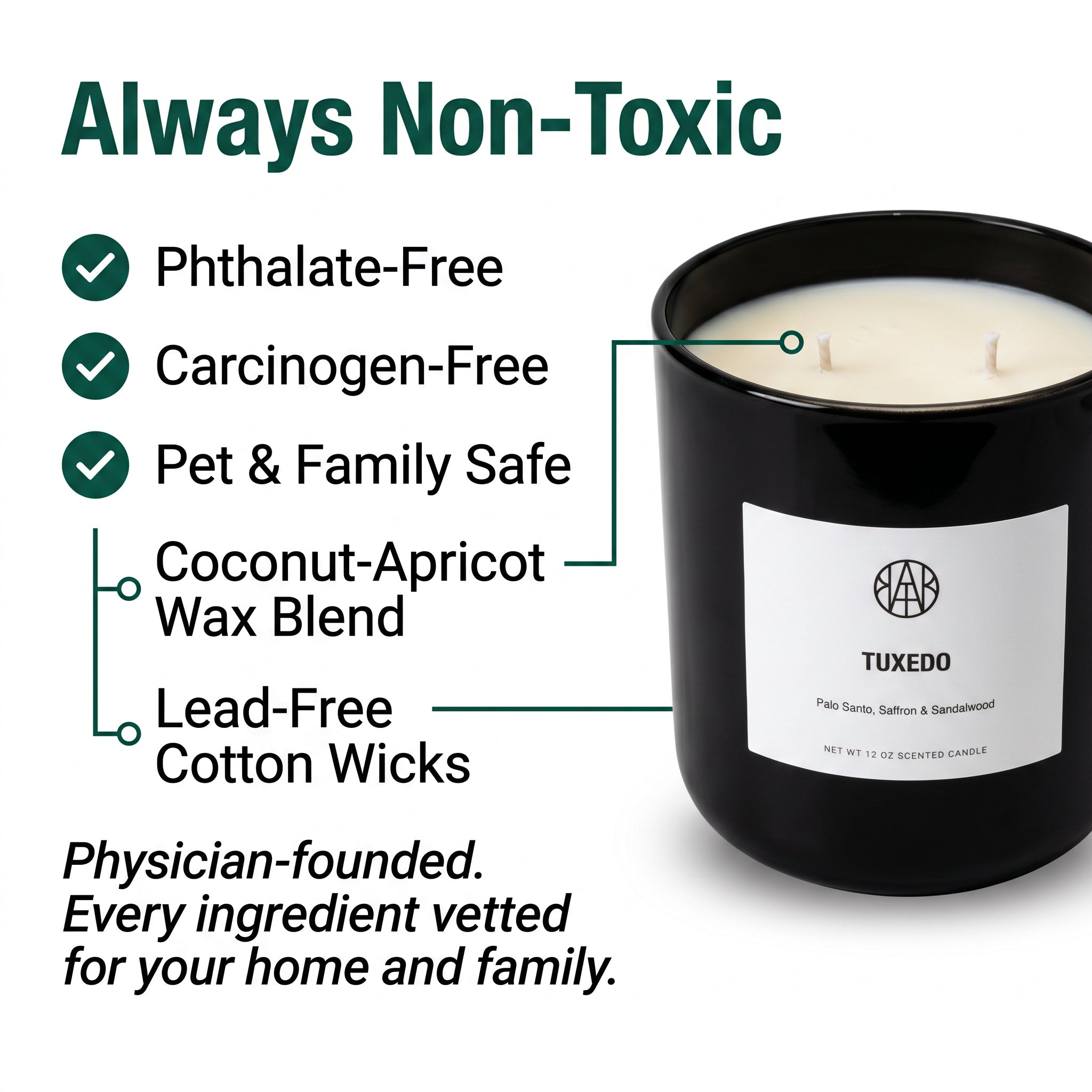
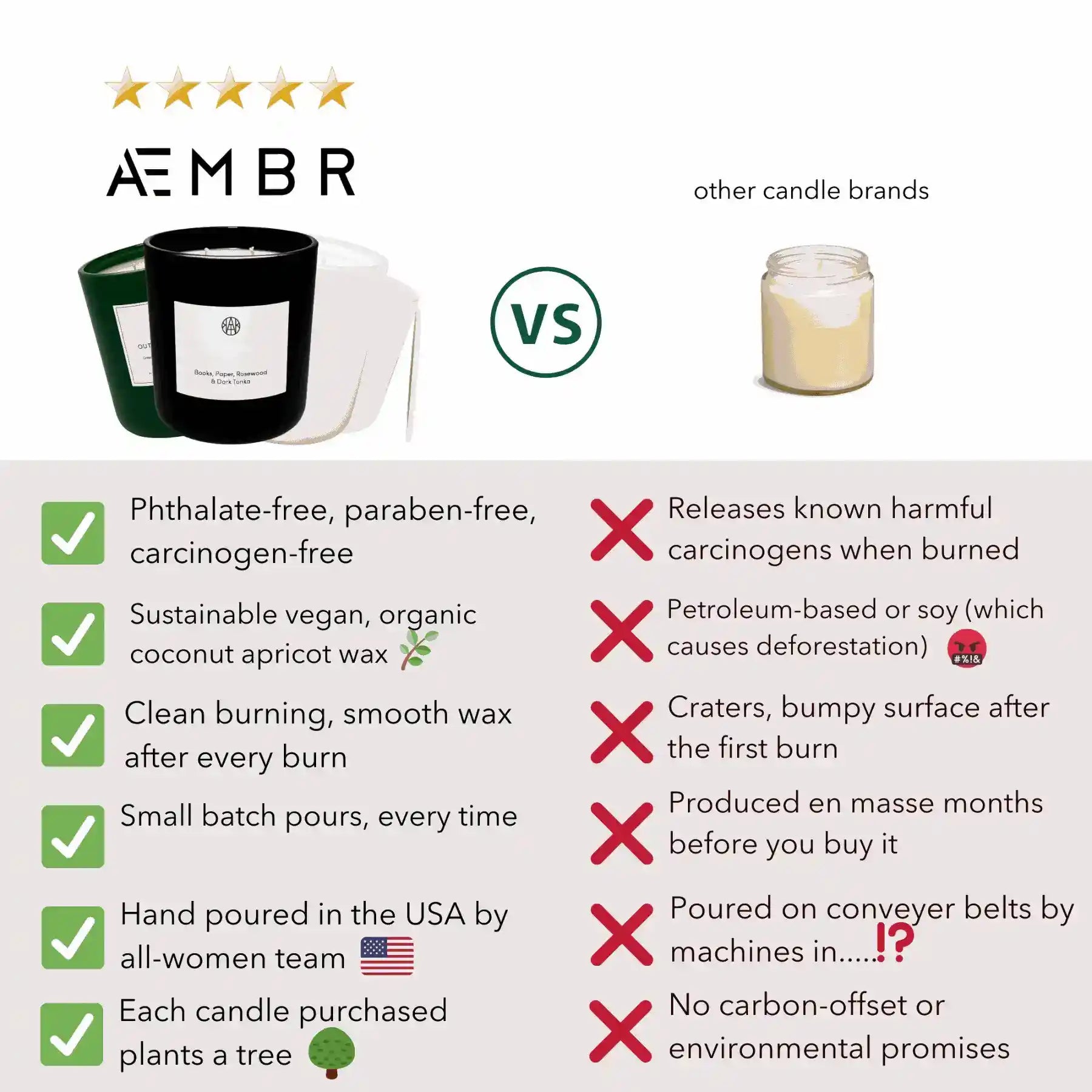
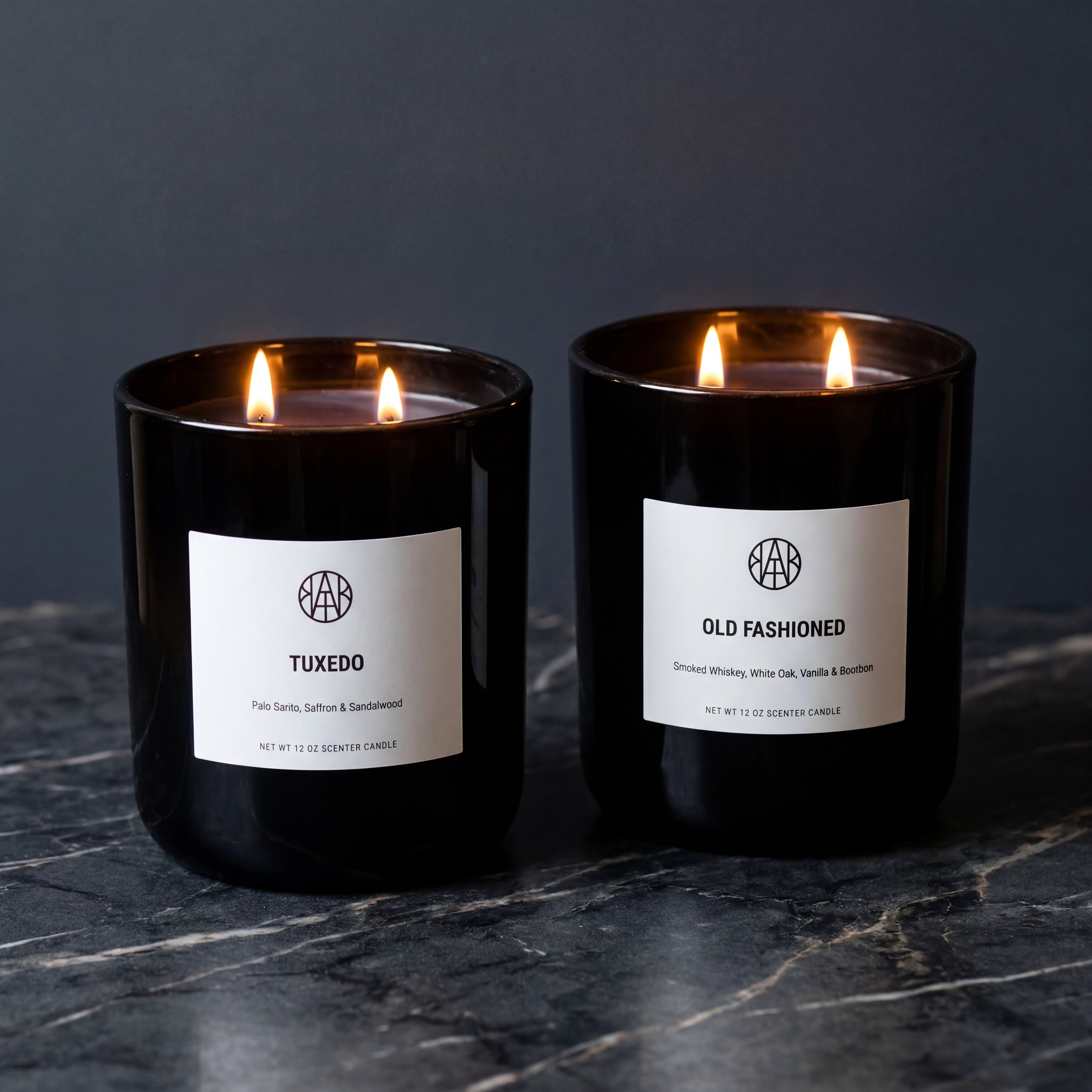
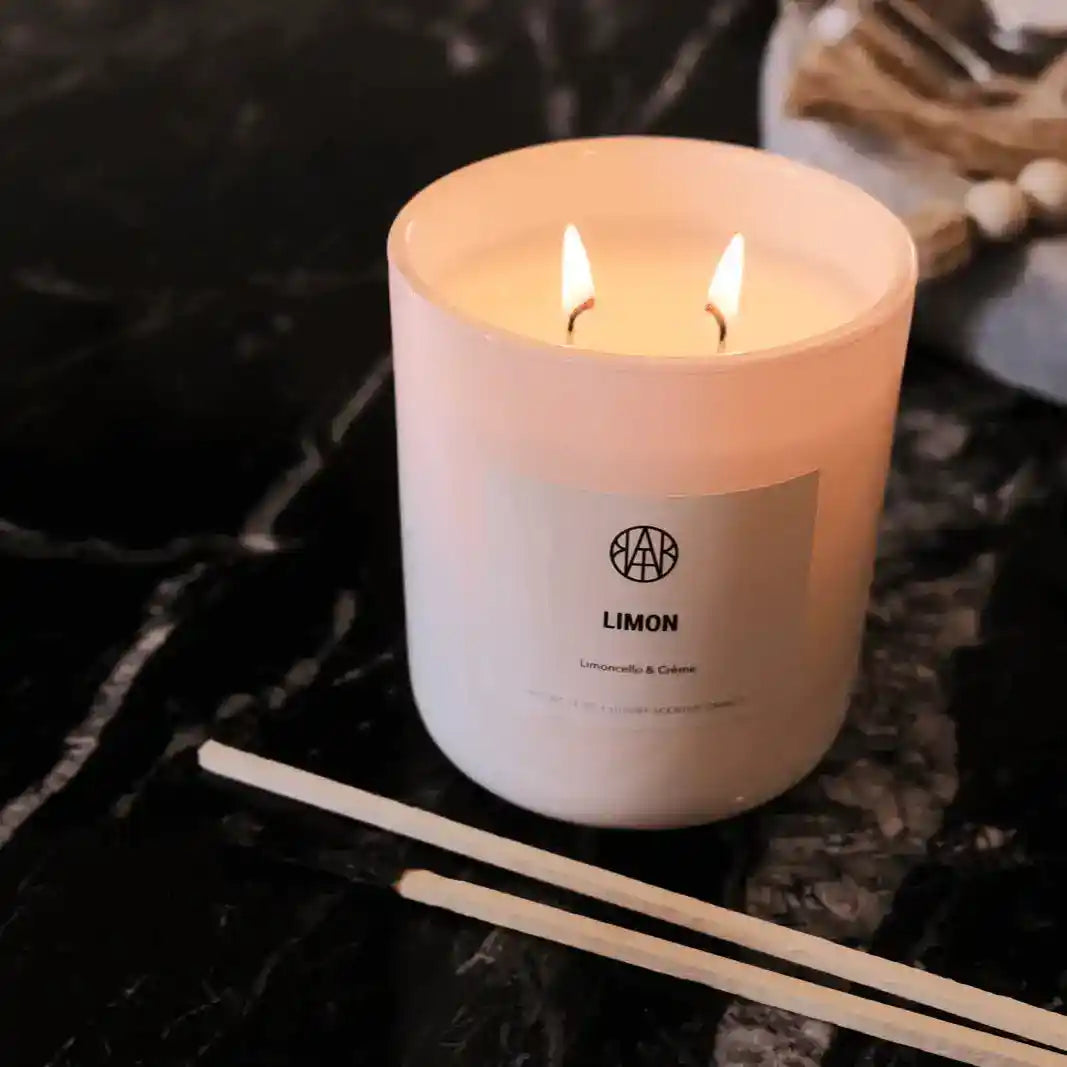
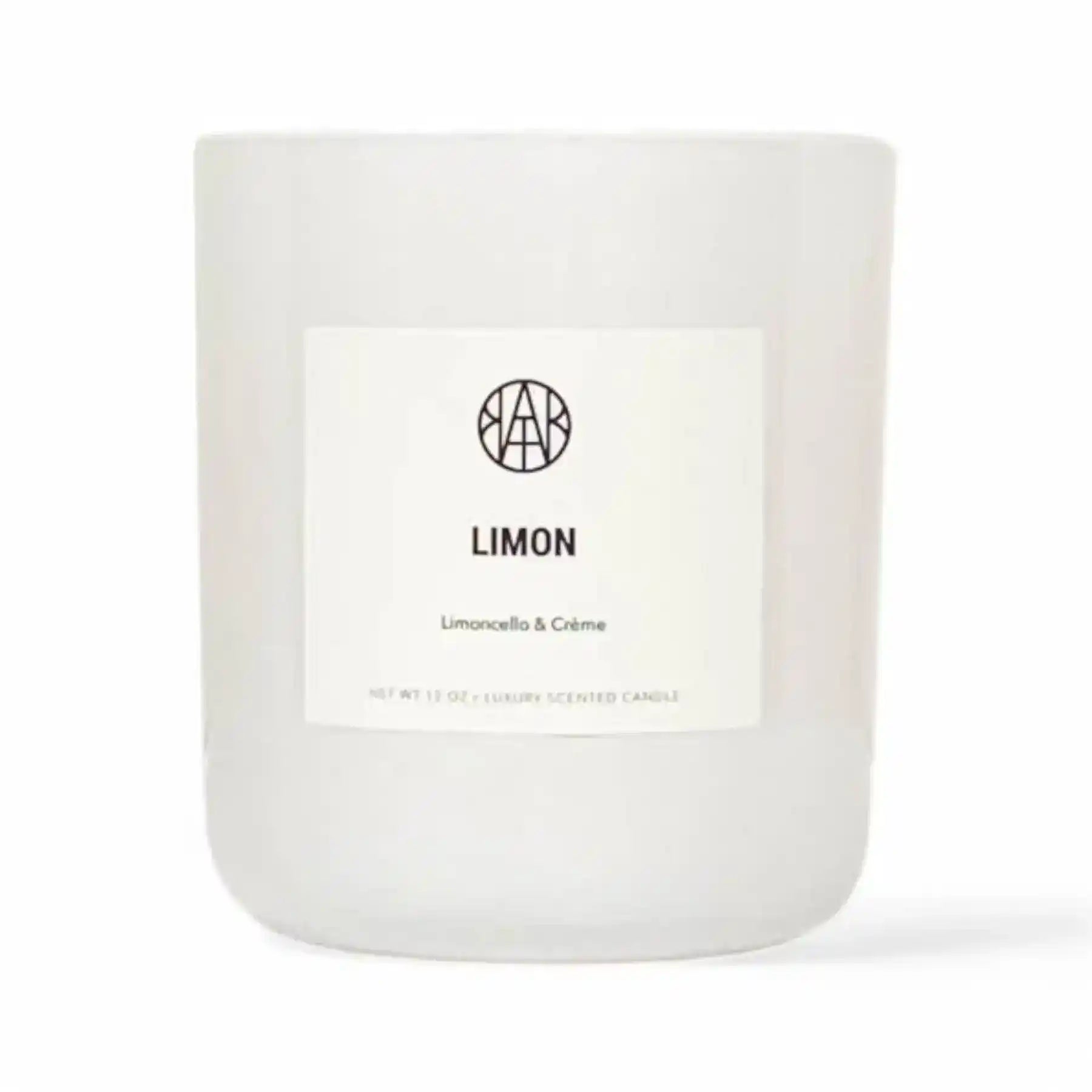
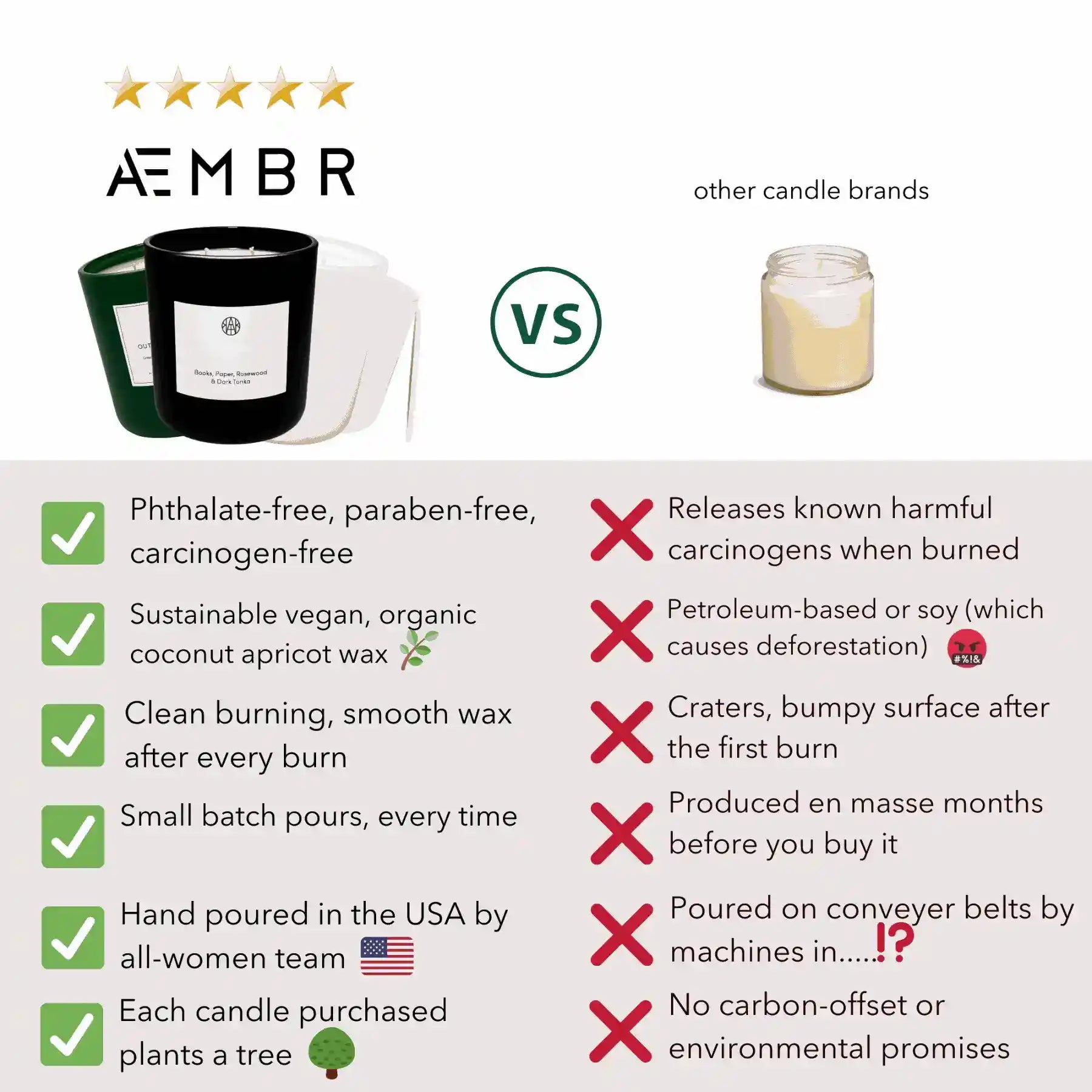
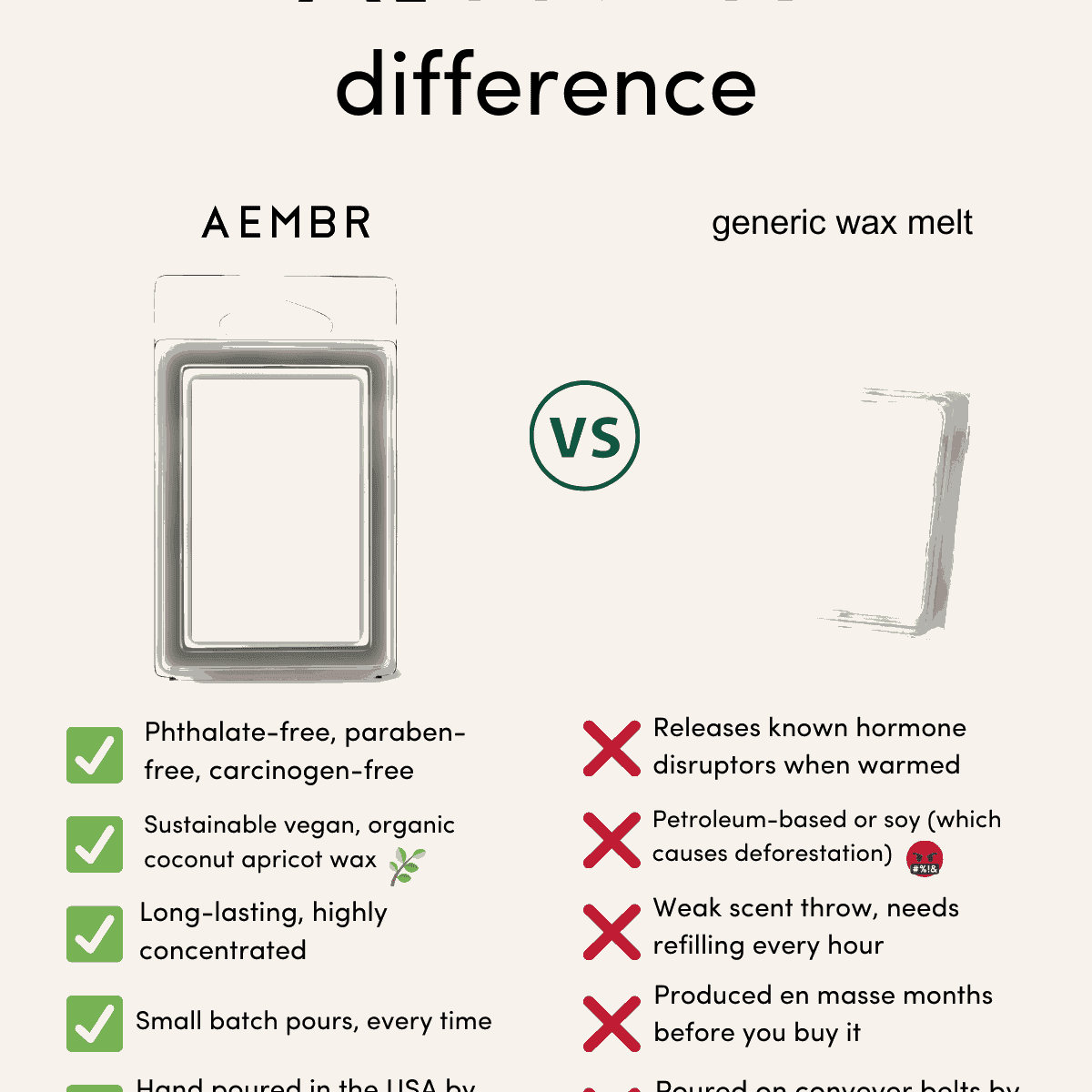
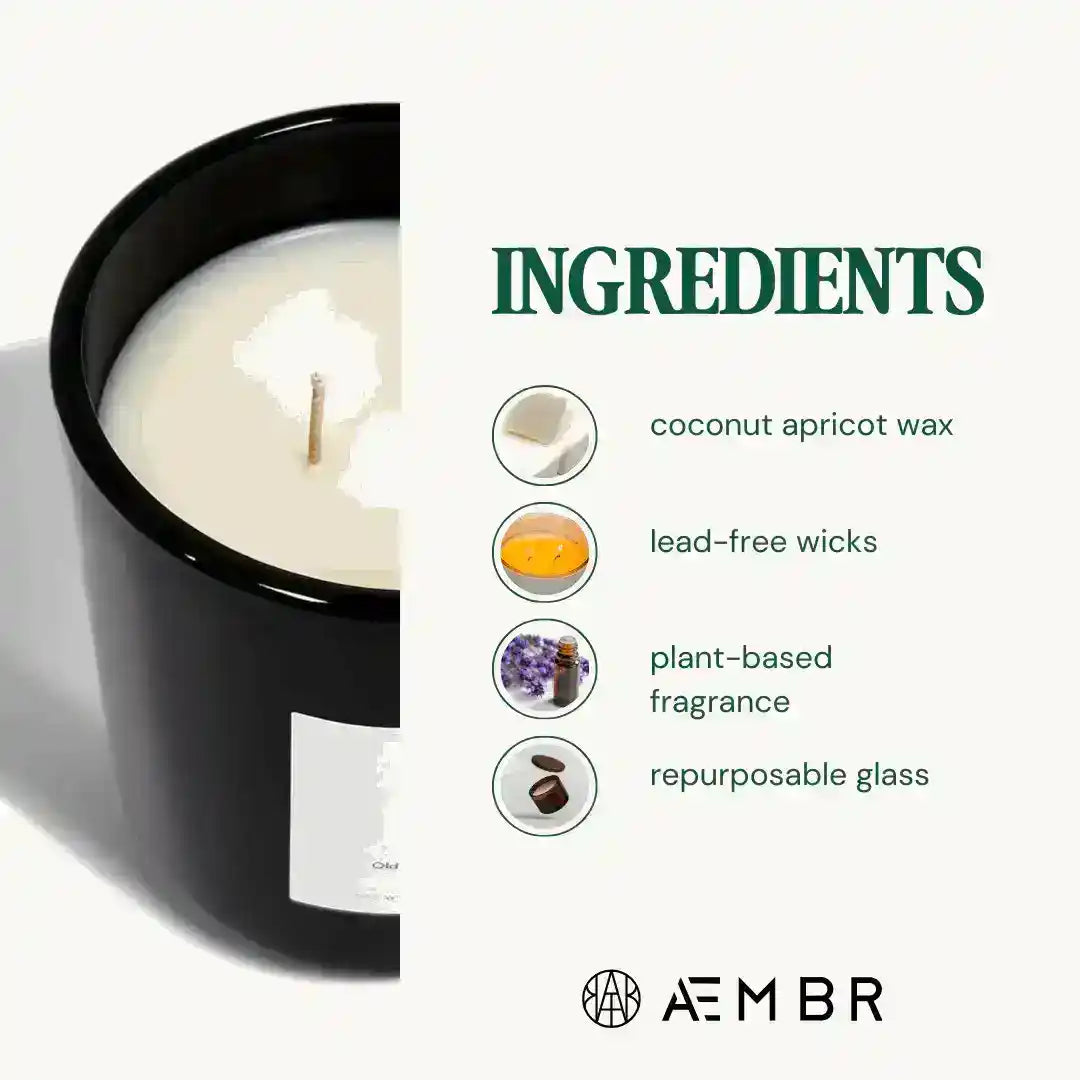
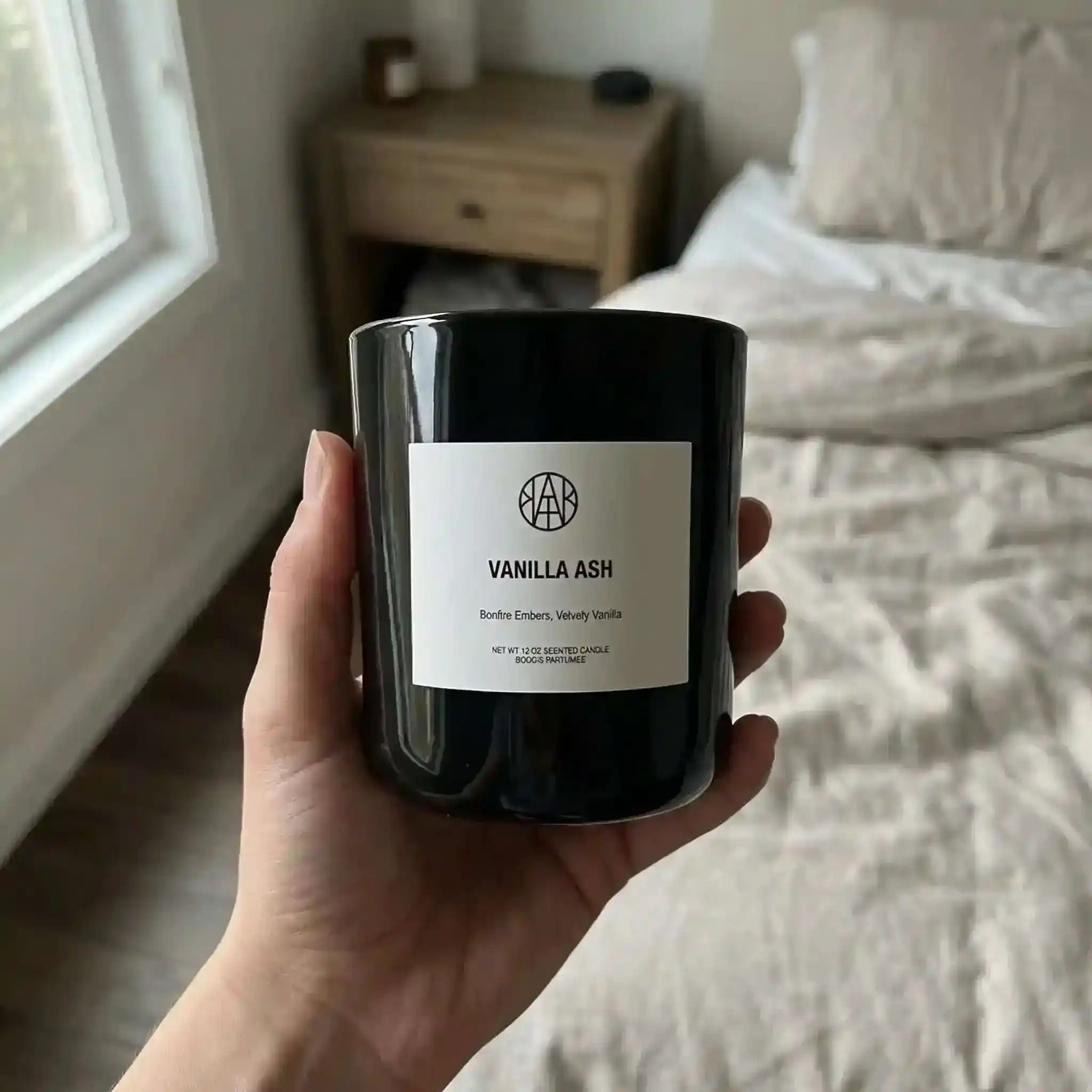
The short version: it's the wax type with the best documented clean burn performance, the strongest fragrance hold at that performance level, and the most favorable sustainability profile. The higher cost is a real trade-off — it's part of why AEMBR candles are priced where they are. But the clean burn outcome is what I was unwilling to compromise on when I was formulating.
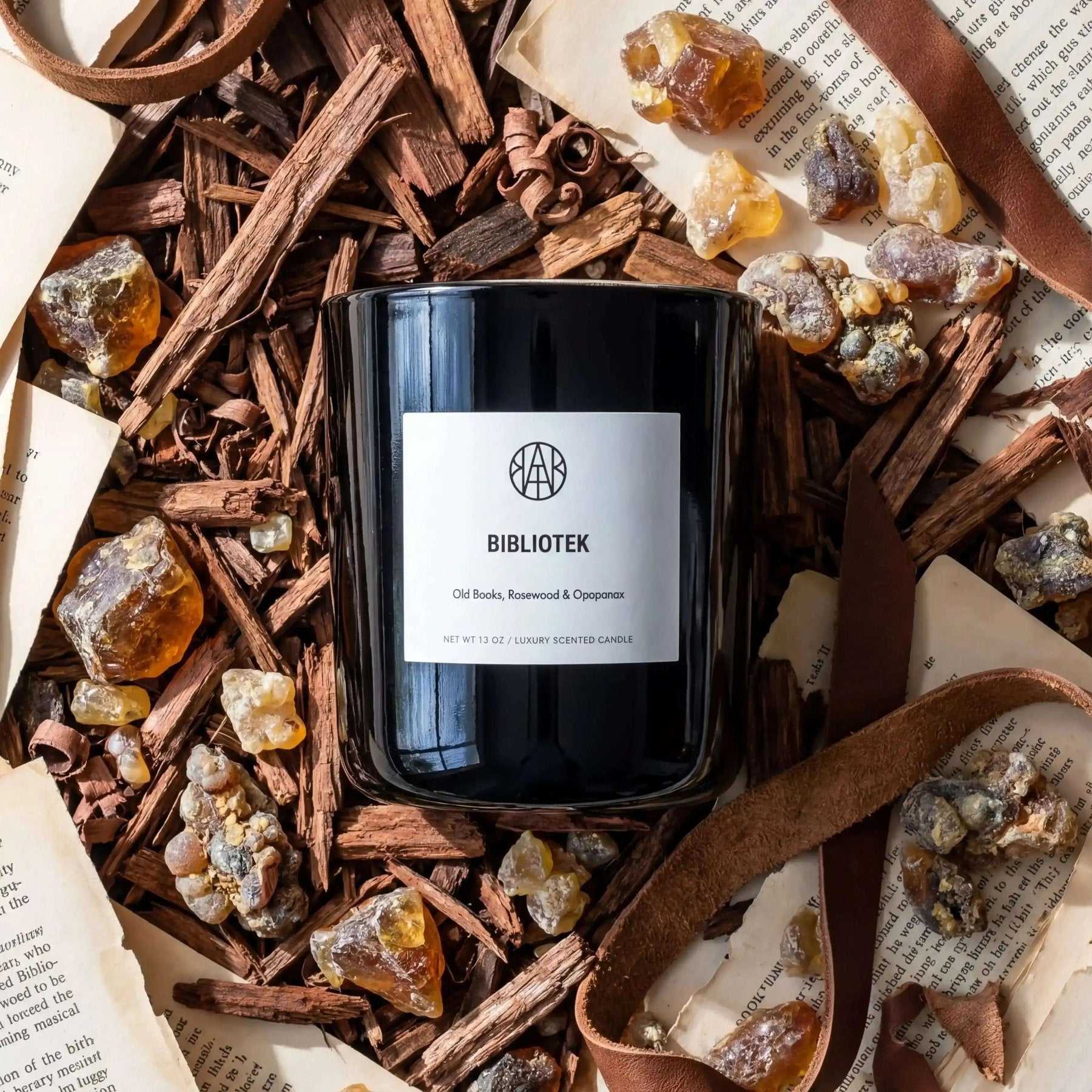
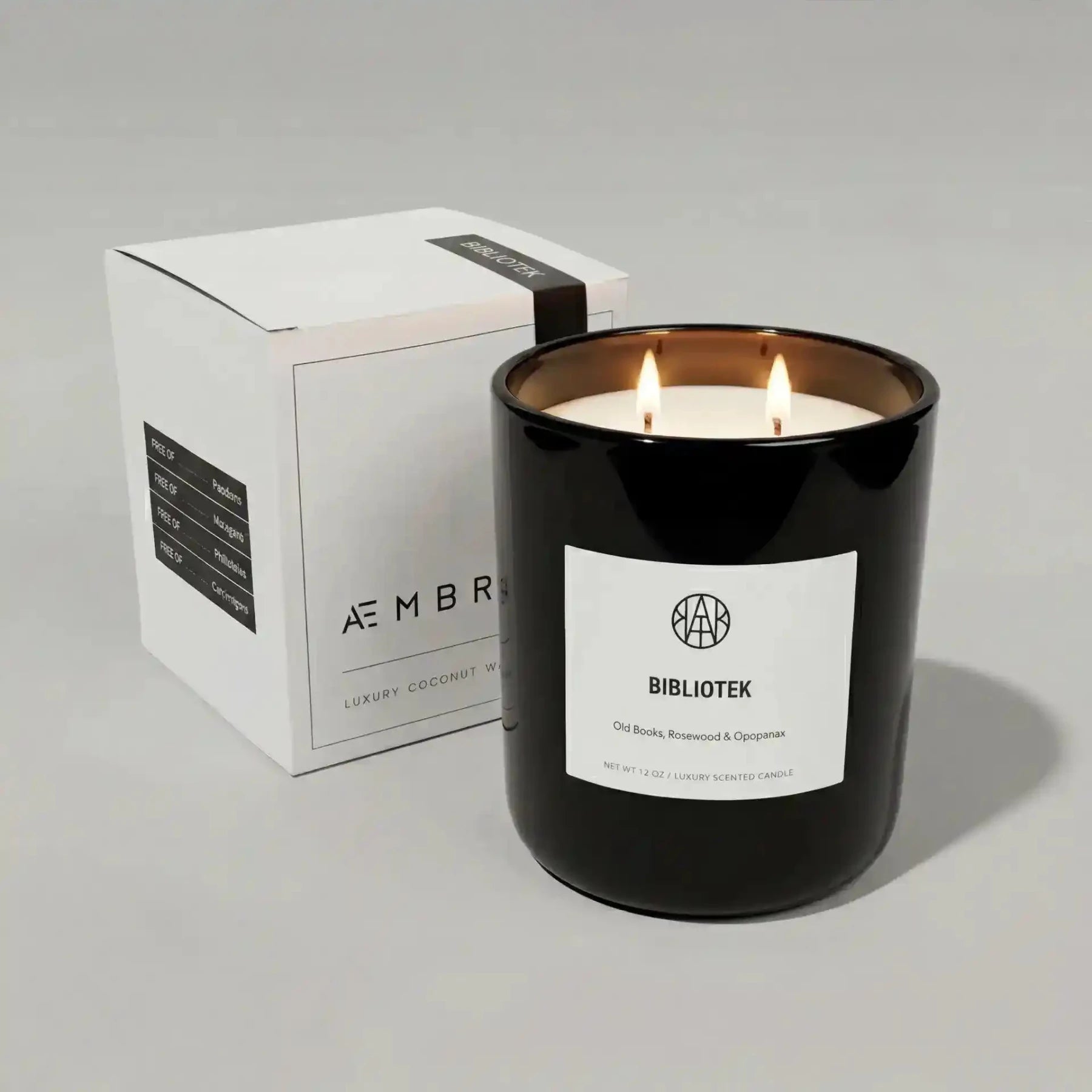
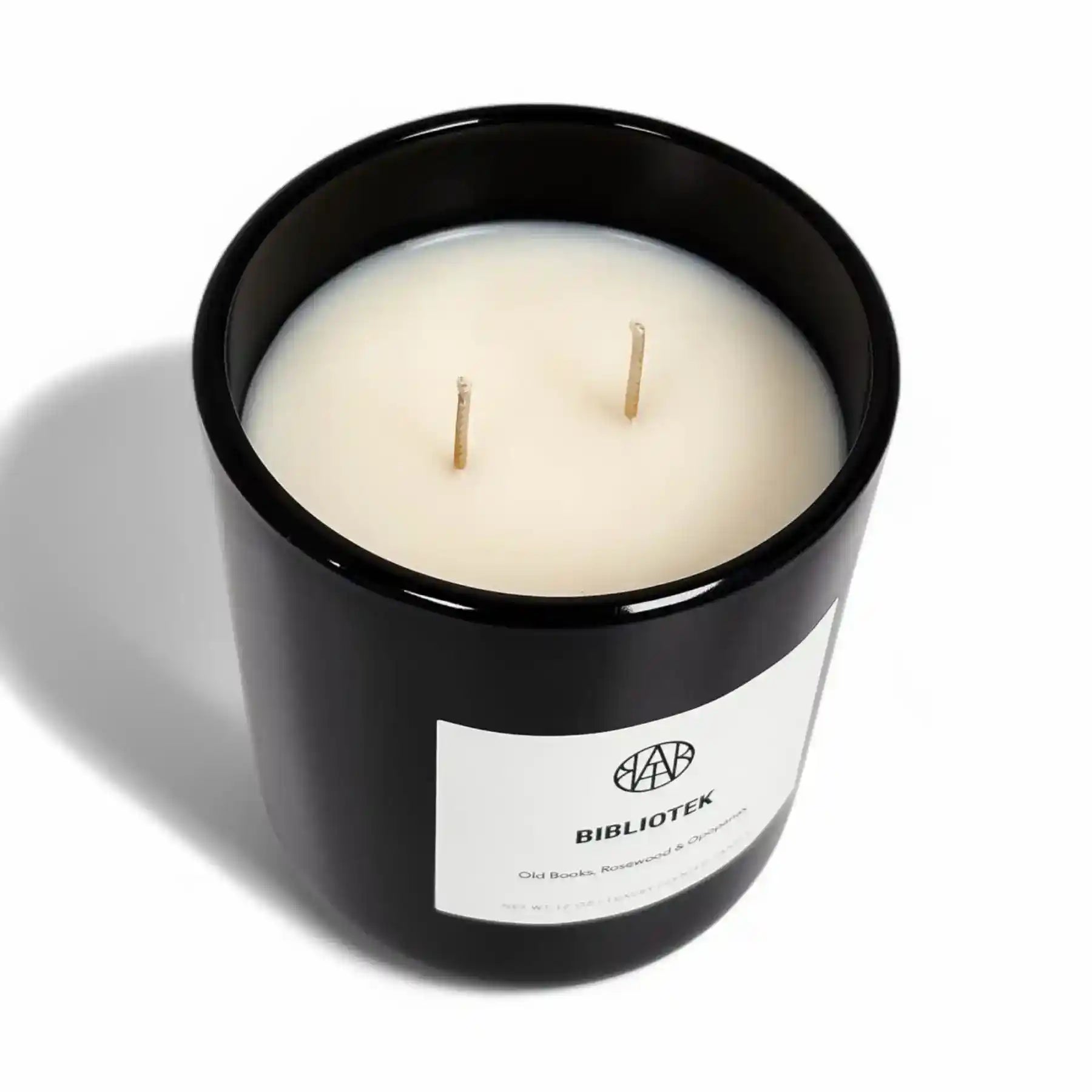
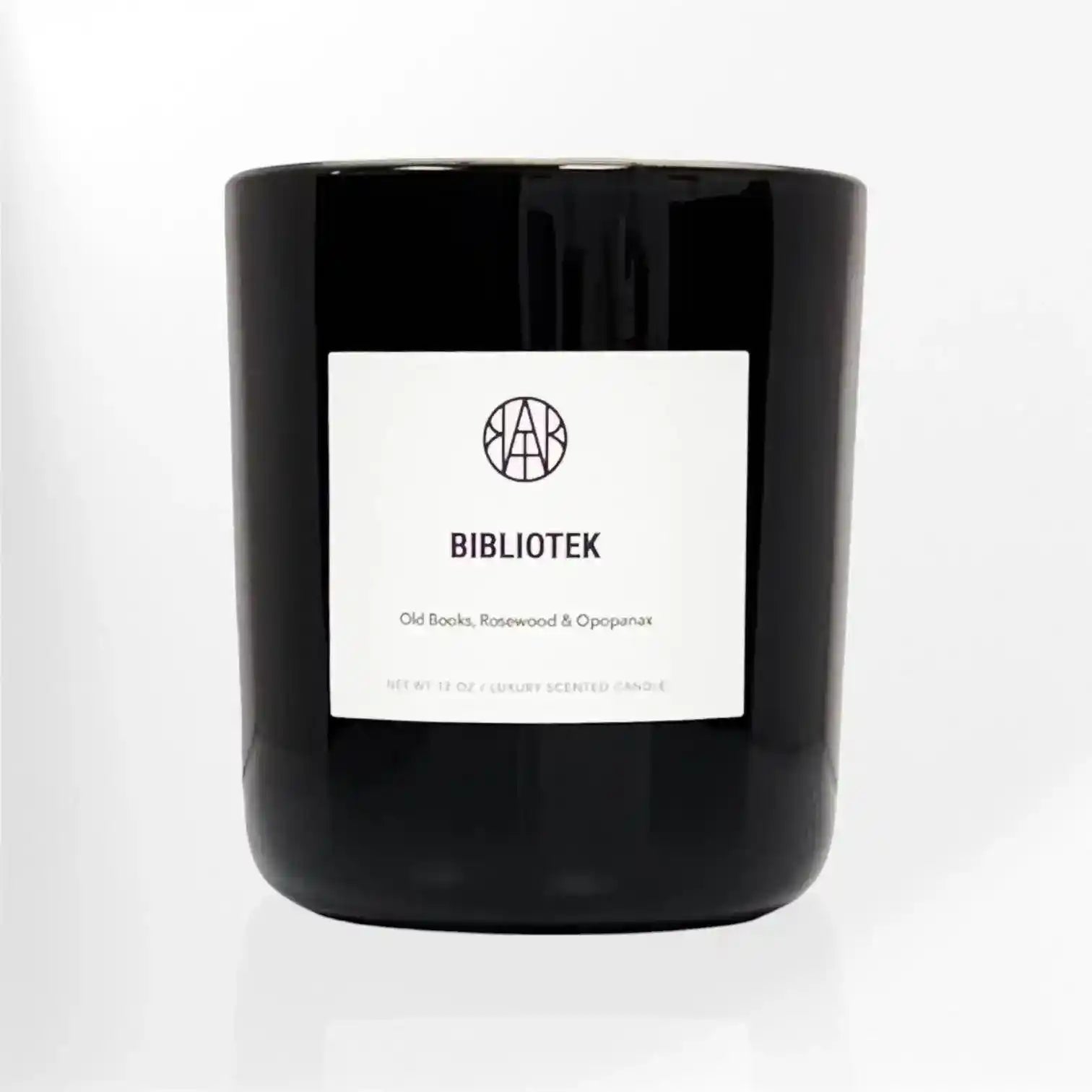
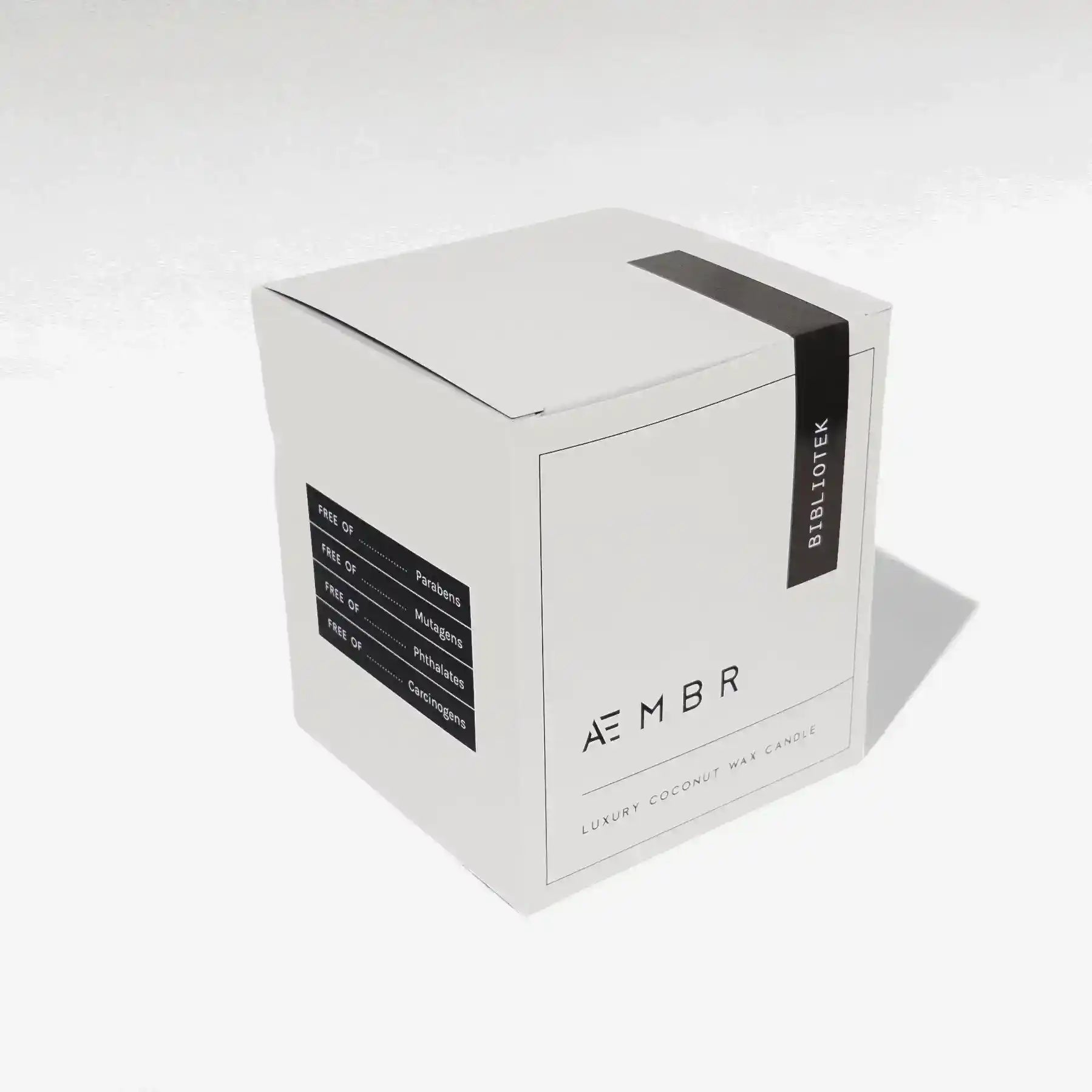
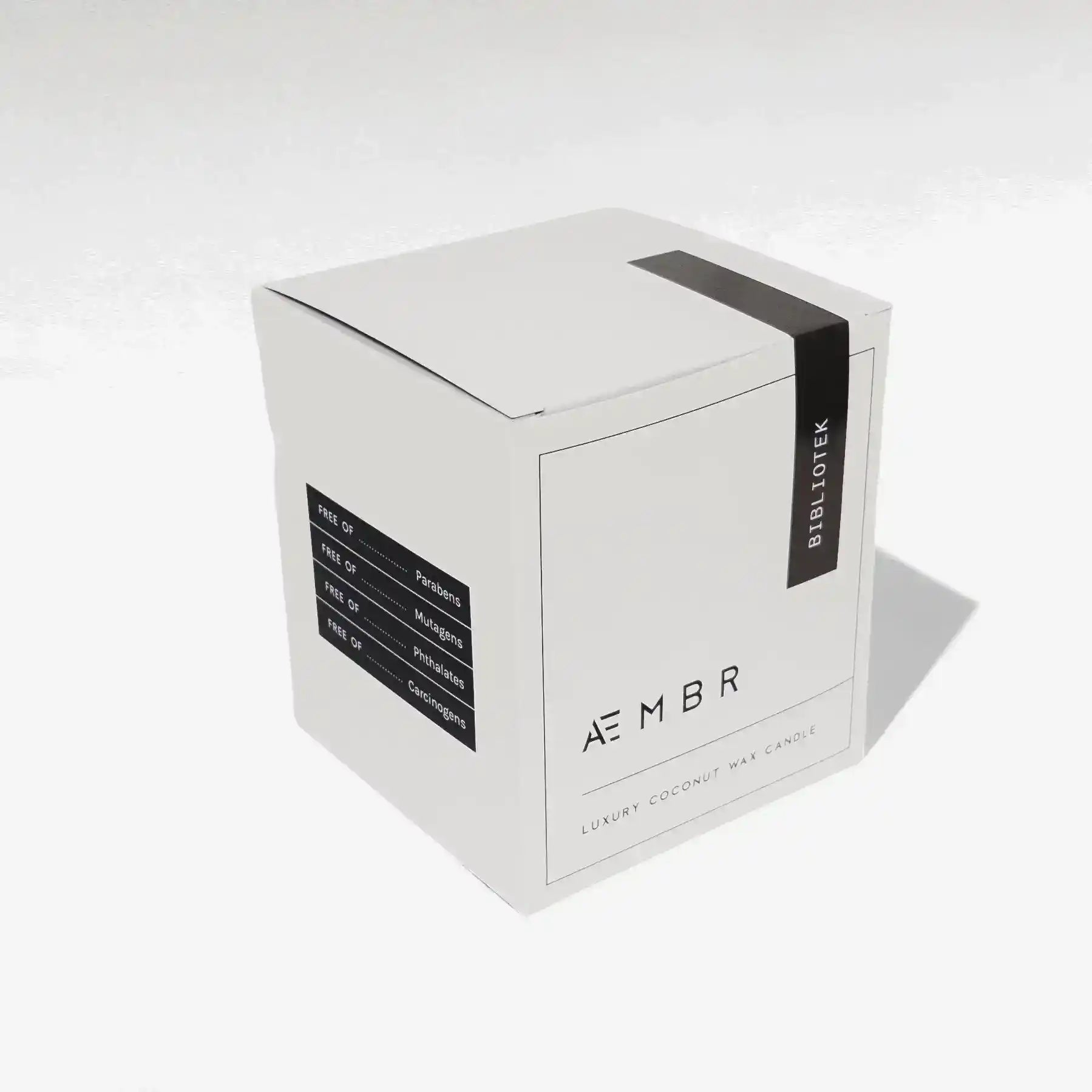
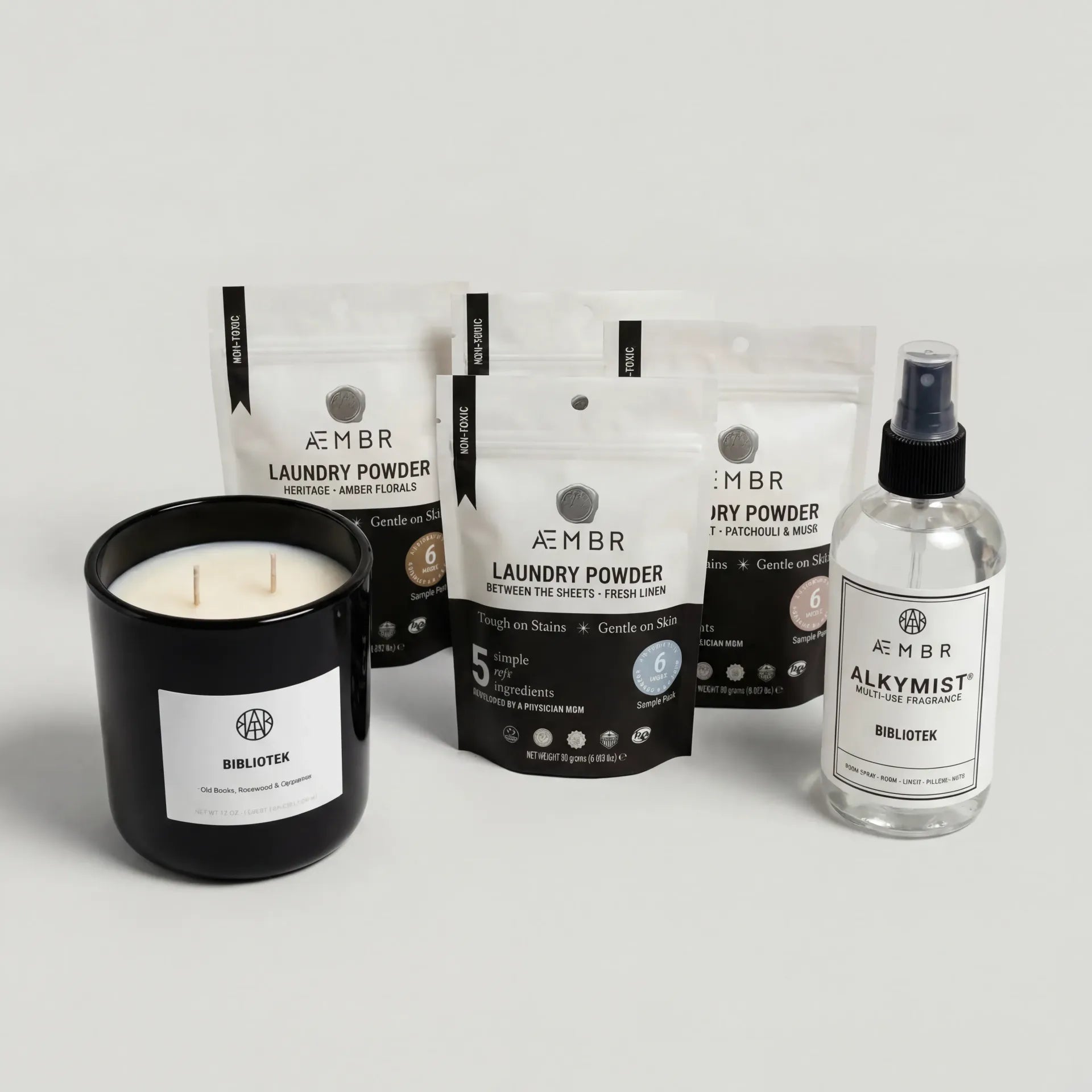
You can read more about the fragrance approach in a separate piece on what's actually in fragrance oils — coming later this week. In the meantime, the Bibliotek candle is a good place to see the full wax and fragrance approach in a single product.
Further Reading
- Are Scented Candles Bad for You? What the Research Actually Says
- What Are VOCs in Cleaning Products?
Kristina Braly, MD, is the physician founder of AEMBR. She writes about ingredient safety, clean formulation, and evidence-based approaches to home health. Nothing in this article constitutes medical advice.