

What "Non-Toxic" Actually Means (and the Marketing Claims That Mean Nothing)
By Kristina Braly, MD — Founder, AEMBR
Walk down any cleaning product aisle and you'll see the word "non-toxic" on at least half the bottles. It's printed in green. It's paired with a leaf. It sounds definitive. But here's what most shoppers don't know: there is no federal legal definition for "non-toxic" when it comes to household cleaning products. The FDA doesn't regulate it. The EPA doesn't certify it. Any company can put it on any label without any proof.
As a physician who formulated AEMBR's own cleaning products, I became deeply familiar with the gap between what these words signal to consumers and what they actually mean chemically. In this post, I'm going to walk through the real definitions — what's regulated, what's voluntary, what's verified, and what's simply marketing. By the end, you'll have a short list of the only claims and certifications worth trusting.
Why "Non-Toxic" Is an Unregulated Marketing Term
Under the Federal Hazardous Substances Act, the word "toxic" has a specific, narrow meaning: a substance is legally "toxic" if it can cause death, injury, or illness at certain acute exposure thresholds. "Non-toxic" by that standard simply means the product doesn't cross those acute thresholds — it says nothing about chronic low-level exposure, endocrine disruption, or carcinogenicity over time.
That's a critical distinction. A product can be technically non-lethal in a single exposure and still contain ingredients linked to hormone disruption, reproductive harm, or respiratory sensitization over repeated use. The "non-toxic" label tells you none of that. It's not fraud — it's a regulatory gap that brands have learned to exploit.
The Federal Trade Commission's Green Guides offer guidance on environmental marketing claims, but they don't create mandatory standards for "non-toxic" specifically. Companies are advised not to make unqualified environmental claims without substantiation — but enforcement is limited and reactive, not preventive.
The Same Problem With "Green," "Natural," and "Clean"
"Natural" is similarly unregulated. There is no federal standard requiring a product labeled "natural" to contain any particular percentage of naturally derived ingredients, or to exclude any specific synthetic chemicals. A product with 5% plant-derived surfactant and 95% synthetic chemicals can legally call itself "natural."
"Clean" has no regulatory definition in the cleaning product category at all. It emerged as a marketing term in the beauty industry and migrated to household cleaners, where it carries even less meaning. "Green" fares slightly better — the FTC's Green Guides address environmental claims broadly — but enforcement gaps remain significant.
The result: you have a market saturated with language that sounds reassuring but tells you almost nothing about what's actually in the product or what chronic exposure to it means for your household.
What Certifications Actually Mean Something
The meaningful signal is not on the front of the label — it's in the third-party certifications. Here are the ones that reflect genuinely rigorous ingredient review:
EWG Verified
The Environmental Working Group's Verified program requires full ingredient disclosure, prohibits ingredients on EWG's "Unacceptable" list (including phthalates, parabens, formaldehyde-releasing preservatives, and dozens of other chemicals of concern), and mandates manufacturing practices that prevent contamination. Products must re-certify annually. This is one of the most consumer-protective certifications available.
EPA Safer Choice
The EPA's Safer Choice program evaluates every ingredient in a formulation — not just the active ingredients — for human health and environmental effects. Products earn certification only when all ingredients meet the program's safety standards. It's particularly strong for cleaning products and is the standard I look for when evaluating commercial cleaning suppliers.
MADE SAFE
MADE SAFE screens ingredients against a database of known harmful chemicals including carcinogens, endocrine disruptors, neurotoxins, and reproductive toxins. It covers a wider range of chemical categories than some other certifications and prohibits ingredients that others miss. MADE SAFE certification is rigorous and relatively rare — which makes it meaningful when you see it.
Leaping Bunny
Leaping Bunny is the gold standard for cruelty-free certification. It's distinct from ingredient safety certification — it certifies that no animal testing occurred at any stage of ingredient or product development. For consumers who care about both ingredient safety and animal welfare, both EWG Verified (or MADE SAFE) plus Leaping Bunny together cover the most ground.
NSF/ANSI Standards
NSF International sets voluntary standards for cleaning products used in food-contact environments. NSF/ANSI 2 (food equipment) and related standards matter most in commercial settings, but NSF certification on a household multi-surface spray tells you the formulation has been reviewed for food-contact surface safety — relevant for kitchen cleaners.
Full Ingredient Disclosure: The Only Brand Signal That Matters
Certifications help, but they require a third party. Between certification audits, the most reliable signal you can evaluate yourself is full ingredient disclosure — meaning the brand publishes every ingredient in the formulation, not just the "active ingredients."
Many conventional cleaning product brands disclose only active ingredients (typically the disinfecting agents) and list everything else as "inert," even when those inert ingredients include synthetic fragrance, optical brighteners, or undisclosed preservatives. Full ingredient lists — the same standard we hold food labels to — are still voluntary for cleaning products in the United States.
When a brand publishes their complete ingredient list and can explain what each ingredient does and why it's there, that's a meaningful signal. When they can't, or won't, that's also a signal.
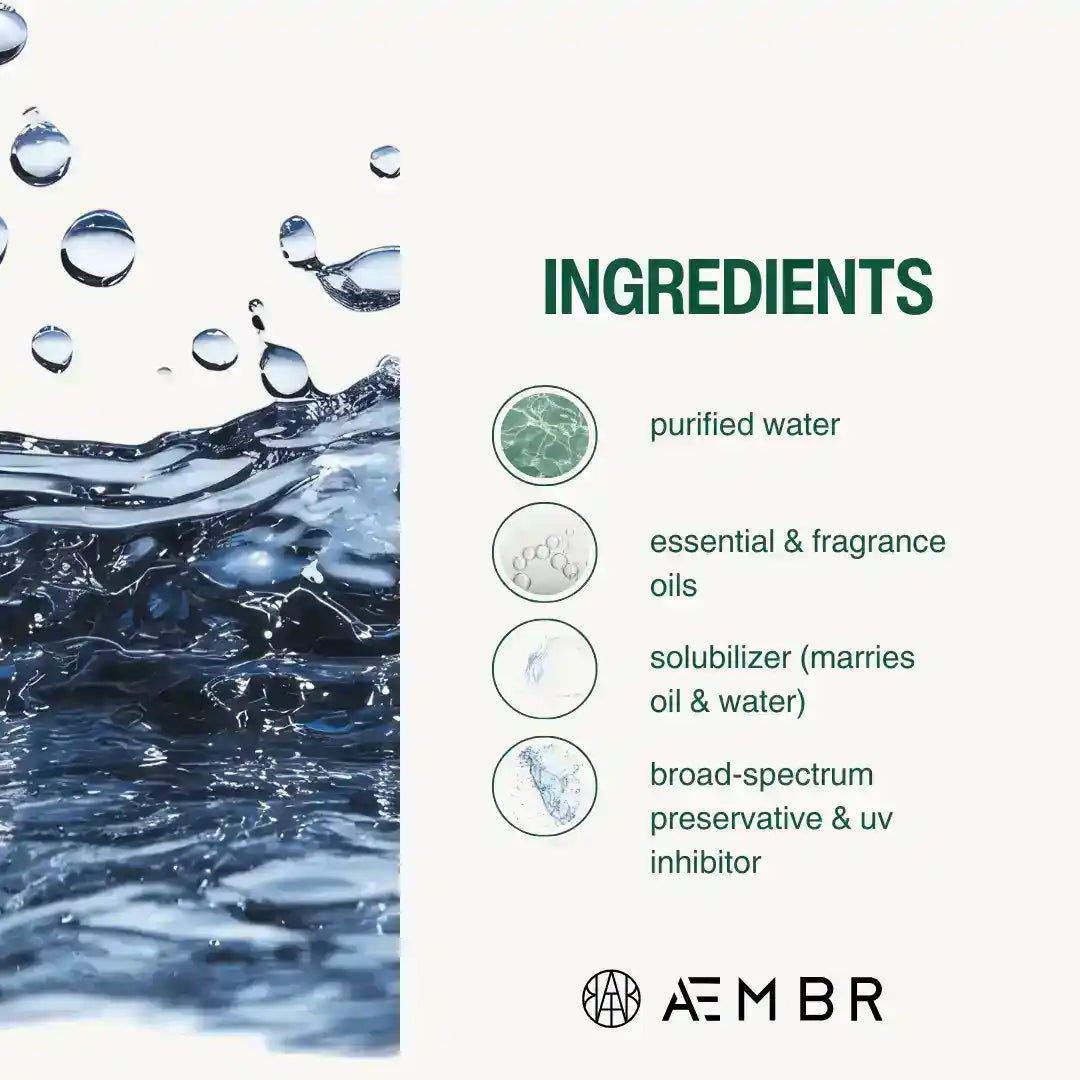
At AEMBR, I post full ingredient lists for every product. If you can't find it, email us. No formulation is proprietary to the point that we'd hide what's in it from the people using it in their homes.
Greenwashing Tactics to Recognize
Greenwashing — the practice of making environmental or safety claims that aren't substantiated — takes several forms in the cleaning product category. Here's what I watch for:
- Vague certifications: Seals that look official but have no public standards document or third-party verification. If you can't find the certification body's criteria online, it's not meaningful.
- "Made with plant-based ingredients": This can be technically true if 1% of the formulation is plant-derived. Always ask: what percentage? What are the rest?
- "Free from [one thing]": Paraben-free, SLS-free, phosphate-free claims direct attention away from everything else in the formula. A product can be SLS-free and still contain phthalates, quats, or synthetic fragrance without disclosure.
- Recyclable packaging as a safety claim: Recyclable packaging is a supply chain attribute. It says nothing about what's inside the bottle.
- Doctor or scientist imagery without credentials: Stock photography of lab coats is not the same as physician formulation. Look for a named formulator with verifiable credentials and a stated ingredient philosophy.
What "Non-Toxic" Should Mean (If It Meant Something)
If I were writing the standard, "non-toxic" in household cleaning products would require:
- Full ingredient disclosure — every ingredient, not just actives
- Exclusion of phthalates, parabens, formaldehyde-releasing preservatives, chlorine bleach in rinse-contact applications, and synthetic fragrance without disclosure
- Third-party verification against a published prohibited ingredient list
- Annual re-certification as formulations change
That's approximately what EWG Verified and MADE SAFE currently require. Until federal standards catch up, those programs are the closest thing to "non-toxic with receipts."
A Comparison: What Each Claim Actually Guarantees
| Claim or Certification | Regulated? | Third-Party Verified? | Full Ingredient Review? | Prohibits Phthalates? | What It Actually Tells You |
|---|---|---|---|---|---|
| "Non-Toxic" label | No | No | No | Not necessarily | Acute exposure below lethal threshold — nothing more |
| "Natural" | No | No | No | Not necessarily | No legal definition; marketing term only |
| "Green" | Partially (FTC) | Rarely | No | Not necessarily | Vague environmental positioning; FTC guidance applies but enforcement is limited |
| EWG Verified | Voluntary | Yes | Yes | Yes | Full ingredient review against EWG's prohibited list; annual recertification |
| EPA Safer Choice | Federal program | Yes | Yes | Yes | Every ingredient evaluated for human health + environmental safety |
| MADE SAFE | Voluntary | Yes | Yes | Yes | Screens against carcinogens, endocrine disruptors, neurotoxins, and reproductive toxins |
| Leaping Bunny | Voluntary | Yes | No | Scope varies | Cruelty-free at all stages of development; does not review ingredient safety |
How to Apply This in Practice
Here's the decision framework I use when evaluating any cleaning product — for my home, for AEMBR's formulations, and for the brands I recommend:
- Step 1: Ignore the front-of-label marketing language entirely.
- Step 2: Find the full ingredient list. If it's not on the label or website, that's your answer.
- Step 3: Run the ingredients through the EWG's Cleaners Guide or the EWG Skin Deep database if applicable.
- Step 4: Look for third-party certifications — EWG Verified, EPA Safer Choice, or MADE SAFE — not brand-created seals.
- Step 5: Check whether "fragrance" is listed as a single ingredient. If it is, look for a disclosure of what's in it or a phthalate-free claim with third-party support.
This takes about four minutes per product. After a few rounds, you develop pattern recognition and it takes thirty seconds.
AEMBR's Ingredient Standards
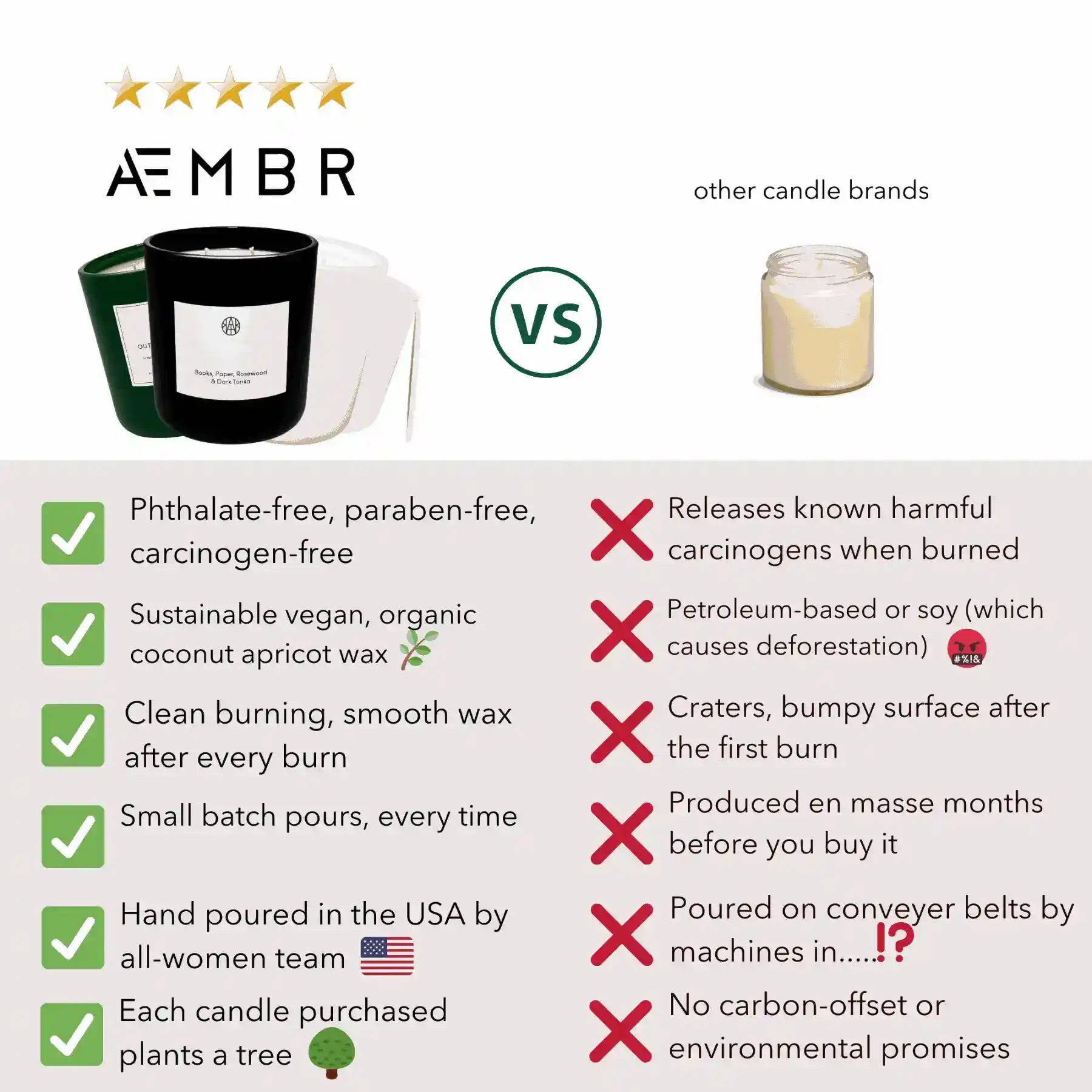
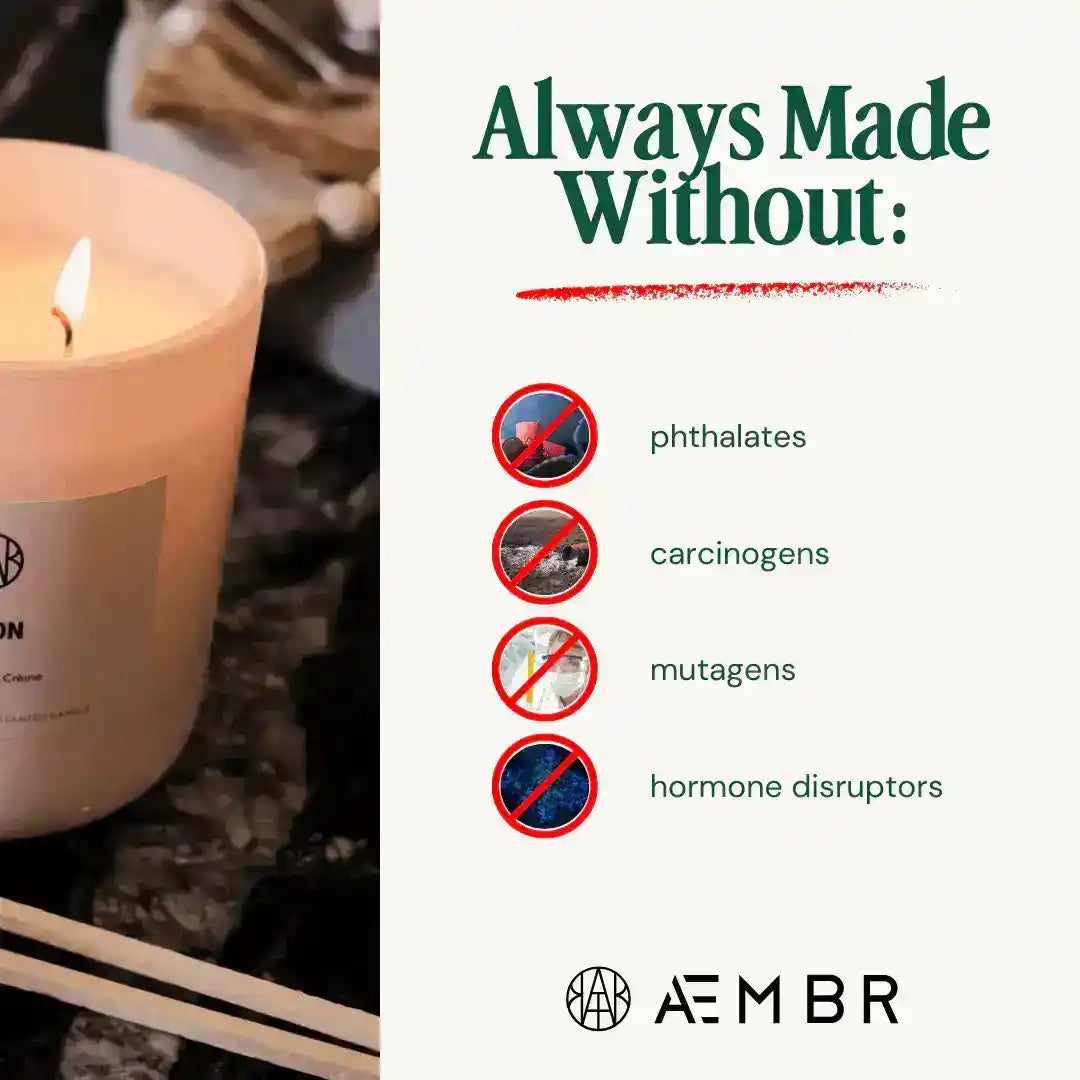
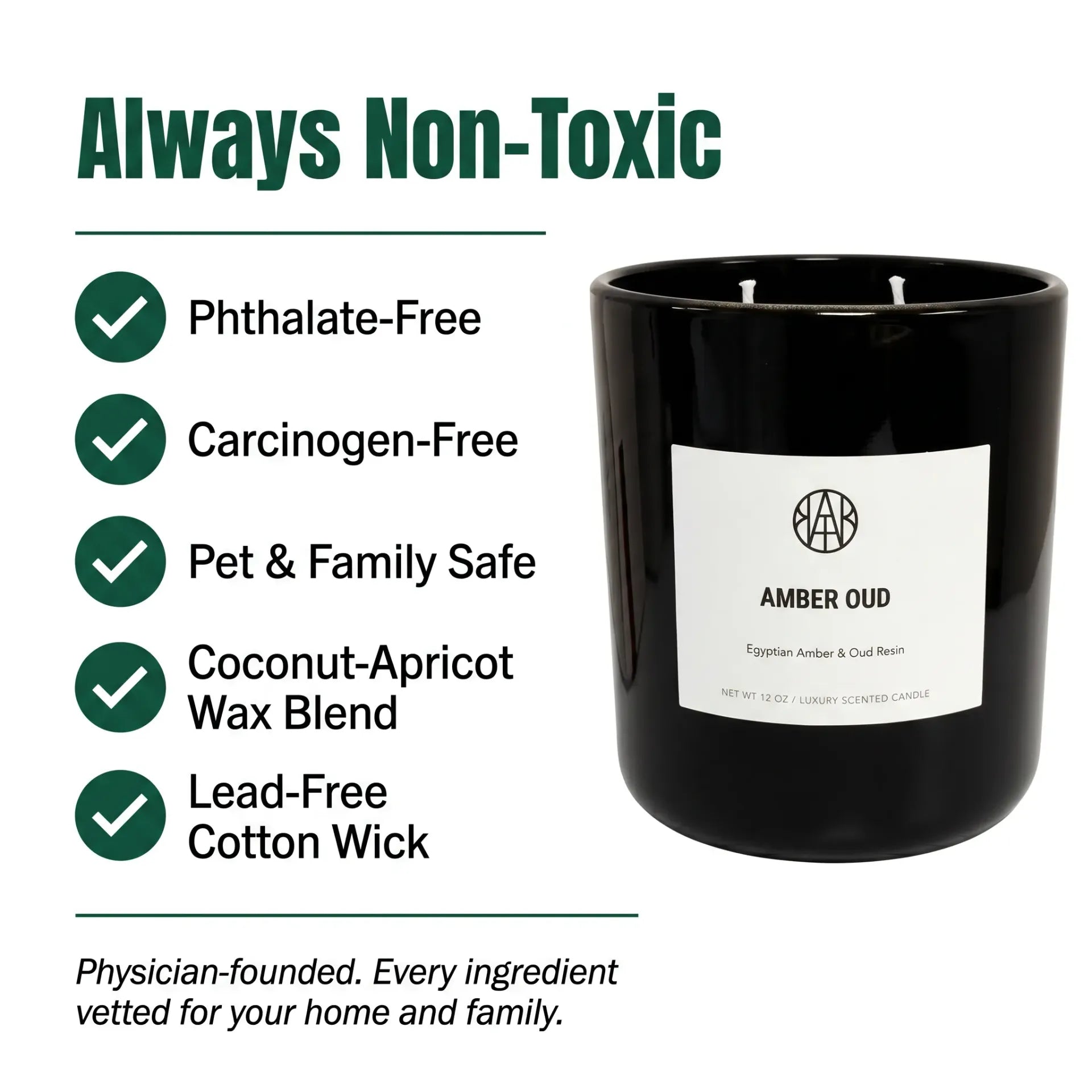
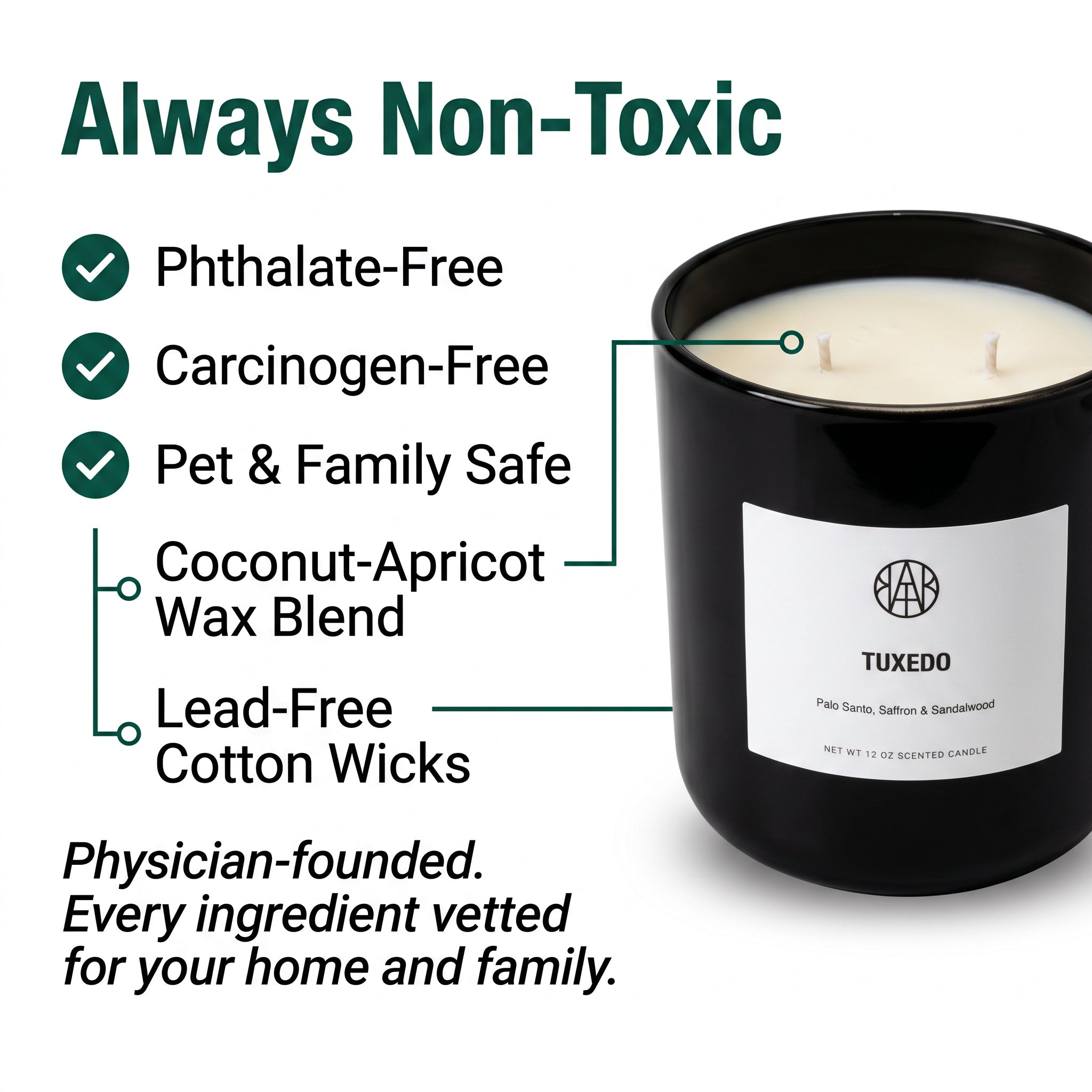
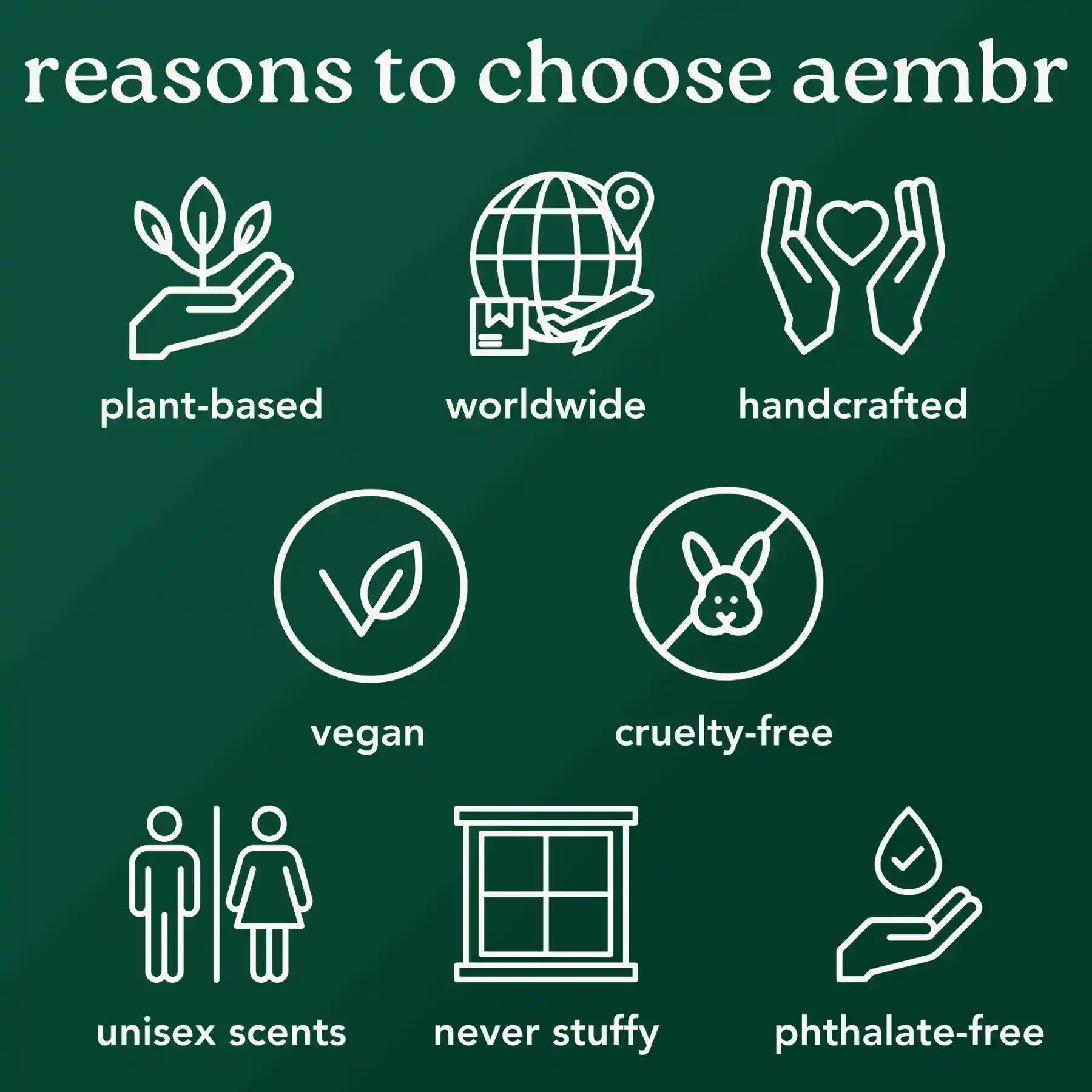
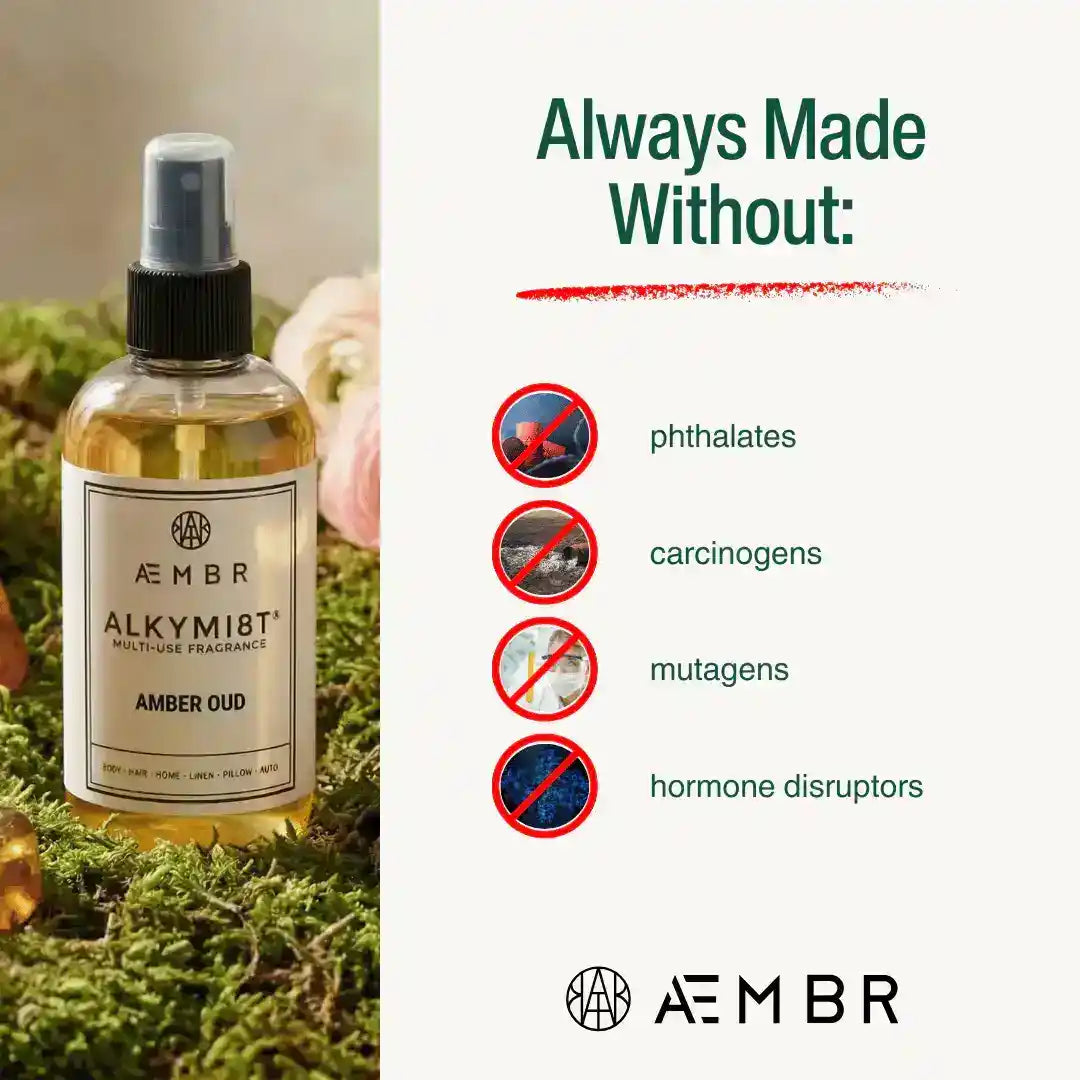
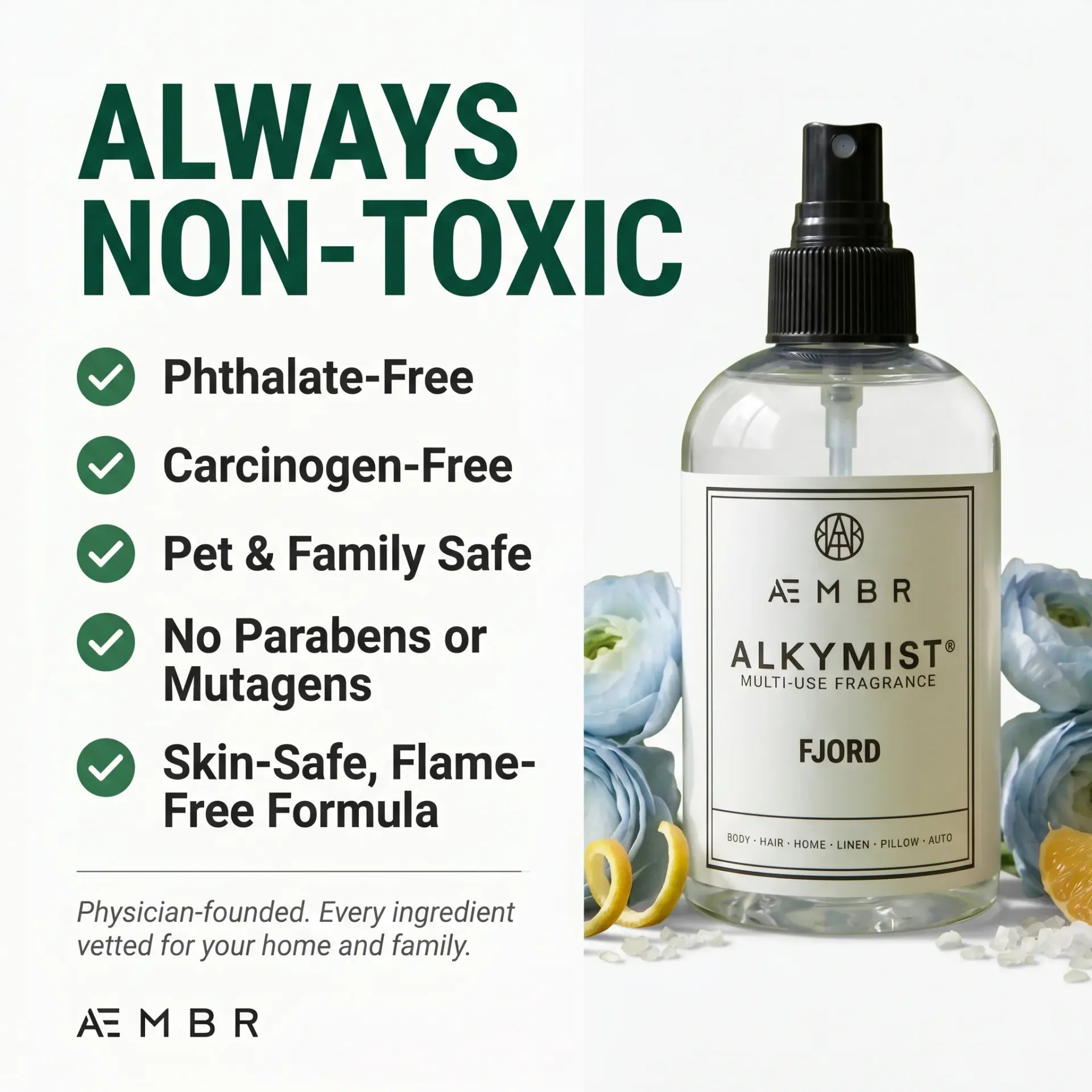
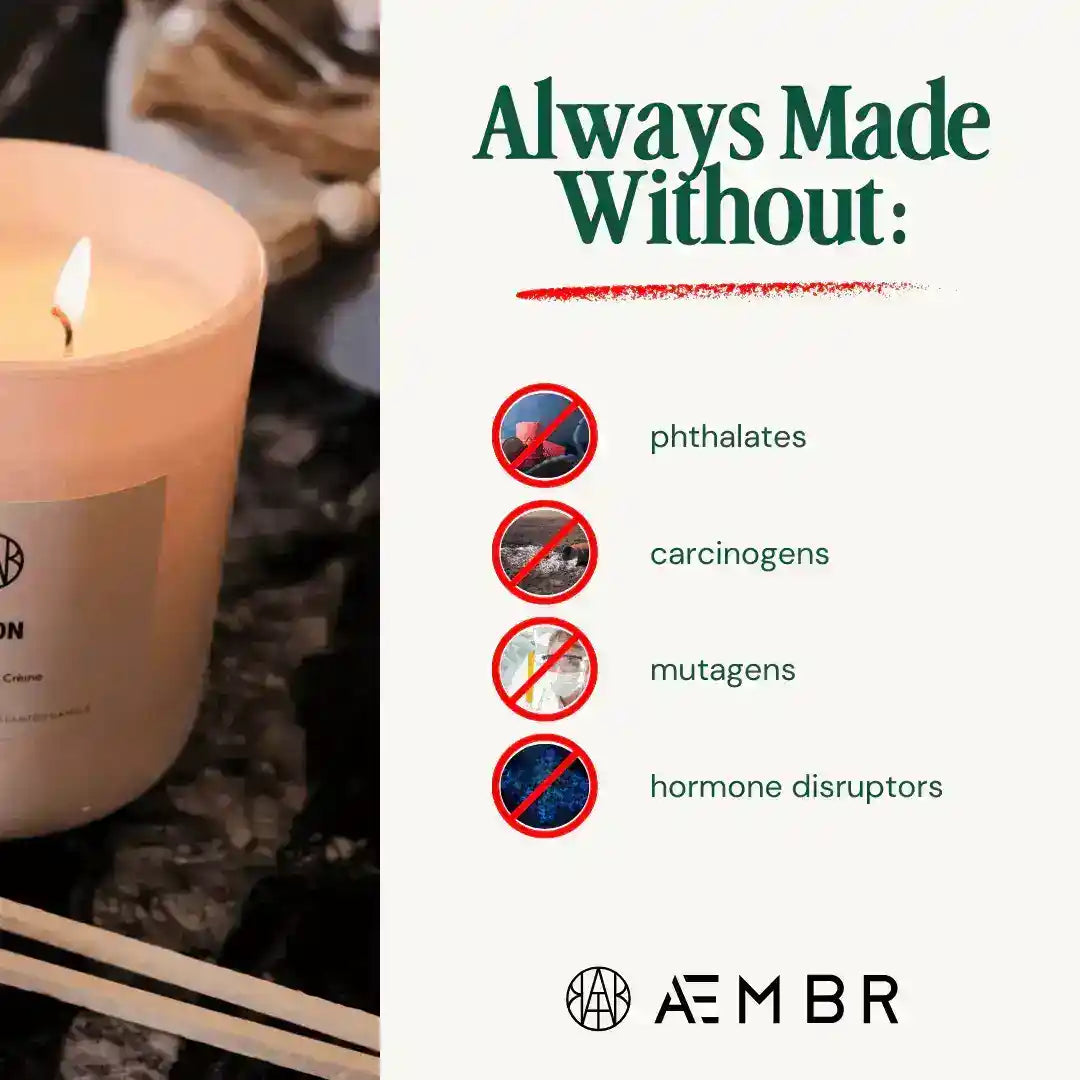
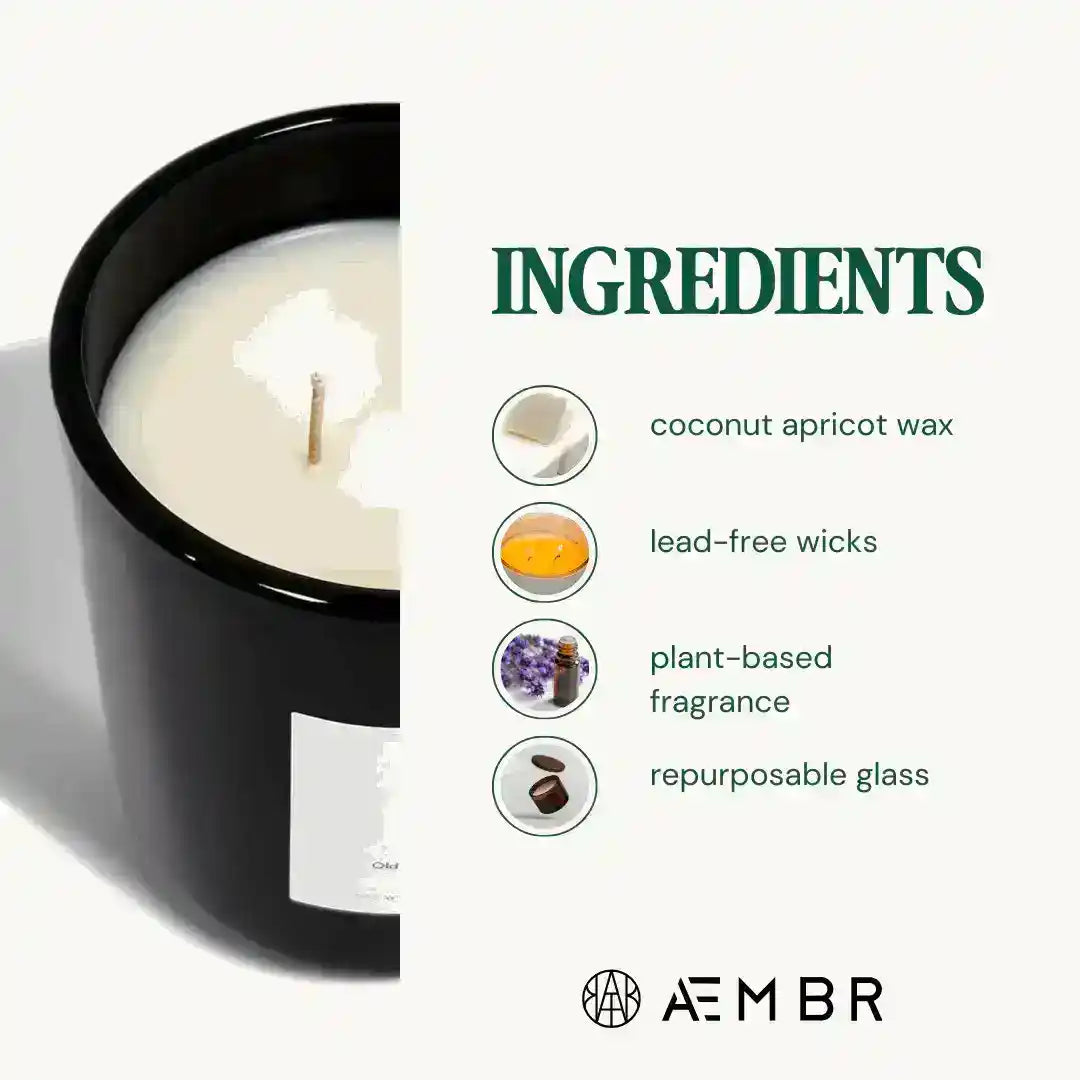
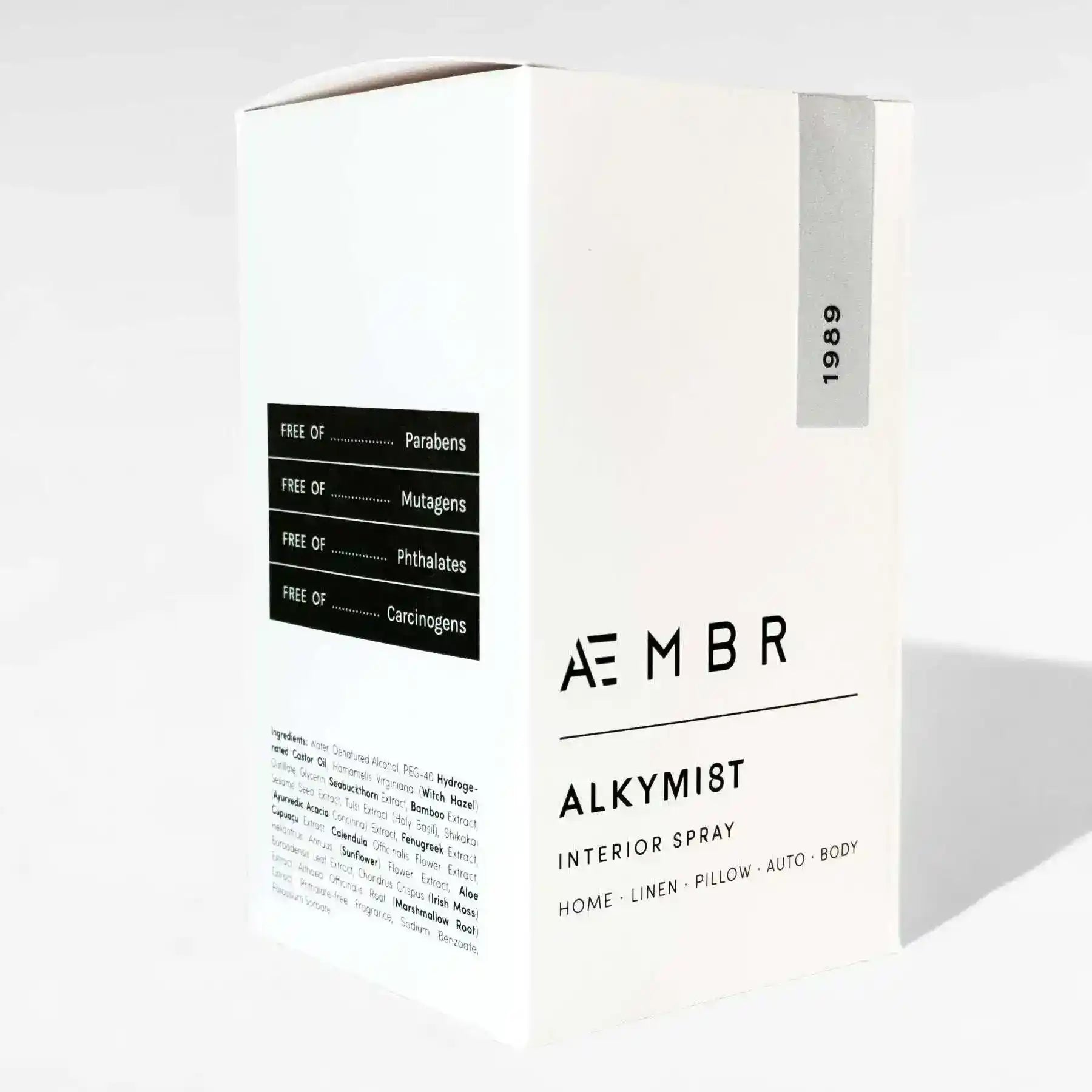
I built AEMBR because I couldn't find cleaning and fragrance products that met the standard I described above. No phthalates — ever, including in fragrance oils. No carcinogens on the IARC or NTP lists. No synthetic fragrance without full disclosure of what's in it. Full ingredient lists, publicly available, for every product.
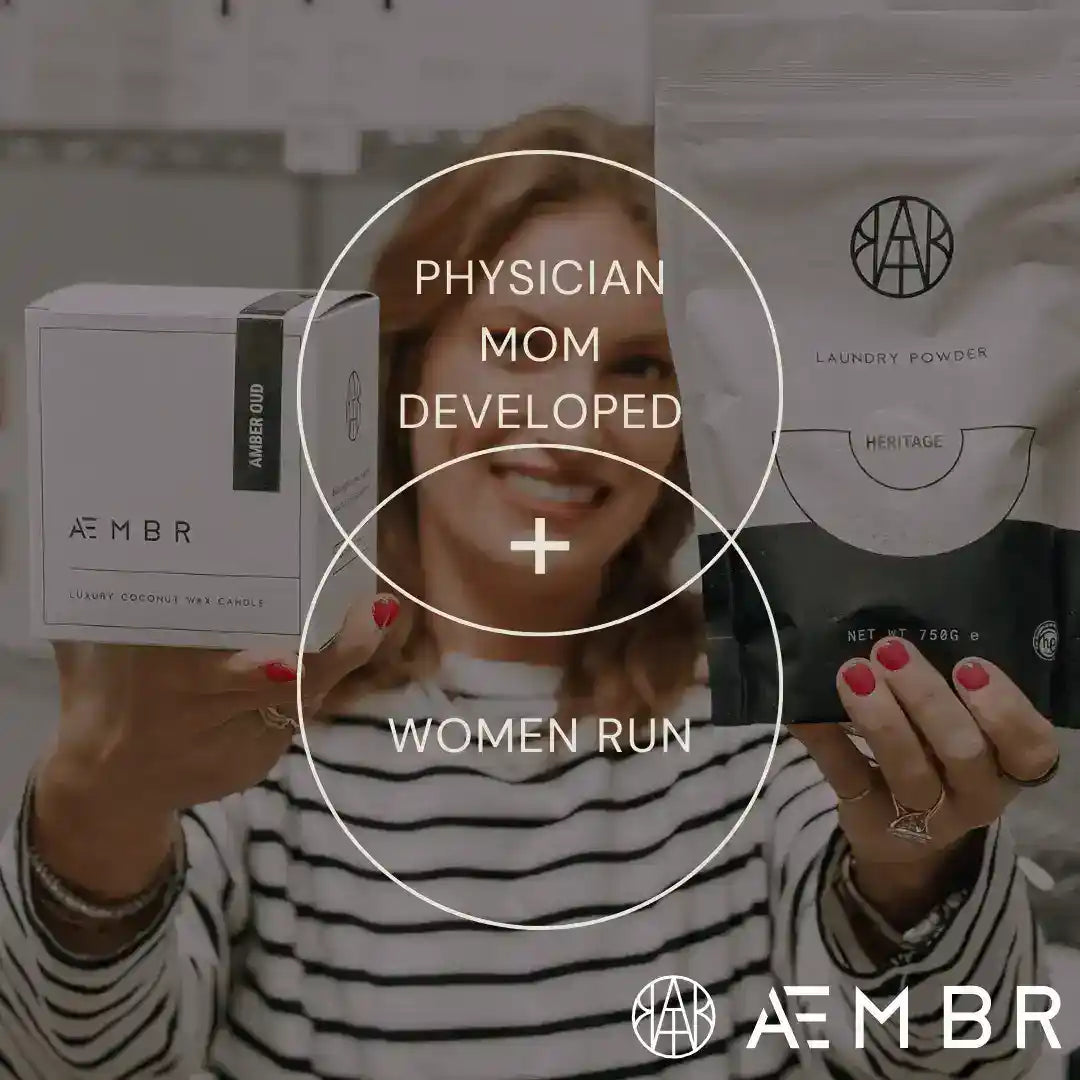
That's what physician-formulated means in practice — not a credential used as aesthetic, but a training that changed which ingredients I would and wouldn't use. If you're curious about the reasoning behind any specific formulation choice, I answer those questions directly.
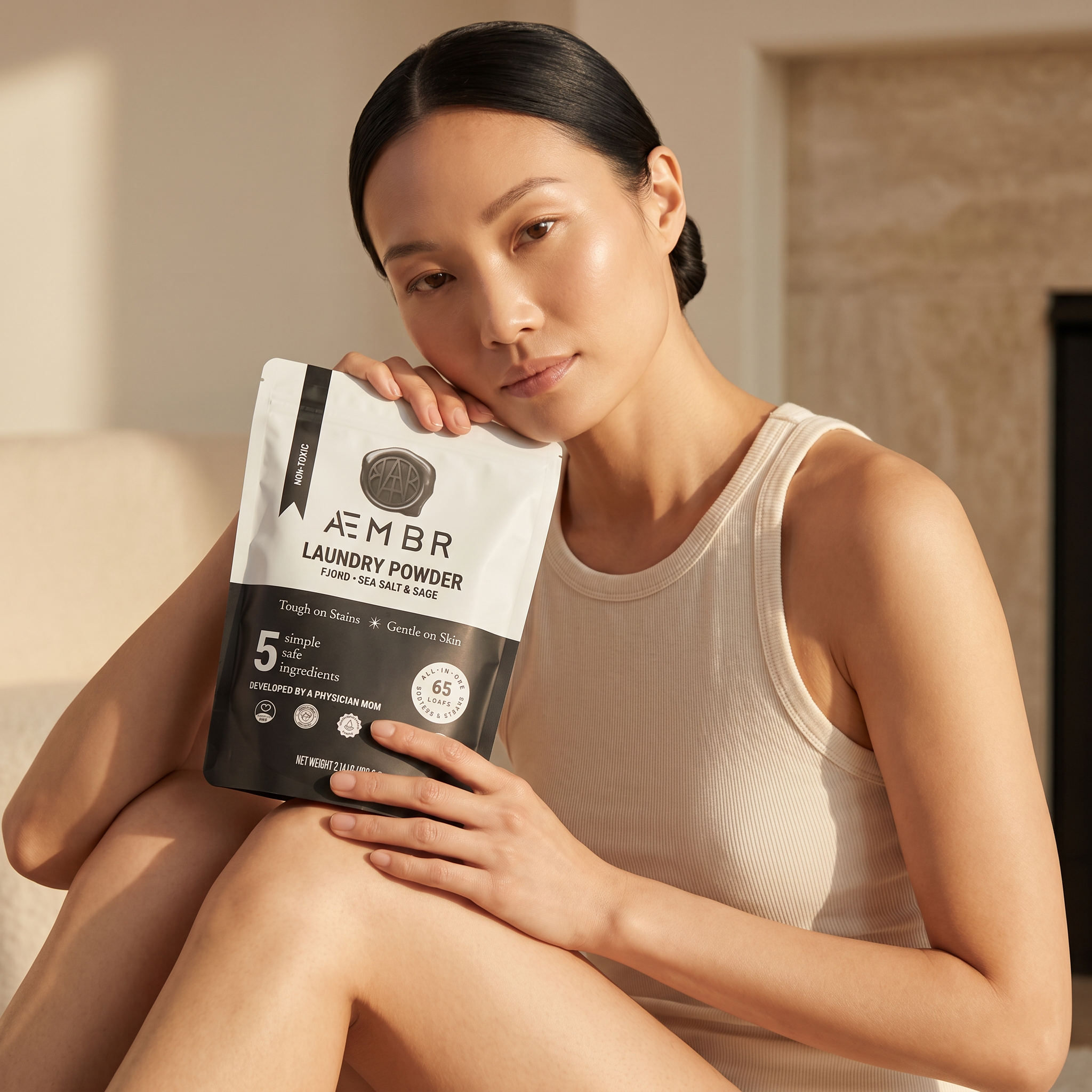
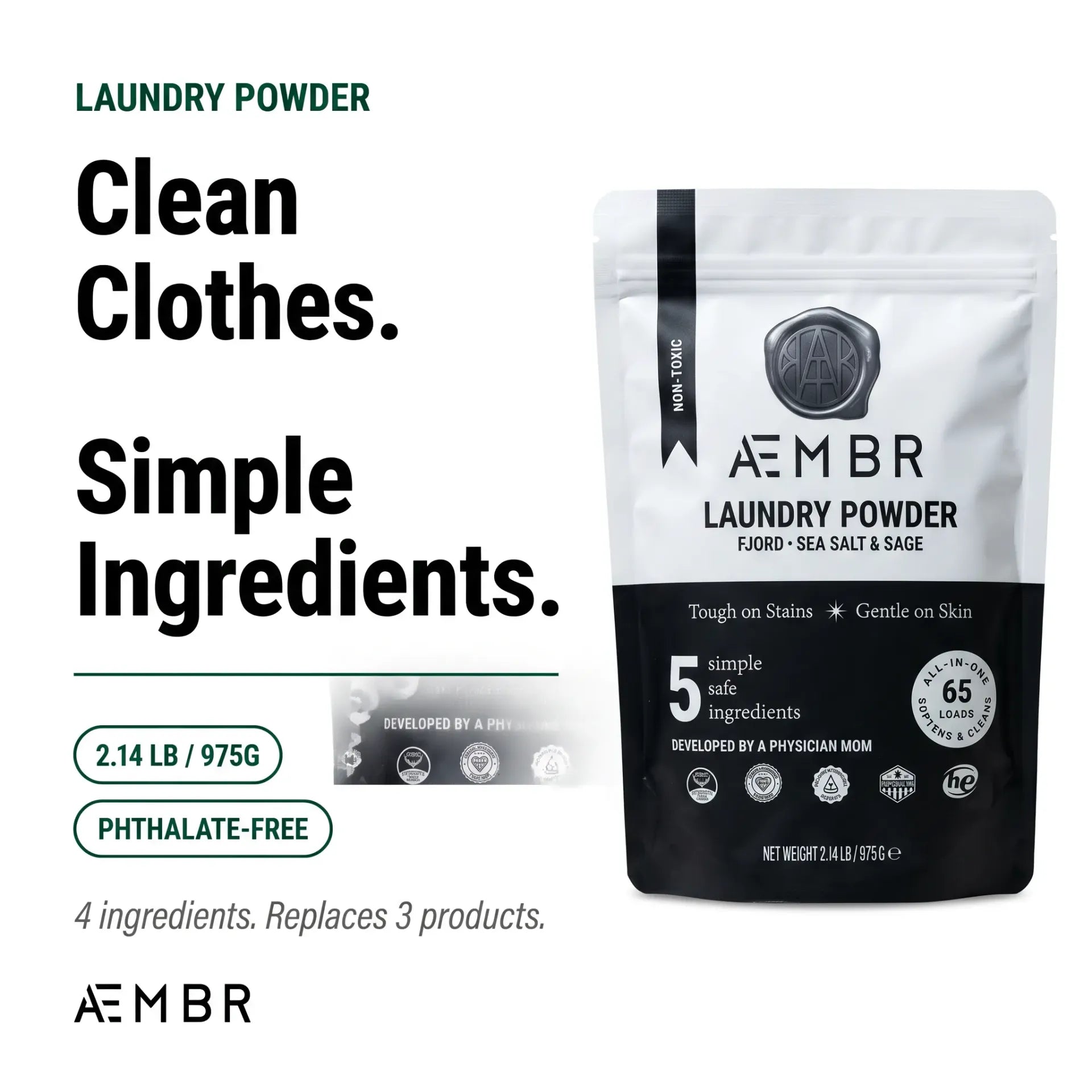
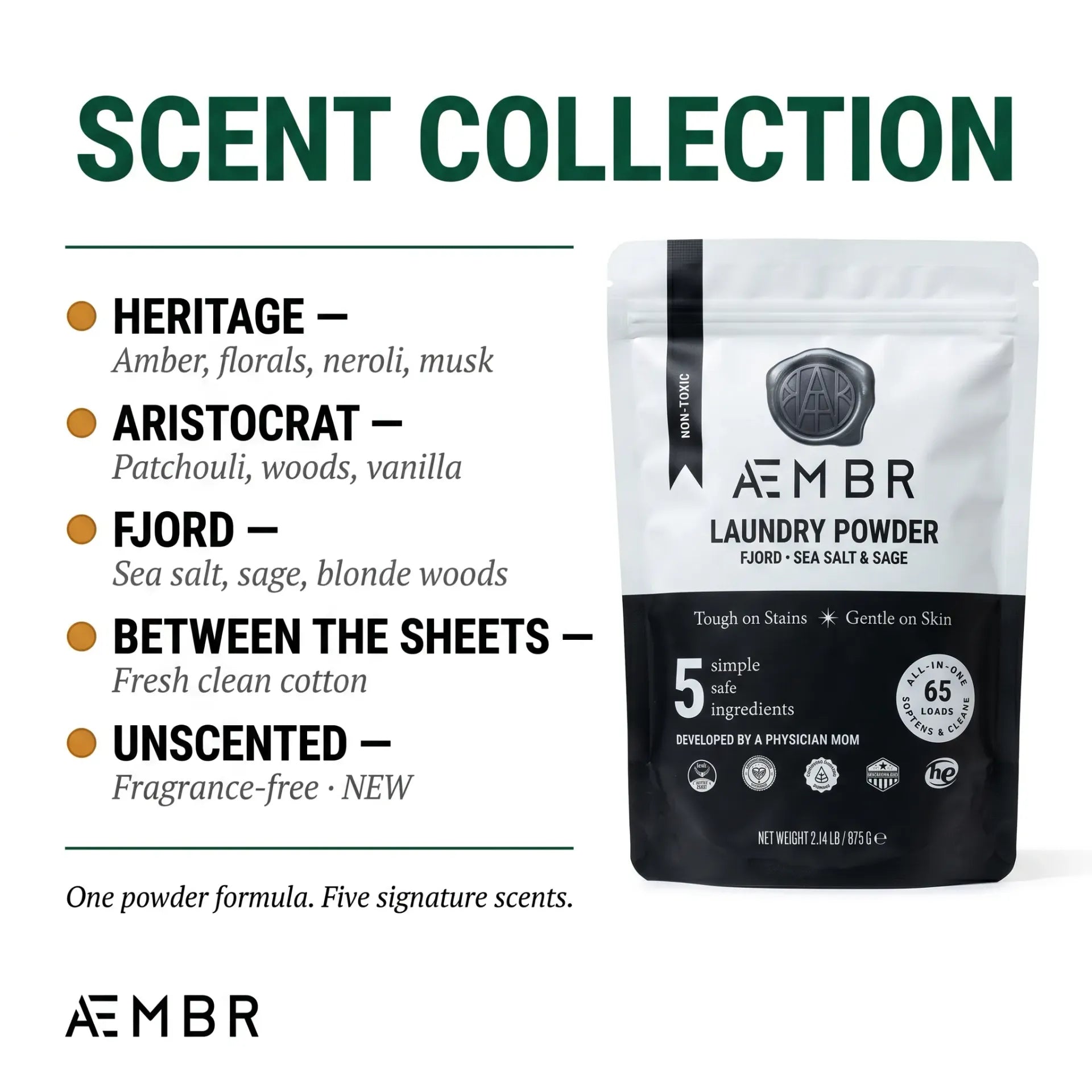
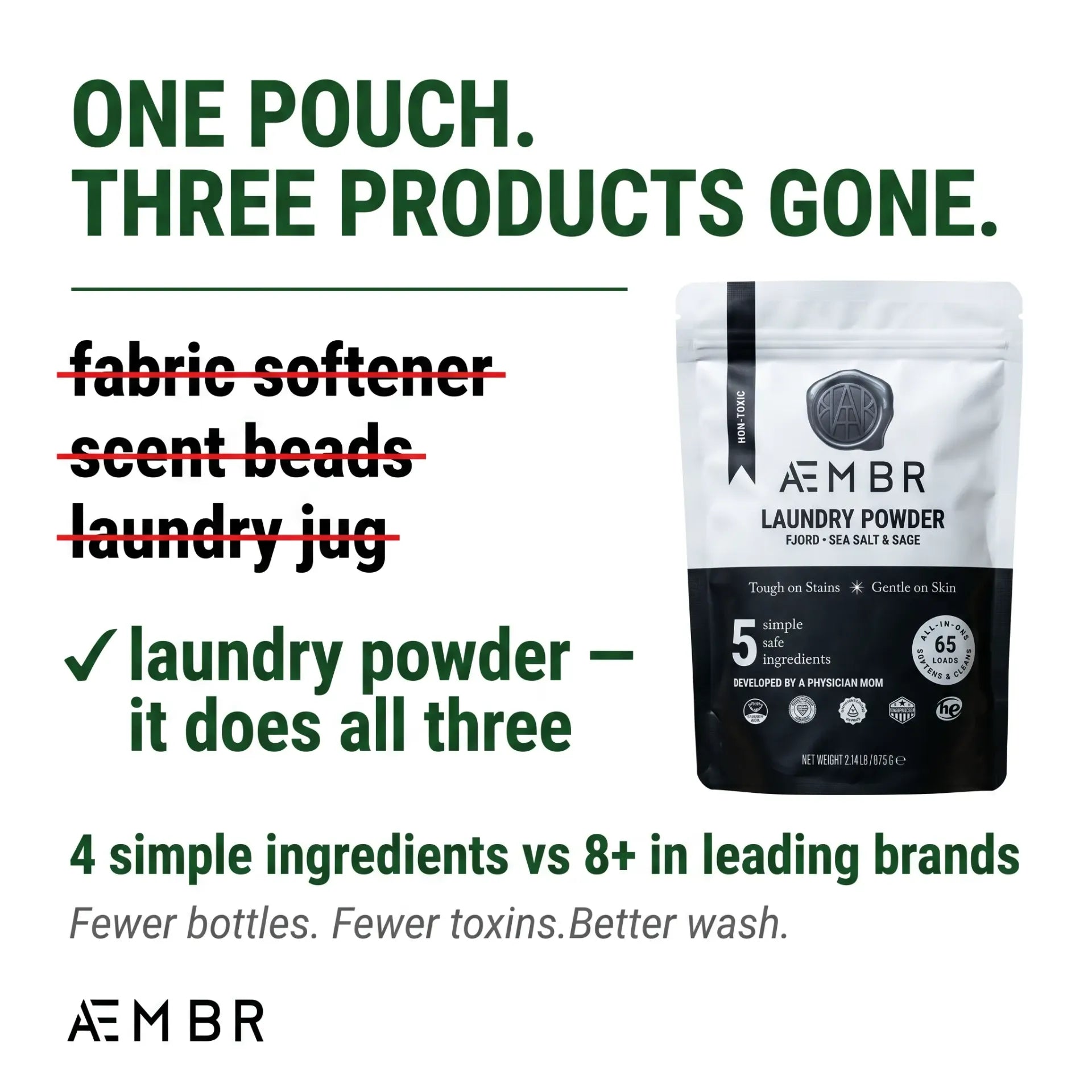
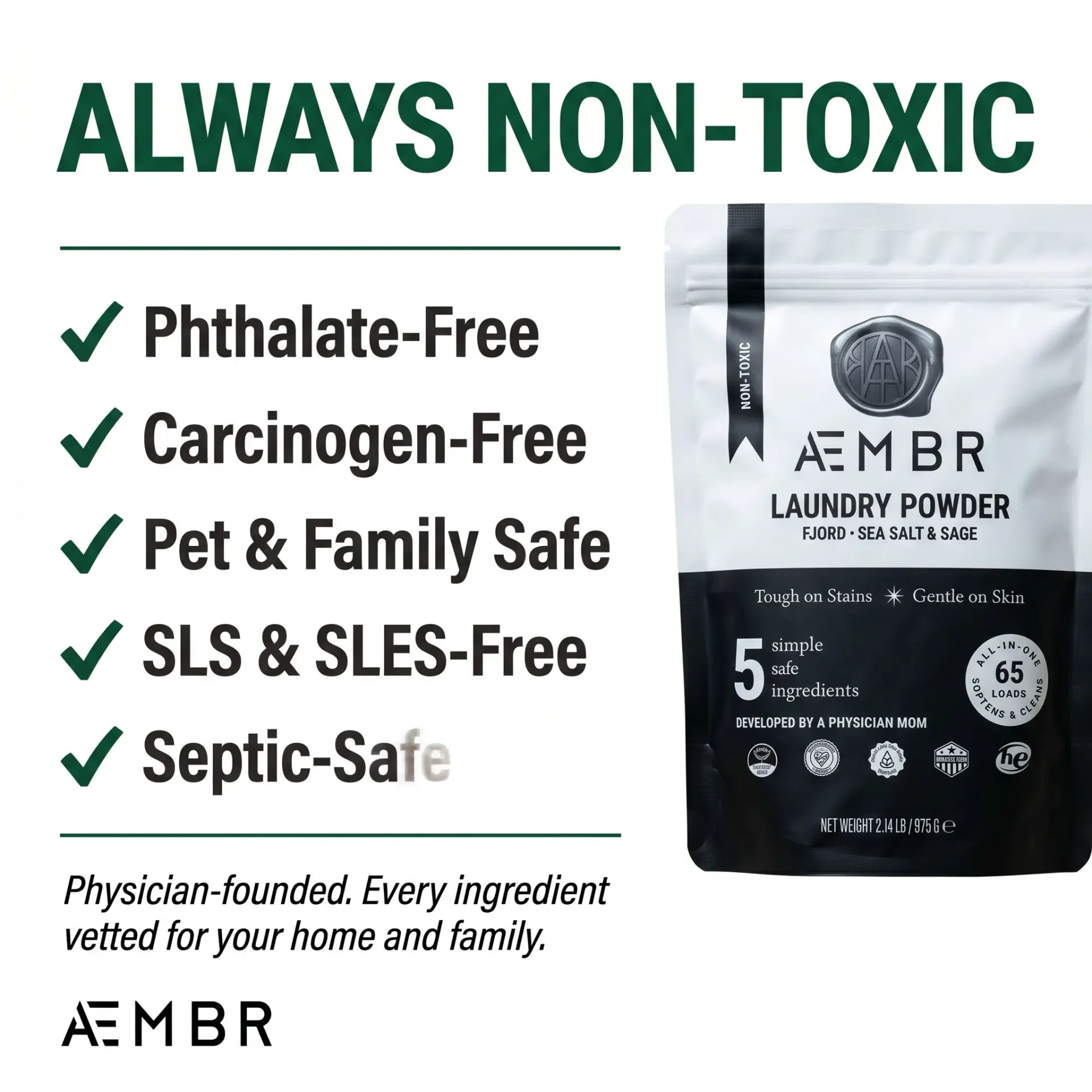
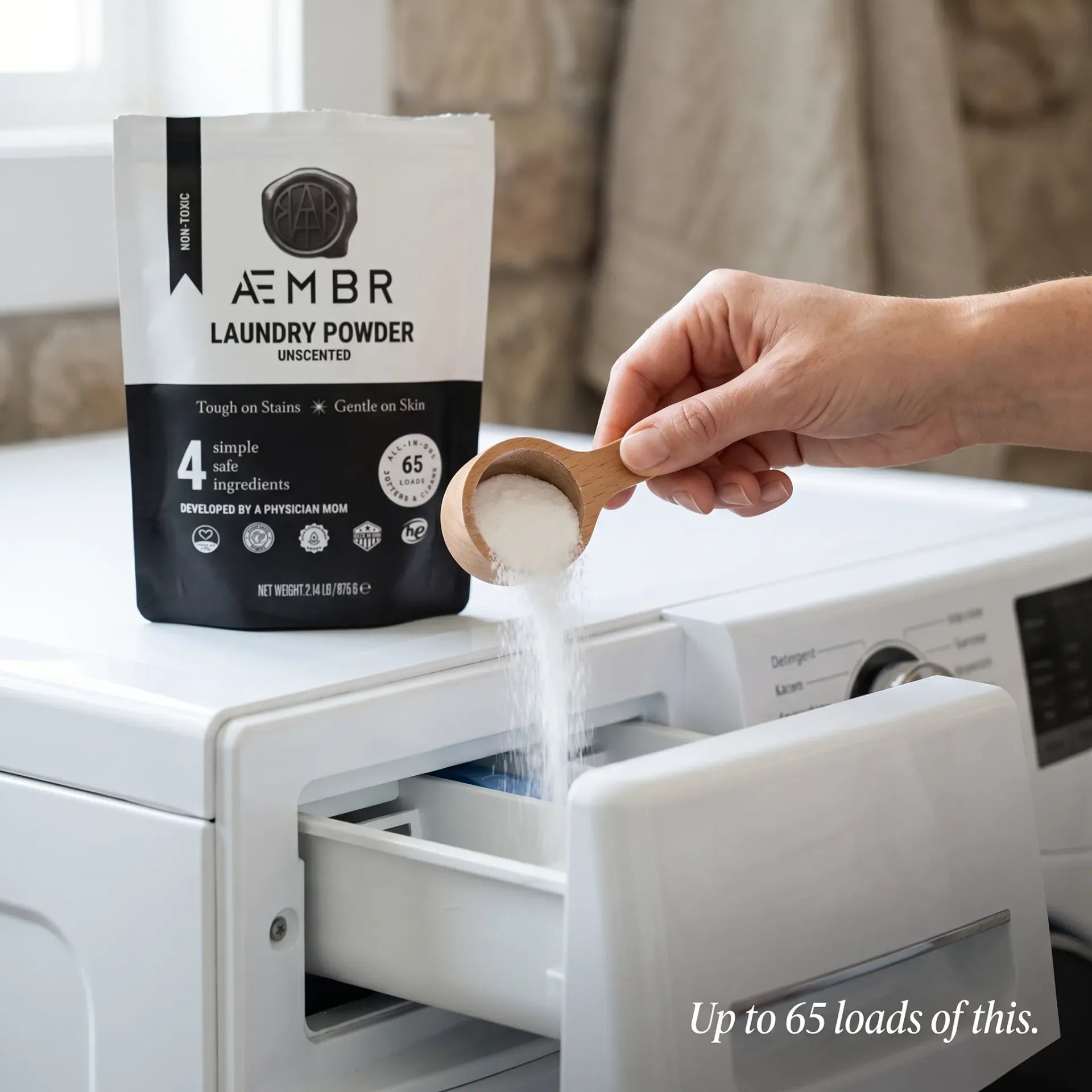
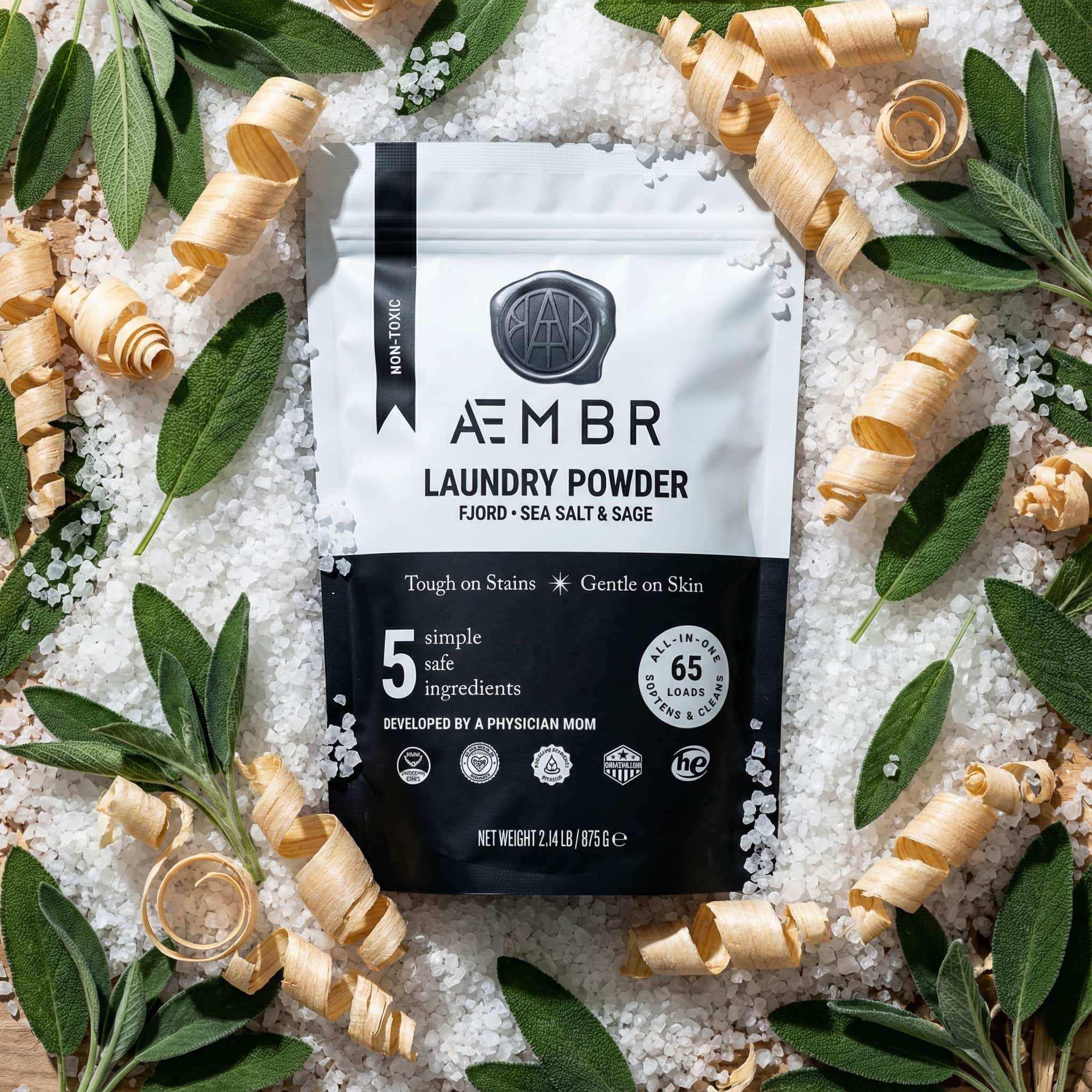
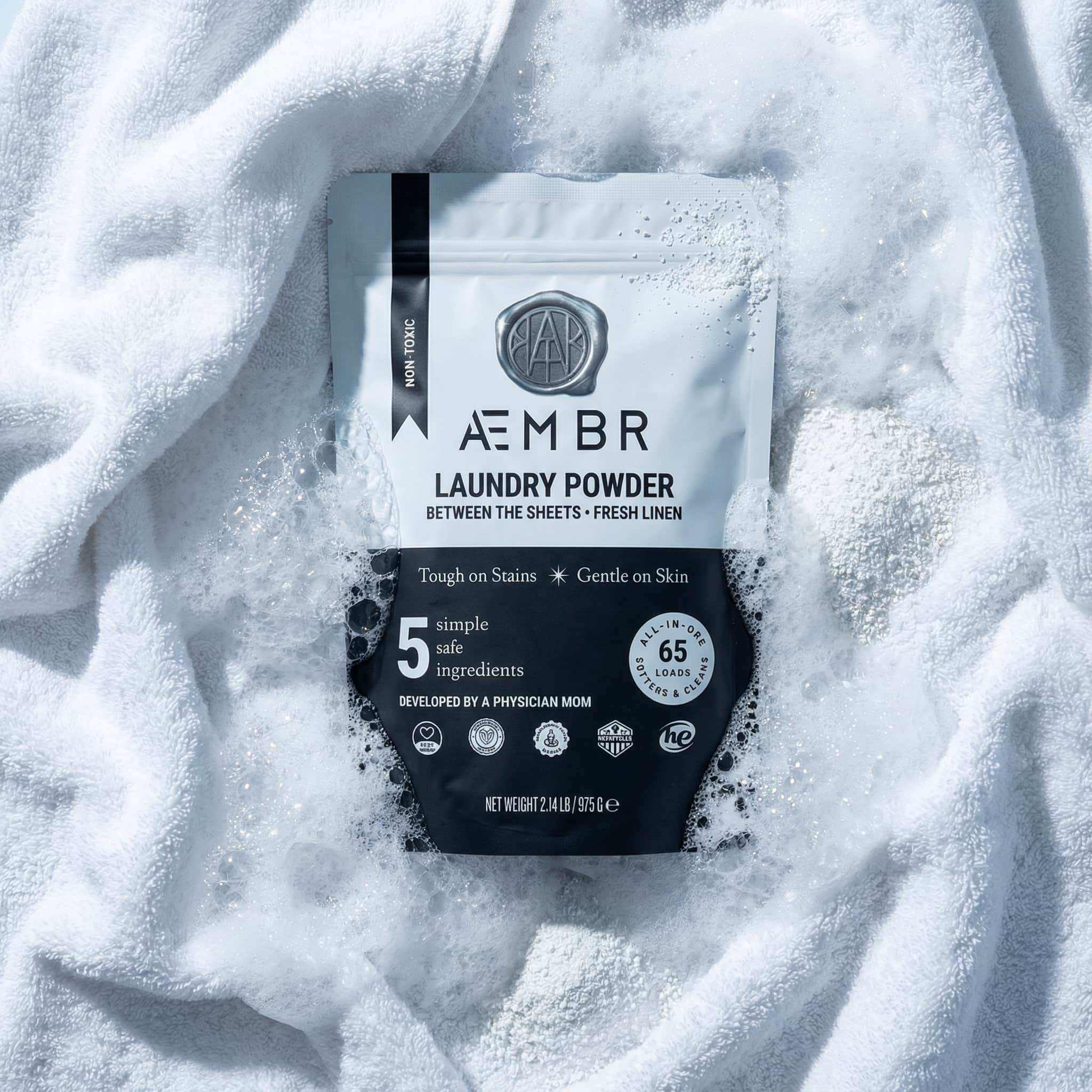
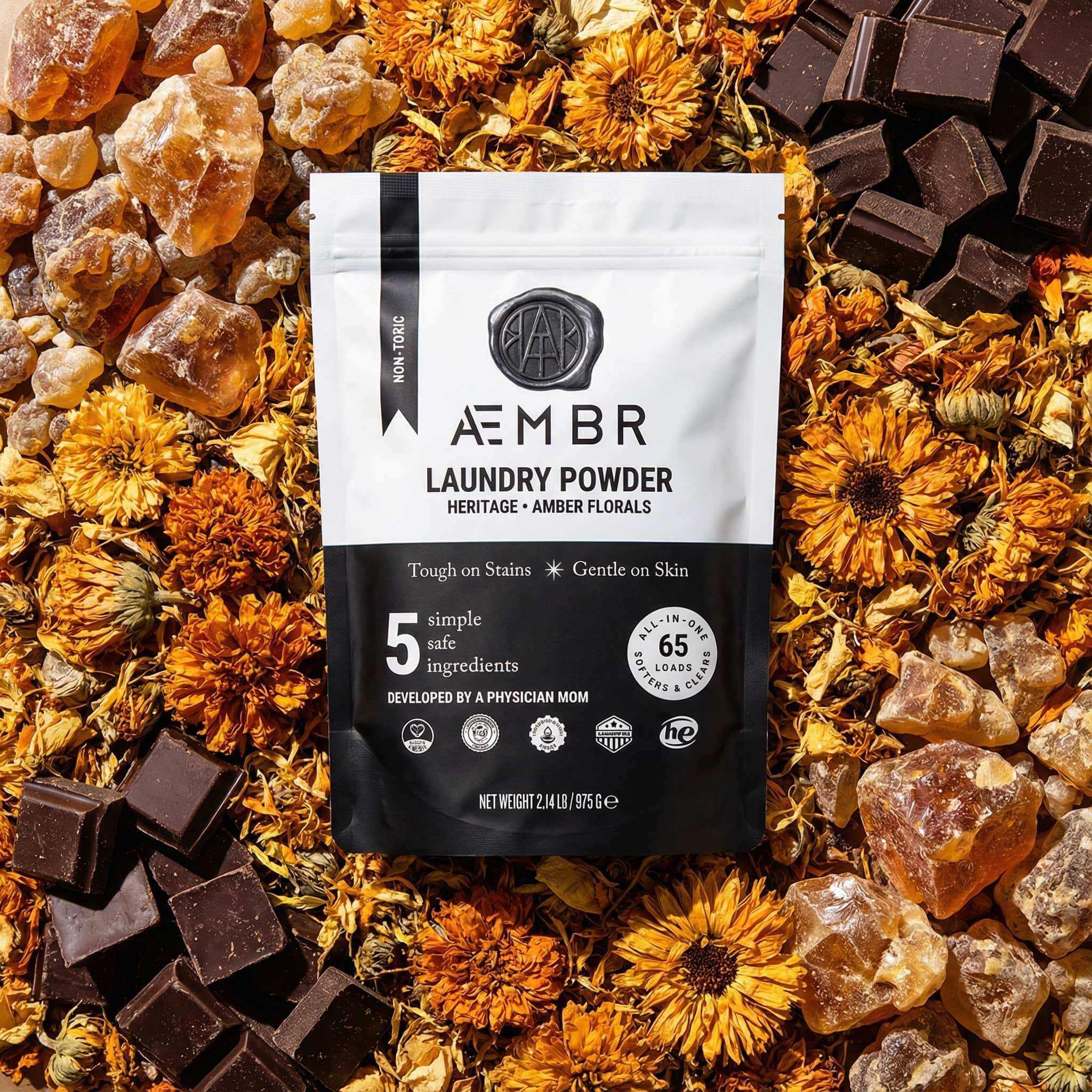
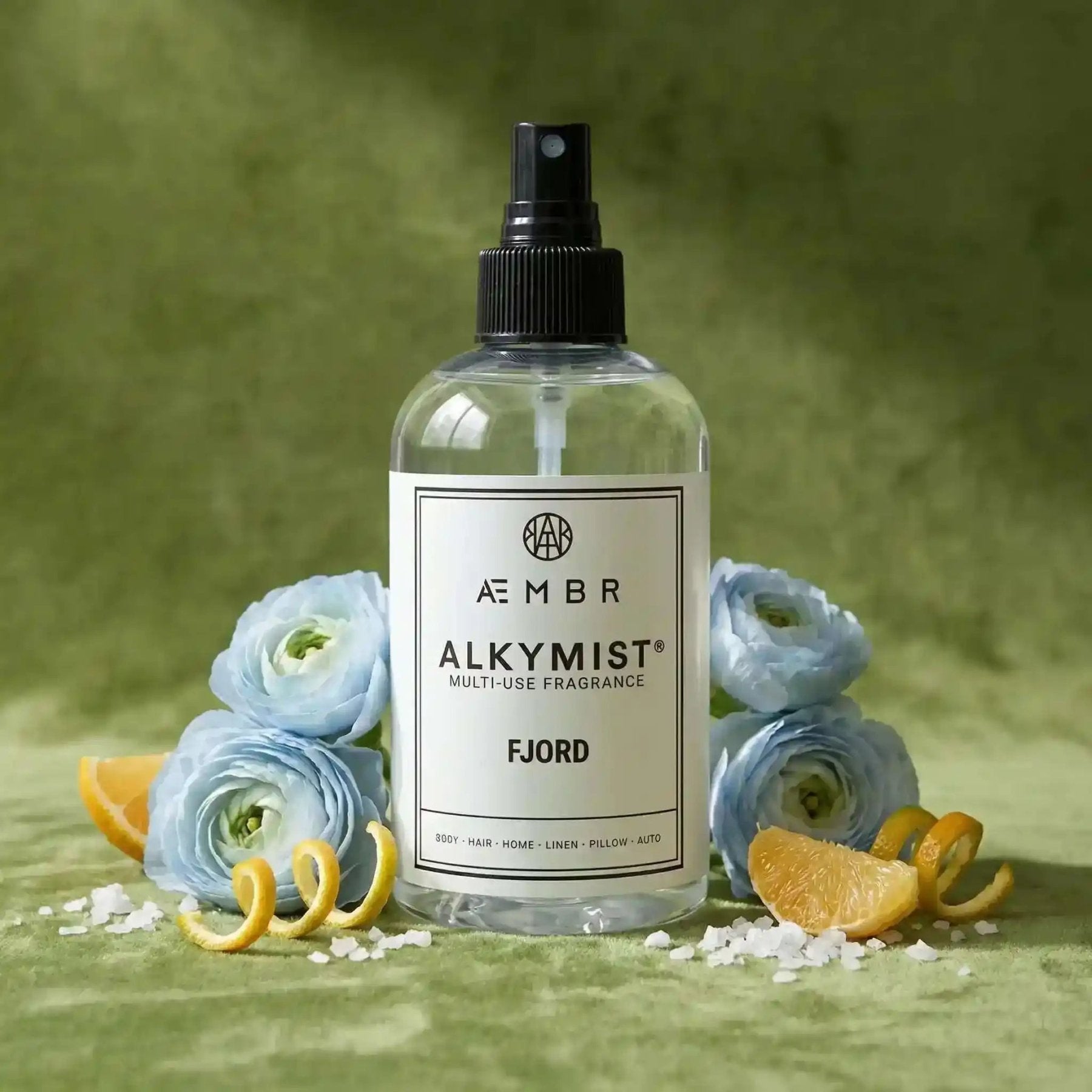
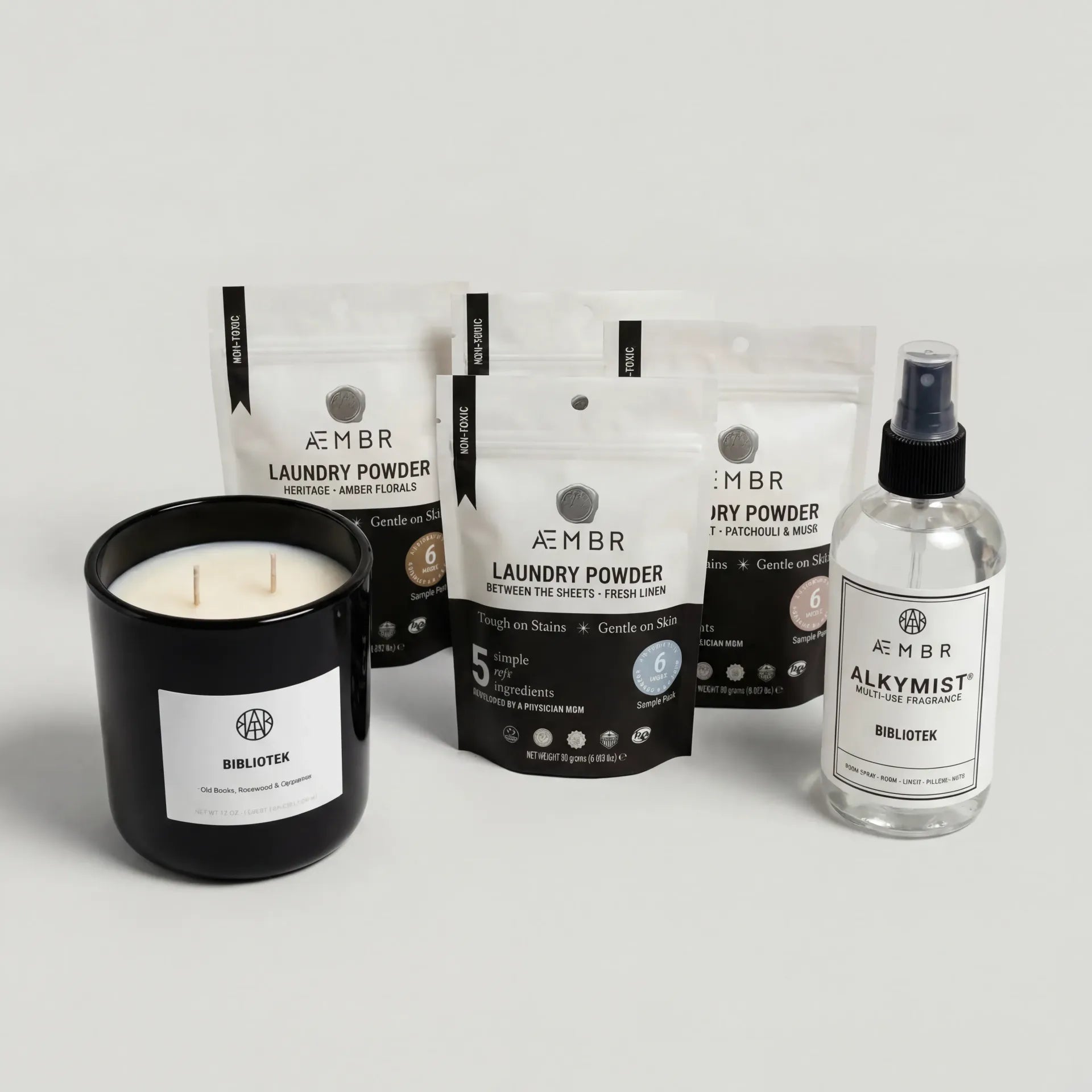
You can explore the full AEMBR non-toxic household collection here, and if you're starting with laundry, the AEMBR Laundry Powder is the place to begin — phthalate-free, carcinogen-free, full ingredient list on the label.
The Bottom Line
- "Non-toxic" on a cleaning product label has no legal definition and no third-party verification requirement — it is a marketing term.
- The same is true of "natural," "green," and "clean."
- The certifications that actually mean something: EWG Verified, EPA Safer Choice, MADE SAFE. Each requires full ingredient disclosure and review against a published prohibited substance list.
- Leaping Bunny certifies cruelty-free practices, not ingredient safety — meaningful but different.
- Full, unprompted ingredient disclosure by the brand is the single most actionable signal you can evaluate yourself, without a certification.
- When in doubt, look past the front-of-label claims to the ingredient list. If you can't find it, assume it's not there for a reason.
Further reading: How to Read a Cleaning Product Label (and What They're Hiding) and Are "Clean" Cleaning Products Actually Better? A Formulator's Honest Answer.